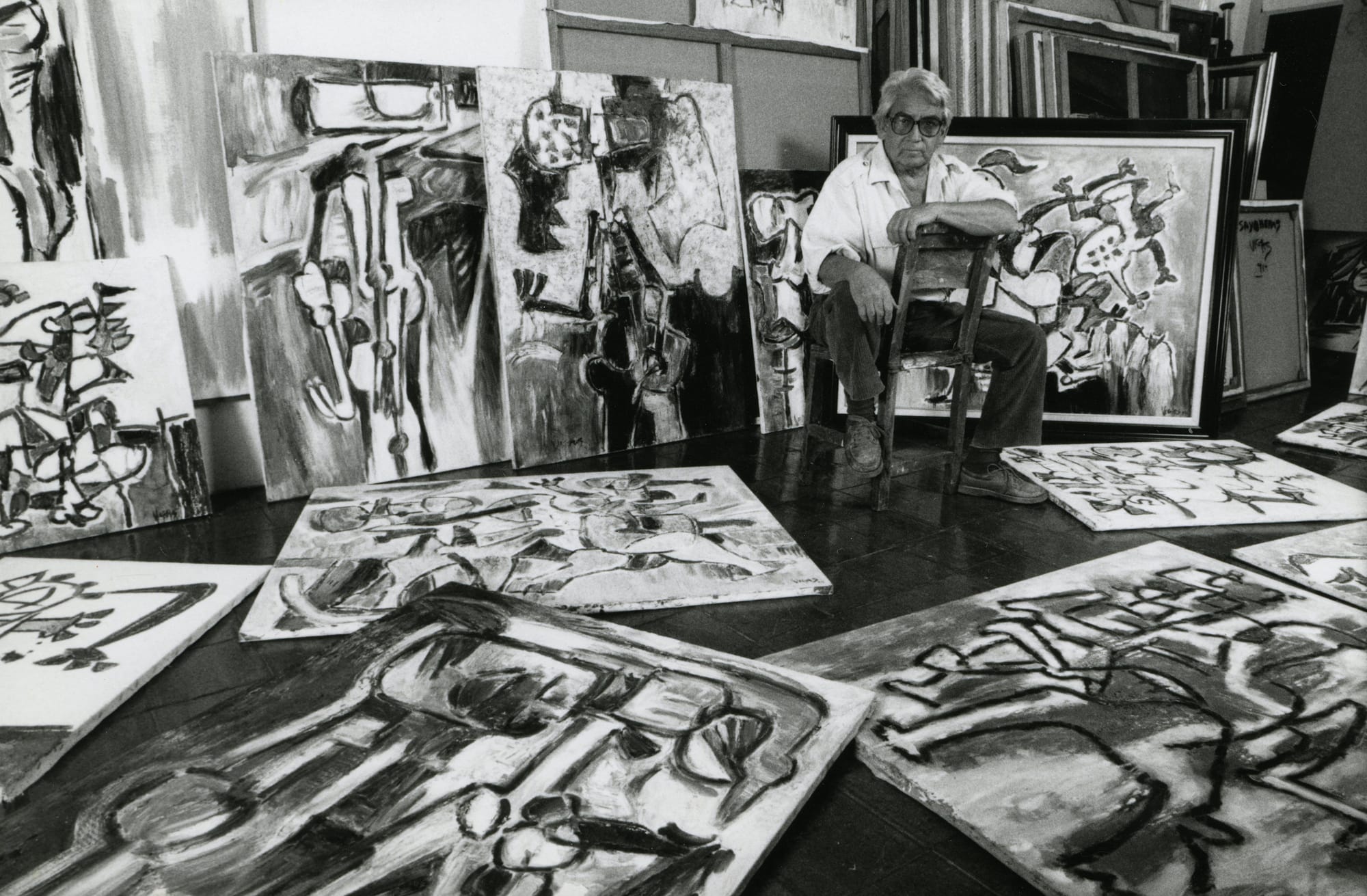
GUANGZHOU, China — In a June 1985 article in the Venezuelan newspaper El Nacional, painter Oswaldo Vigas decried the exhibition Rauschenberg and the Third World, a traveling show organized by the Rauschenberg Overseas Culture Interchange (ROCI) program at Museo de Arte Contemporáneo de Caracas. “Latin America, both in its literature and in its visual arts, has always been characterized by possessing its own languages, through which it expresses conceptions of the world and of humanity that have nothing to envy in those developed by those other societies,” the late Venezuelan artist wrote of Robert Rauschenberg’s paternalistic Cold War initiative. “If there is anything important I see in this exhibition … it is its value as an example of precisely what we Latin Americans neither should nor have any reason to imitate.”
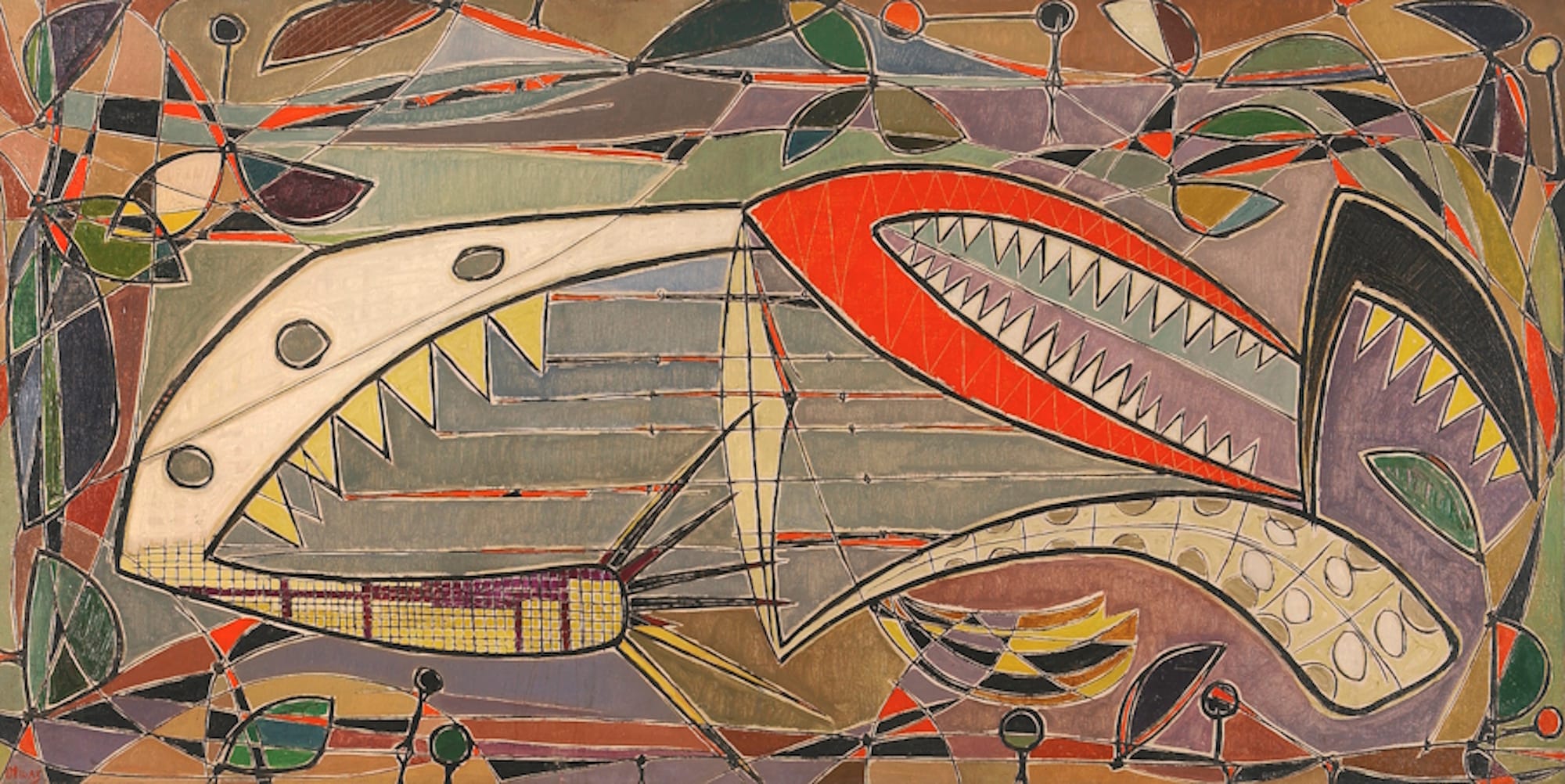
A giant of the Latin American avant-garde who worked between his home country and Paris, Vigas, who died in 2014, helped define a modernism that resisted Eurocentric ideals. Instead, he favored experimentation that reflected Venezuela’s Indigenous past and a hopeful vision for the future. This struggle — and fusion — between aesthetics and culture is at the center of the Guangdong Museum of Art’s survey of the artist’s work, Reality Is What I Imagine.