The Many Lives of Frederic Edwin Church
Victoria Johnson’s biography is a nuanced portrait of the artist, whose landscapes conveyed the anxieties of a nation struggling over slavery, war, and disunion.

Great writers, Susan Sontag once said, are either husbands or lovers: either “reliability, intelligibility, generosity, decency,” she yawns, or lovers — ah, lovers!
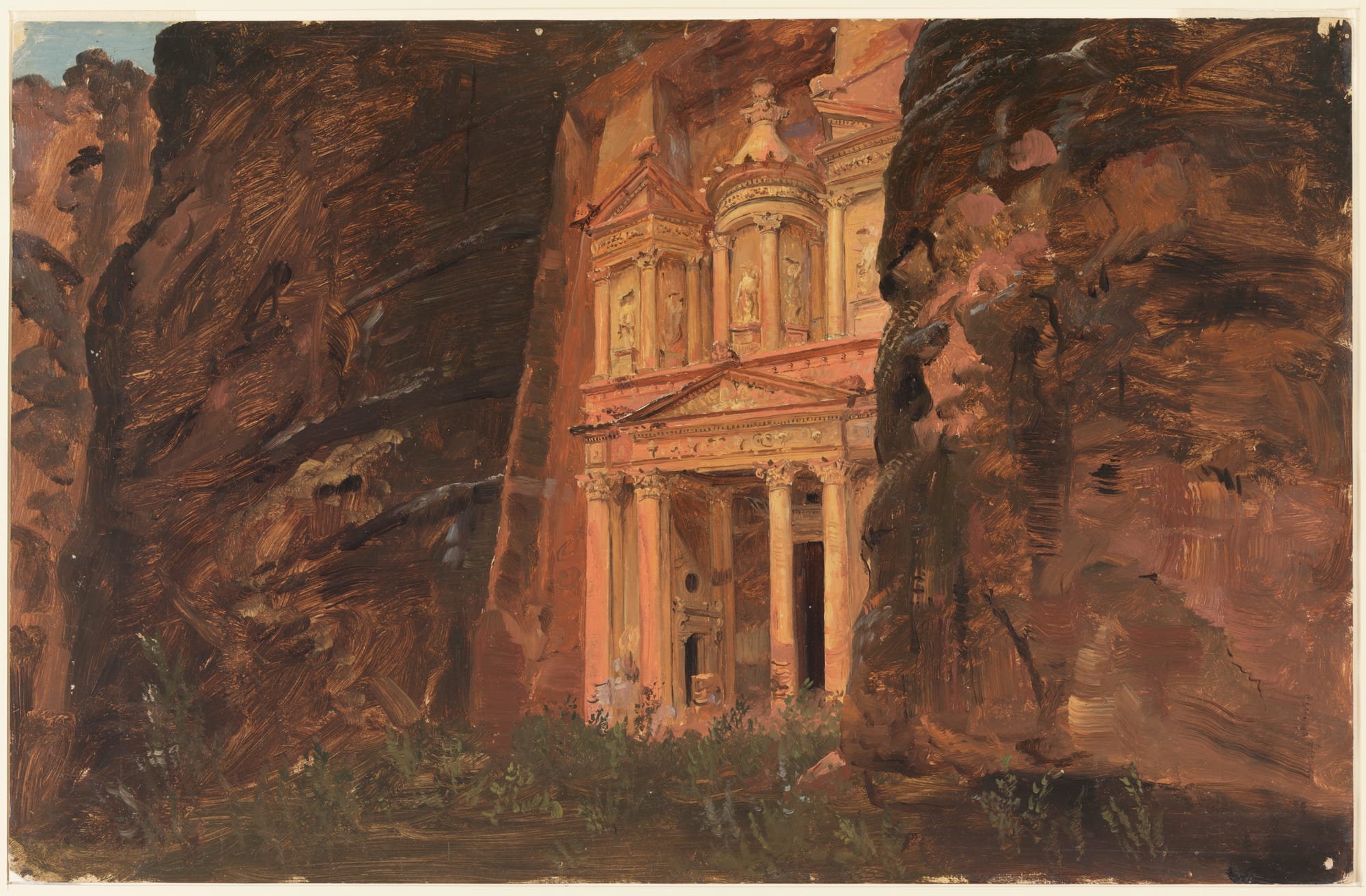
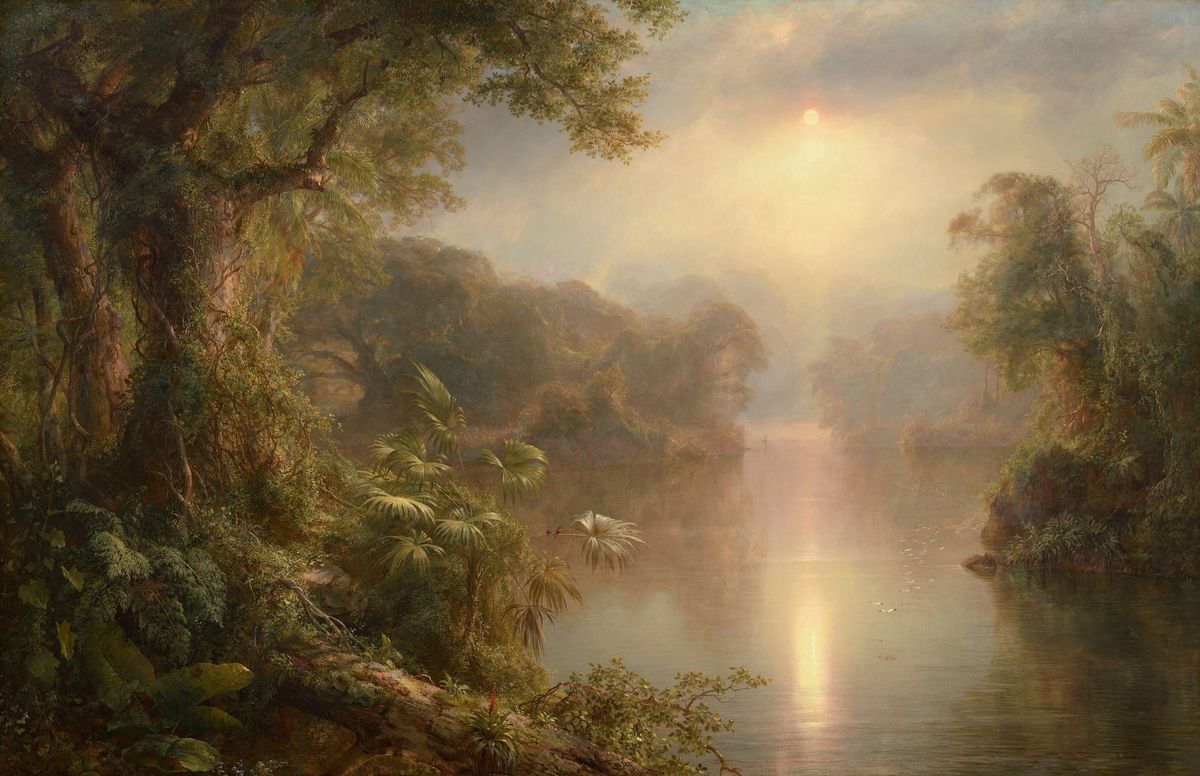
Then there are artists like Frederic Edwin Church, the 19th-century American painter whose solid, husbandly virtues have none of the tedium Sontag implies — an artist who paid the bills and picked up the kids but never lost the thrill of the sexy swashbuckler. In fact, his wife Isabel might often have wished for a bit less loverliness: for fewer scrambles up the sides of angry Andean volcanoes, for fewer leaky boats teetering on the edge of Arctic icebergs, for fewer near-escapes from armed Bedouin tribes. Church is so splendidly interesting that it is astonishing that he has never, until now, been the subject of a proper biography. Victoria Johnson’s Glorious Country (2026) was worth the wait: a nuanced homage to an inspired and inspiring man.