The Most Endangered Heritage Sites of 2016, from Cuban Art Schools to the Oldest Underwater City
The World Monuments Fund has announced 50 sites around the globe that are in danger of disappearing due to development, war, neglect, natural disaster, or deliberate destruction.

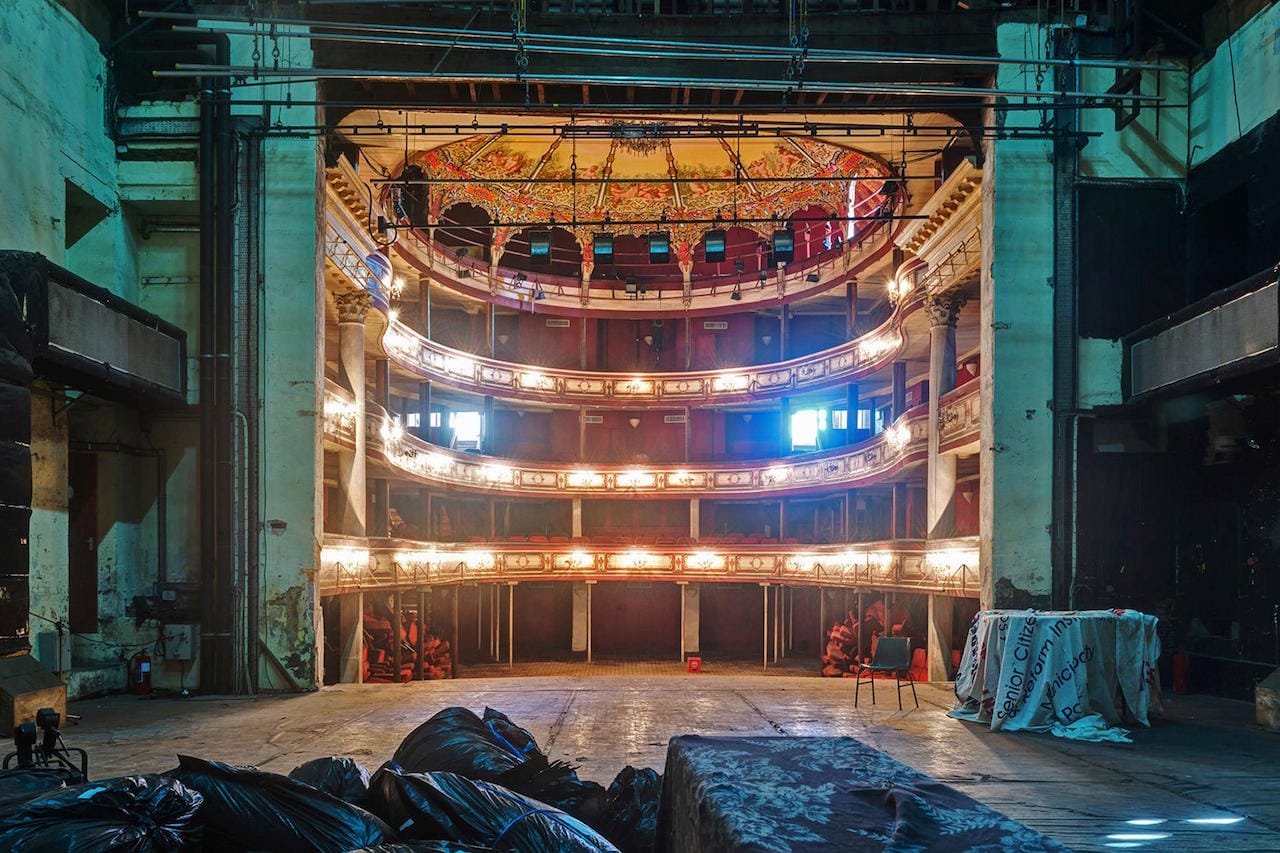
The World Monuments Fund (WMF) has announced 50 sites around the globe that are in danger of disappearing due to development, war, neglect, natural disaster, or deliberate destruction. Since 1996 the World Monuments Fund Watch has identified heritage sites at risk in an effort to rally attention and funds for their protection.
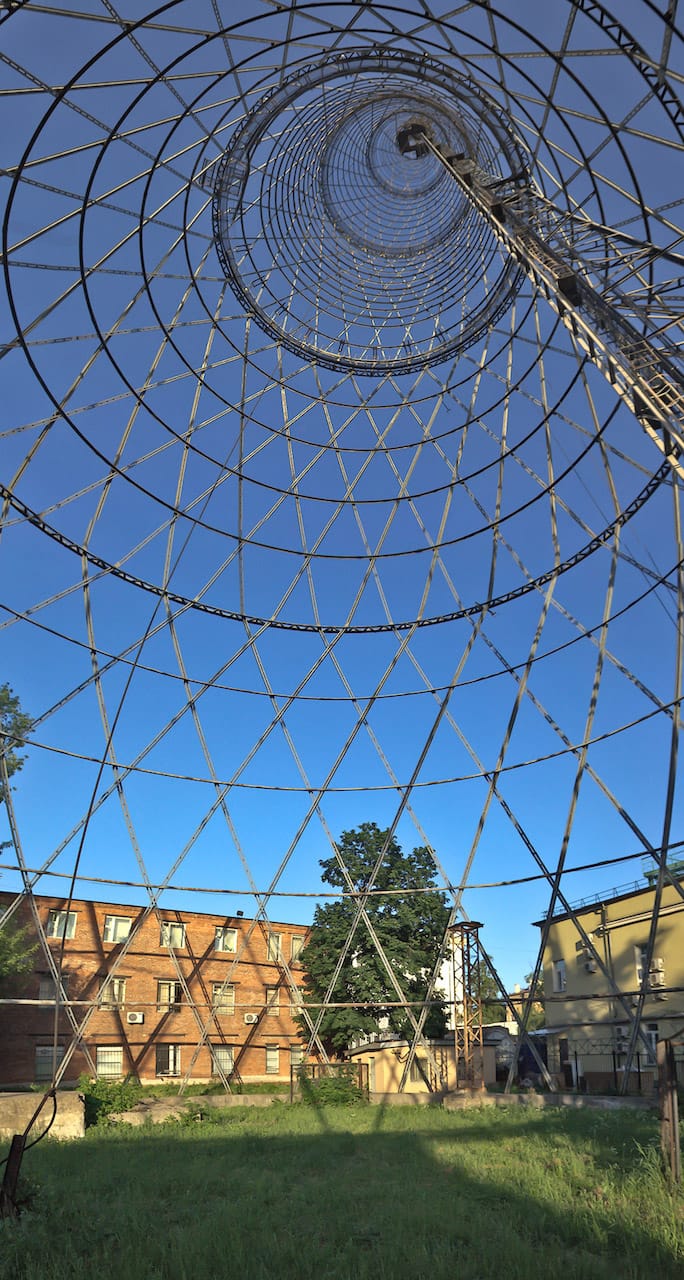
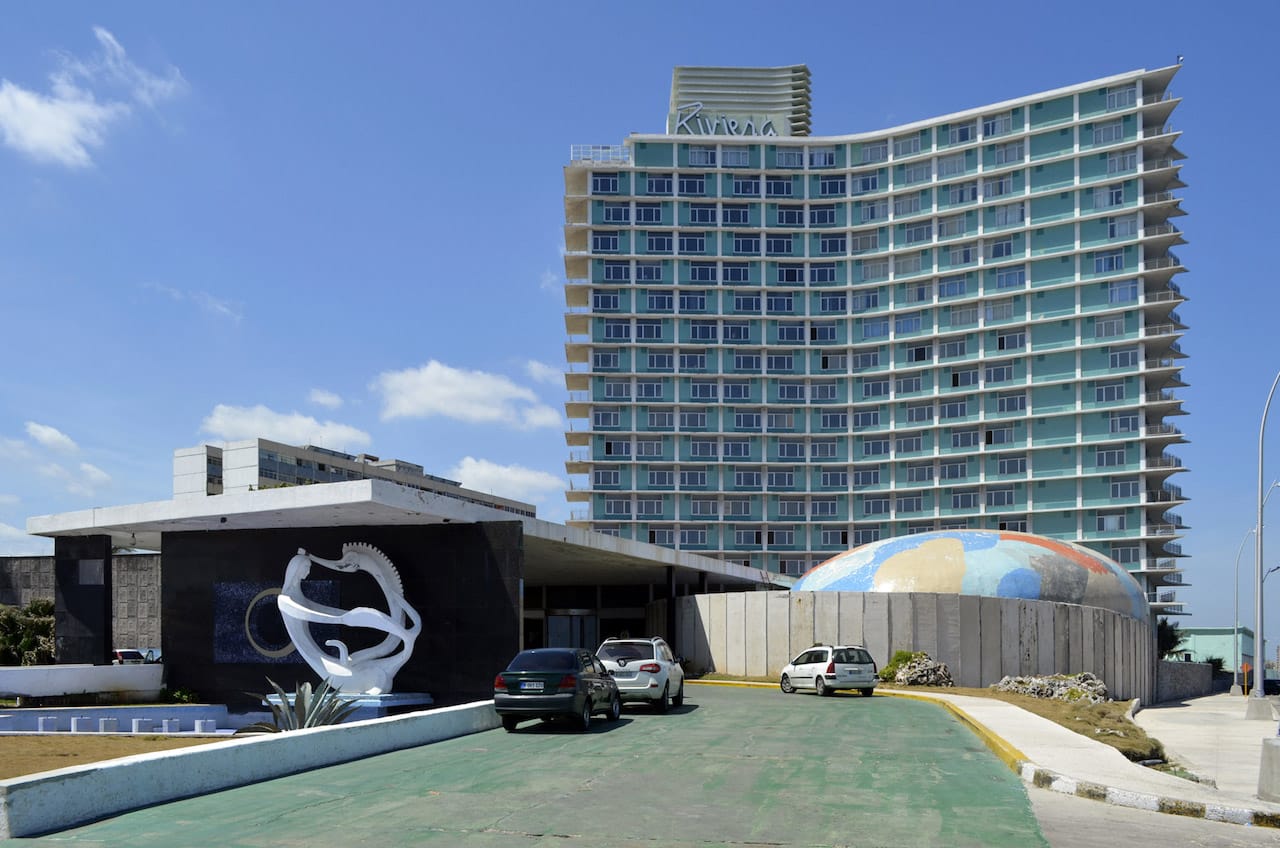
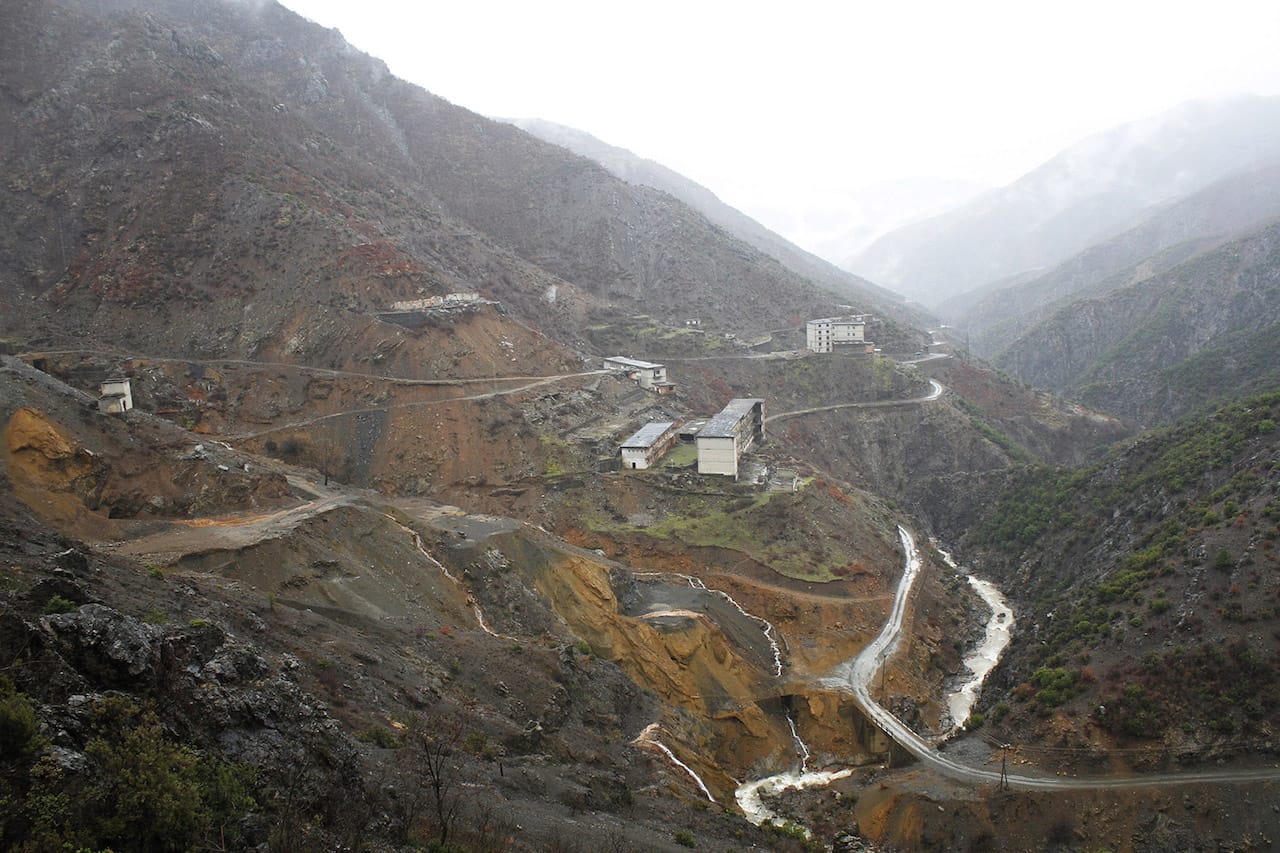
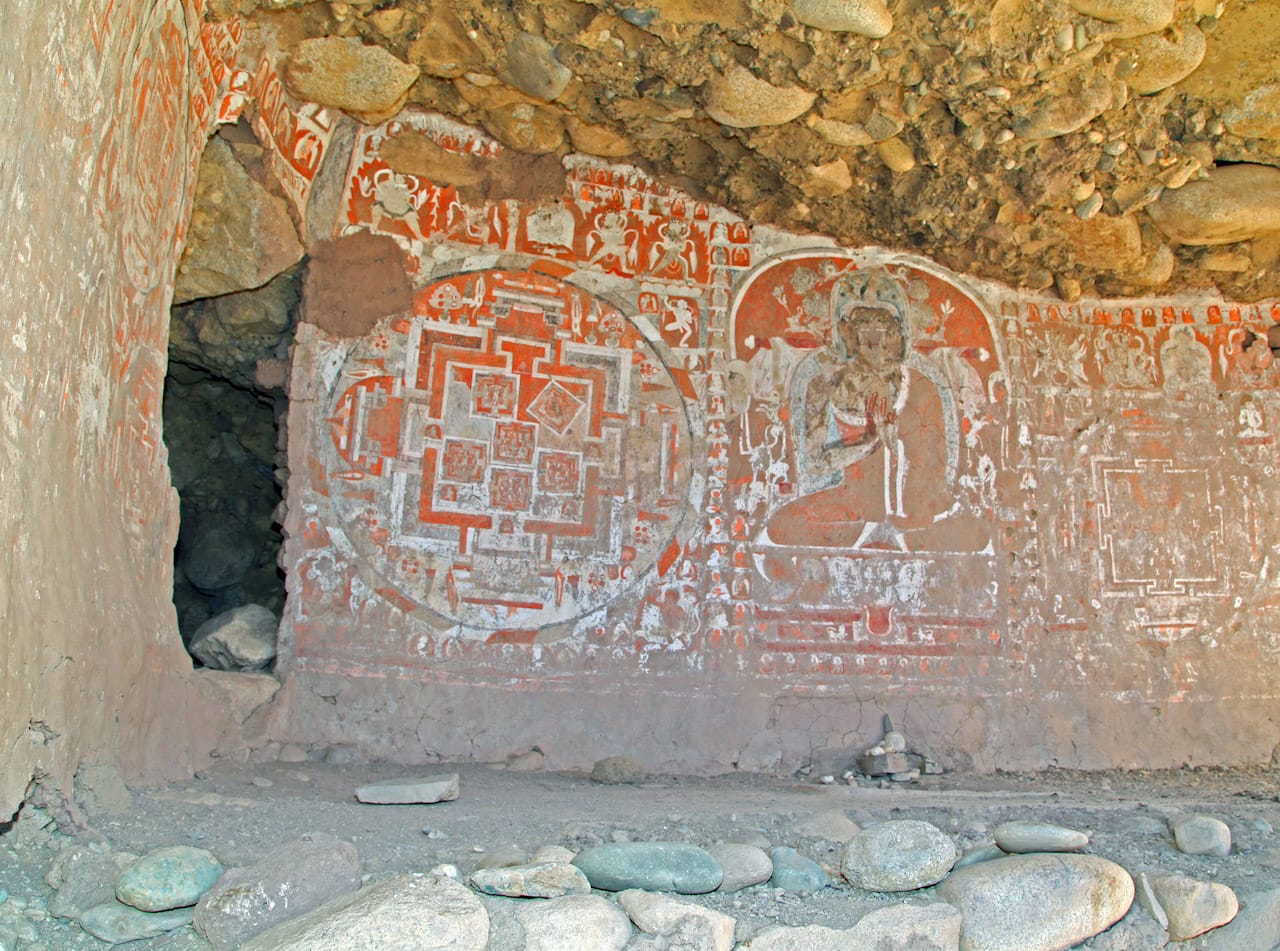
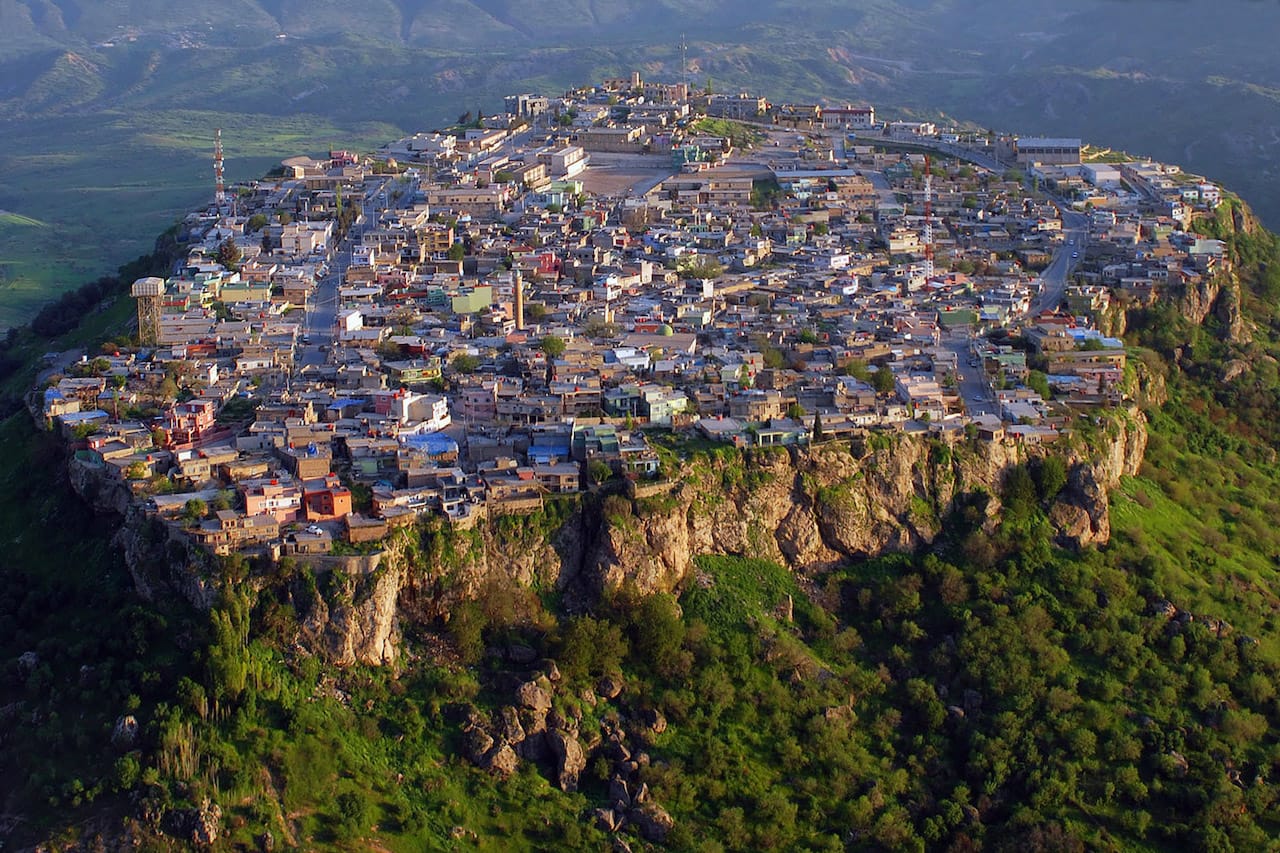
The list includes two sites in the United States (Mission San Xavier del Bac in Arizona and San Esteban del Rey Mission in New Mexico, both in need of restoration), 15 in Europe, and seven in North Africa and the Middle East. Cuba has three entries, the highest number for a single country, all of them in peril due to a lack of financial resources and preservation management: the churches of Santiago de Cuba, the architecture of Havana’s El Vedado, and the deteriorating National Art Schools. However, the entire country of Nepal, hit by a devastating earthquake earlier this year, is included as one site on the list. Other entries range from feats of 20th-century architecture — the 1920s Shukhov Tower that stands 525 feet over Moscow, an engineering marvel that may be dismantled — to ancient places like Greece’s Pavlopetri, the oldest underwater city in the world, at risk due to both large sea vessels and pollution.
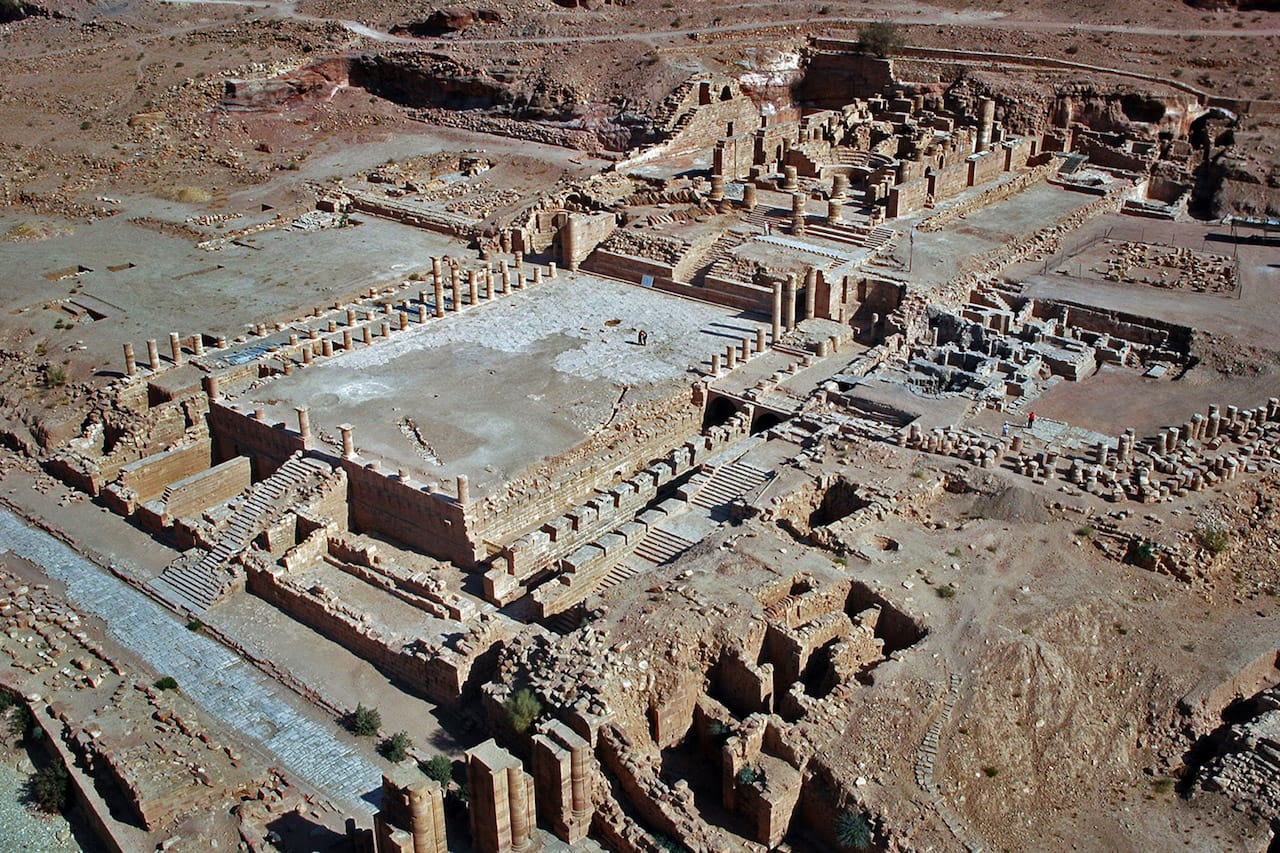
While there are some returning entries, like Jordan’s Petra, which was on the WMF Watch list in 1996, 1998, 2000, and 2002 yet still needs community support and future planning, most are newcomers that reflect the perils of cultural heritage now. This is best reflected in the inclusion not of a certain place on the list, but an idea. For the first time the Watch includes an “Unnamed Monument,” an entry “in recognition of the deliberate and calculated damage to thousands of cultural heritage sites in many areas of political and social instability.” It’s a catch-all because there are “too many sites at risk to be included individually on the Watch, and no immediate hope for resolution.”
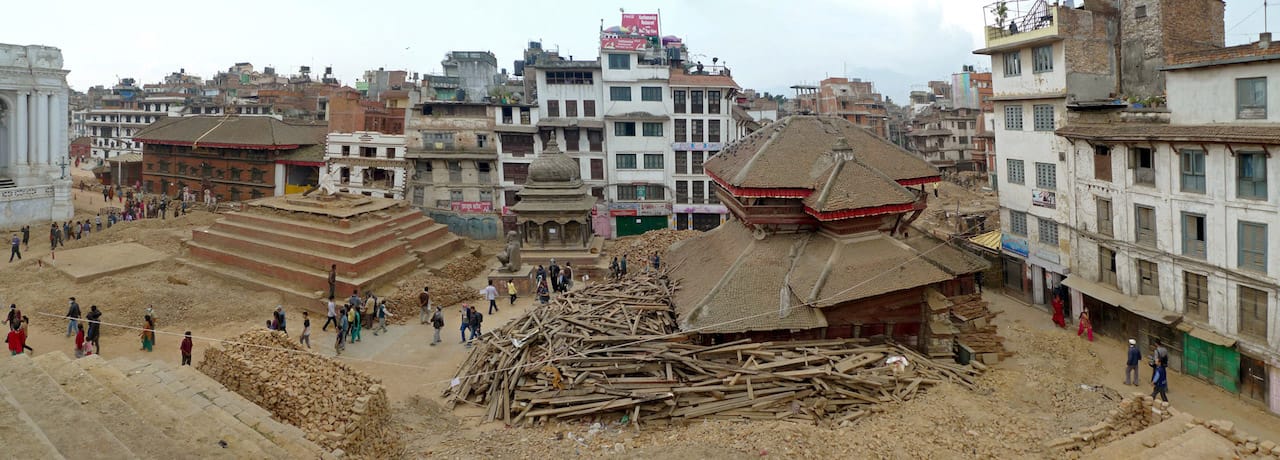
It might surprise some that no specific sites in Syria, where ISIS recently destroyed Palmyra, are included on the Watch, and rather listed indirectly through the “Unnamed Monument.” As Newsweek reported, Lisa Ackerman, executive vice president of WMF, explained at a press conference that the organization “felt this time the nominations were complex, having to do with conflict zones, but we also felt the problem rises so much above any one monument […] It’s not any one monument of any one country, we’re really seeing an assault on cultural heritage [globally].”
WMF is hosting a talk on the Watch’s history and the new sites on October 29 at its headquarters in the Empire State Building. You can also explore a complete list of this year’s 50 additions, as well as the now 790 sites the Watch has highlighted in its two decades, online.
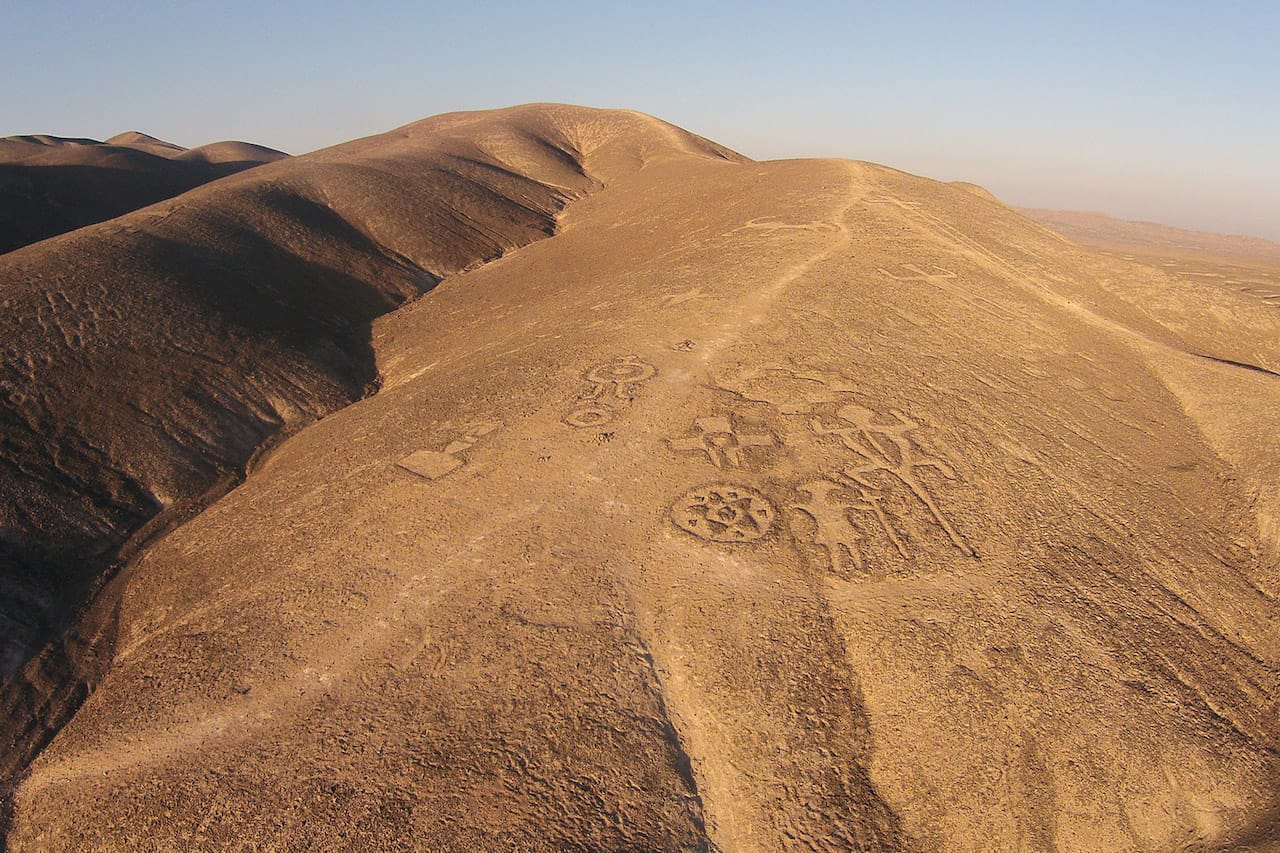

Read more about the 50 sites on the 2016 World Monuments Fund Watch.