The Paradoxical Delights of South America’s Biggest Art Fair
The 22nd edition of SP-Arte in São Paulo stands at a global nexus, yet feels decidedly regional.

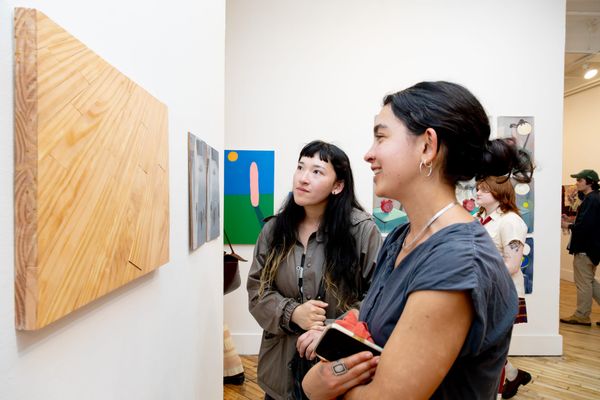
SÃO PAULO — It wasn’t long after the dust settled at the Oscar Niemeyer Pavilion in Parque Ibirapuera, home to the 36th São Paulo Biennial, that it opened again on April 8 to Latin America’s largest art fair. With 180 exhibitors, the 22nd edition of SP-Arte, on view through the weekend, is a bit smaller than last year’s, though the showing of Brazilian galleries remains strong.
Among the visitors perusing booths on opening day was Brinda Kumar, associate curator of Modern and Contemporary Art at the Metropolitan Museum of Art. She told Hyperallergic that she was in São Paulo for the first time, drawn by its “South-South artistic links, with Brazil as a connector for transcontinental relationships.” A visit to Rosana Paulino’s studio, organized through the fair’s Latitude program, created in 2007 to promote Brazilian art, was one of the highlights of her trip so far. “It allowed me to see art in the context in which it was made,” Kumar said.
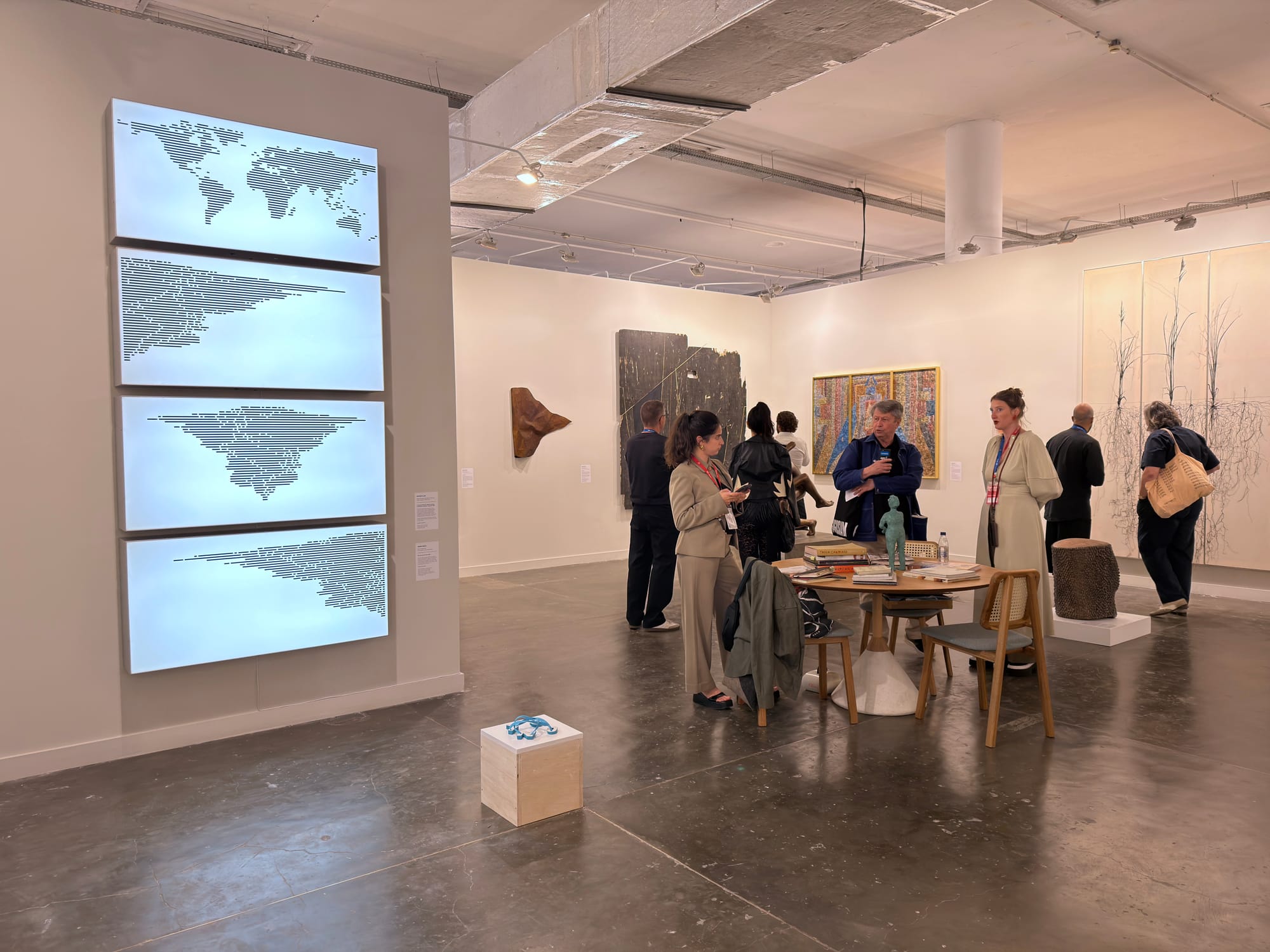
In a sense, SP-Arte may seem paradoxical: It stands at a global nexus, yet feels decidedly regional. To dealers such as Felipe Dmab, a partner at Mendes Wood DM, which started in São Paulo and now has locations in New York, Paris, and Brussels, this is not so much a contradiction as a strength. While foreign dealers and visitors may see Brazil as a bubble, Dmab said that the success of galleries like his lies in remaining intensely local, navigating Brazil’s complex culture, while expanding overseas.
At the fair this year, in addition to works by Paulino, the gallery brought landscape paintings infusing nature with geometric or surrealist motifs by Brazilian and foreign artists, including Patricia Leite, Edgar Calel, and Peter Shear, creating a coherent vernacular across different geographies.
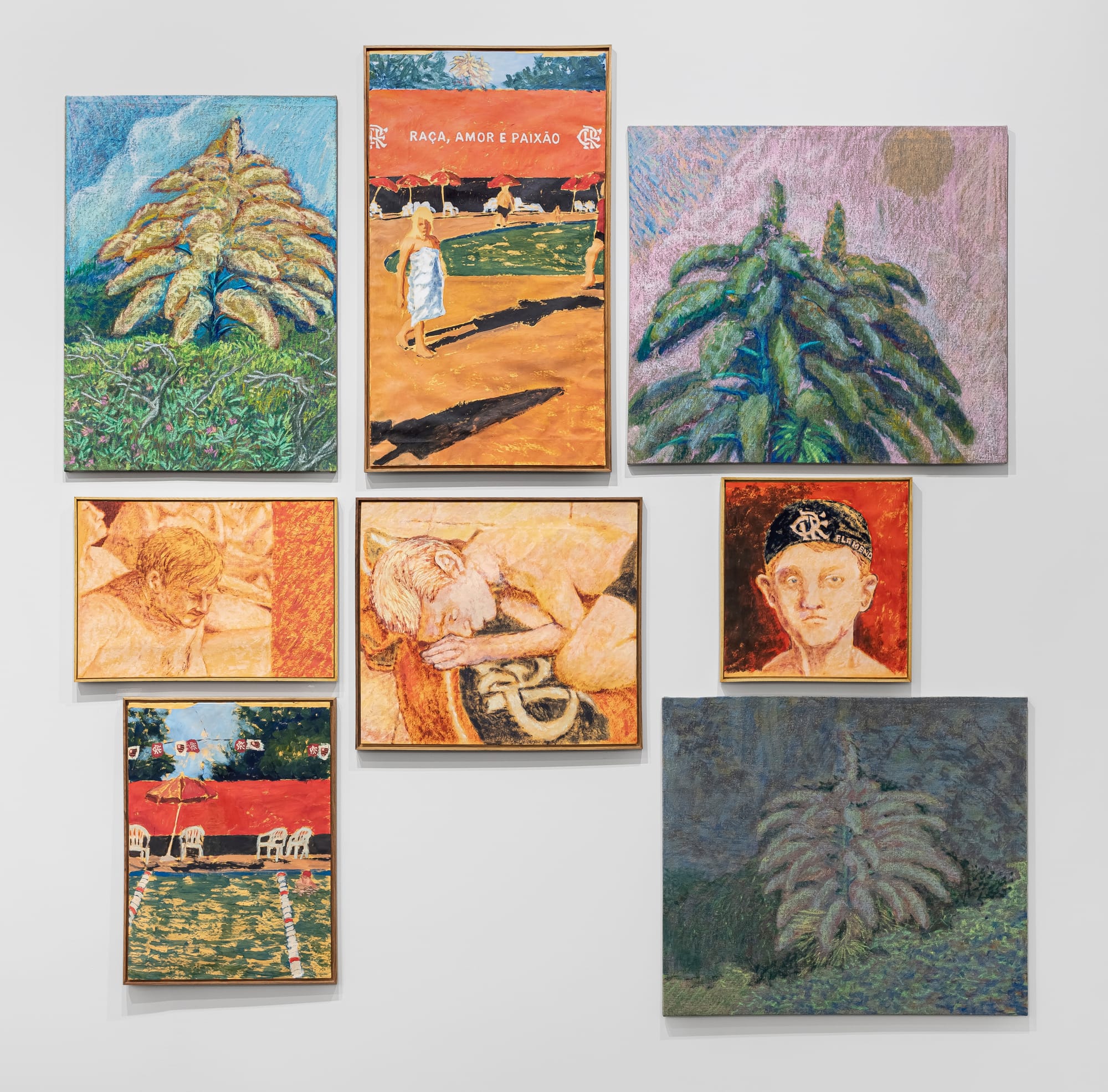
According to Hena Lee, a partner director at the Brazilian gallery Almeida & Dale, SP-Arte plays a pivotal role in strengthening the local ecosystem, while international fairs “help shift the perception of Brazil from a peripheral market to an active interlocutor.”
The gallery’s booth ranged from Guga Szabon’s abstract textiles in felt and Marina Woisky’s visceral prints on mixed media to the limpid oils on brown paper centering race and urban space by Maxwell Alexandre, who has a parallel solo show at the gallery. Maya Weishof's expressionistic erotic portraiture was also on view at the booth and at that of London-based gallery Lamb, dedicated to Brazilian art and back at the fair after closing its São Paulo operation during the pandemic.
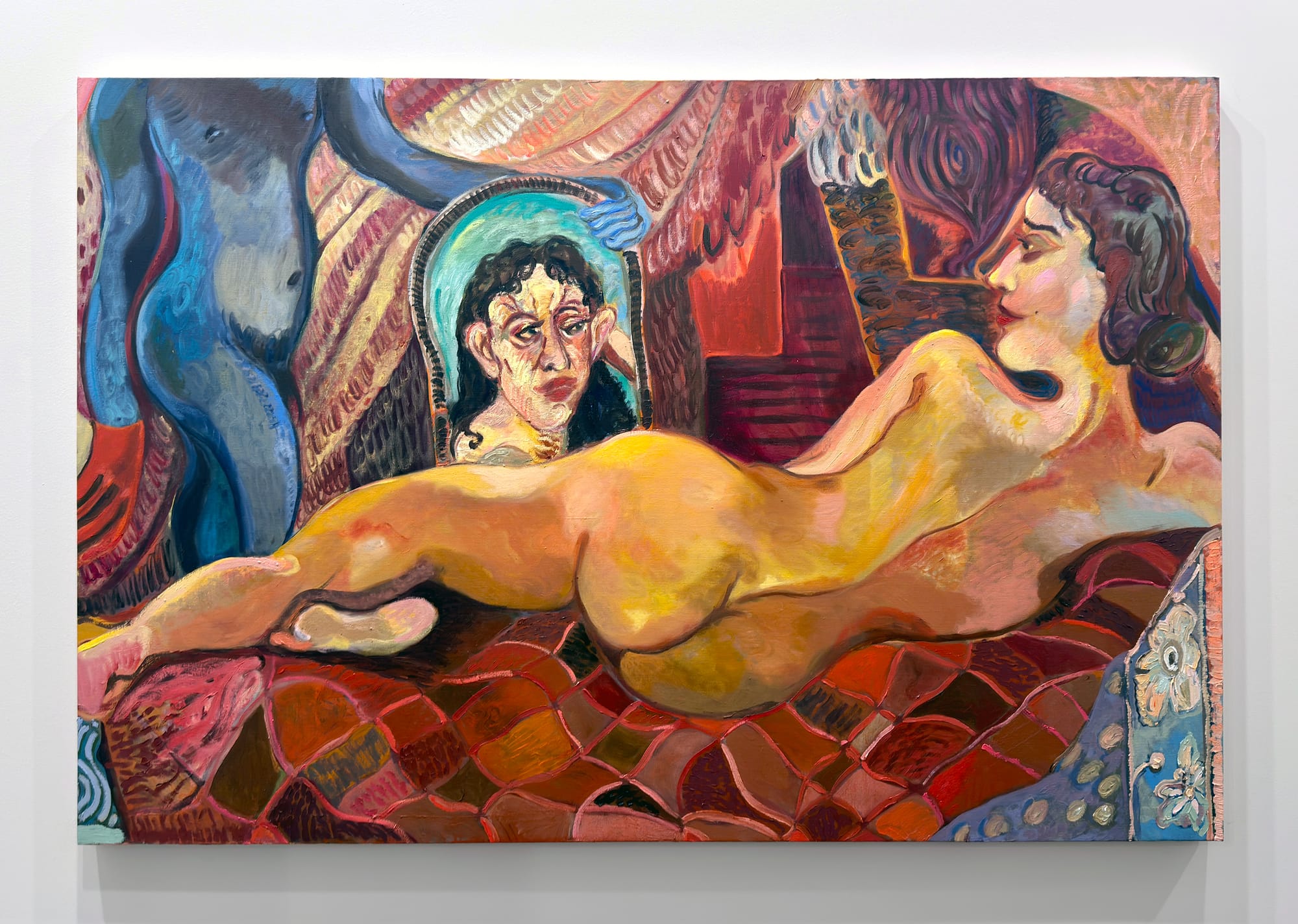
Lamb is among a growing number of foreign galleries seeking to expand their collector base in Brazil, despite the unofficial consensus that the country is an expensive place to sell art. That challenge was recognized by SP-Arte’s founder Fernanda Feitosa, who told Hyperallergic that more than tariffs, “what collectors feel is the combined tax burden” — federal and state taxes can increase the cost of an artwork by up to 45%, she said. While tax abatements consistently drew blue-chip galleries like Gagosian and White Cube to the fair in the 2010s — both were gone by 2015 — Feitosa said incentives “were not guaranteed every year, not uniform across all transactions, and often limited in scope.”
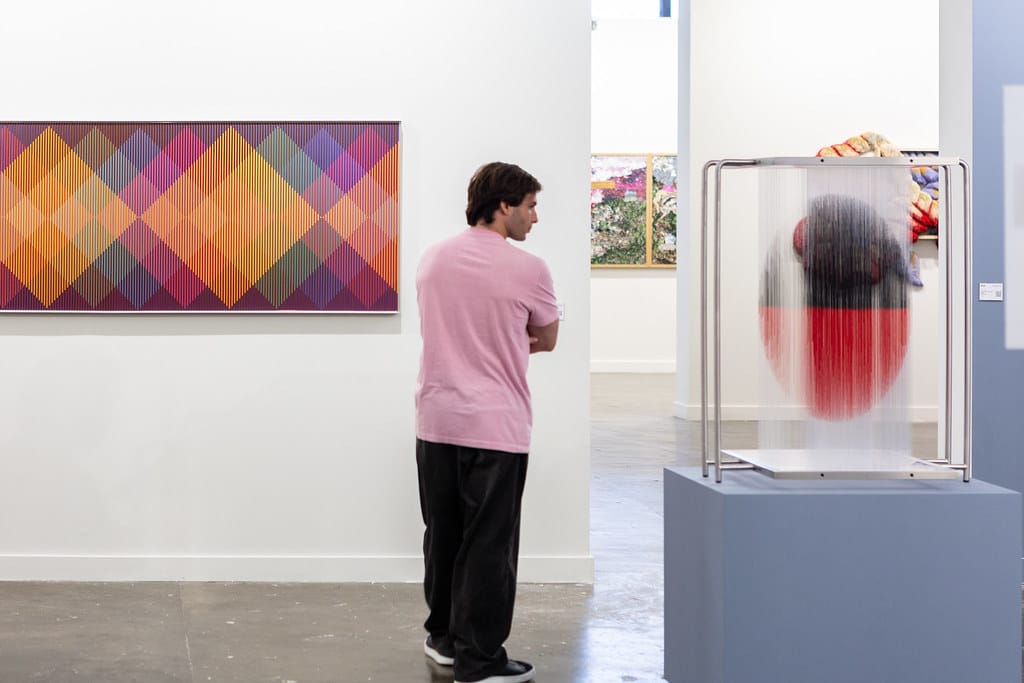
Rodrigo González, who opened RGR Gallery in Mexico City in 2018 after moving there from Venezuela, told Hyperallergic that he was motivated to show at SP-Arte by the affinities between Venezuelan and Brazilian abstract art. His booth included works by one of the pioneers of Latin American kinetic art, Jesús Rafael Soto; Mexican feminist artist Magali Lara; and young Chinese abstract painter Wang Yi.
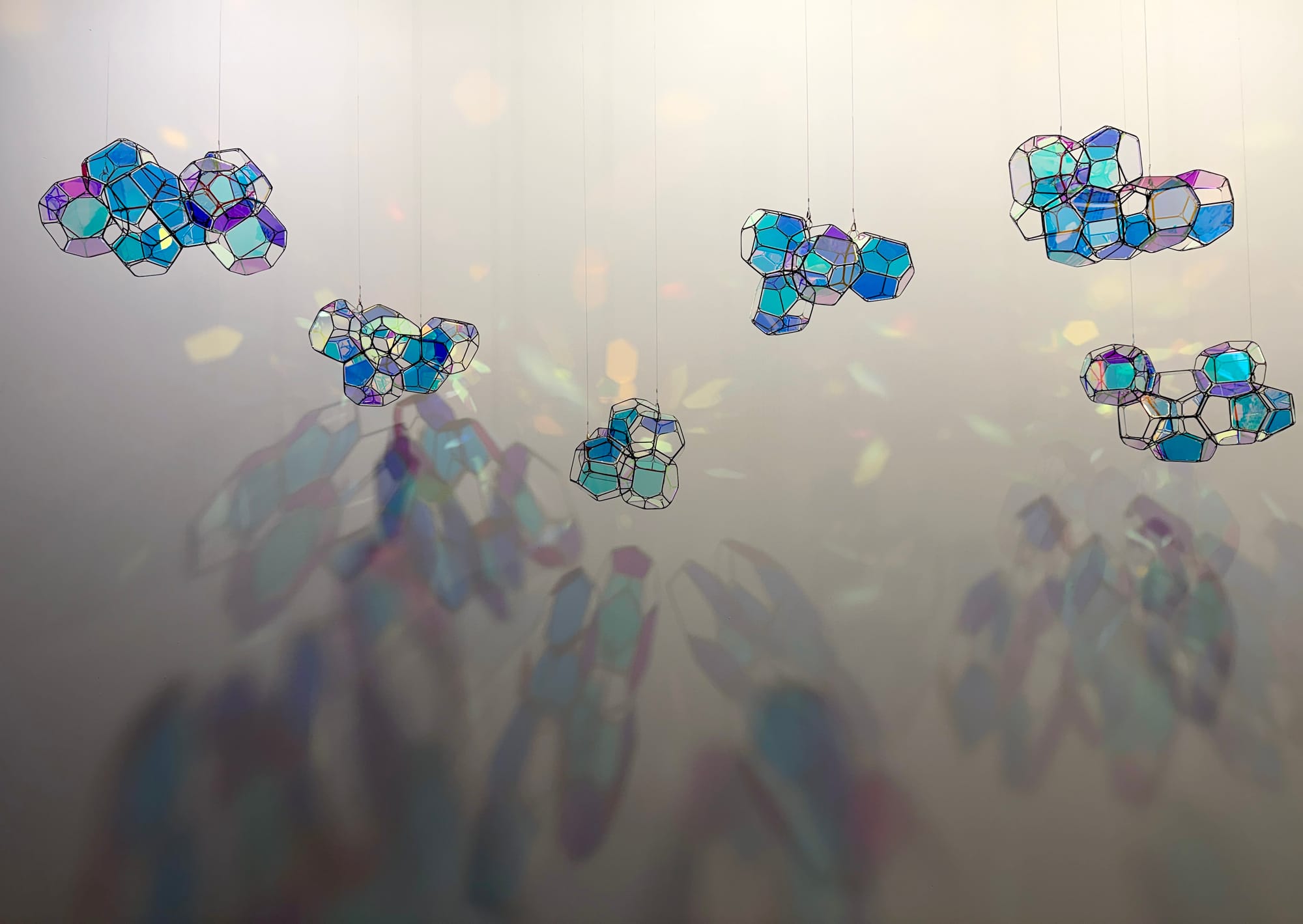
That proximity also attracted Piero Atchugarry, based in Uruguay and Miami, whose gallery displayed monochromatic sculptures by modernist sculptor Pablo Atchugarry alongside works by younger artists. New to the fair was Ruth Benzacar, a 61-year-old gallery from Buenos Aires. Its texturally striking booth showed iridescent panels by Tomás Saraceno, layered acrylic and oil paintings by Alejandra Seebel, and acrylic and latex paintings on canvas and gypsum debris by Catalina Léon, all three artists capturing the possibilities of mundane subjects.
Overall, RGR’s venture into Chinese art felt particularly fresh — and relatively rare in Brazil’s commercial sector. China is Brazil’s most important economic partner, yet, according to Tereza de Arruda, a Berlin-based Brazilian art historian and curator also working in Asia, Chinese artists in Brazil are exhibited mainly in institutional contexts. (Cao Fei’s impressive retrospective at Pinacoteca Contemporânia, in 2023–24, comes to mind.)
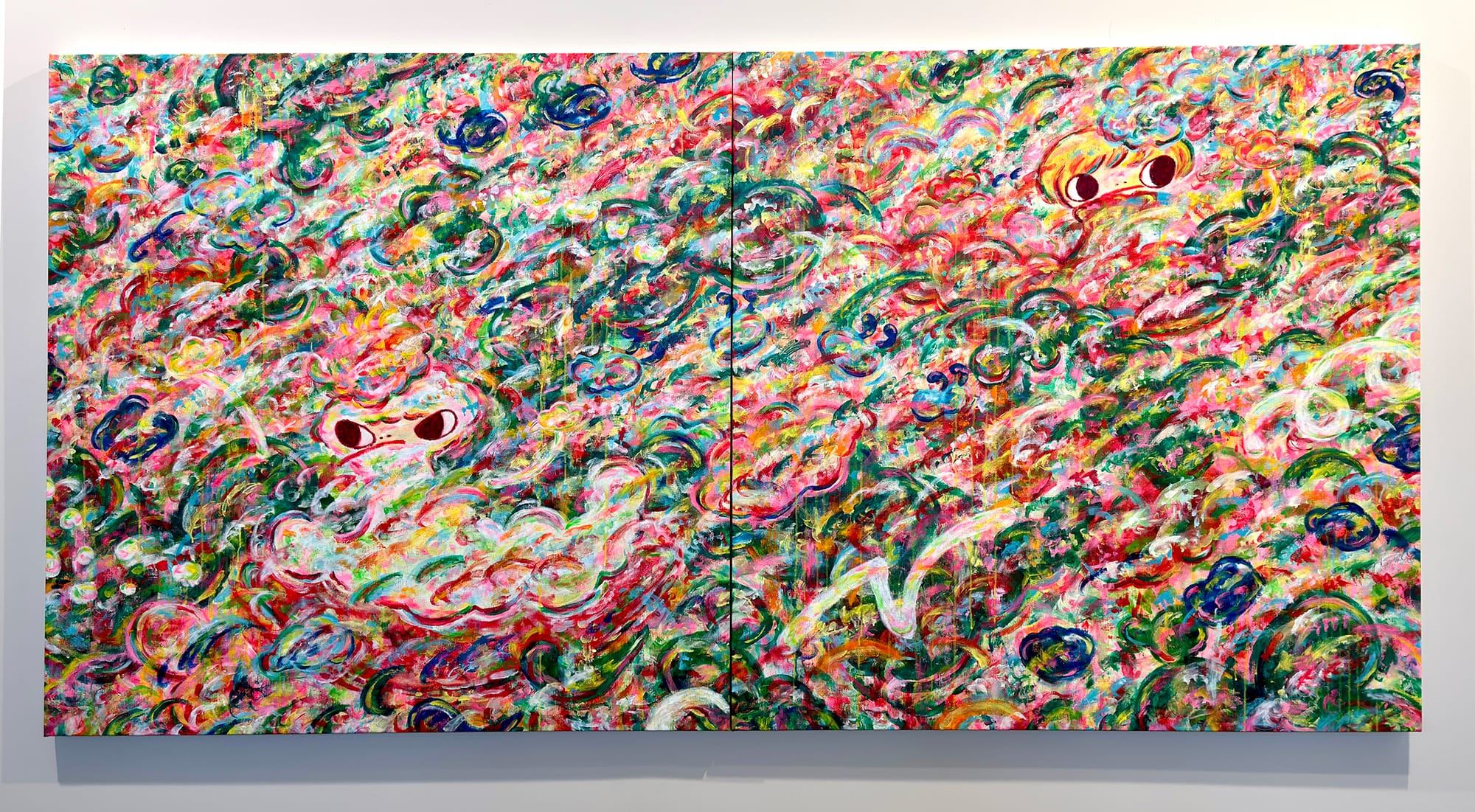
Among other notable international infusions was Baró, established in São Paulo in 1999. The gallery later opened spaces in Palma de Mallorca, Paris, and Abu Dhabi. It’s back at SP-Arte for the second consecutive year with a series of mixed-media works based on Iranian folklore by artist-duo Mamali Shafahi and Domenico Gutknecht, as well as acrylic paintings by Berlin- and Tokyo-based artist Ayako Rokkaku.
One of the fair’s most elegant small booths belonged to the nine-year-old Lisbon-based Galeria Foco, with its suspended geometric textile sculptures by Portuguese artist Maria Appleton, a current resident at the Joseph and Anni Albers Foundation in Connecticut. Both the artist and the gallery were participating in SP-Arte for the first time.
Artists such as Yuli Yamagata, whose playfully macabre multimedia works were displayed by the São Paulo-based Fortes D’Aloia & Gabriel, and the renowned ceramist and sculptor Megumi Yuasa, in local gallery Gomide & Co.’s booth, underscored Brazil’s vast Japanese diaspora and its role as a transcontinental connector.
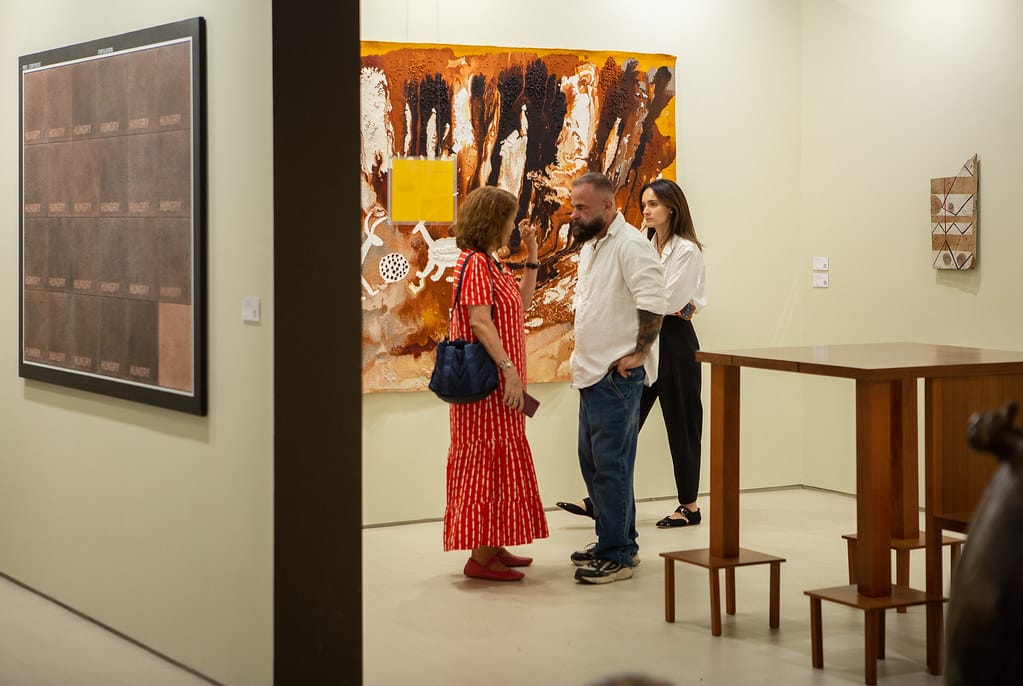
Elsewhere, the darkly ironic drawings of Denilson Baniwa at A Gentil Carioca challenged the very idea of cosmopolitanism — in Brazil, a concept historically rooted in the colonization of Indigenous people and land, slavery, and European cultural hegemony. Based on archival research in American and European ethnographic museums, Baniwa’s drawings play on stereotypical Western notions of Indigenous practices, such as cannibalism, a nod to the theorist Oswald de Andrade’s influential 1928 “Manifesto Antropófago.”
Considered together, this year’s fair reflected the strength of Brazilian art not only in its renewed proximity to its Latin American counterparts, or intermittently yet steadily growing links to art-market centers, but also in its distinct regional dialects.