US and Israel Strikes Damage 17th-Century Palace in Isfahan
The Safavid-era Chehel Sotoun palace, known for its richly detailed frescoes, is among several landmarks impacted in the recent attacks.

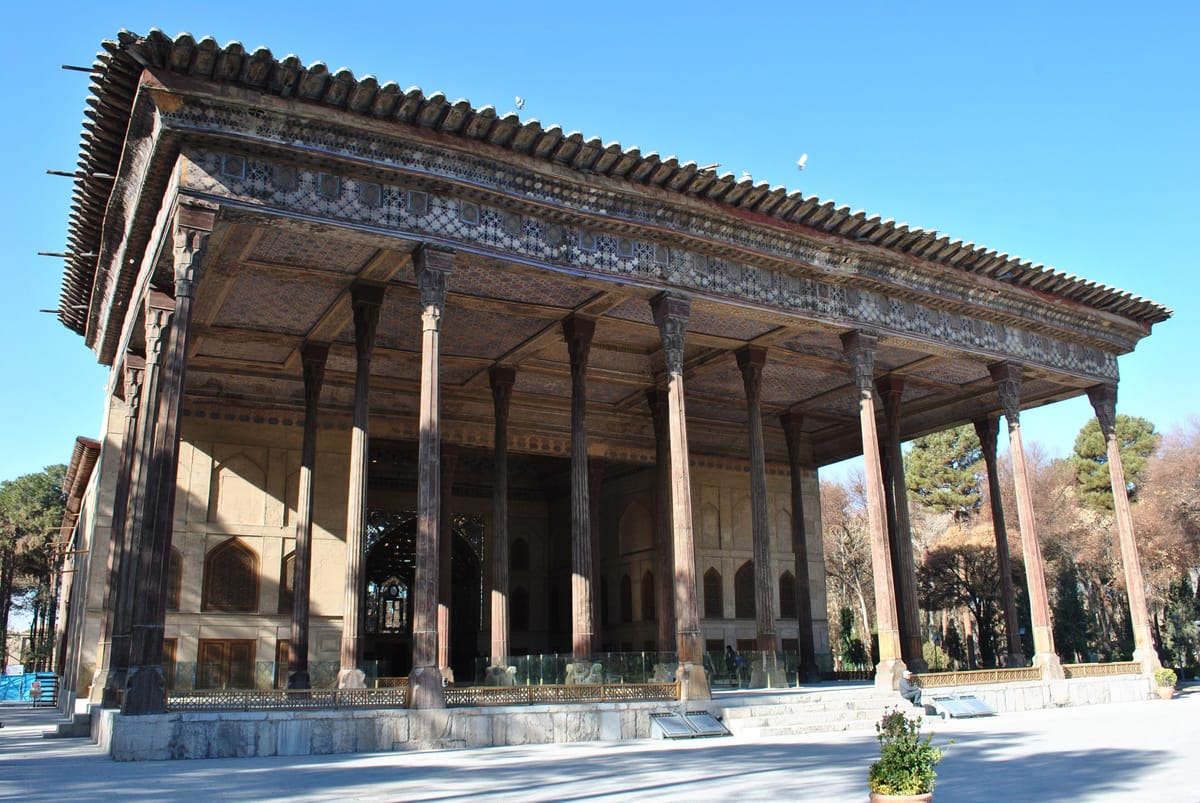
Israeli and United States forces have taken aim at the city of Isfahan in the second week of their joint war on Iran, with strikes reportedly damaging several centuries-old palaces and buildings that functioned as cultural and tourism centers.
While Isfahan is known for its dynastic architecture and craftwork as the former Persian capital during the Safavid Empire, the city and its namesake province are modern-day hubs for Iran's industrial and military infrastructure, and are believed to house much of the uranium for its nuclear program.
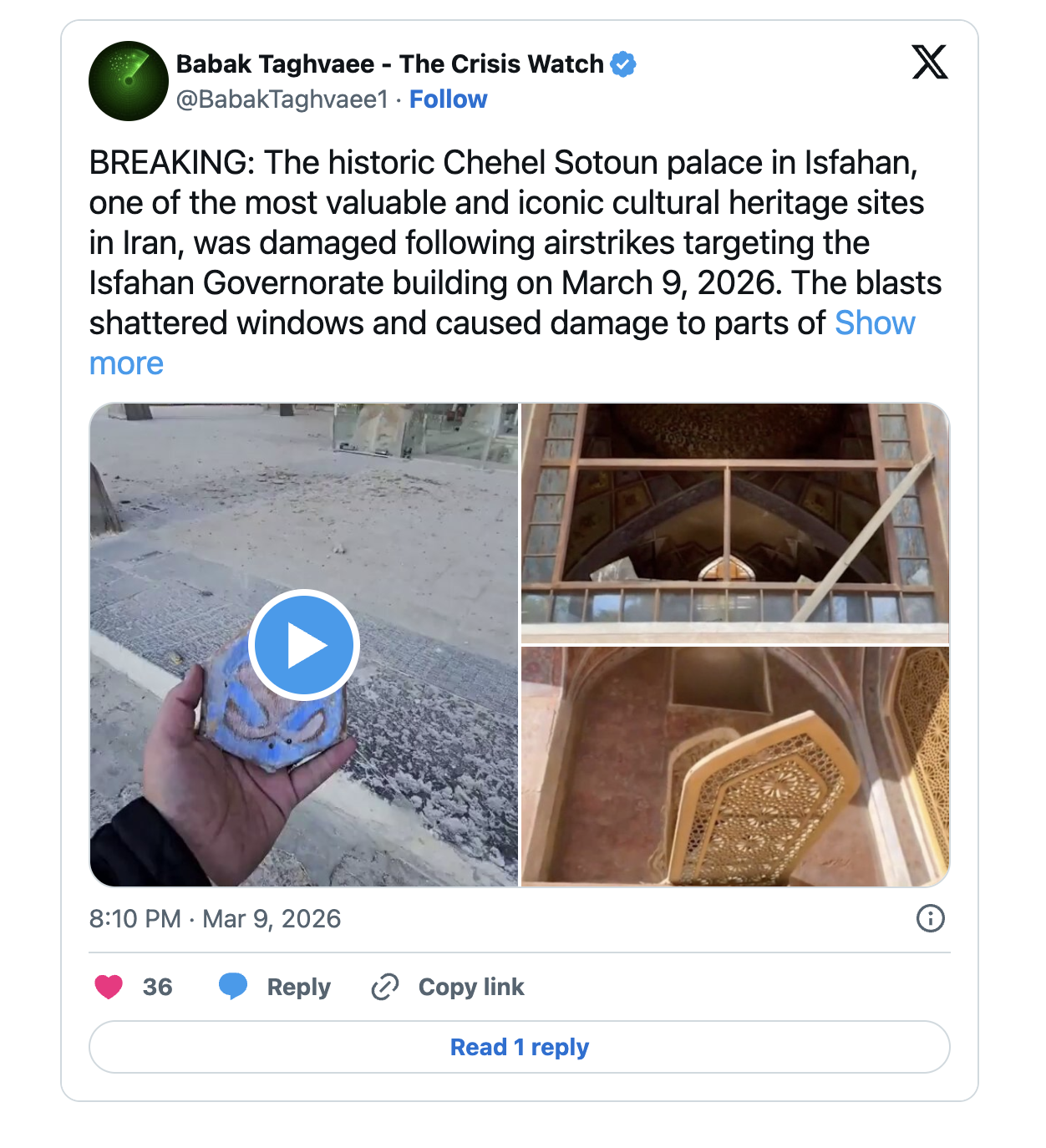
Iranian news outlet WANA Agency reported that various elements of the 17th-century Chehel Sotoun palace were damaged amid strikes on the adjacent provincial government building near the city's central public square on Monday, March 10. Initial videos indicate that while the structure of the palace itself appears intact, the blasts have shattered the glass windows, the intricate khatam inlays vividly decorating the walls and honeycomb-esque vaulted muqarnas ceiling, and cracked several Persian miniature-style murals.
More than 1,000 people have been killed since the US and Israel launched initial attacks on February 28, primarily in Iran and Lebanon. Varying reports estimate that between 20 and 60 people were killed in Isfahan province.
The Chehel Sotoun palace, known for its meticulously detailed frescoes, was added to UNESCO's World Heritage list in 2011 as one of nine gardens that make up the Persian Garden. Commissioned by Safavid Shah Abbas the Great and completed by his secondary successor, Shah Abbas II, in 1647, the palace was a royal site for entertainment, coronations, and the reception of foreign ambassadors. The palace takes its name, which translates to “forty columns,” from the reflection of its 20 columns in the enormous pool at its edge.
“This Safavid masterpiece is not only part of Iran’s cultural and civilizational heritage, but also a cultural treasure belonging to all humanity,” said Esmaeil Baqaei, a spokesperson for Iran's Ministry of Foreign Affairs, in a statement on X earlier today.
The attacks on Isfahan's government complex and surrounding cultural heritage sites come one week after shockwaves from an Israeli-US strike on the capital city of Tehran seriously damaged the Qajar-era Golestan Palace.
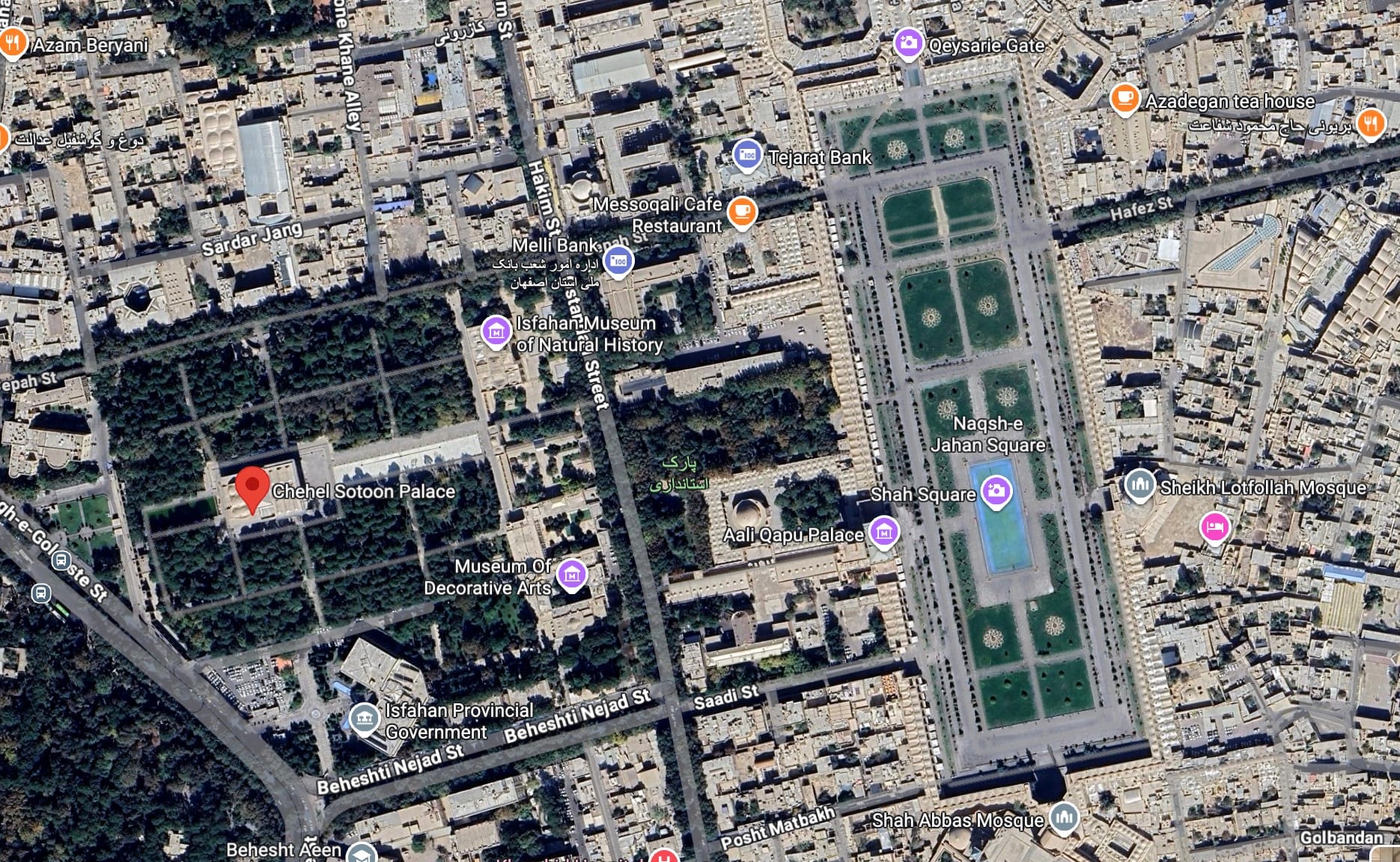
News outlet IranWire also reports that neighboring sites surrounding the provincial government building and the palace have been damaged, including the restored Rakib-Khaneh building housing the city's Museum of Decorative Arts, the Talar-e Teimuri hall housing the Natural History Museum, and the Museum of Contemporary Art's ceiling — the last of which is said to have sustained a partially collapsed ceiling.
Opposite the government and museum complex is Nashq-e Jahan public square, recorded as Meidan Emam on UNESCO's World Heritage list as of 1979. Several dynastic masterpieces line the perimeter of the Safavid-era plaza, such as the Masjed-e Shah (Royal Mosque), the Sheikh Lotfollah Mosque, the Ali Qapu palace, and the historic Qeysarie gate.
Iranian media outlets reported that the Ali Qapu palace's windows, along with those of various handicraft bazaars and neighboring art galleries, were shattered during the blasts near the square.
The Israeli military stated that the combined strikes across Tehran, both the city and province of Isfahan, and the south-central city of Shiraz targeted Iran's military infrastructure to prevent or limit retaliatory attacks. Strikes on fighter jets and airbases, suspected missile sites, and warehouses for the sanctioned drone production company Shahed Aviation Industries were among the reported attacks across Isfahan.
The recent attacks have been condemned by scholars and cultural figures, including Assal Rad, a historian of the modern Middle East and fellow at the Arab Center in Washington, DC, who shared a video of the Chehel Soutun destruction on X.
“Apparently destroying a people’s cultural heritage is part of liberating them,” Rad wrote.