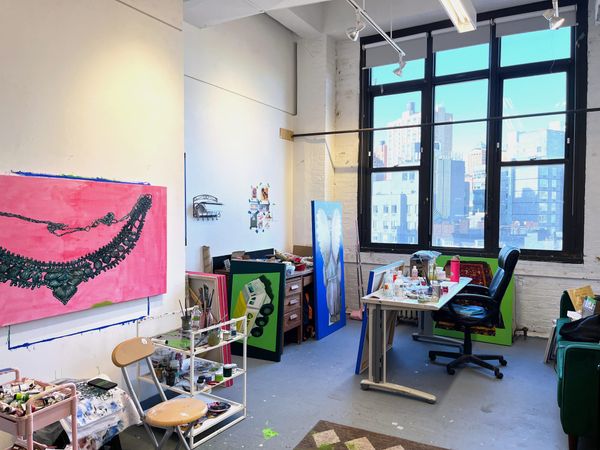
What If Every City Provided Artists With Free Supplies?
Materials for the Arts offers free tools for teachers and artists in New York, but what if more cities funded programs like ours?

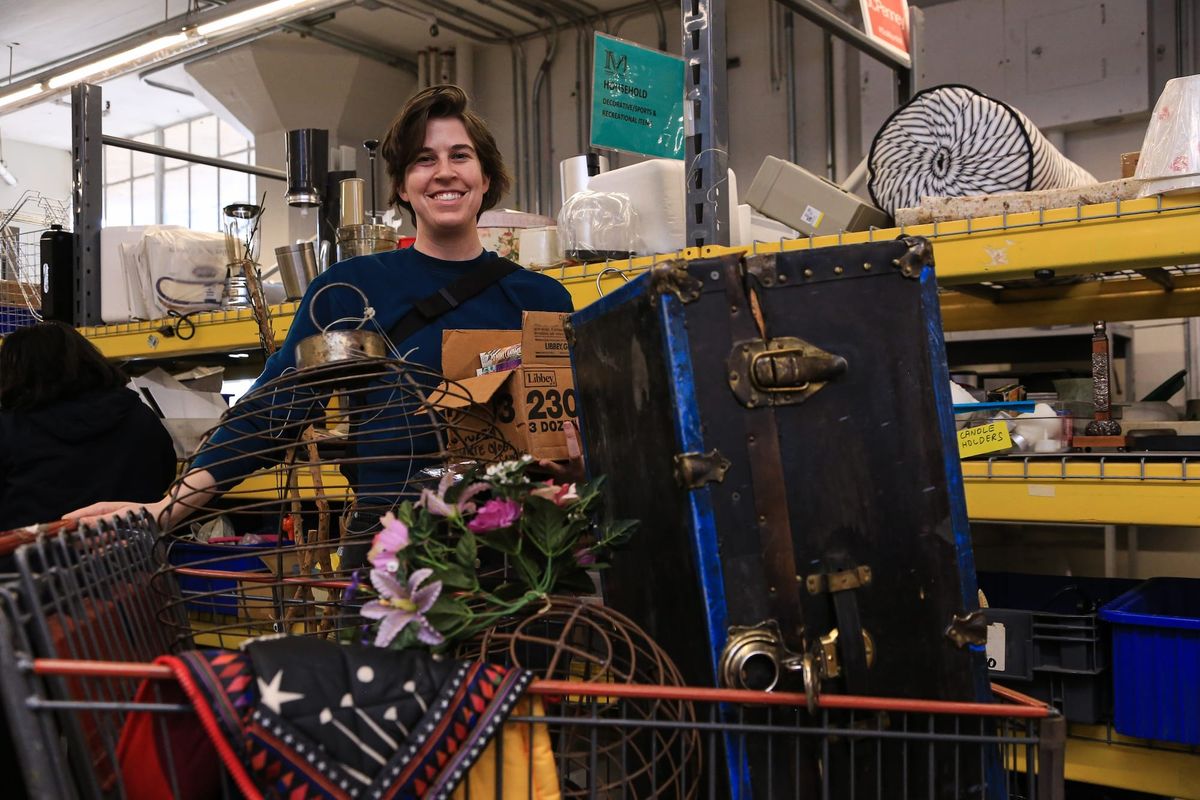
When the David Prize recently asked if I could record a segment of What’s the Big Idea, a series that asks leaders about their visions for New York City, mine was crystal clear: a Materials for the Arts (MFTA) in all five boroughs.
A program of the Department of Cultural Affairs, MFTA is New York City’s largest reuse center supporting nonprofits with arts programming, public schools, social justice and social service groups, and City agencies across all five boroughs with free art supplies. We were founded by visionary artist Angela Fremont in 1978 under the leadership of commissioner Henry Geldzahler during Ed Koch’s mayoral administration. Almost half a century later, Materials for the Arts remains a beloved and celebrated program.
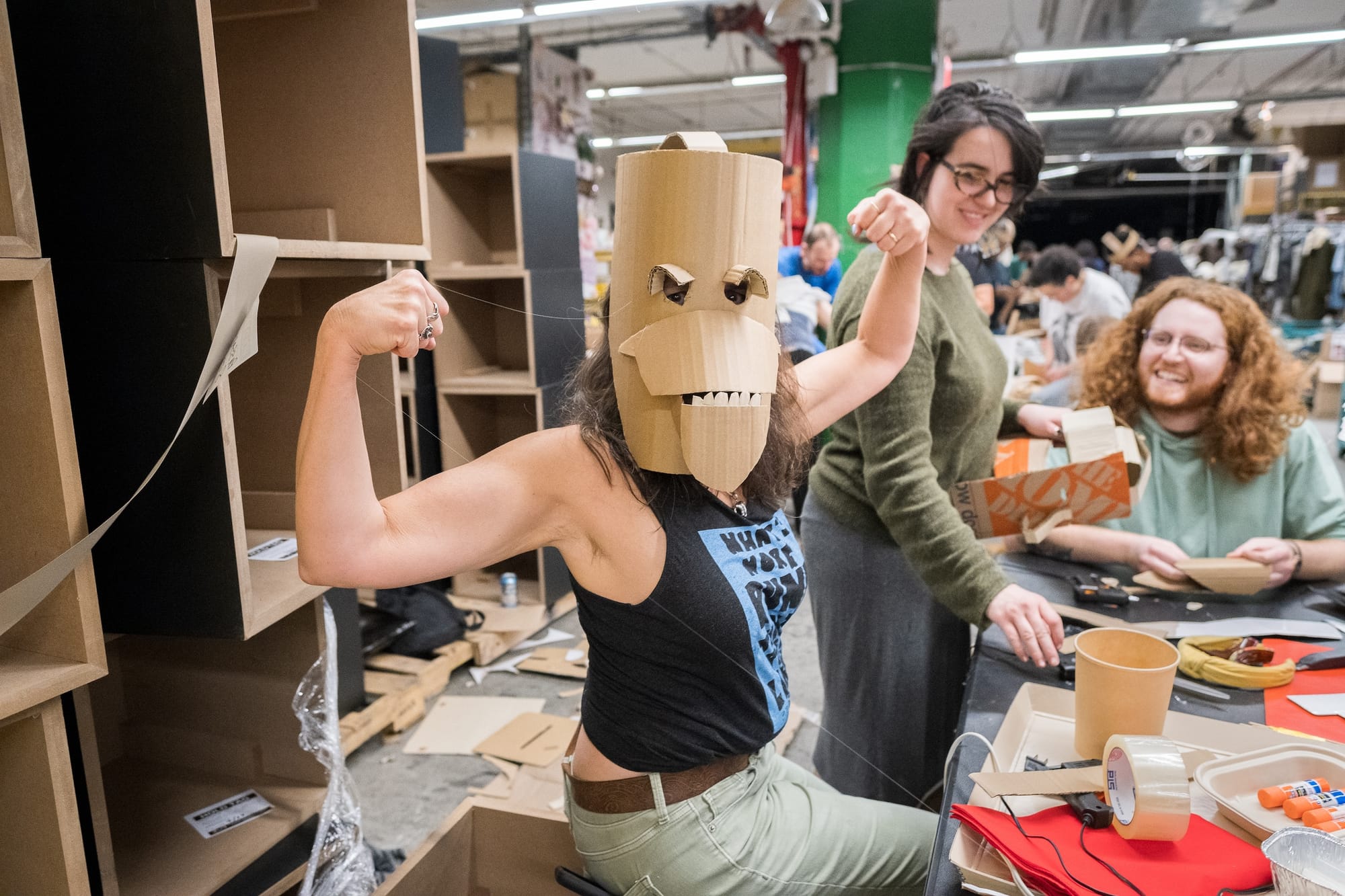
My ambitious vision for expansion, although hypothetical, opened a floodgate of social media comments, requests, and even a few complaints (not enough parking). Offers came in to host an MFTA in nonprofit spaces around the city; questions about when, where, and how folks could help trickled in; and now, we’ve gotten requests for parking reimbursement on shopping days (see: not enough parking).
This enthusiasm underscores the value of our program for those in New York City’s arts and cultural sector, from art and design students from Parsons, Pratt, and the Fashion Institute of Technology to elementary school teachers from schools like PS91X in the Bronx and PS135 in Queens; from sculptors, painters, and cultural workers in the Whitney Museum’s Education Program and Martha Graham Dance Company to the Laundromat Project’s artist cohort.
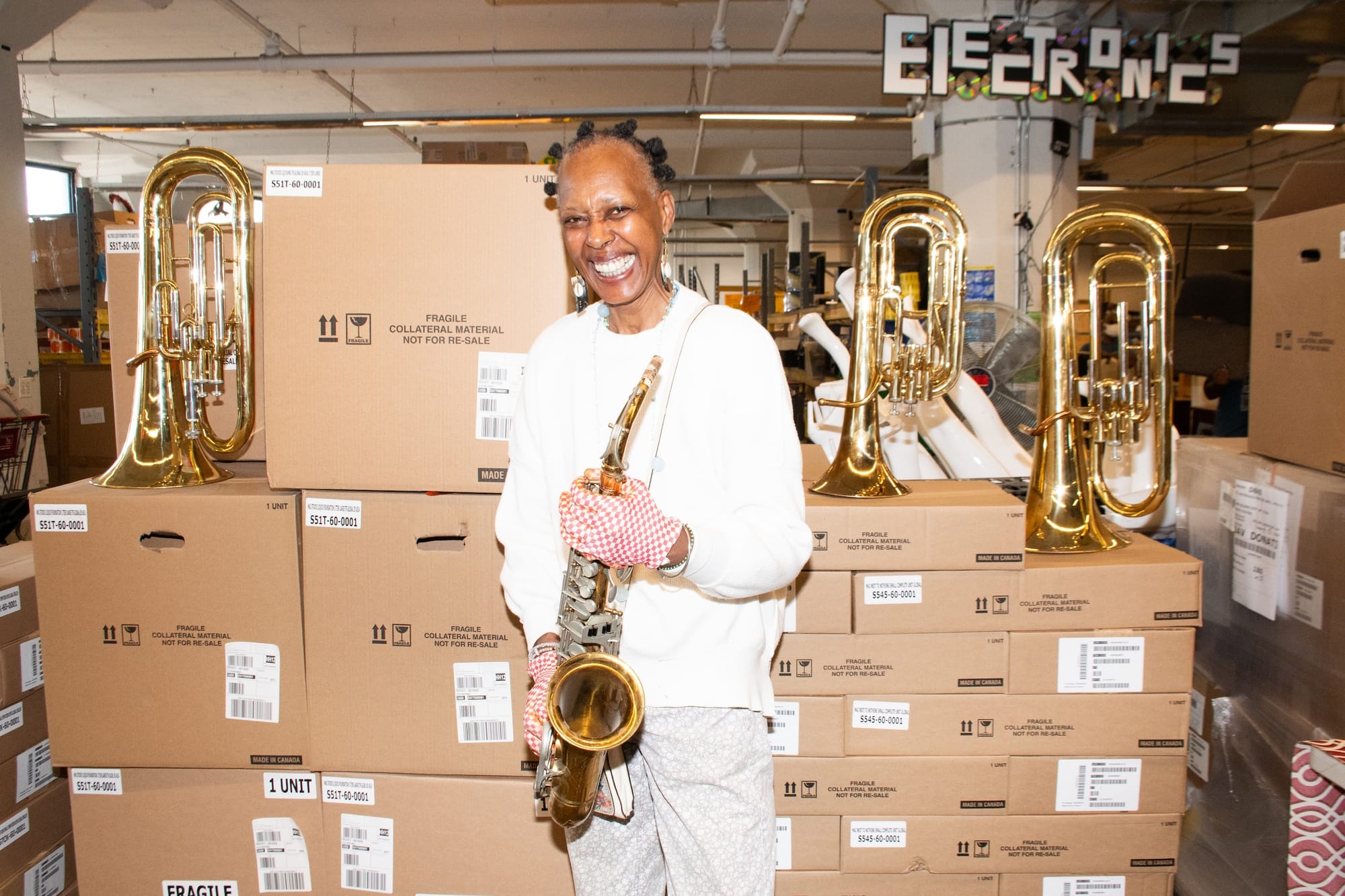
Based in Long Island City with a staff of 20, MFTA supports a membership base of over 4,500 organizations, providing unconventional art materials and tools of many trades like mannequins, fabric, frames, paper and vinyl, paint, plinths and pedestals, hardware, and lighting equipment. Over the past two years, MFTA diverted over eight million pounds of materials valued at over $40 million dollars from landfill, re-allocating these items to the arts, education, and cultural communities across NYC. We offer two shopping days each week and late-night shopping for teachers, many of whom lack the funding and support to source supplies through their school districts. Our special liquidation events open off-site warehouse spaces and give away incredible inventory from film, television, and Broadway productions (through a partnership with the Mayor’s Office of Media and Entertainment), while an online marketplace connects donors directly with recipients to provide large, unique items that never even touch the warehouse floor. MFTA supplies have featured in Abigail DeVille’s critically acclaimed sculpture “Light of Freedom” (2020) at Madison Square Park; Machine Dazzle’s stunning 2022 costume exhibition at the Museum of Arts and Design; Malinxe (2024) starring Marisa Demarco and Jeffrey Gibson, which premiered at the Prototype Festival; and Amanda Phingbodhipakkiya’s installation “Tender Commons” (2025) at the Museum of Modern Art, among other works of art.

Even so, our work fulfills only a small fraction of the city’s needs. New York is currently facing a devastating affordability crisis, one that is animating the work of Zohran Mamdani’s administration and is rightly driving so much of our collective conversation, particularly with regard to arts education and the skyrocketing costs artists face.
In this challenging landscape, many artists and organizations rely on programs like MFTA to survive. Several like-minded organizations and leaders from around the world, such as Creative Chicago Reuse Exchange, RINNE for City of Tokyo Founder and CEO Sachiyo Kojima, Art Gallery Burlington in Ontario, and Hanseatische Material Verwaltung in Hamburg, Germany, have visited our 35,000-square-foot warehouse to see our city program’s far-reaching impact.
With crises of affordability and climate change affecting communities around the world, our mission is more urgent and relevant than ever. The future seems to point to not only expanded possibilities for MFTA across the five boroughs, but also what the country and world might look like with affordable, sustainable supplies for artists in every major city. Until then, we will continue to sustain the local cultural landscape while keeping millions of pounds of artistic tools out of our landfills.