10 Art Shows to See in DC This Spring
Nick Cave links landscapes and race, Mary Cassatt in Paris, Joan Danzinger’s sculpted universe, America through the eyes of its artists, and more.

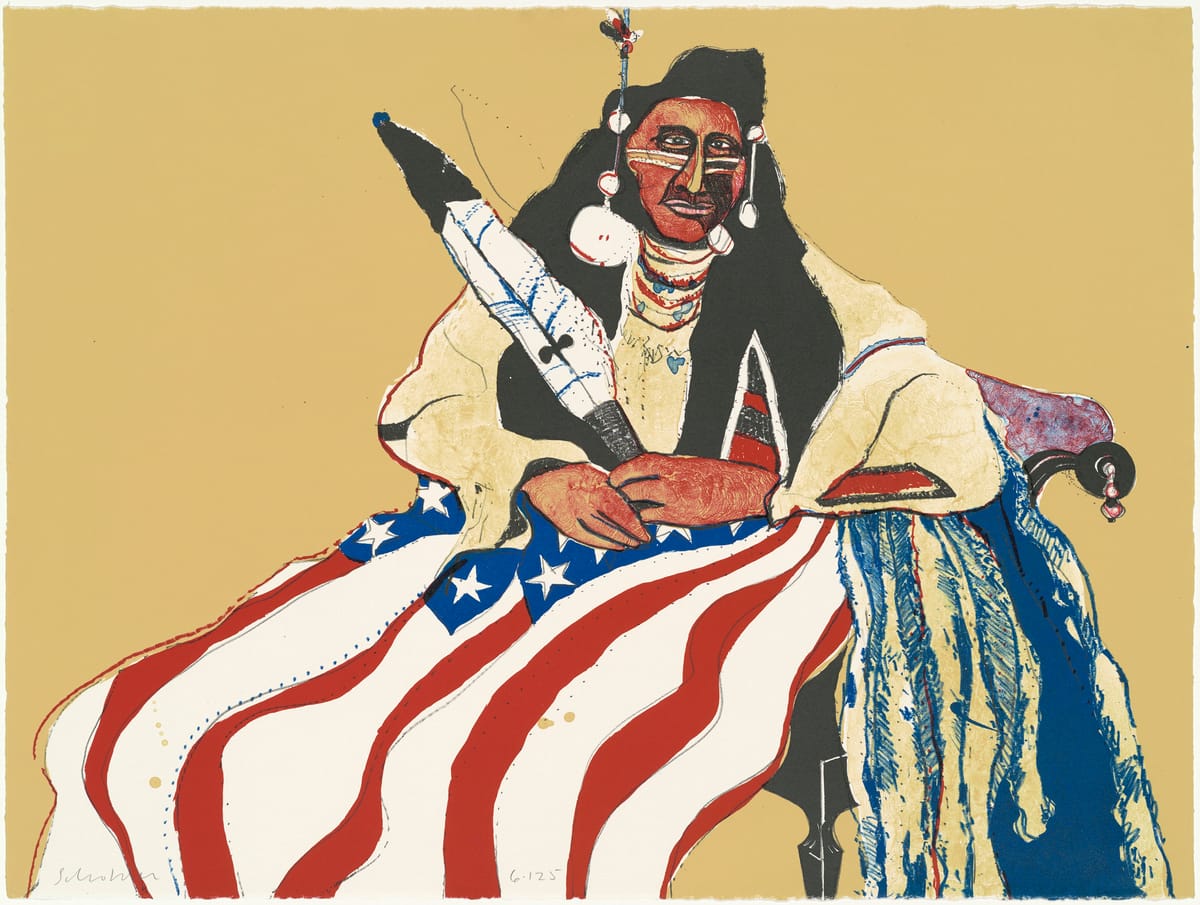
As the United States prepares to celebrate its 250th birthday amid attacks on civil liberties and marginalized communities, museums and galleries in the nation’s capital are opening exhibitions that question what it means to be an American. The National Gallery of Art presents 115 works in Dear America while other shows focus on individual artists such as Mary Cassatt and Nick Cave, all in the pursuit of exploring “Americanism” as a facet of education, expression, and aesthetics. Meanwhile, exhibitions like Making Their Mark at National Museum of Women in the Arts complicate the idea that “American” is a uniform, monolithic identity, instead critiquing it as a social, racial, and gendered construction. Amid an urgent moment in American art and culture, art in the capital city this spring asks us to look at ourselves as works of cultural creation — and in doing so, to complicate our attachment to and belief in national identity.
Diana Al-Hadid: unbecoming
Maria and Alberto de la Cruz Gallery, 3535 Prospect Street NW, Washington, DC
Through April 12
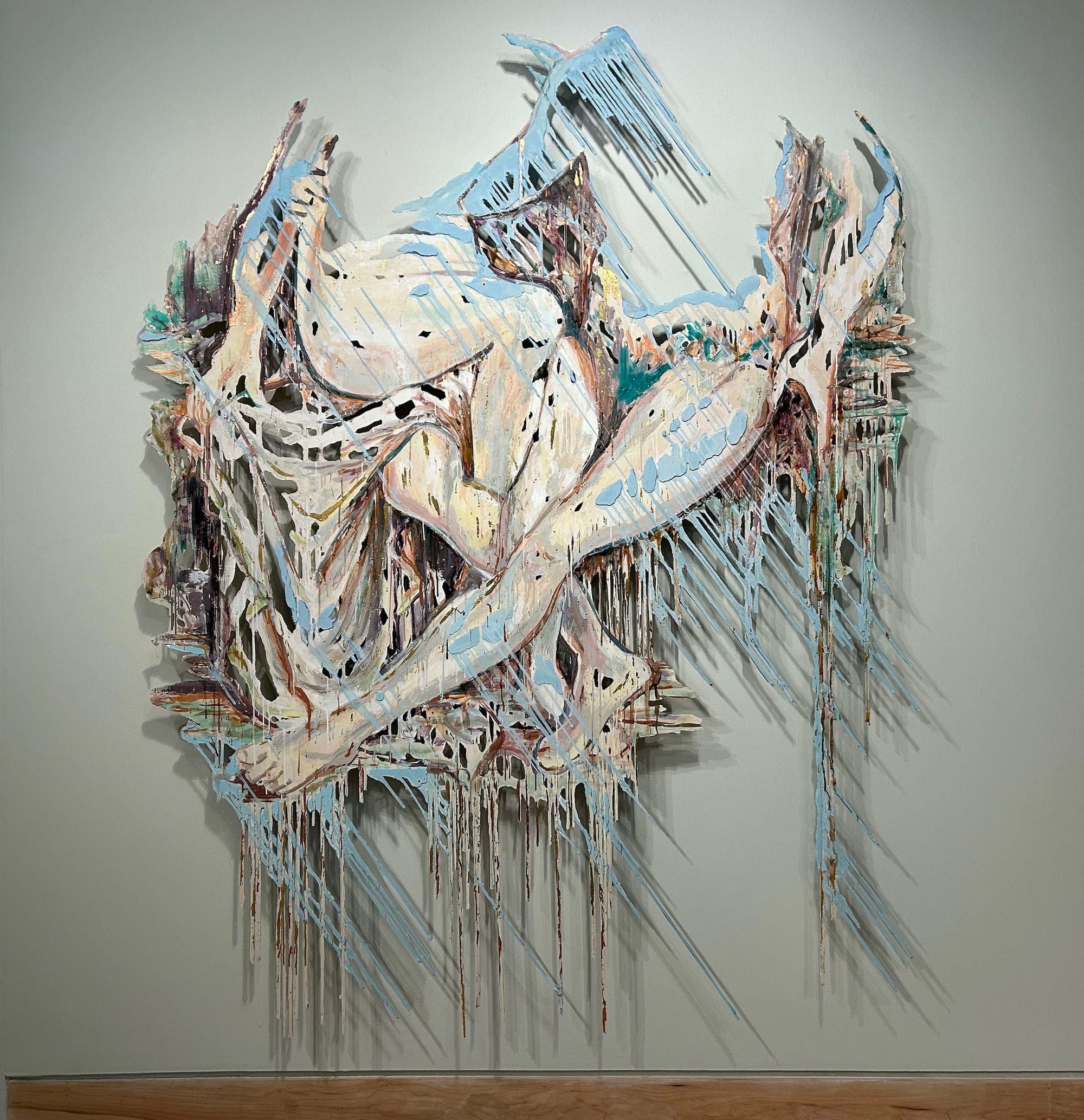
In this timely exhibition, Diana Al-Hadid explores the potentials of embracing a term that many women are called at least once in their life: “unbecoming.” Al-Hadid was born in Syria and moved to the United States as a child, and she draws on her education in art history and Greek mythology to extrapolate on the construction and boundaries of femininity. Pay special attention to Al-Hadid’s lithography “Hindsight” (2020) that reimagines Hans Memling’s painting “Allegory of Chastity” (1475). It is one of several works in her exhibition that eviscerates both racist beauty standards and purity culture, deconstructing gendered expectations to their very core.
The Magical World of Joan Danziger
American University Museum at the Katzen Arts Center, 4400 Massachusetts Avenue NW, Washington, DC
Through May 17
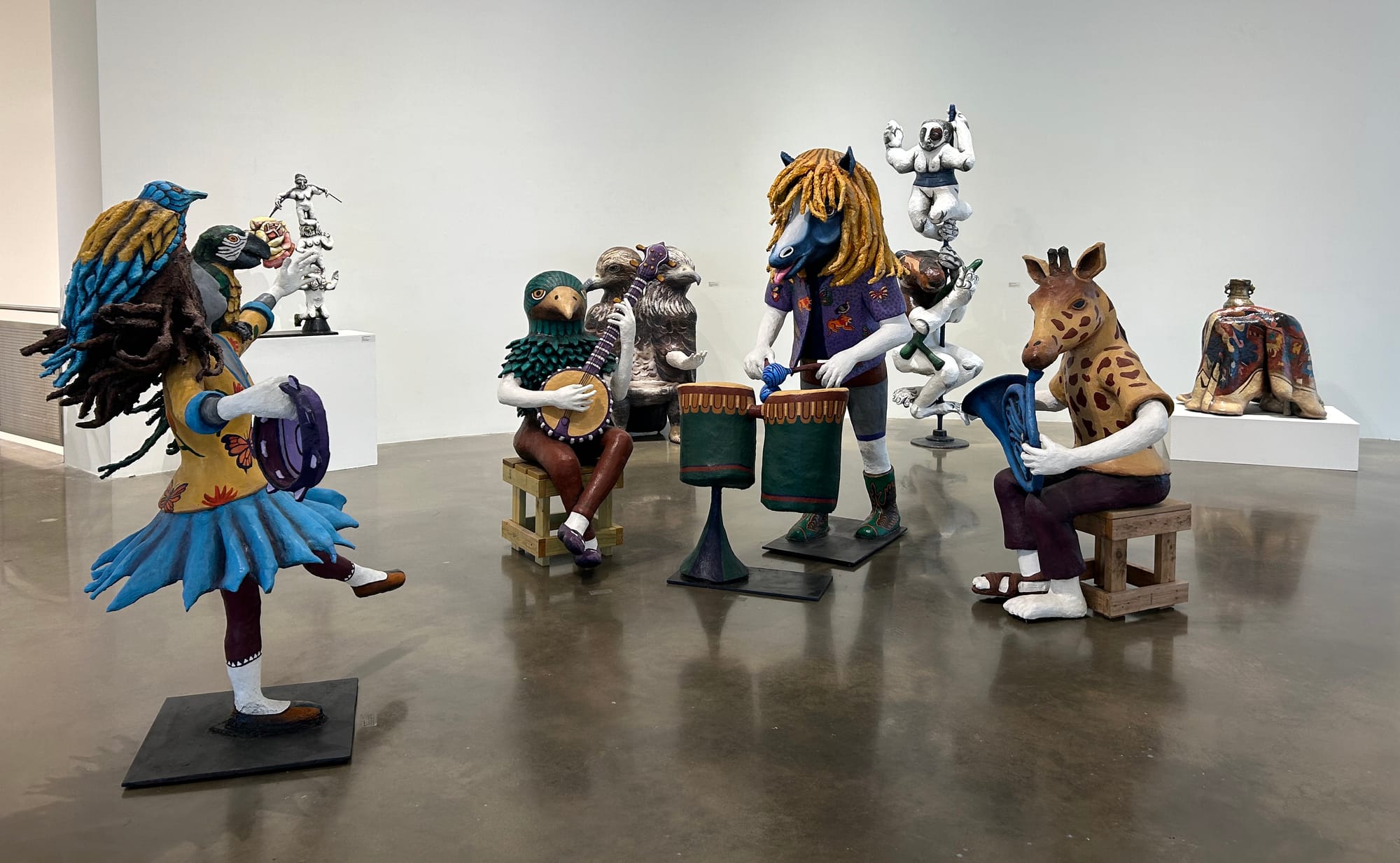
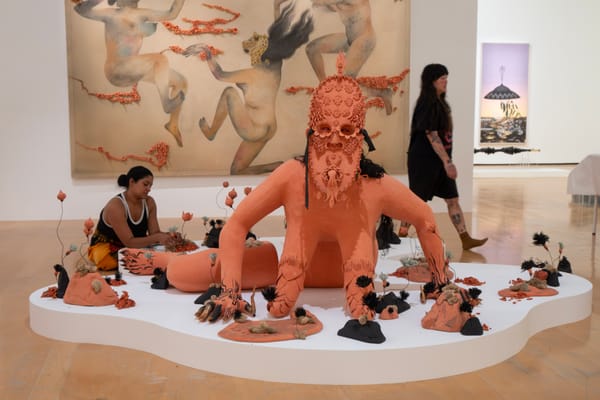
Joan Danziger has been working in the DC area since 1968. In her largest exhibition to date, Danziger showcases her pioneering work in surrealist sculpture. Although originally an abstract painter, her arrival in DC precipitated her visualization of fictitious worlds and figures out of glass, wire, and clay. Visitors feel as if they have stepped into a dreamscape gallery full of people, animals, and critters that burst out of the space.
The Outwin 2025: American Portraiture Today
National Portrait Gallery, 8th Street NW and G Street NW, Washington, DC
Through August 30
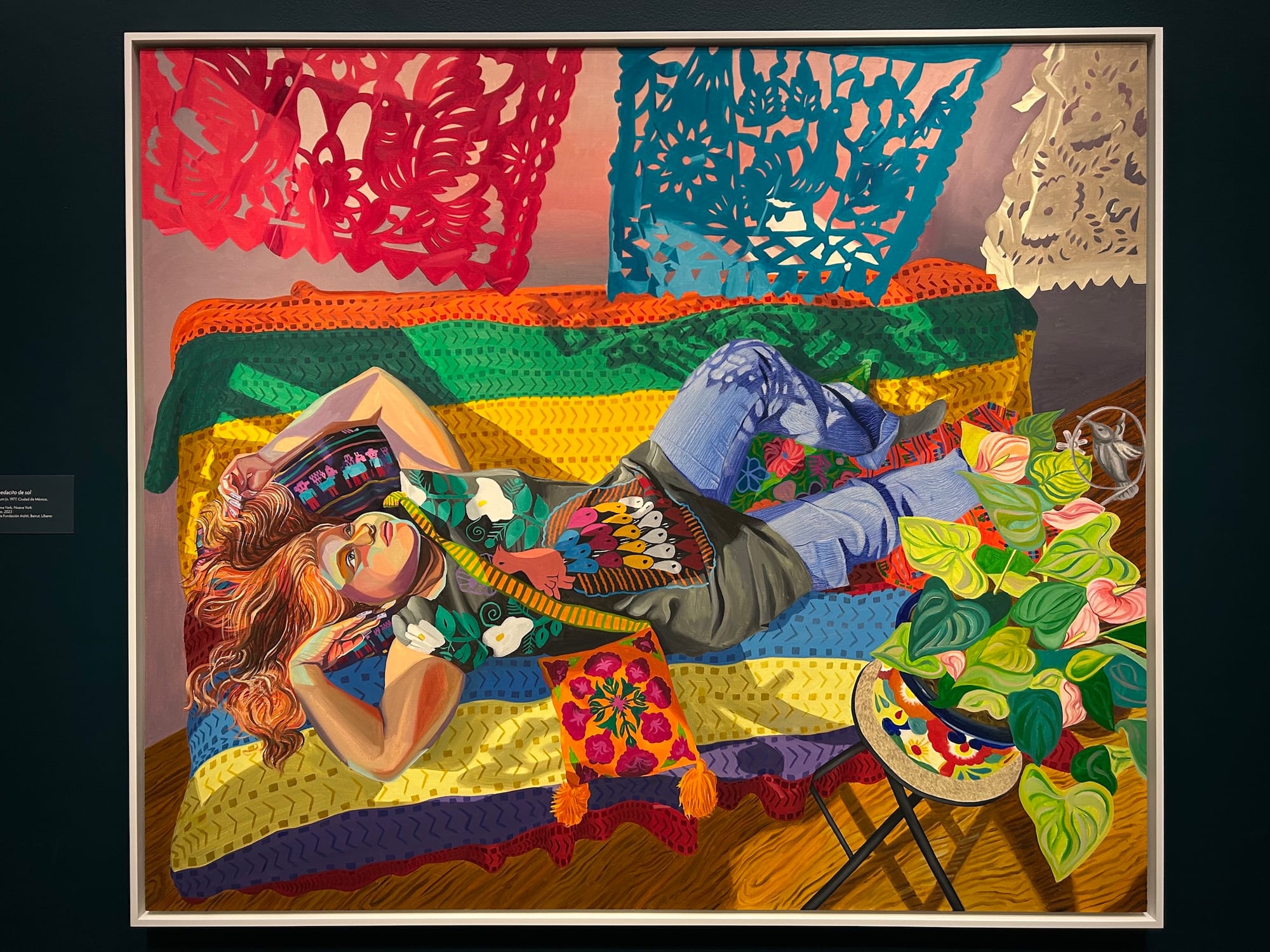
This year’s edition of the triennial Outwin Boochever Portrait Competition features the work of 35 artists living and working across 12 different states. Its second prize winner, Jared Soares, highlights DC as a rich artistic center through his photograph of a Marylander who was falsely accused on the basis of facial recognition software. Taken together, his work and others on display comprise a study of American perceptions and assumptions based on prejudice and fraught technologies of surveillance.
Mary Cassatt: An American in Paris
National Gallery of Art, Constitution Avenue NW, Washington, DC
Through August 30
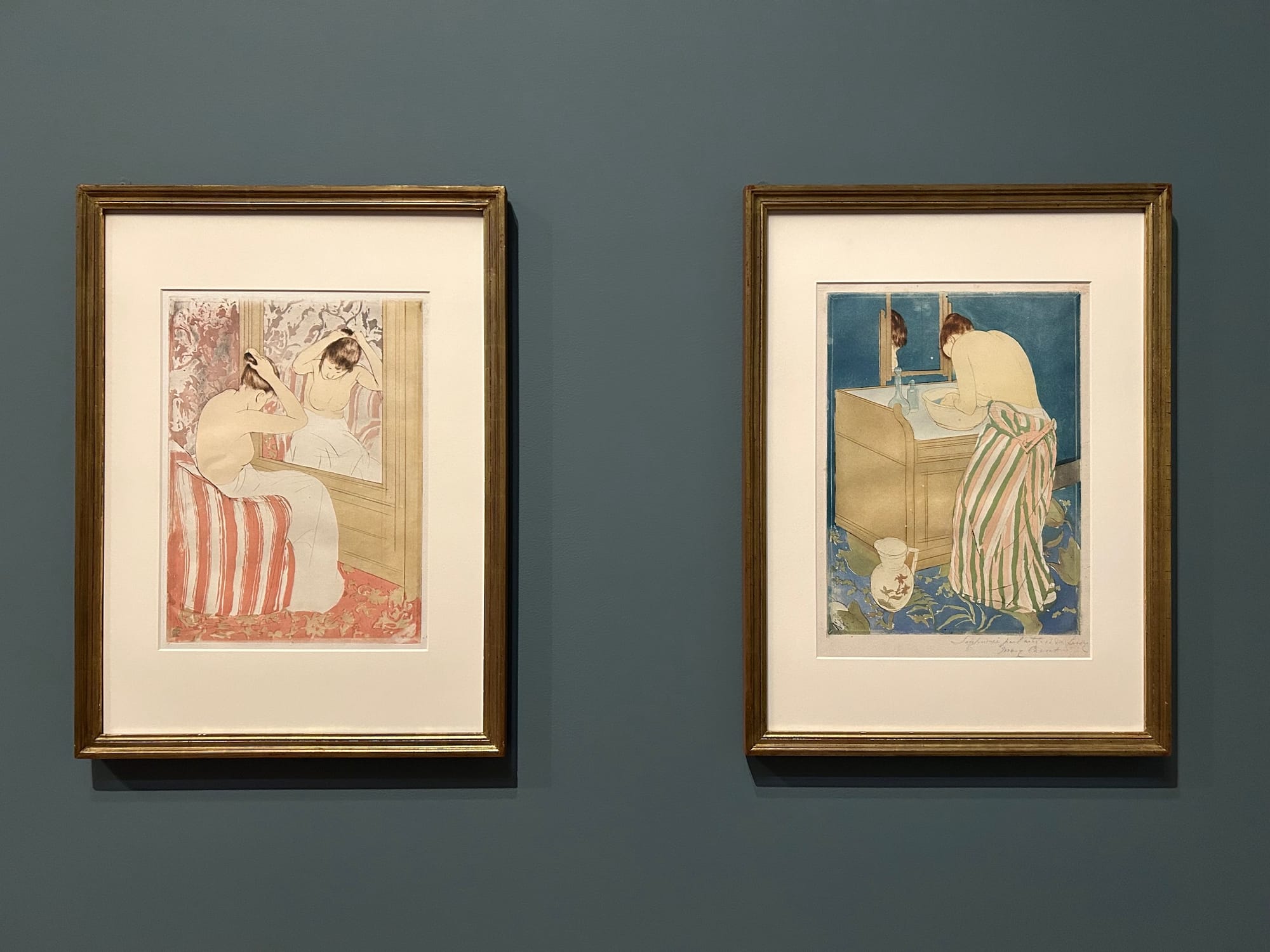
This display of 40 works by Cassatt is a welcome examination of her expansive gaze and ingenuity, including and beyond her beloved mother-child vignettes. An American in Paris surveys her prowess not only in painting but also in printmaking, which she undertook after visiting a show of Japanese prints in Paris. In this exhibition, Cassatt invites the viewer into private, often women-only spaces and intimate depictions of personal care: a girl doing her hair, a woman washing her face, or a mother kissing her child.
Nick Cave: Mammoth
Smithsonian American Art Museum, 8th Street NW and G Street NW, Washington, DC
Through January 3, 2027
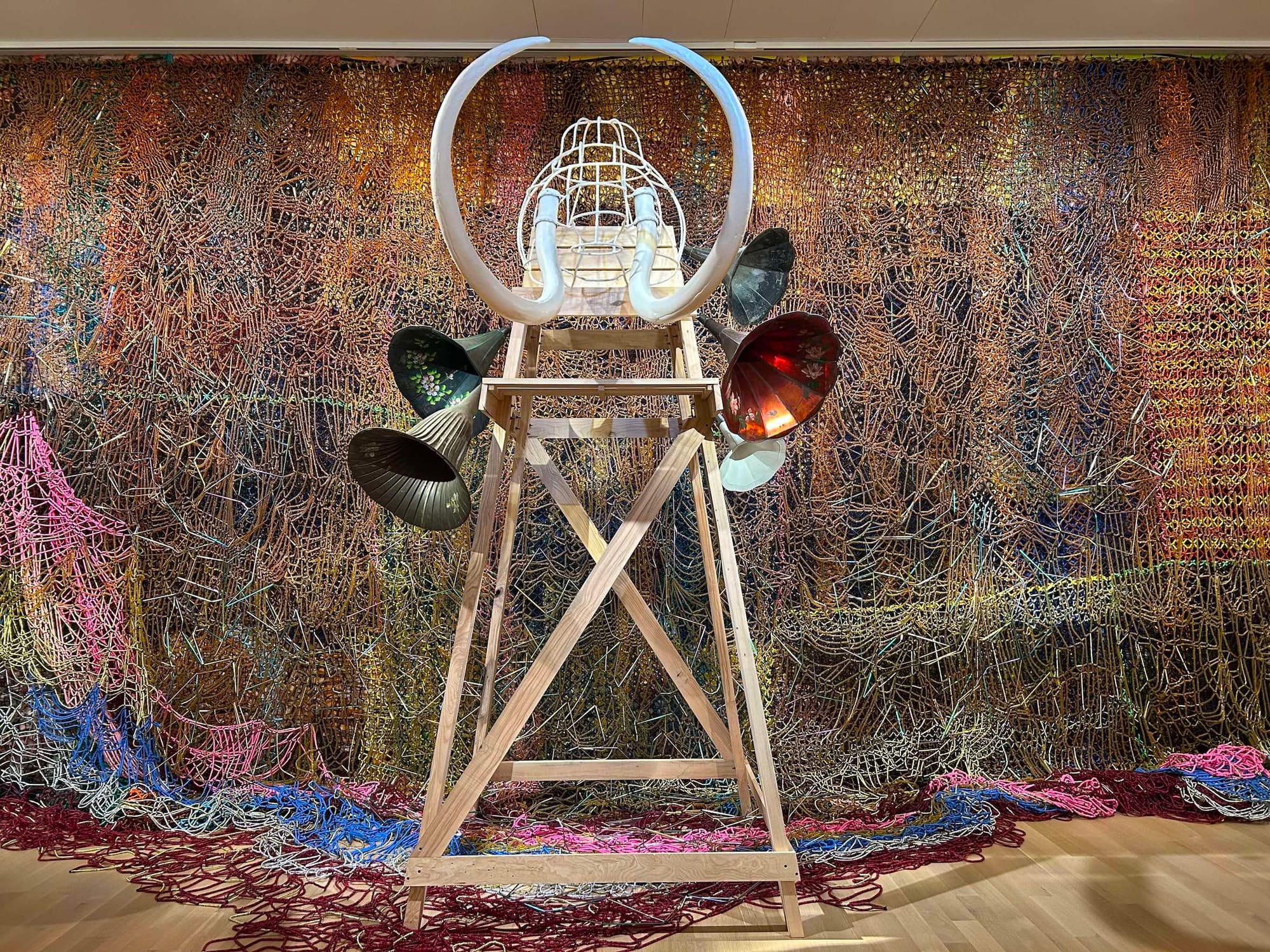
Nick Cave is perhaps best known for exploring identity, race, and gender through series including Soundsuits, which examines racialized police violence. In this new show, Cave turns his attention toward the natural world and how we negotiate our relationship to it. He explores the connection of American landscape to race, and social history to ecological narratives that transcend the country’s history. Visitors are transported into a world where long-extinct animals wander the Earth again, walking through an immersive installation framed by the hides and bones of mammoths.
Adorning the Horse: Equestrian Textiles for Power and Prestige
The George Washington University Museum and the Textile Museum, 701 21st Street NW, Washington, DC
February 21–June 20
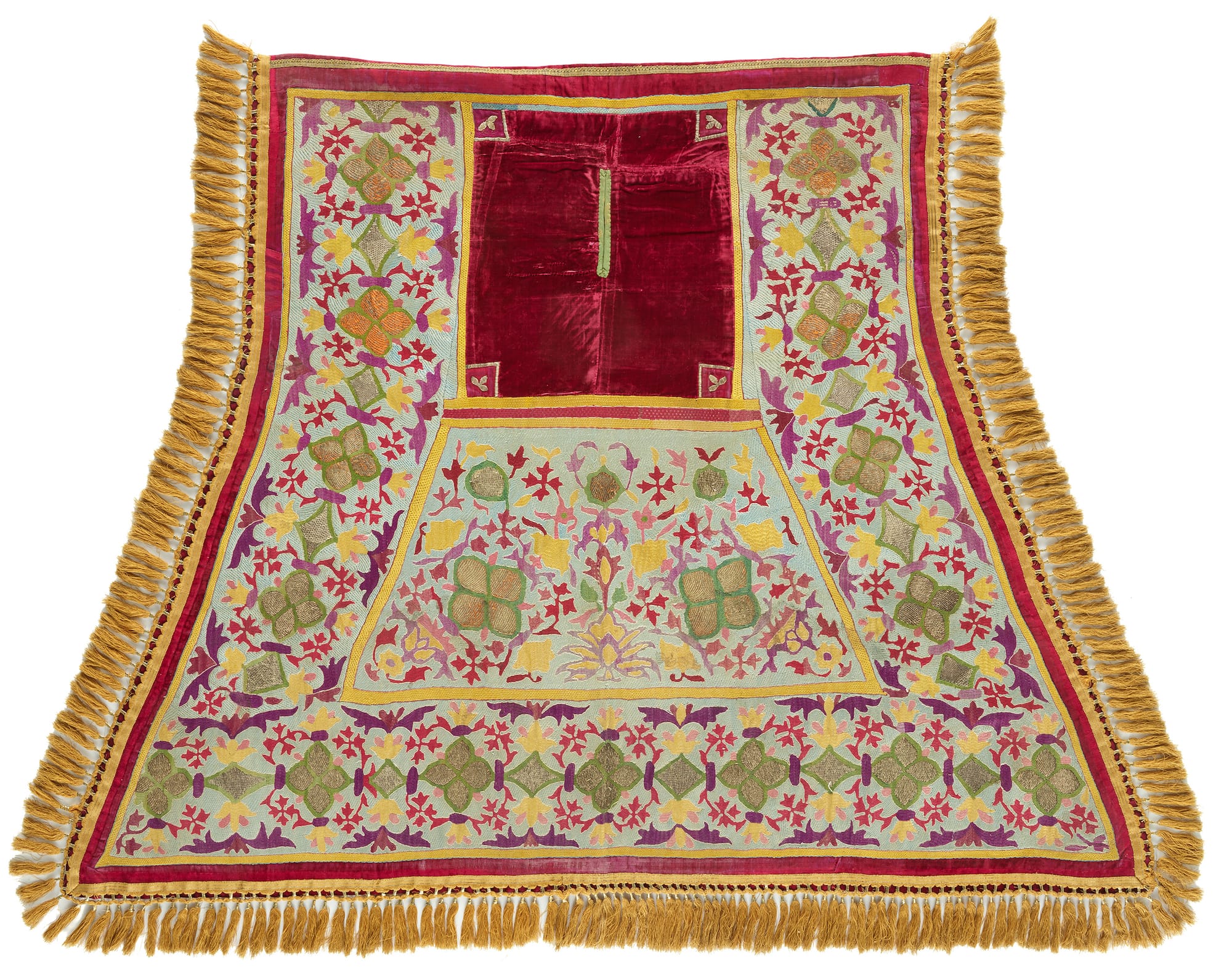
In honor of the Year of the Horse, the Textile Museum will display 60 of the 100 equestrian textiles made over the past millennia, donated by Allen R. and Judy Brick Freedman, that document how people from Turkey to Japan have honored and decorated their horses. The exhibition examines the political, economic, and geographic importance of horses across civilizations and time, as well as the ways in which domesticated horses hold immense personal meaning to their owners and are celebrated in the cultural imagination. On February 21, the same day that this exhibition opens to the public, the museum will celebrate Lunar New Year with a Year of the Horse Festival featuring performances by Greater Washington Chinese Dance.
Making Their Mark: Works from the Shah Garg Collection
National Museum of Women in the Arts, 1250 New York Avenue, NW, Washington, DC
February 27–July 26
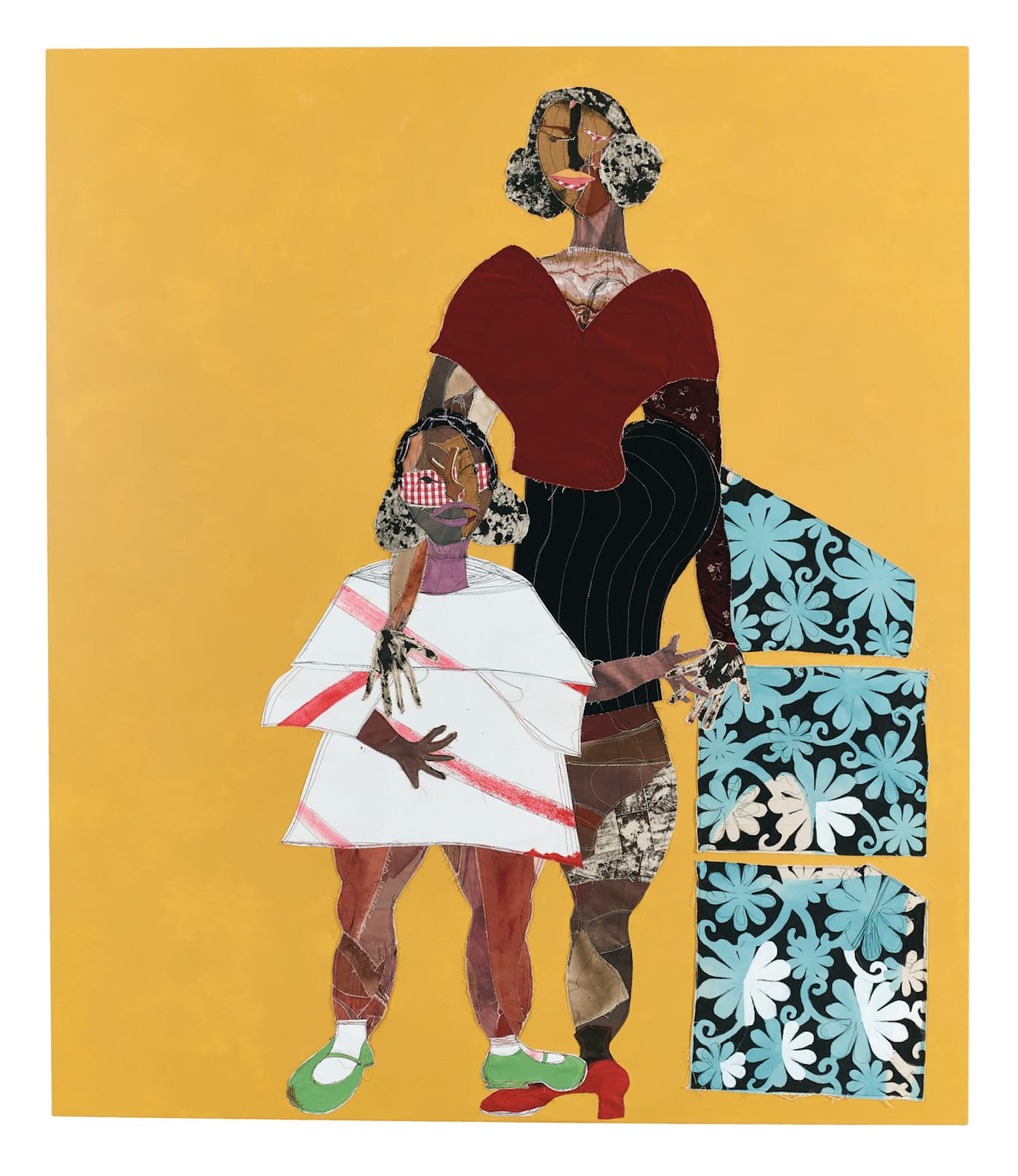
Abstraction as a field was pioneered and revolutionized by women, a simple truth that is too often obscured in narratives of art history. This exhibition offers a correction by showcasing works made between 1946 and today by almost 70 of the most influential women abstract artists of the 20th and 21st centuries, including Faith Ringgold, Tschabalala Self, Joan Mitchell, Cecily Brown, and Jaune Quick-to-See Smith. Shaped by seven themes — Gestural Abstraction, Luminous Abstraction, Pixelated Abstraction, Disobedient Bodies, Of Selves and Spirits, The Power of Form, and Craft is Art — it highlights the relationships and inspirations of and between artists from different generations, communities, and geographies.
Vishnu's Cosmic Ocean
National Museum of Asian Art, 1050 Independence Ave SW, Washington, DC
March 7–September 7
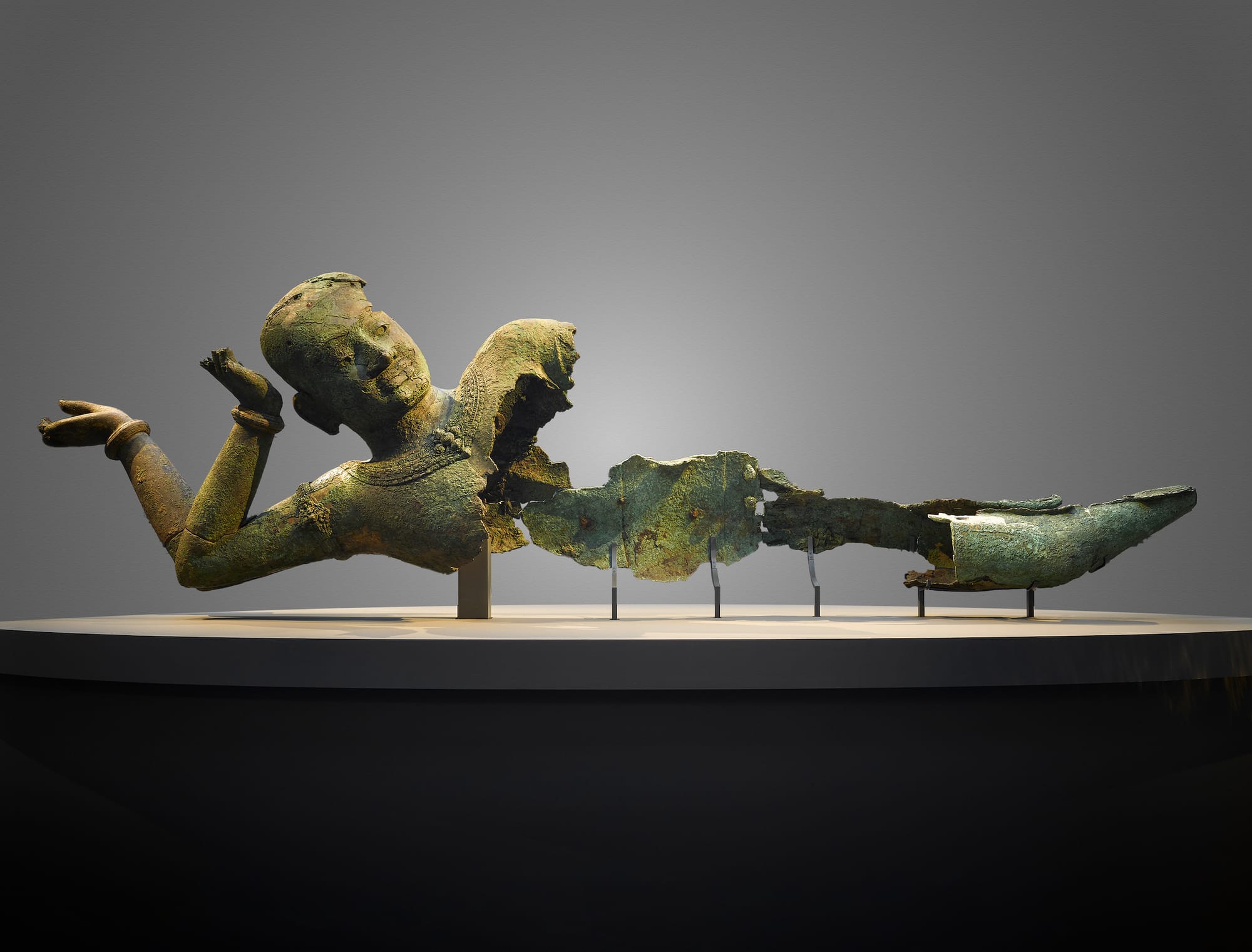
The largest bronze sculptures of the Hindu god Vishnu ever cast in Southeast Asia will be on view at the National Museum of Asian Art, marking its first full display in centuries. On loan from the National Museum of Cambodia, the sculpture has been pieced together by a team of international experts after it was discovered buried and broken in a pit in 1936. The nearly 20-foot-long sculpture is paired with a film by Cambodian-American director praCh Ly, which transports us to its home in a temple in the ancient city of Angkor. The film and exhibition explore the relationship between space and the sacred, part of the museum’s six-year initiative exploring religion and visual culture titled The Arts of Devotion. Visitors can attend the communal blessing ceremony for the exhibition led by monks from the Cambodian Buddhist temple Watt Buddhacheya Mongkol on March 7.
Miró and the United States
The Phillips Collection, 1600 21st Street NW, Washington, DC
March 21–July 5
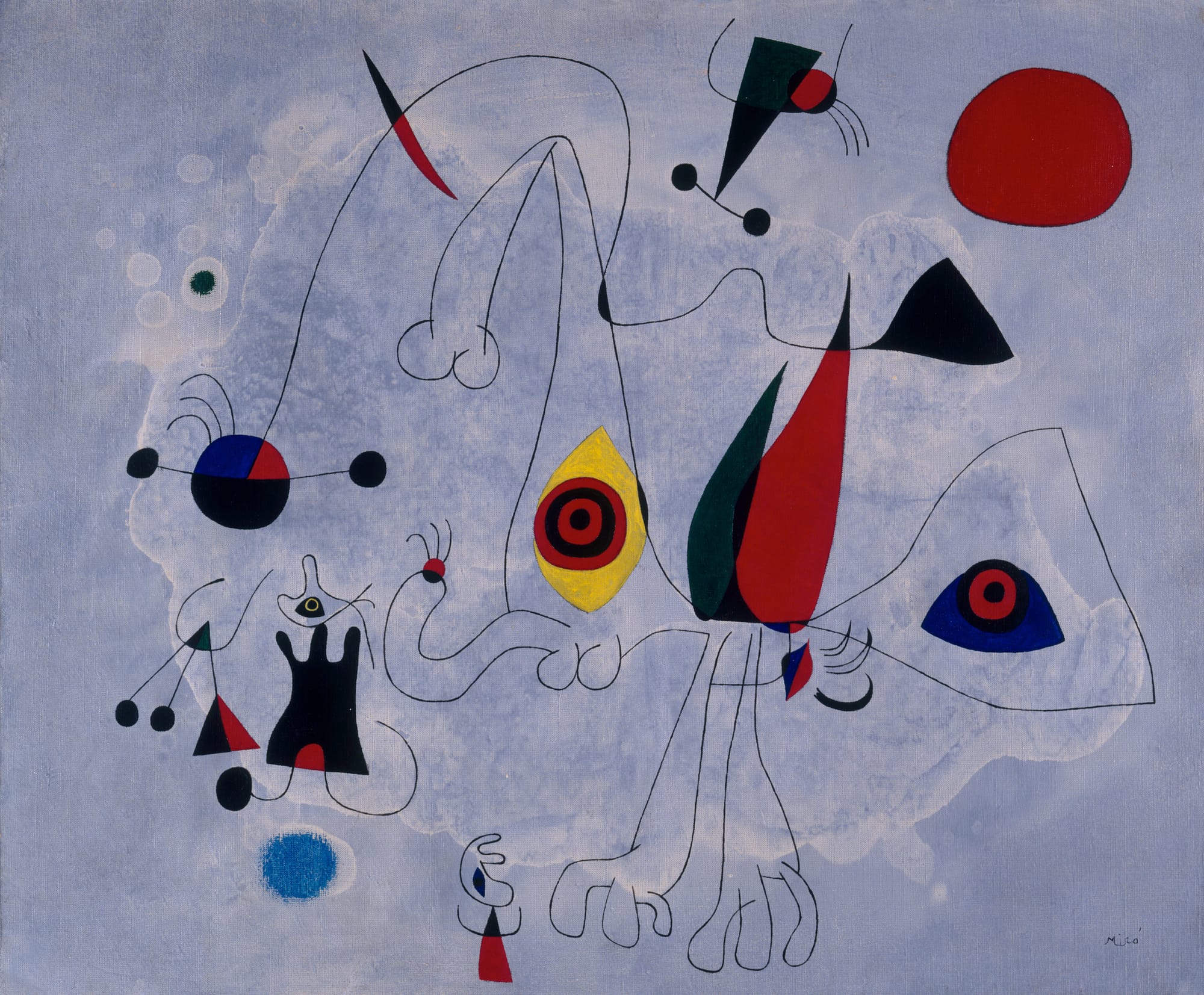
Joan Miró visited the United States seven times between 1947 and 1968, and this exhibition argues that his journeys informed how he viewed his art as a conduit for personal and communal liberation from the dictatorship in Spain. Organized in collaboration with Fundació Joan Miró in Barcelona, the show tells the story of his relationship with America through his own work and that of 30 American artists who interacted with him, from Lee Krasner to Norman Lewis to Alexander Calder.
Dear America: Artists Explore the American Experience
National Gallery of Art, Constitution Avenue NW, Washington, DC
April 11–September 20
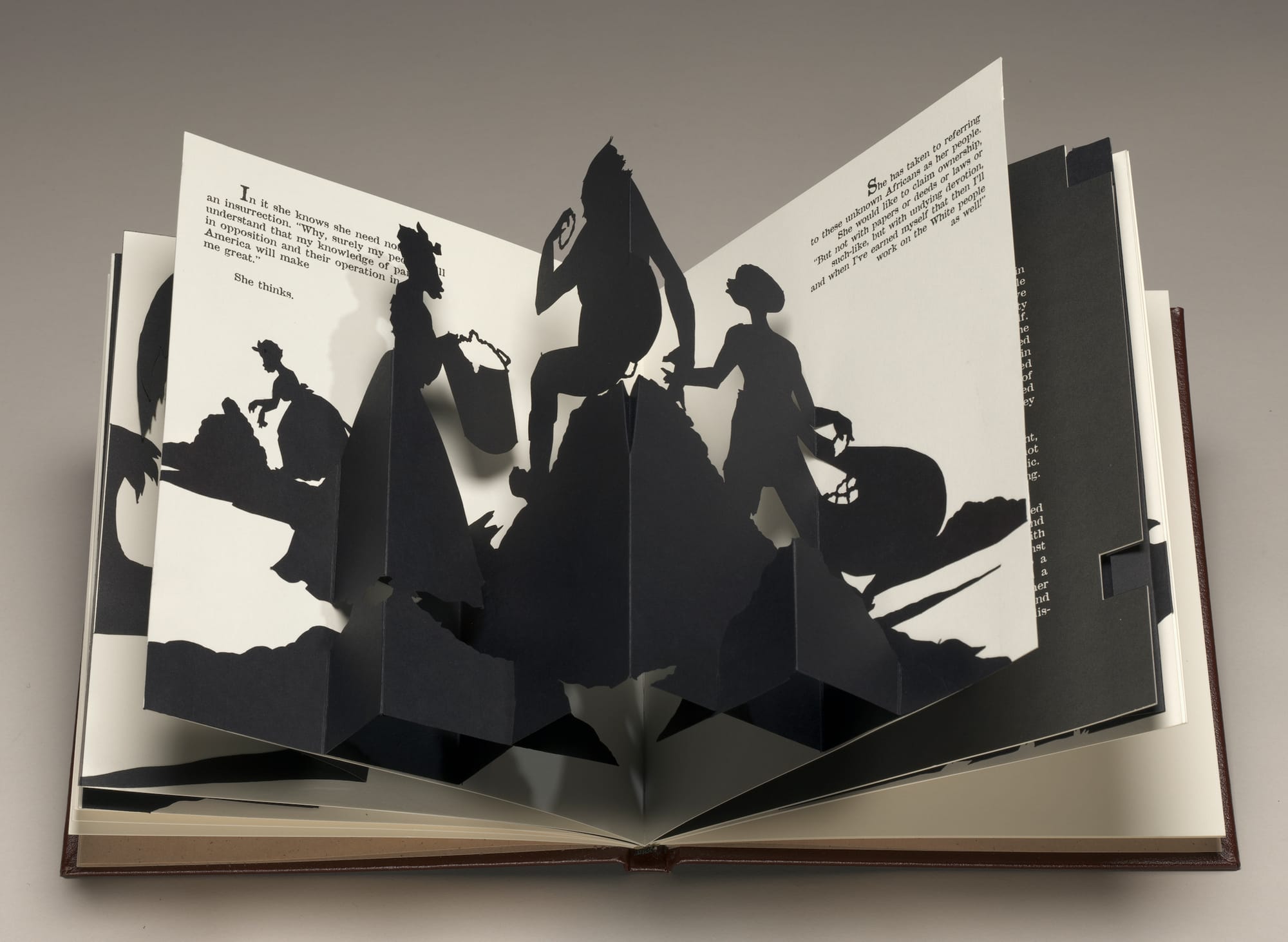
With 115 works from the late 18th century through the present day, Dear America visualizes the history of the nation through the eyes of its artists. Separated into three sections — Land, Community, and Freedom — the exhibition recognizes artists not only as witnesses but activators of history, including LaToya Ruby Frazier, Roy Lichtenstein, Carrie Mae Weems, and Tom Jones, whose seminal 2002 work gives the show its title.