10 Art Shows to See in the Bay Area This Spring
Theresa Hak Kyung Cha’s vital scrolls, muralist Cece Carpio’s first solo show, the Matisse painting that launched Fauvism, the future of Japanese ceramic art, and more.

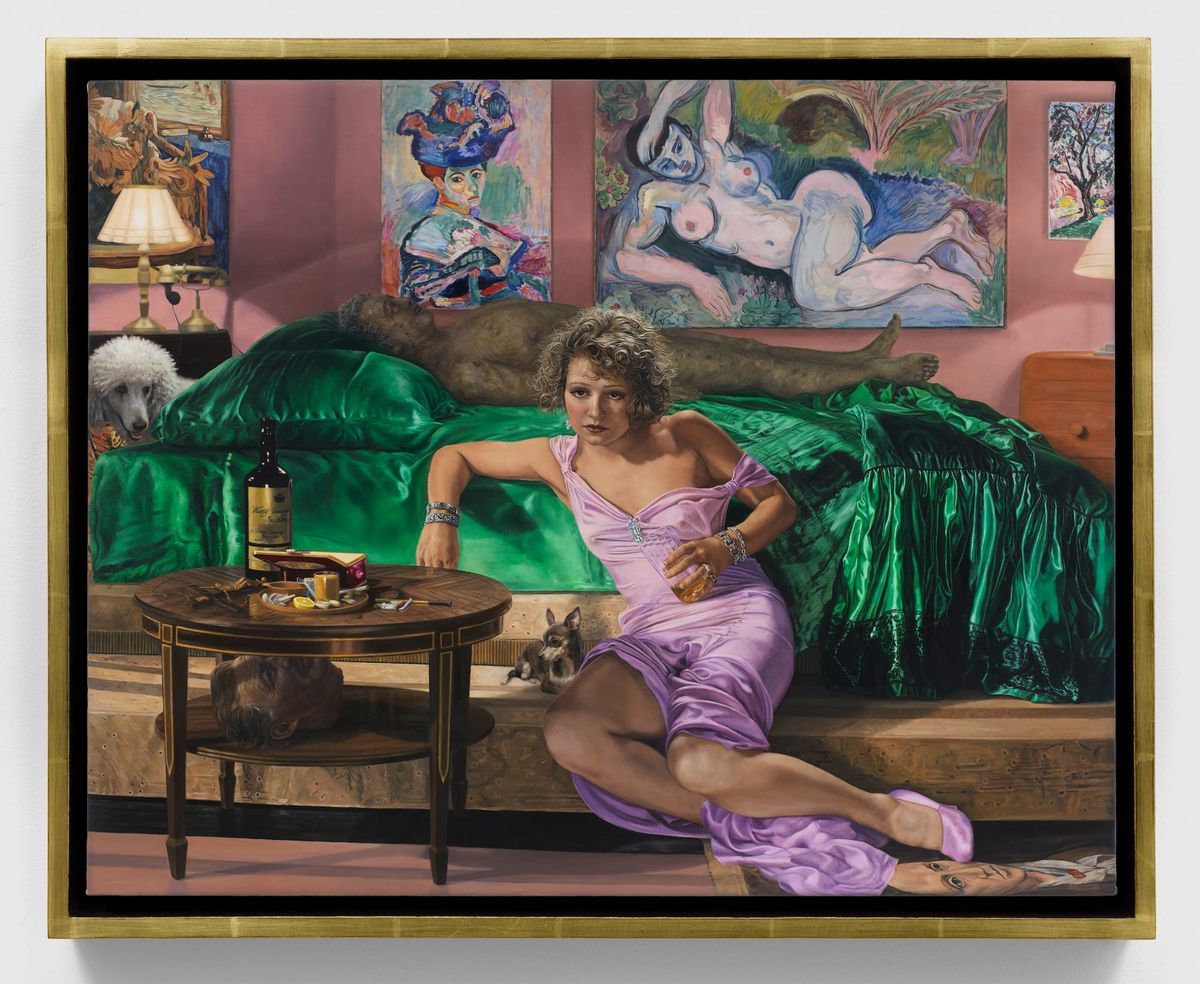
The San Francisco Bay Area is experiencing something of a cultural crisis. For those of us who have lived here long enough, it’s a comparable collapse to what the community experienced during the first dot-com boom. Galleries and arts nonprofits are closing in handfuls. Museum programming appears to be pandering to the tech bros. Rent is surging. But if the region’s art scene has one strength, it’s coming together when we need solidarity the most. The spring season is evidence of that, with arts organizations doubling down on local art history and reinforcing community. From stories of Bay Area migration to deep dives into local art history and examinations of the region's ecology, there’s never been a better time to support the Bay Area’s art scene.
Cece Carpio: Tabi Tabi Po: Come Out with the Spirits! You Are Welcome Here
SOMArts, 943 Brannan Street, San Francisco, California
Through March 29
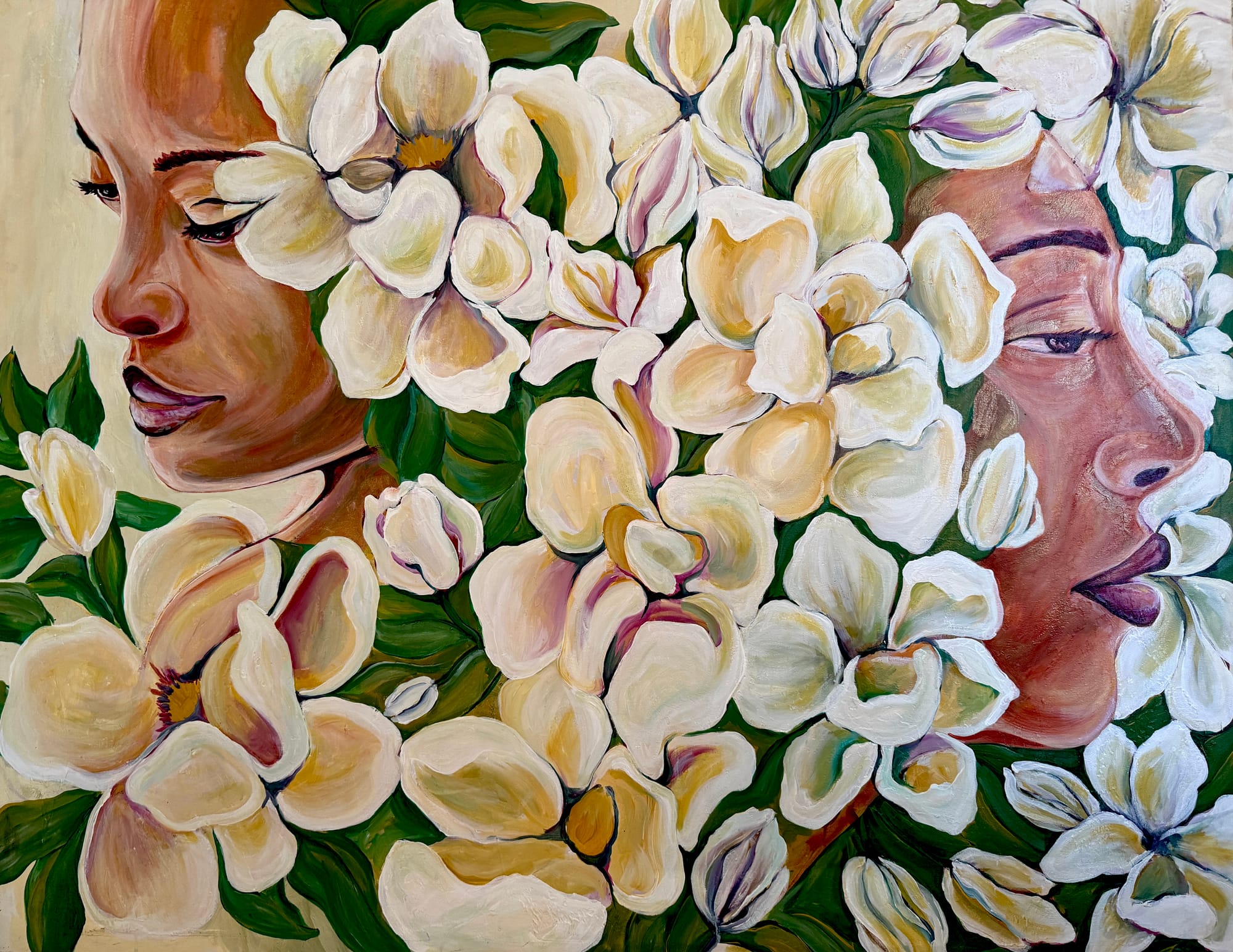
In her first solo exhibition, legendary Bay Area muralist Cece Carpio stays true to form. Featuring paintings on canvas alongside a multimedia installation, Carpio remixes street art stylings with folk-art traditions, blending ancestral memory with Indigenous folklore. Each piece is accompanied by a poem, marking Carpio’s foray into writing, teasing out the narratives in her canvases of entangled lovers, goddesses, and warriors.
Torreya Cummings and Sarah Lowe: [Obstructed view of the house through the trees with the road visible on the left side in the foreground.] or black point reinterpretive site
Berkeley Art Center, 1275 Walnut Street, Berkeley, California
Through March 29
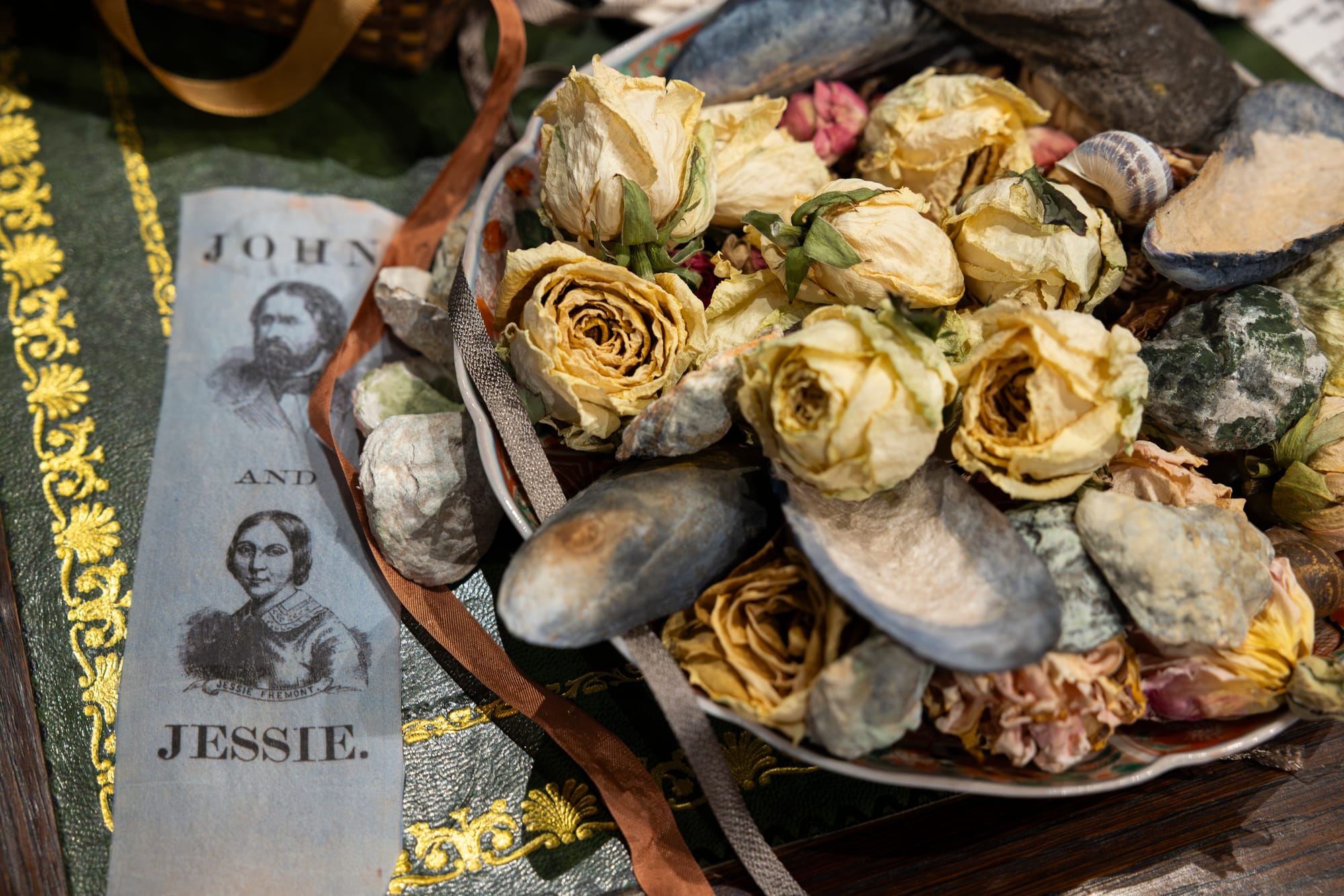
Torreya Cummings and Sarah Lowe transform the Berkeley Art Center into a Victorian period room, taking a deep dive into the lasting effects of colonialism on the California landscape. Exploring evolution, extinction, and industrialization, Black Point Reinterpretive Site invites us to consider how human extraction plays out in the theater of nature. The question is, what part will you play?
Theresa Hak Kyung Cha: Multiple Offerings
Berkeley Art Museum and Pacific Film Archive, 2155 Center Street, Berkeley, California
Through April 19
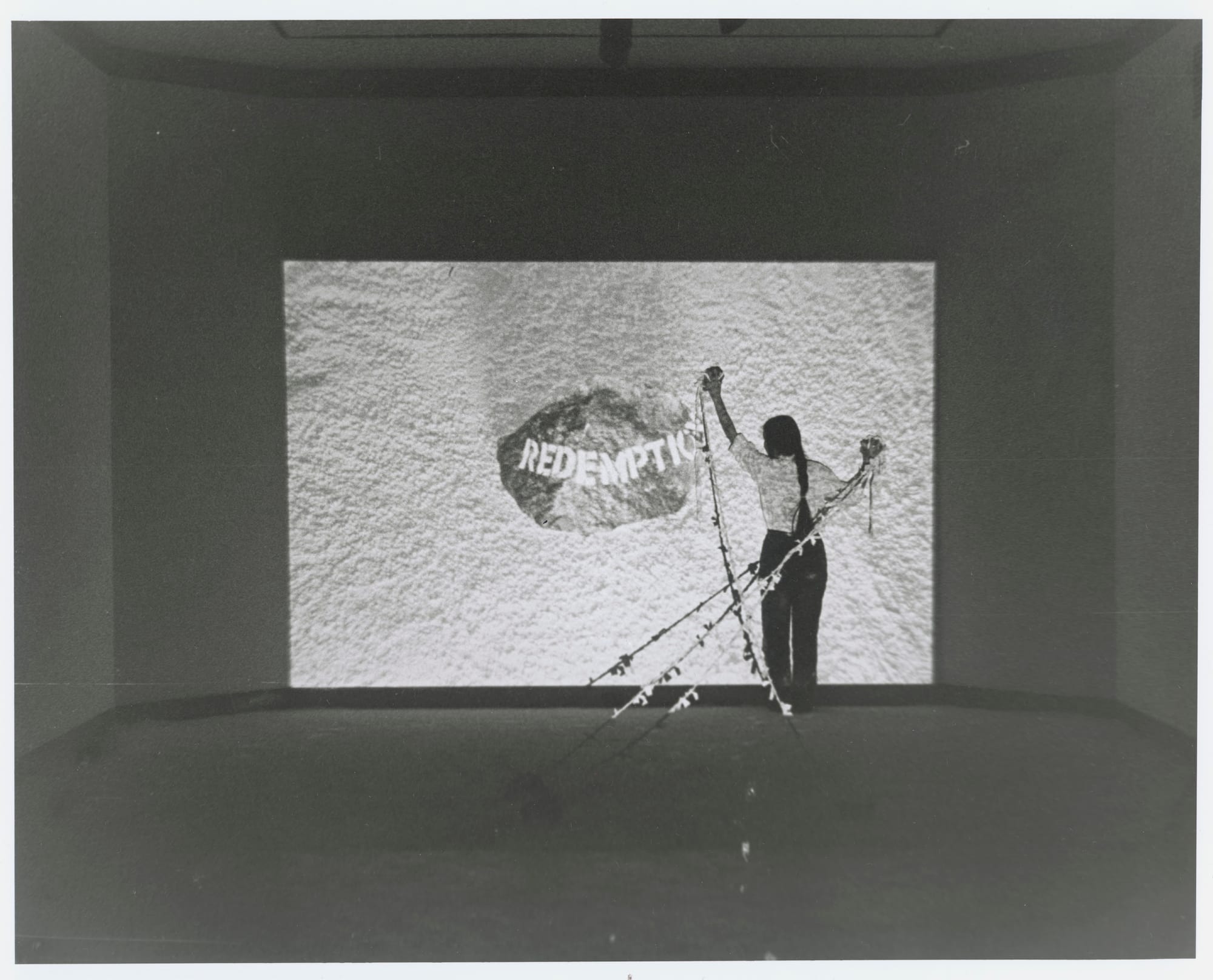
The first major retrospective of pivotal conceptual artist Theresa Hak Kyung Cha is a heady affair. Including archival materials from Cha’s time as a student at Berkeley alongside work made in Korea and New York, the show offers a rich text on the enigmatic late artist, whose primary medium was language itself. Performance, videos, essays, and scrolls all hold equal weight: at once paper-thin and the stuff of life.
Trina Michelle Robinson: Open Your Eyes to Water
500 Capp Street, 500 Capp Street, San Francisco, California
Root Division, 1131 Mission Street, San Francisco, California
Through May 16
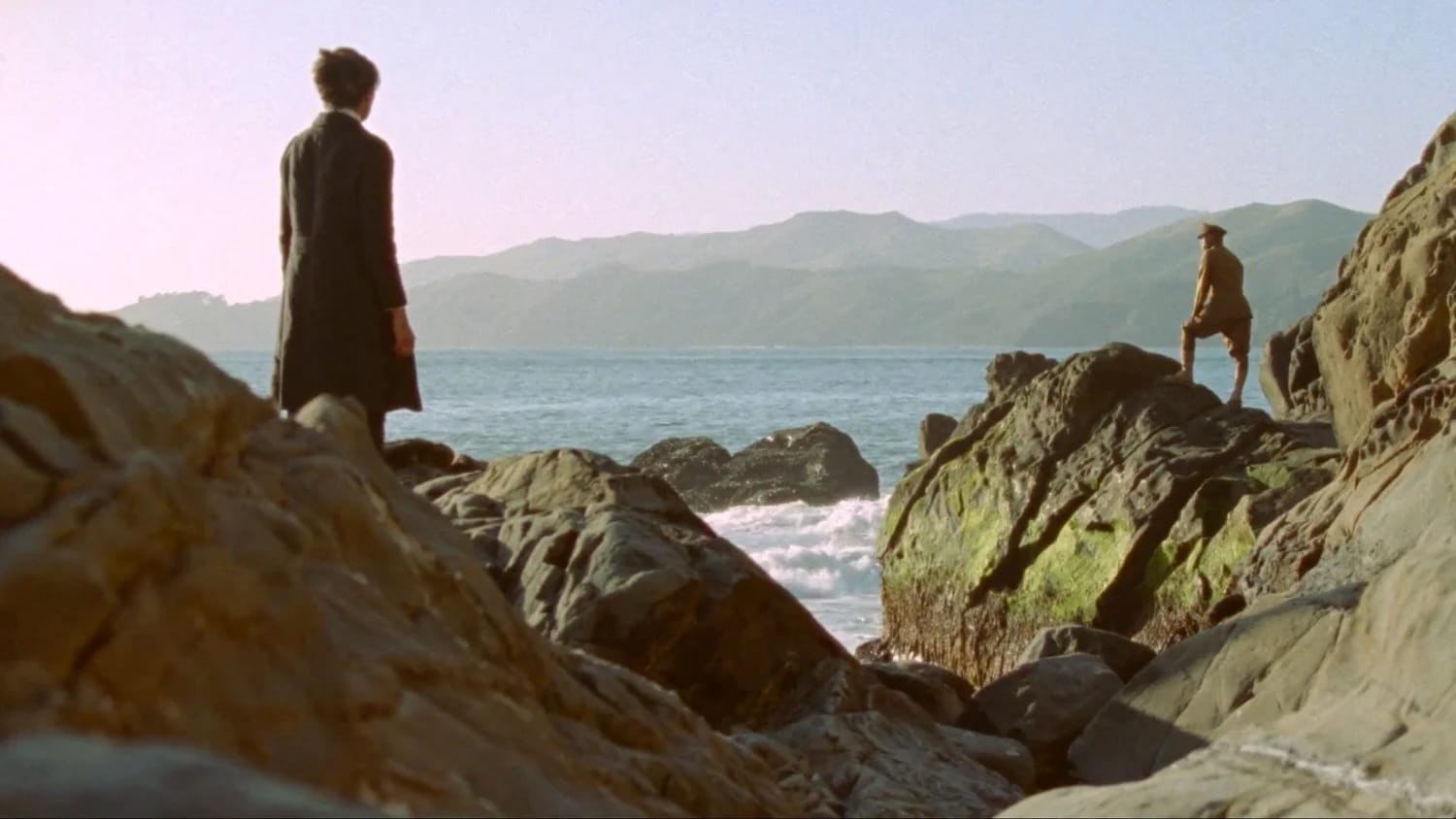
Across two venues, Open Your Eyes to Water surveys a decade of Trina Michelle Robinson’s multifaceted practice and charts Black American migration through her own family history. At 500 Capp Street, multimedia installations transform the historic former home of artist David Ireland, including an indoor field of pampas grass and an intervention into the house’s archives. Meanwhile, at Root Division, an altar to Robinson’s oldest known ancestor includes work by other local Black women artists, honoring community and shared history.
New Japanese Clay
Asian Art Museum, 200 Larkin Street, San Francisco, California
Through June 1
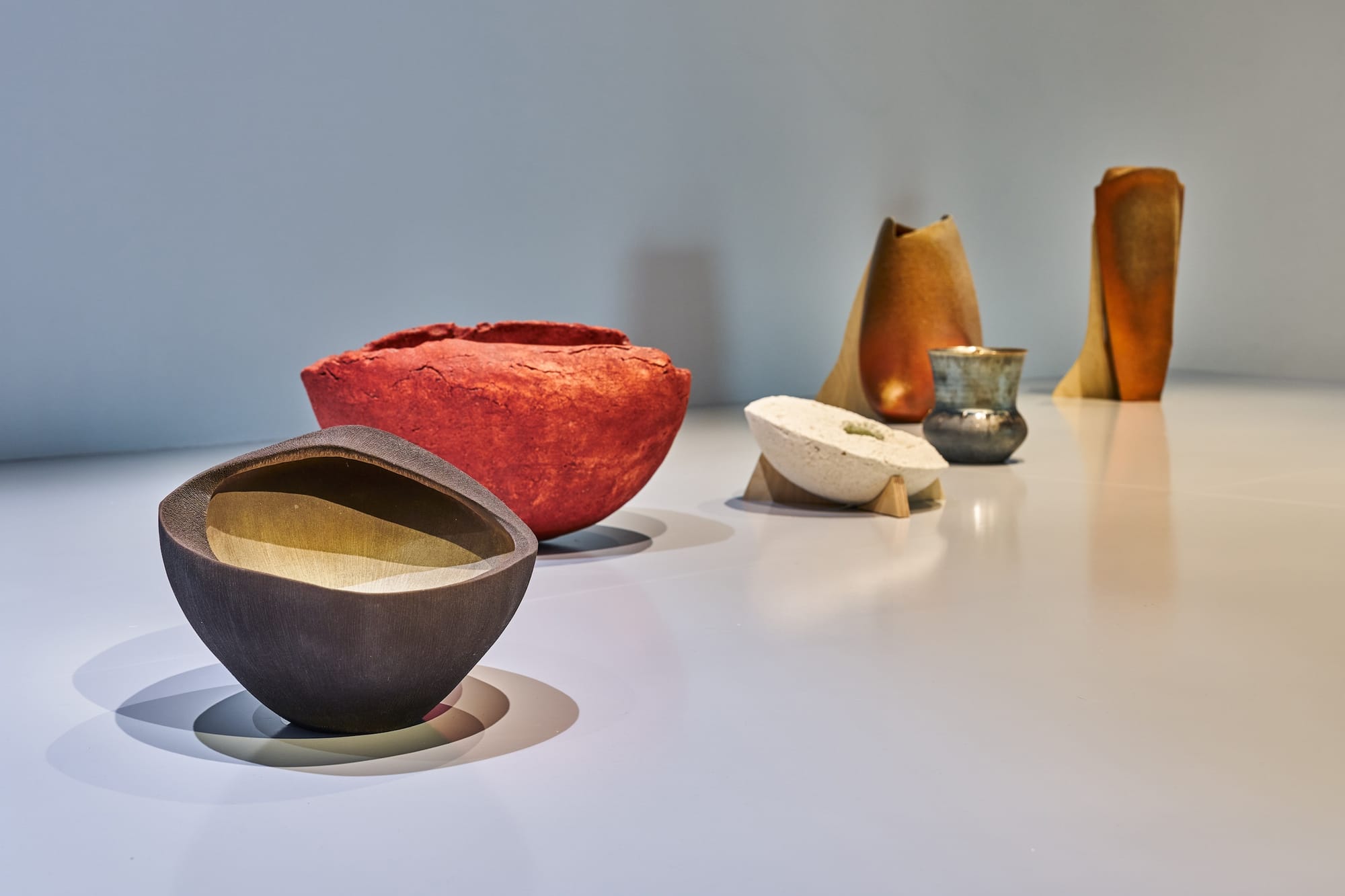
Spotlighting work by 29 of Japan’s foremost contemporary ceramic artists, New Japanese Clay showcases mastery of the ancient art form alongside modern innovation. Some pieces call to mind hazy topographies, while others resemble tree trunks or twisting ribbons. From formal experimentation to cutting-edge glaze techniques, this quietly subversive show challenges and pushes the boundaries of ceramic arts.
P. Staff: The Prince of Homburg
Yerba Buena Center for the Arts, 701 Mission Street, San Francisco, California
Through June 14
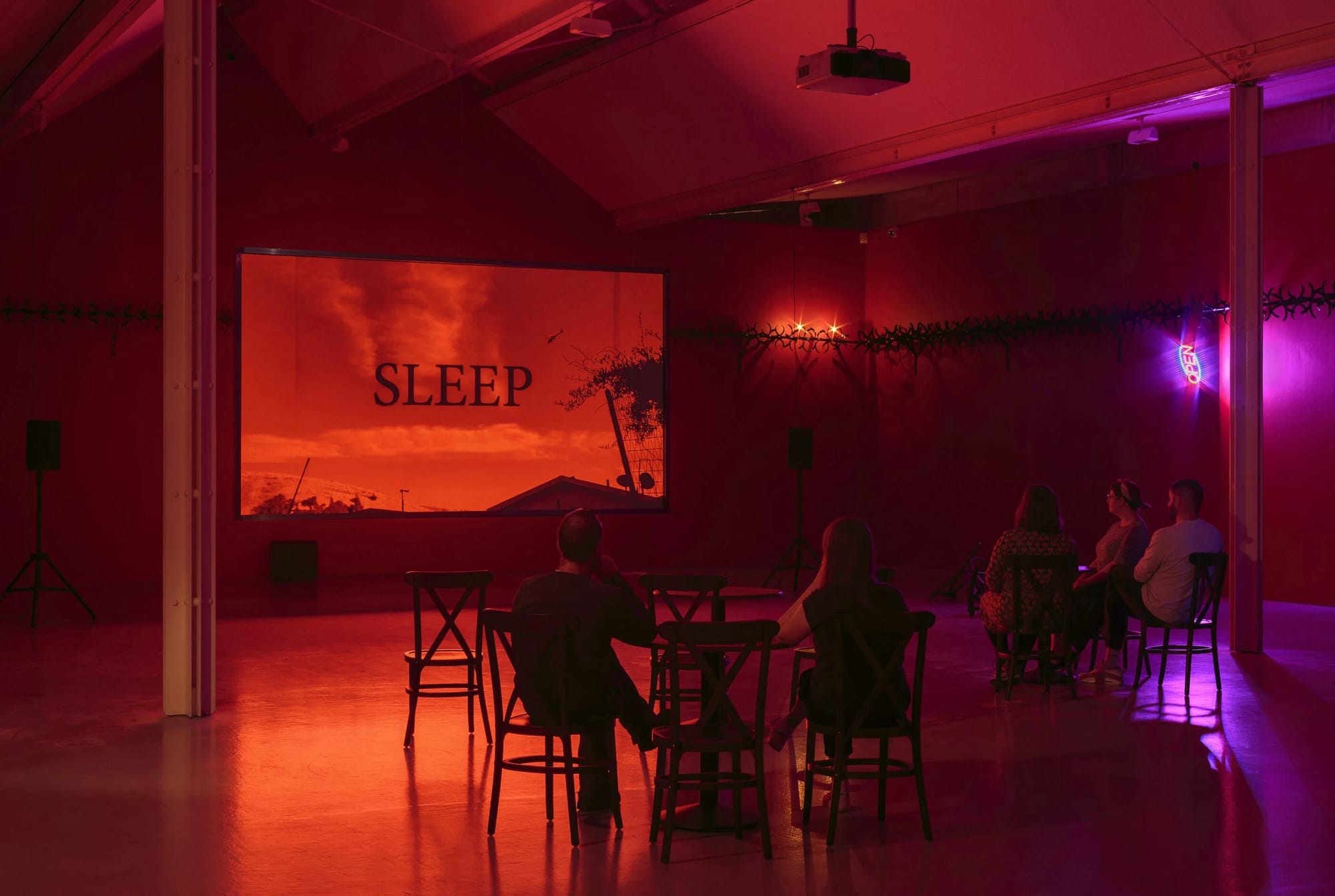
The US premiere of British artist P. Staff’s short film "The Prince of Homburg" (2019) marks a new era at the Yerba Buena Center for the Arts since artist-led protests two years ago. Inspired by the titular 1821 play by Heinrich von Kleist, the exhibition includes video and sculpture exploring the relationship between queer life and state control and surveillance. Blending interviews with experimental and found footage, Staff’s work blurs waking reality with the dream state.
Anoushka Mirchandani: My Body Was A River Once
Institute of Contemporary Art, San José, 560 South First Street, San Jose, California
Through August 23, 2026
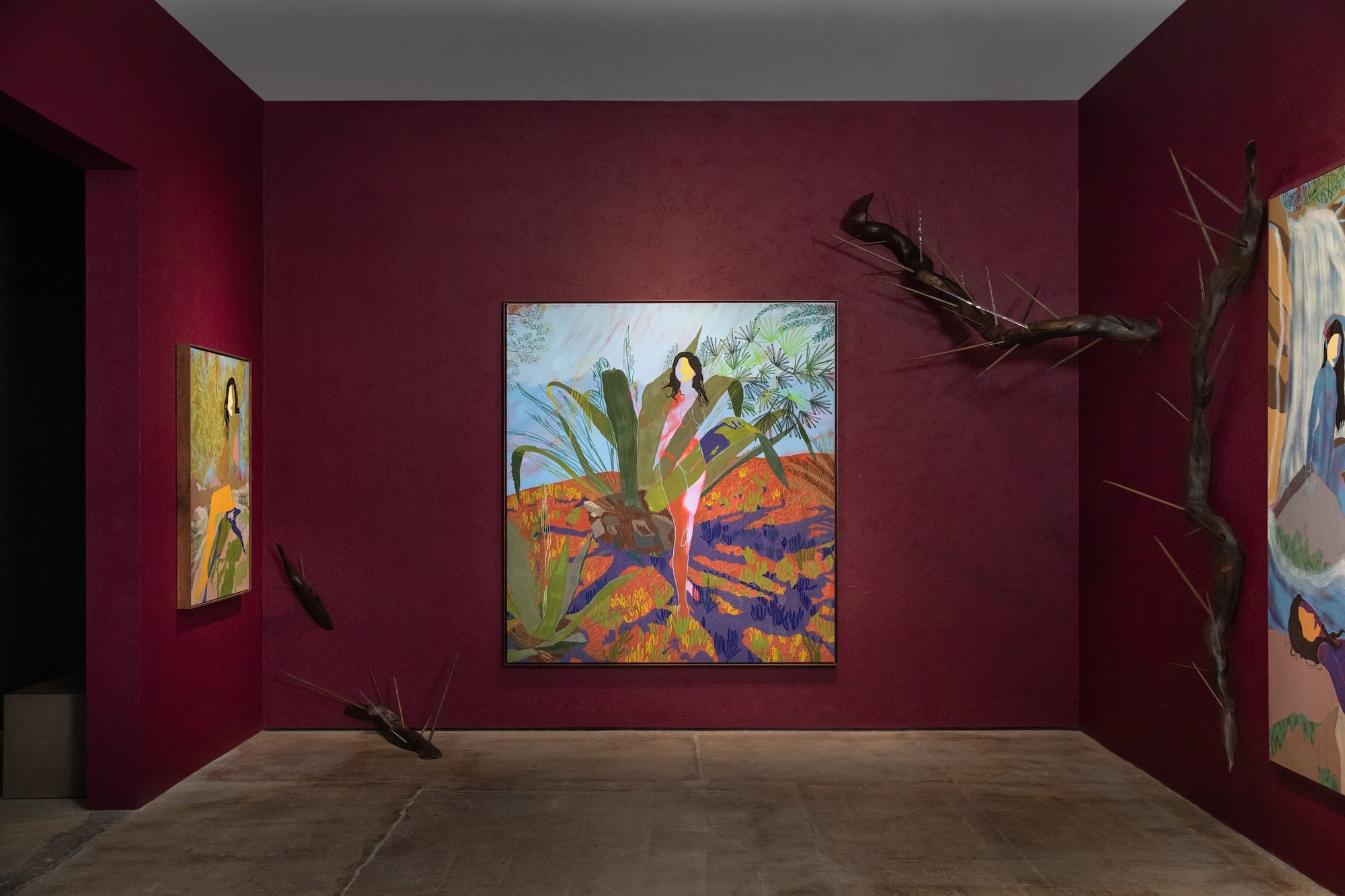
San Francisco-based painter Anoushka Mirchandani’s first institutional solo show is a homecoming. Paintings, sculptures, and archival audio intertwine to explore Mirchandani’s family history of migration, from Partition to her own immigration to the United States. Throughout the show, ghostly female figures haunt imagined landscapes in an acute illustration of a generational search for belonging.
Monet and Venice
de Young Museum, 50 Hagiwara Tea Garden Drive, San Francisco, California
March 21–July 26
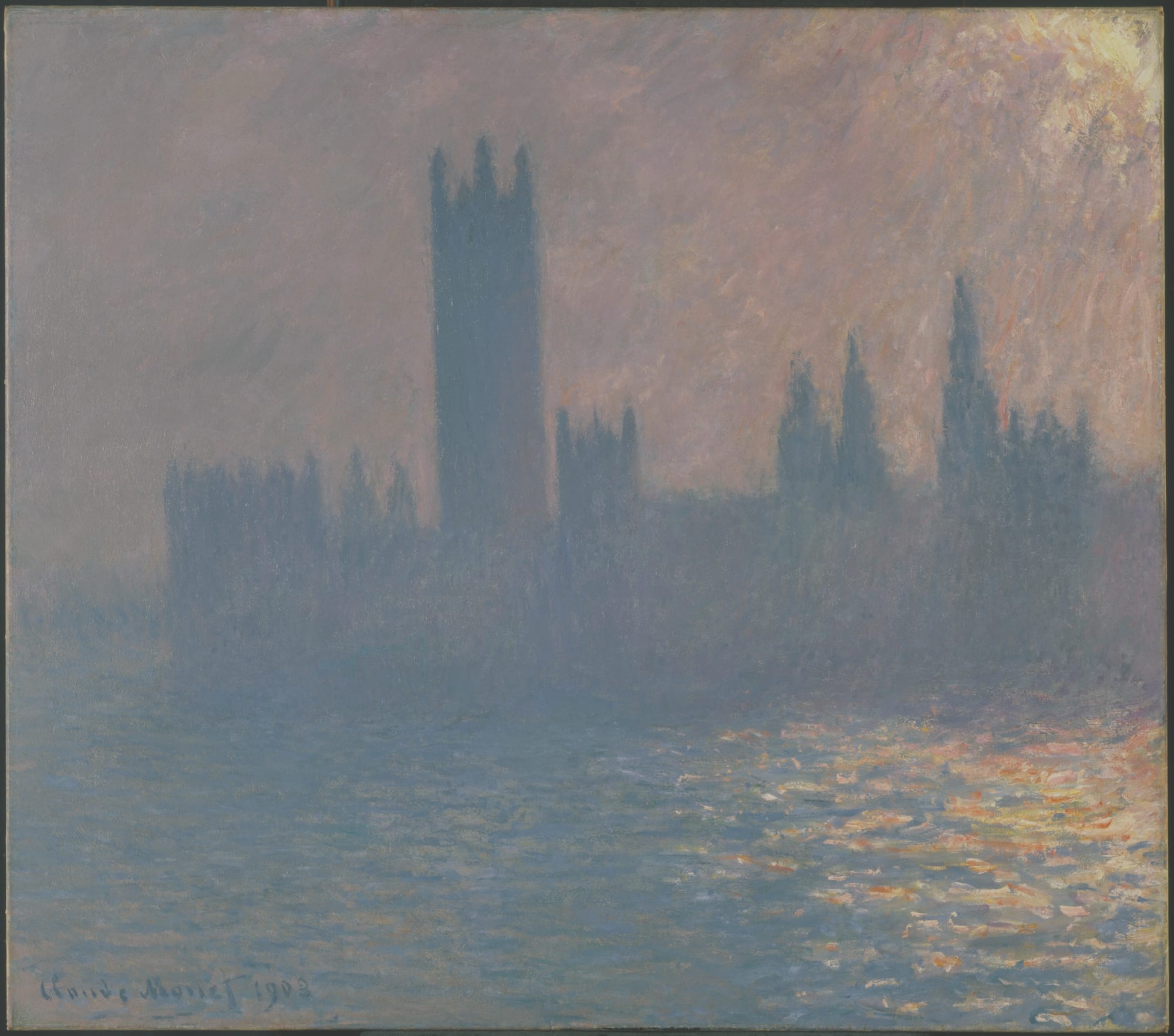
Traveling from the Brooklyn Museum, where it debuted in October, Monet and Venice brings the Impressionist master’s cityscapes into view for the first time in over a century. The show places the paintings Monet made in Venice in 1908, at nearly 70 years of age, in conversation with other Venetian artists and his own broader oeuvre. His lush depictions of the city itself are the main attraction here, revealing yet another chapter in its outsized role in art history.
Love Letter: Bay Area Collectors as Cultural Stewards
Minnesota Street Project, 1150 25th Street, San Francisco, California
April 4–May 9
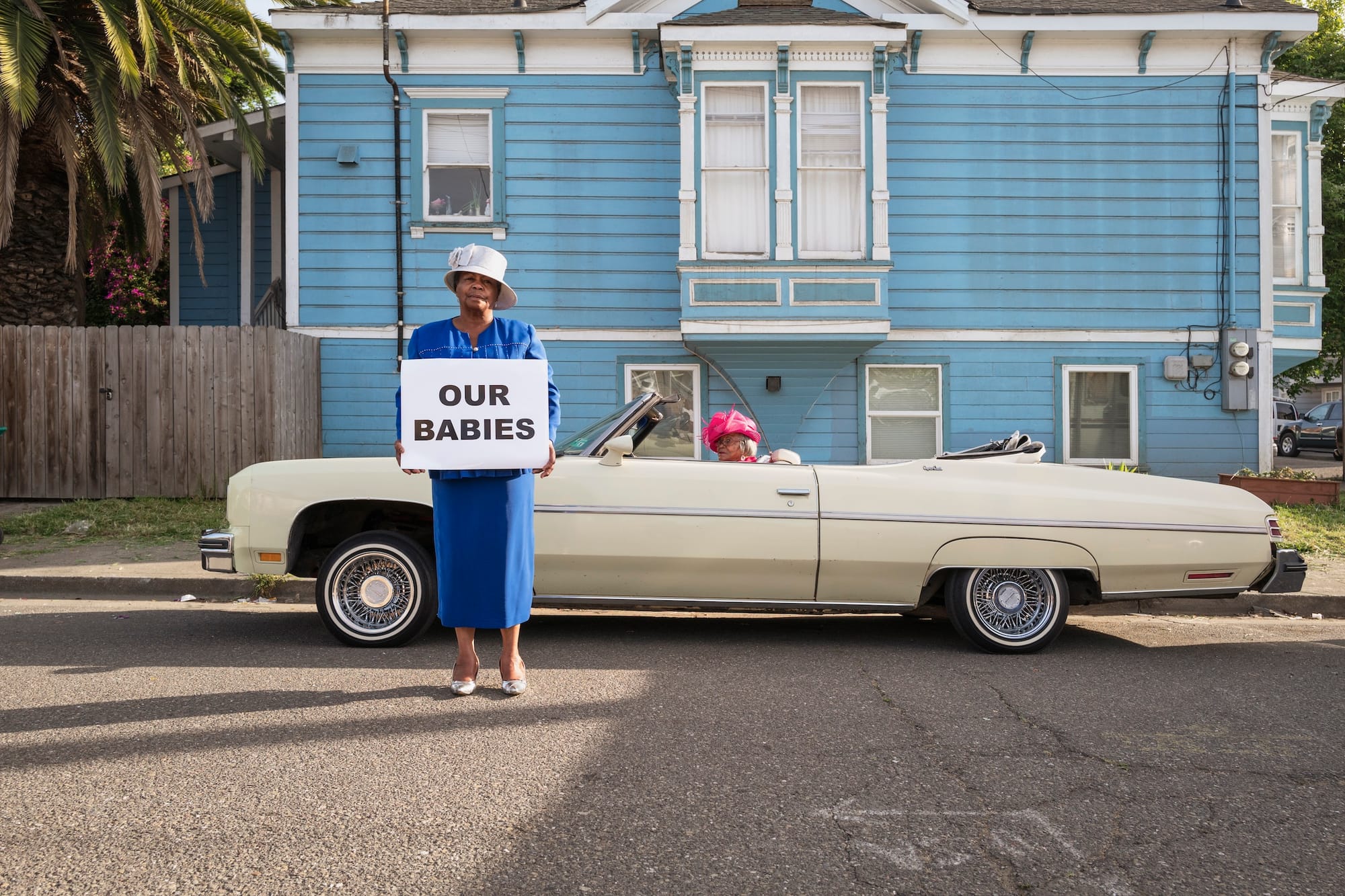
San Francisco gallerist Jonathan Carver Moore curated this collection show of Bay Area art patrons, with work on view spanning regions and mediums, yet unified by the diverse tastes of local collectors. Exhibited in the gallery space that was recently vacated by Altman Siegel, the show fills a vital gap in the city’s gallery landscape and exemplifies how local community should come together to support artists.
Matisse's Femme au chapeau: A Modern Scandal
San Francisco Museum of Modern Art, 151 Third Street, San Francisco, California
May 16–September 13
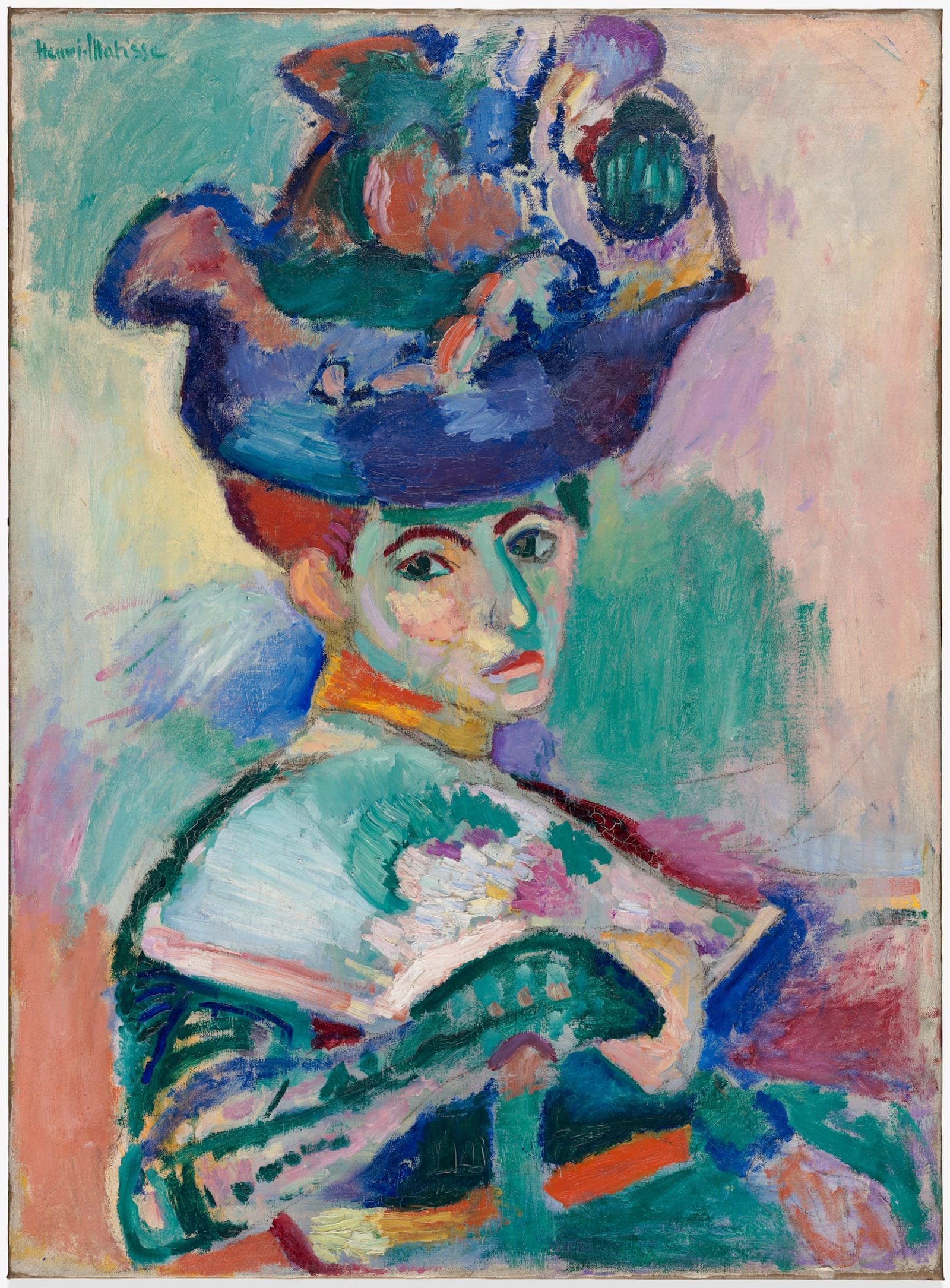
Orbiting around one of the most recognizable paintings in the museum’s collection, A Modern Scandal revels in the drama of art history. The defining Fauvist painting, Henri Matisse's “Femme au chapeau (Woman with a Hat)” (1905), marked a turning point in Modern art and kick-started the Fauvist movement with its unorthodox approach to brushstrokes and color. The exhibition will explore painting’s impact across the 20th century, tracing the way a single work of art can turn the tide.