15 Museum Exhibitions to See Across the US This Fall
Tony Cokes’s riffs on the video essay, a Grandma Moses retrospective, and Abbas Akhavan’s US museum debut are among the shows to look forward to this season.


The circus is coming to town, although maybe not in the form you’d expect. The art world, in all its acrobatics, pageantry, and occasional fun, is returning to cities across the United States this fall with a spate of acts. Artist Karon Davis ushers us into the big top in an exhibition rife with circus archetypes at the Seattle Art Museum. In a group show at the Nasher Museum of Art at Duke University, we’re given front seats to the circus that is American democracy. There may be no ringmaster inside this tent, but there’s certainly showbiz: the Denver Art Museum has dedicated an entire show to the diva phenomenon, while at Virginia Commonwealth University’s Institute for Contemporary Art, Tony Cokes takes the shears to the codes of popular culture. The magic act continues elsewhere: every piece of rubbish that jewelry designer Bernhard Schobinger touched turned into gold, as evidenced by a new show at the Museum of Fine Arts Houston. And up north, a photography exhibition at the Milwaukee Museum of Art pairs the alchemy of resource extraction with that of photography, a comparison that needs no smoke and mirrors, save for the one in a DSLR camera. — Phillip Pyle, associate editor
Read our 2026 fall guides for New York and Los Angeles.
Turn the volume up!
Nasher Museum of Art, Duke University, Durham, North Carolina
Aug. 27–July 11, 2027
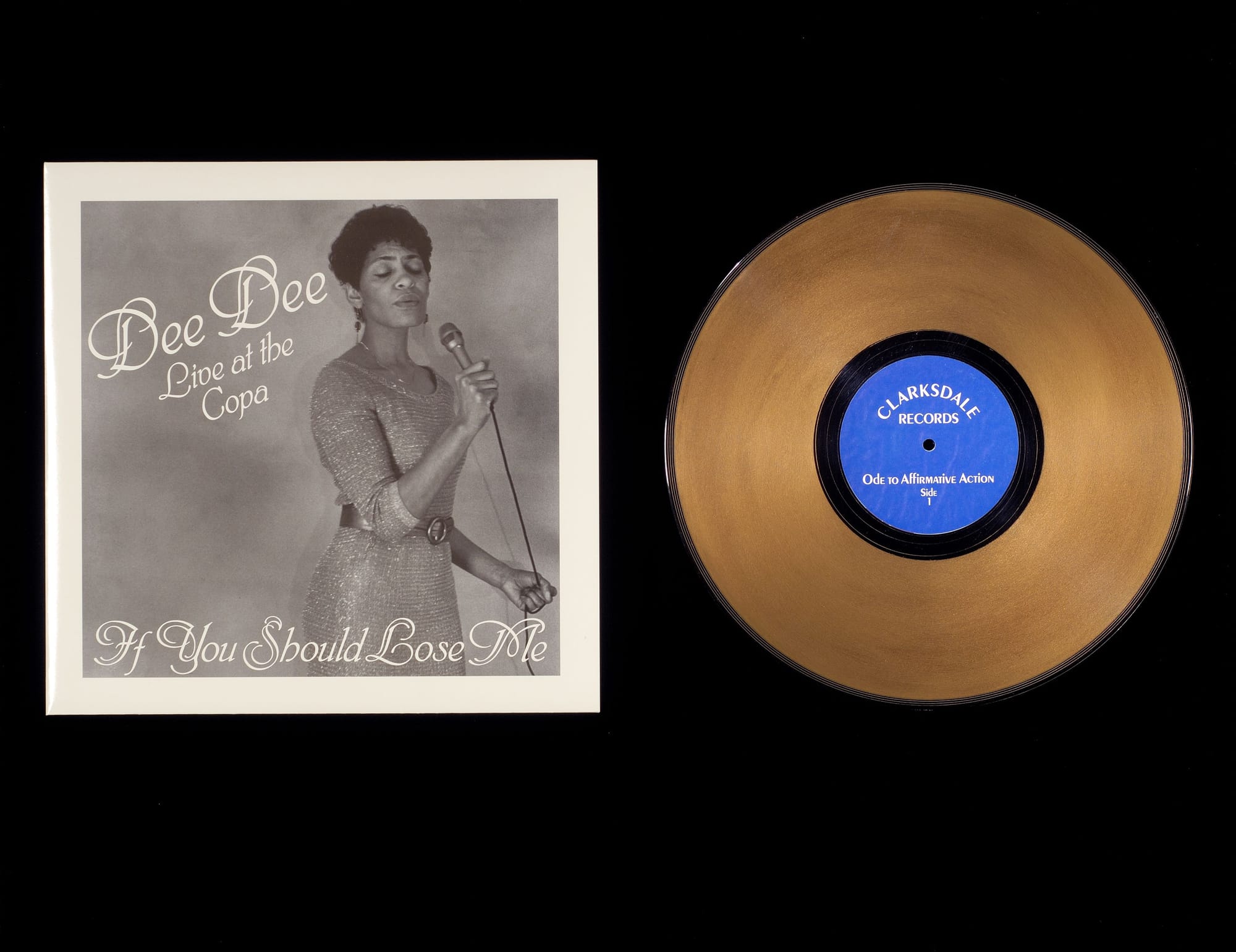
The allusion to NYC Mayor Zohran Mamdani’s celebratory quoting of rapper KRS-One’s “Turn the Volume Up” (2020) in this exhibition’s title is fitting considering its interrogation of democratic participation. Works by artists including Kara Walker, Lyle Ashton Harris, Mike Kelley, and Sam Durant are presented as chronicles of the history of collective action through voting and organizing, inspiring a rare moment of hope amid America’s 250th anniversary.
Going Underground: The Jewels of Bernhard Schobinger
Museum of Fine Arts Houston, Houston, Texas
Sept. 3–Jan. 3, 2027
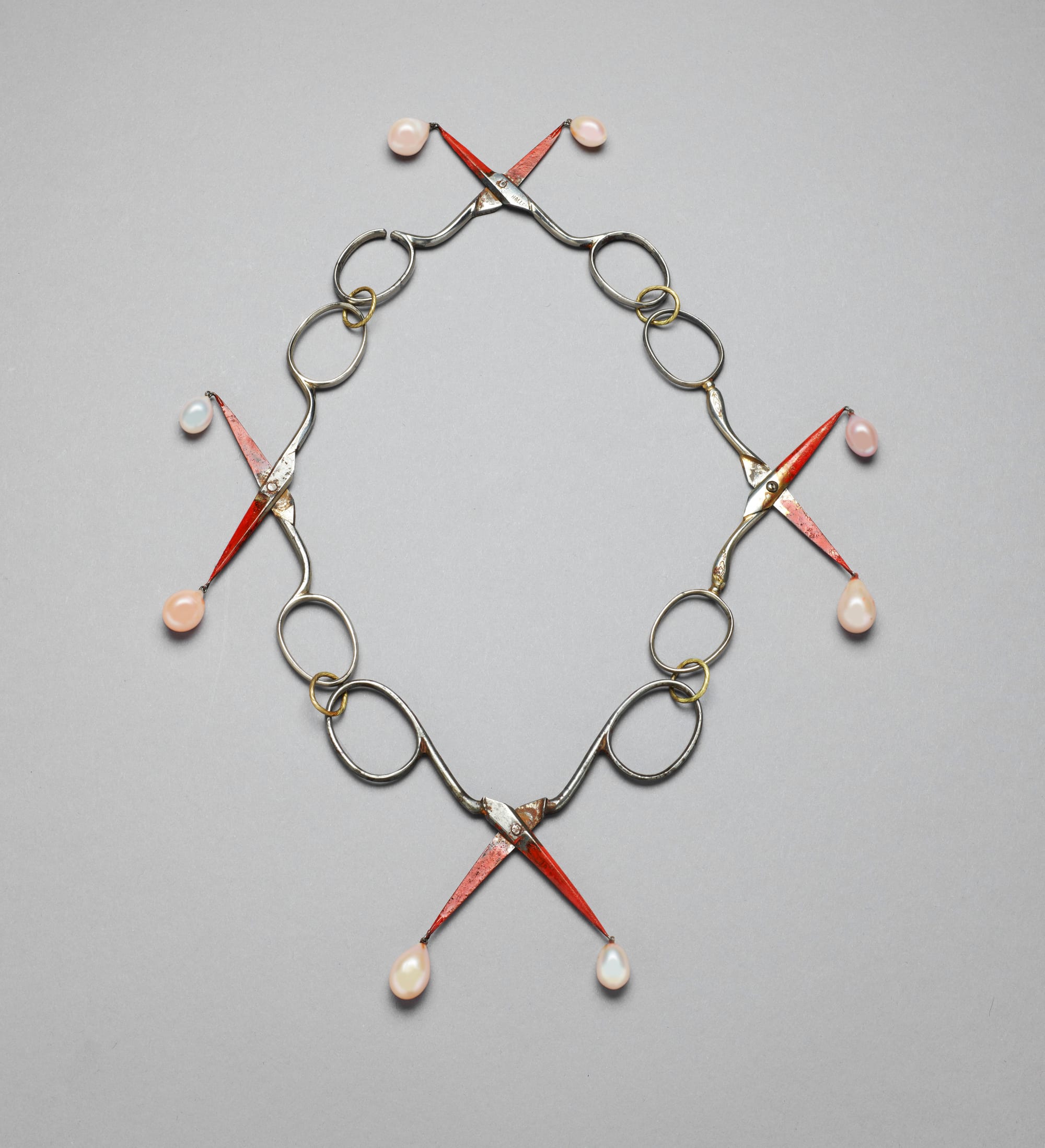
Fishing lures from Lake Zurich and asphalt chunks from a New York City street are among the materials found in Schobinger’s idiosyncratic jewelry pieces. With influences extending from Concrete Art, Dada, and the Situationists to Japanese culture and punk, Schobinger disrupts jewelry as an elitist luxury through his scavenged, rebellious, and rubbish-composed innovations.
Joe Feddersen: Earth, Water, Sky
Missoula Art Museum, Missoula, Montana
Sept. 4–Dec. 31
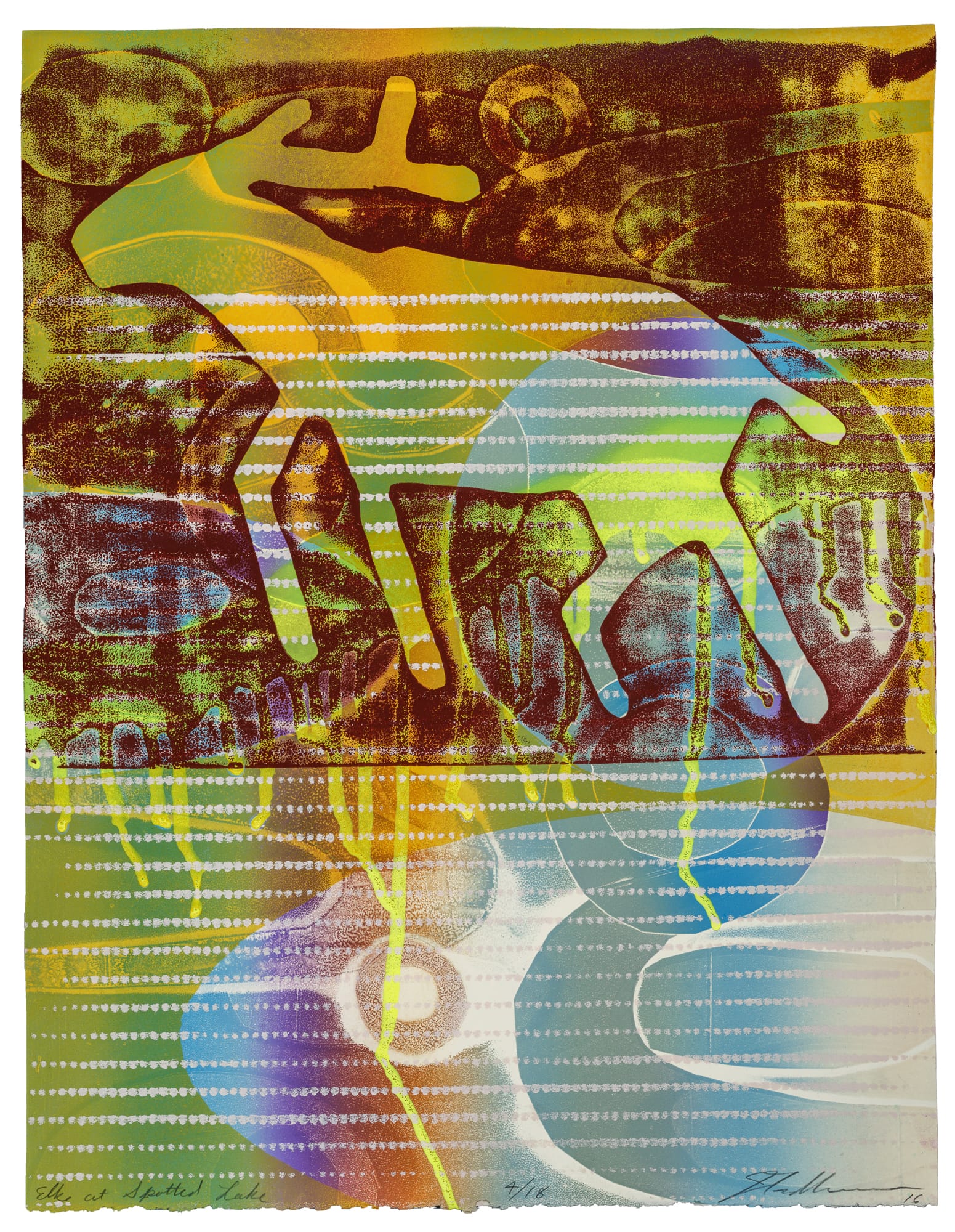
How do we treat the natural world? Colville artist Joe Feddersen explores the tension in that existential question through decorated woven baskets, spray-painted monoprint collages, and sandblasted blown glass works marked with indigenous symbolisms. This exhibition probes the complex and fragile bond between humans and the environment across four decades of Feddersen's multimedia practice.
Grandma Moses: A Good Day’s Work
Crystal Bridges Museum of Art, Bentonville, Arkansas
Sept. 12–March 29, 2027
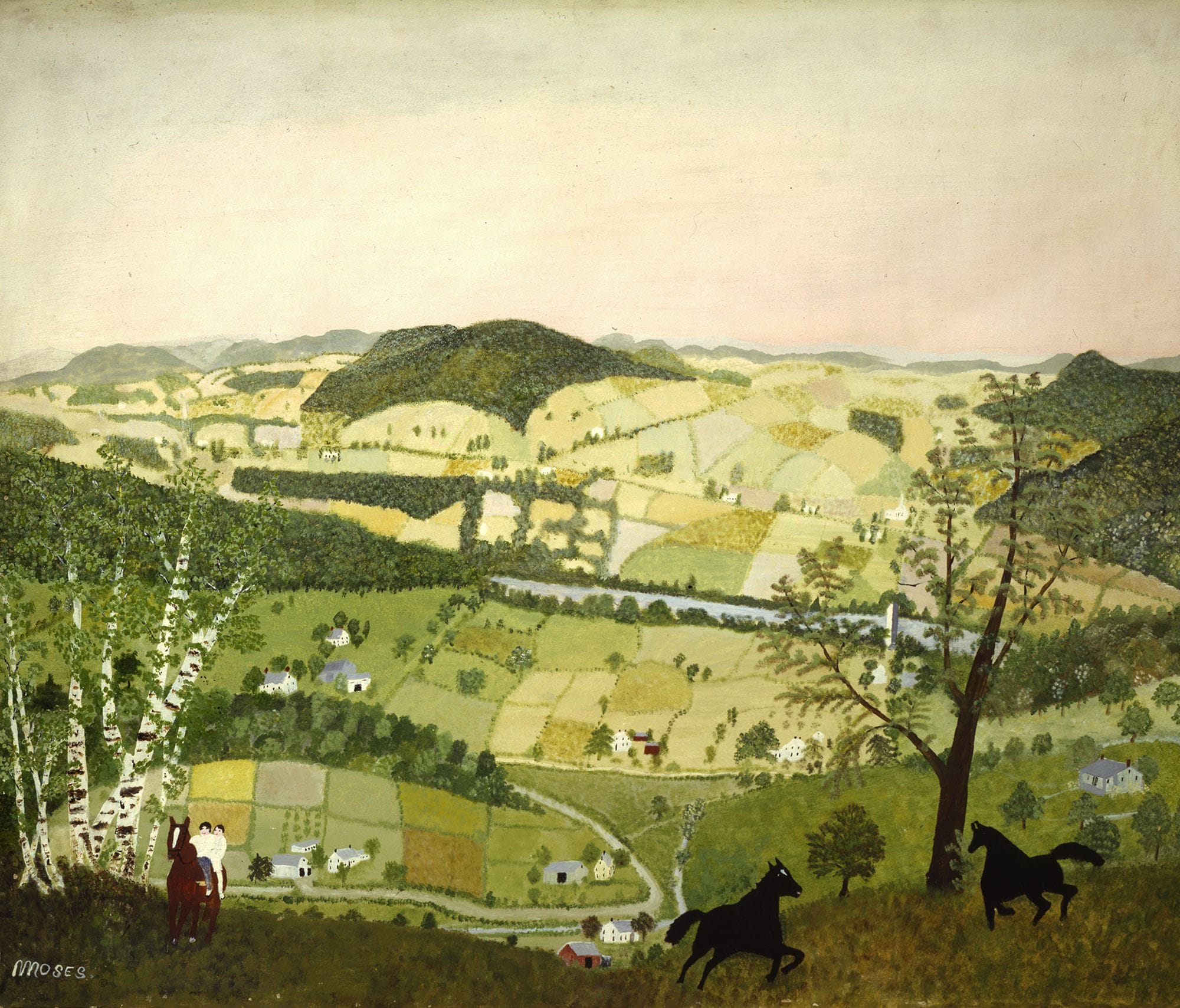
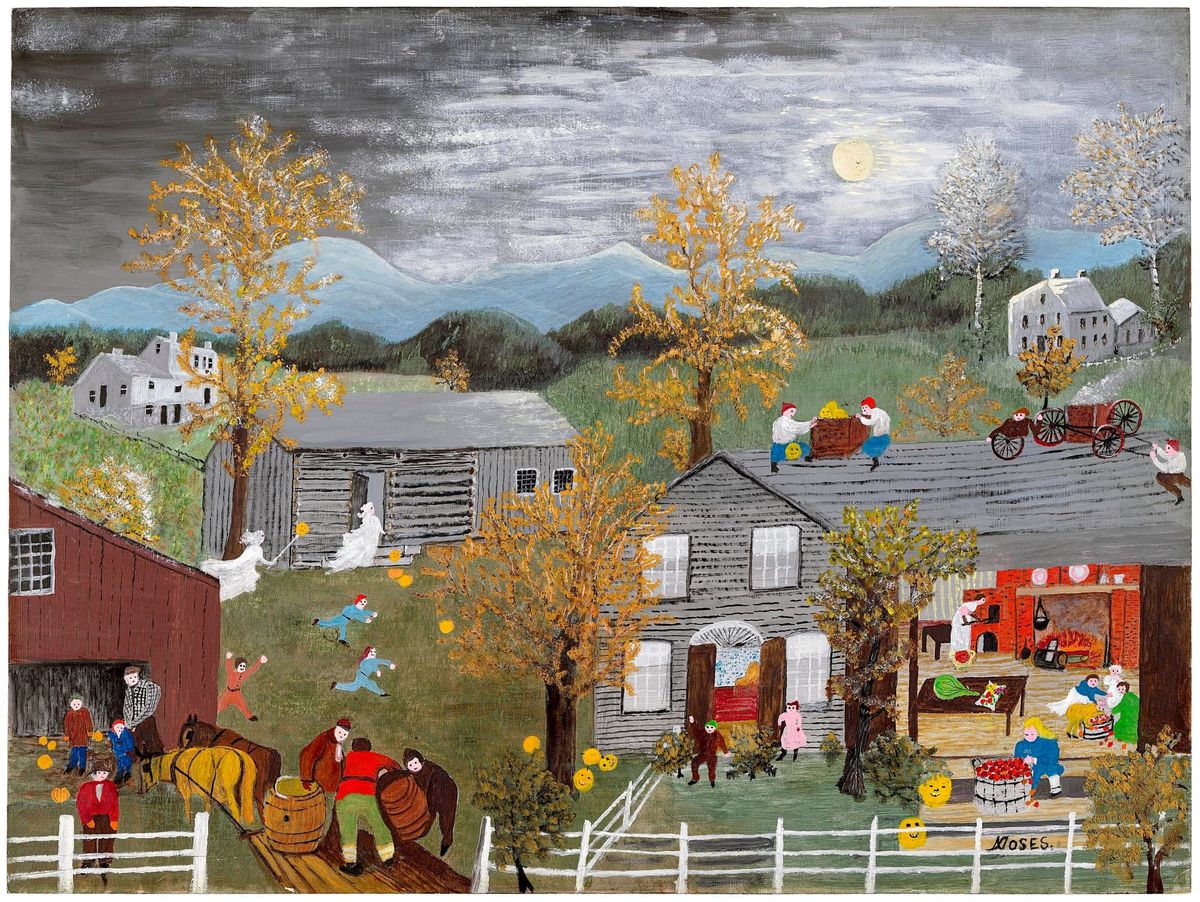
You can almost hear the festive clamor of the townsfolk in “Deep Snow” (1957), one of the many intimate depictions of rural life in Anna Mary Robertson “Grandma” Moses’s oeuvre. Paintings of farmers knee-deep in hay, green patchwork expanses, and a barnyard wedding (before it became a trend) are part of this major show reviving the postwar legacy of Grandma Moses, who opened her first solo exhibition at 80 years old.
The Gift: Emma Amos with Friends
Cleveland Museum of Art, Cleveland, Ohio
Sept. 13–Jan. 24, 2027
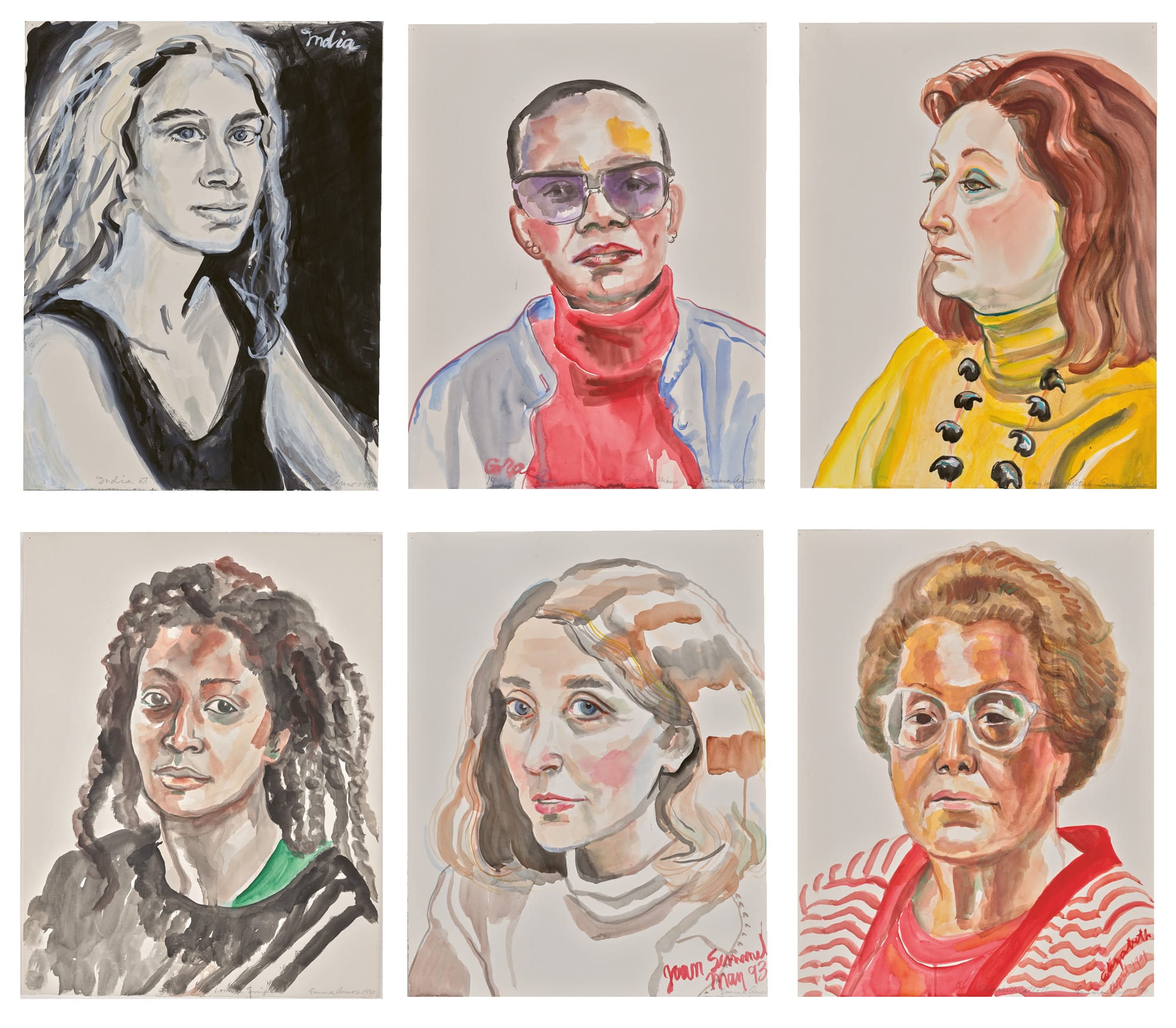
As a gift for her daughter India’s 20th birthday, artist Emma Amos painted 48 watercolor portraits of women artists, art historians, and critics in her community. This exhibition brings together the entire suite of paintings in The Gift (1990–94), which includes portraits of Elizabeth Catlett, Lorna Simpson, bell hooks, Faith Ringgold, Howardena Pindell, Lucy Lippard, and Kay WalkingStick, for the first time in two decades.
Tony Cokes: Texts, Tracks, Talks (1992–2026)
Institute for Contemporary Art, Virginia Commonwealth University, Richmond, Virginia
Sept. 18–Feb. 21, 2027
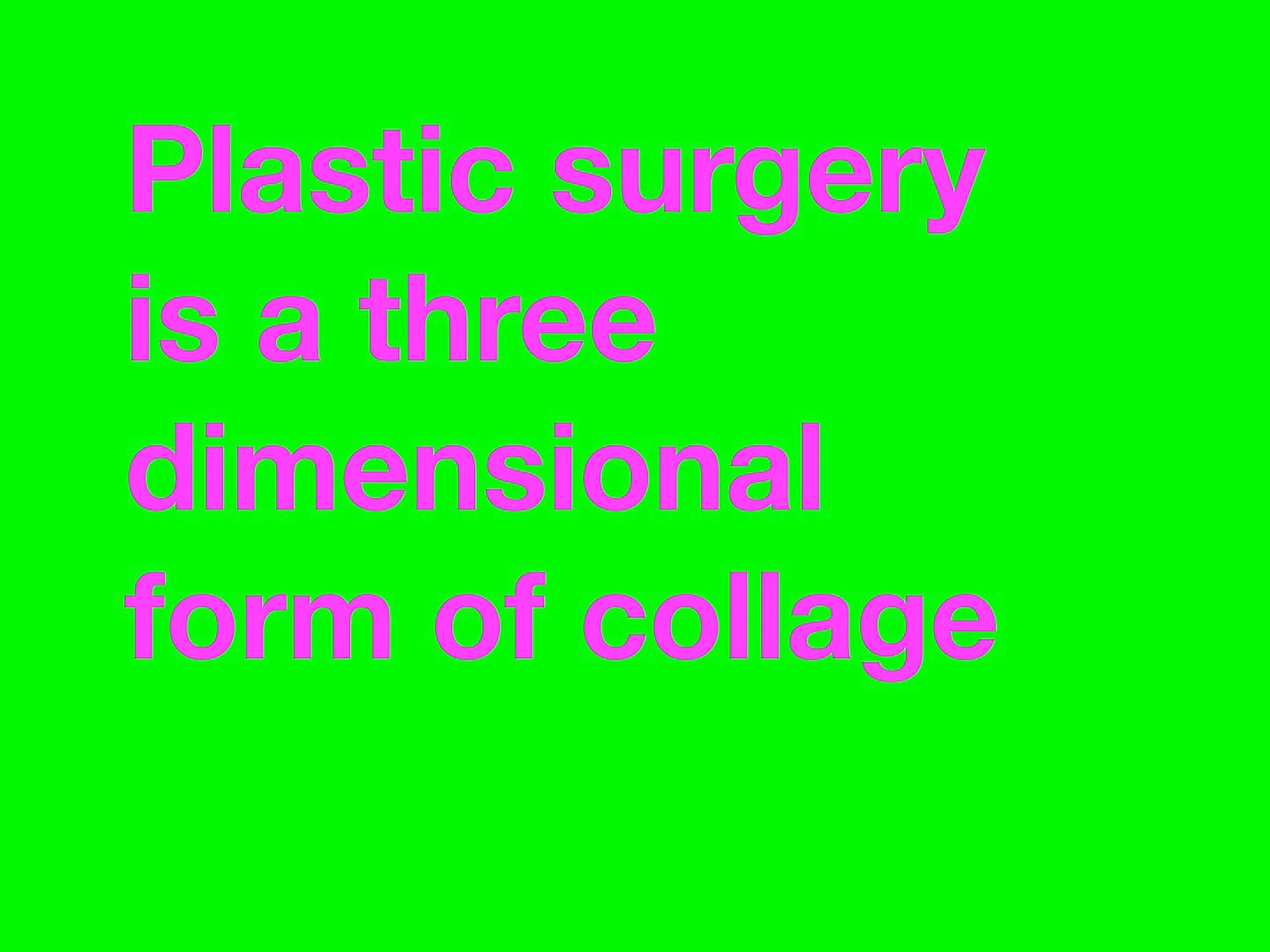
Tony Cokes’s confrontational text-based, sensory-driven practice samples moments, fragments, and movements across culture and history, spurring new and critical connections that diverge from dominant media narratives. Marking a welcome return to his alma mater, this exhibition presents a survey of the multimedia artist’s existing works alongside newly commissioned ones centering on themes of production, artistic intent, and the development of personal identity.
From Noguchi to Asawa: Designing Postwar America
Barnes Foundation, Philadelphia, Pennsylvania
Sept. 20–Jan. 10, 2027
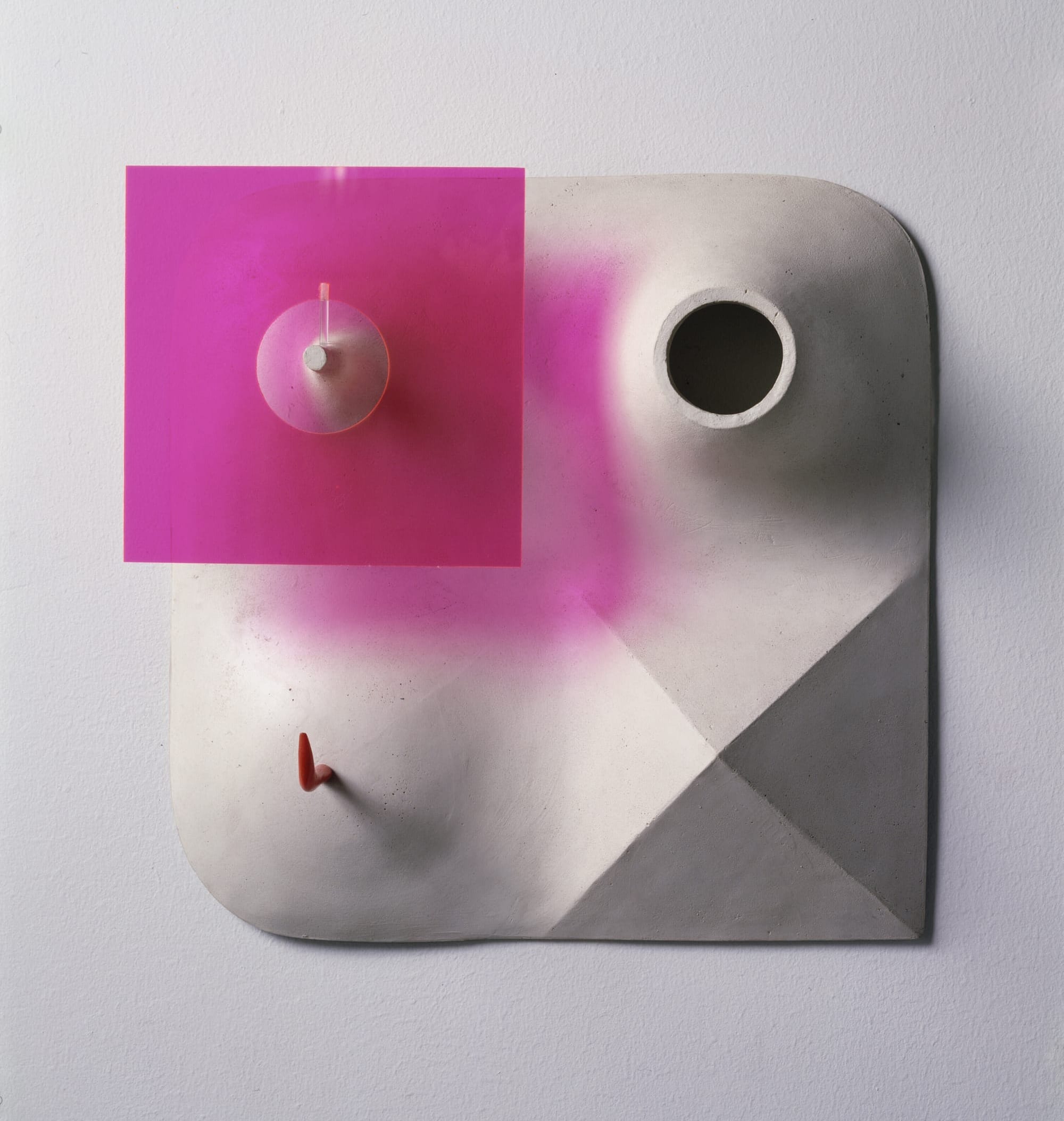
Isamu Noguchi and George Nakashima are among the six Japanese American artists featured in this exhibition that reconsiders the aesthetics of modern America. From album covers to living room lamps, the objects on display illuminate the influence of the artists’ practices in galleries and later, in American homes, where even the most quiet designs were informed by the traumas of World War II and Japanese-American concentration camps in the United States.