Cameras Built into Deserts, Mountains, and Forests
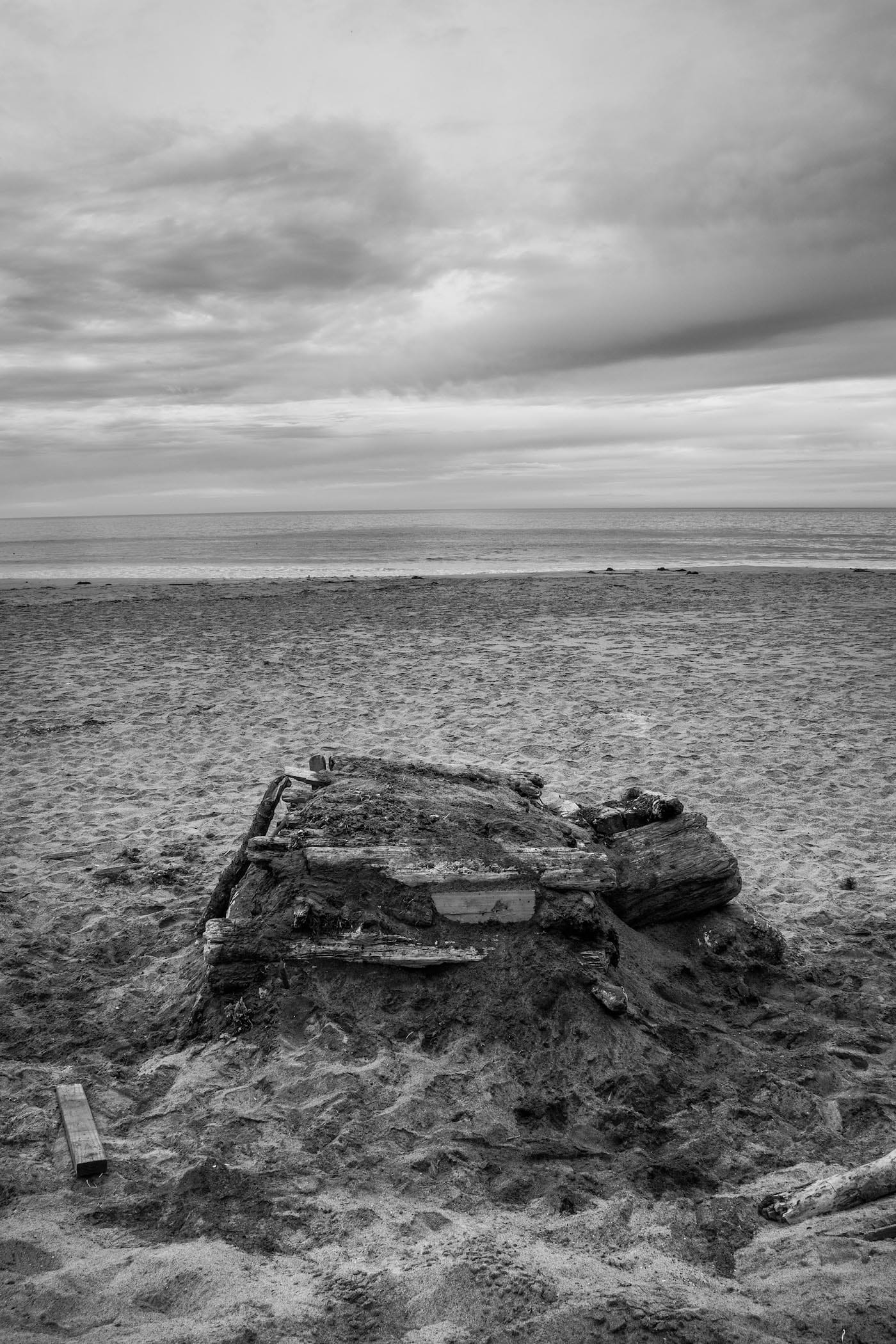
Over the past four years, artists David Janesko and Adam Donnelly have sculpted and experimented with large, site-specific cameras on sandy beaches, rocky coastlines, and grassy hills across the state of California.

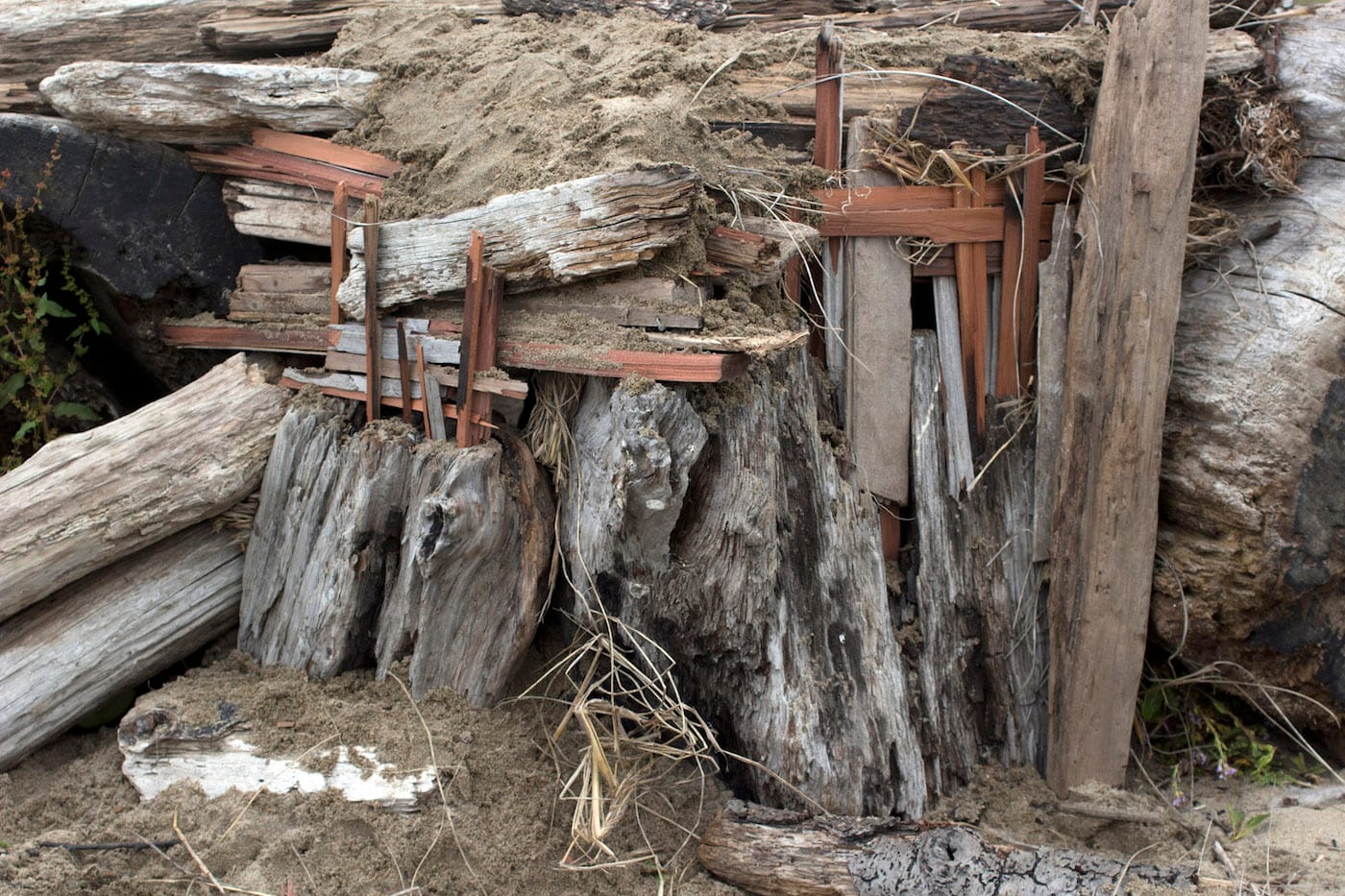
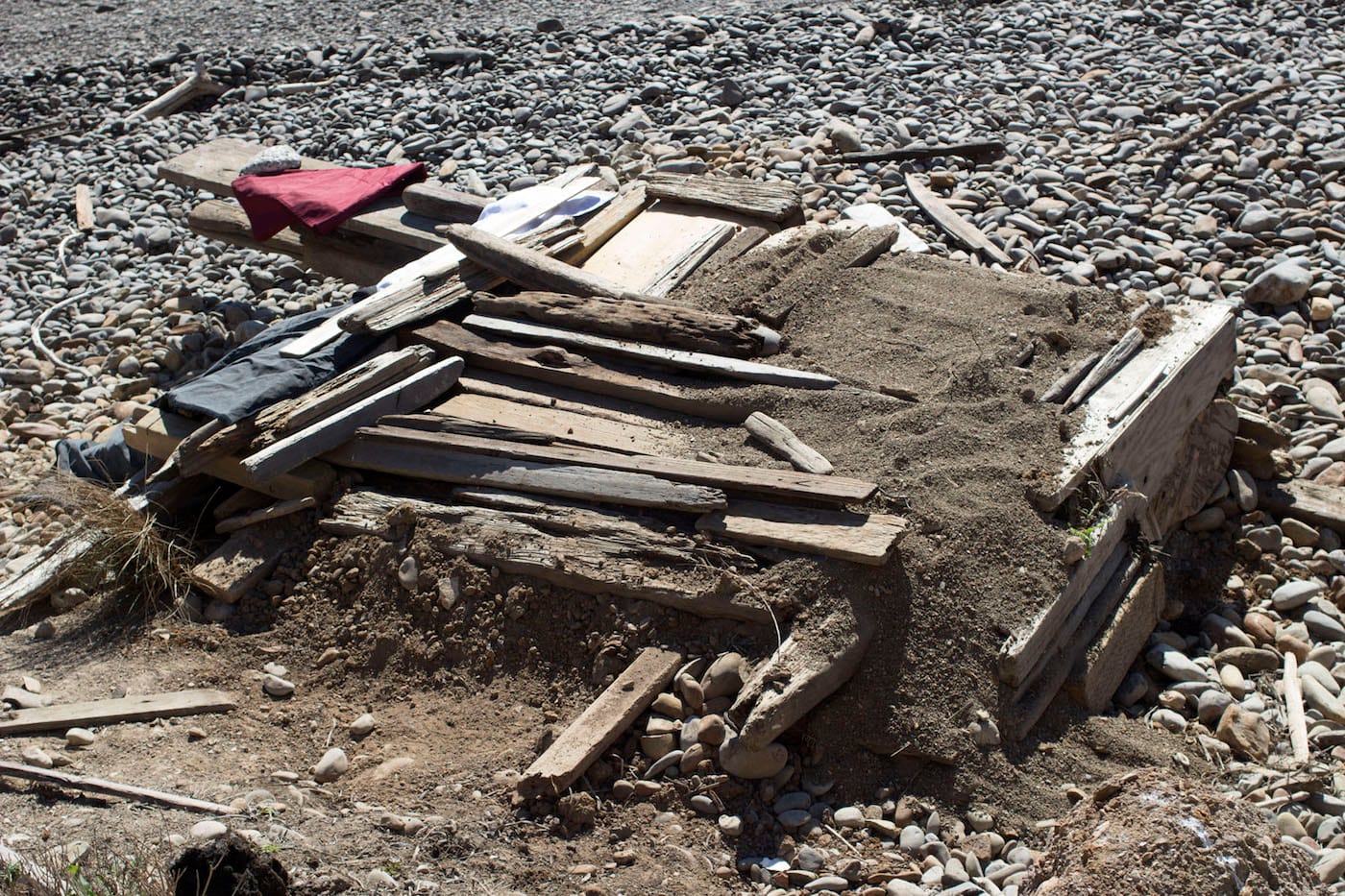
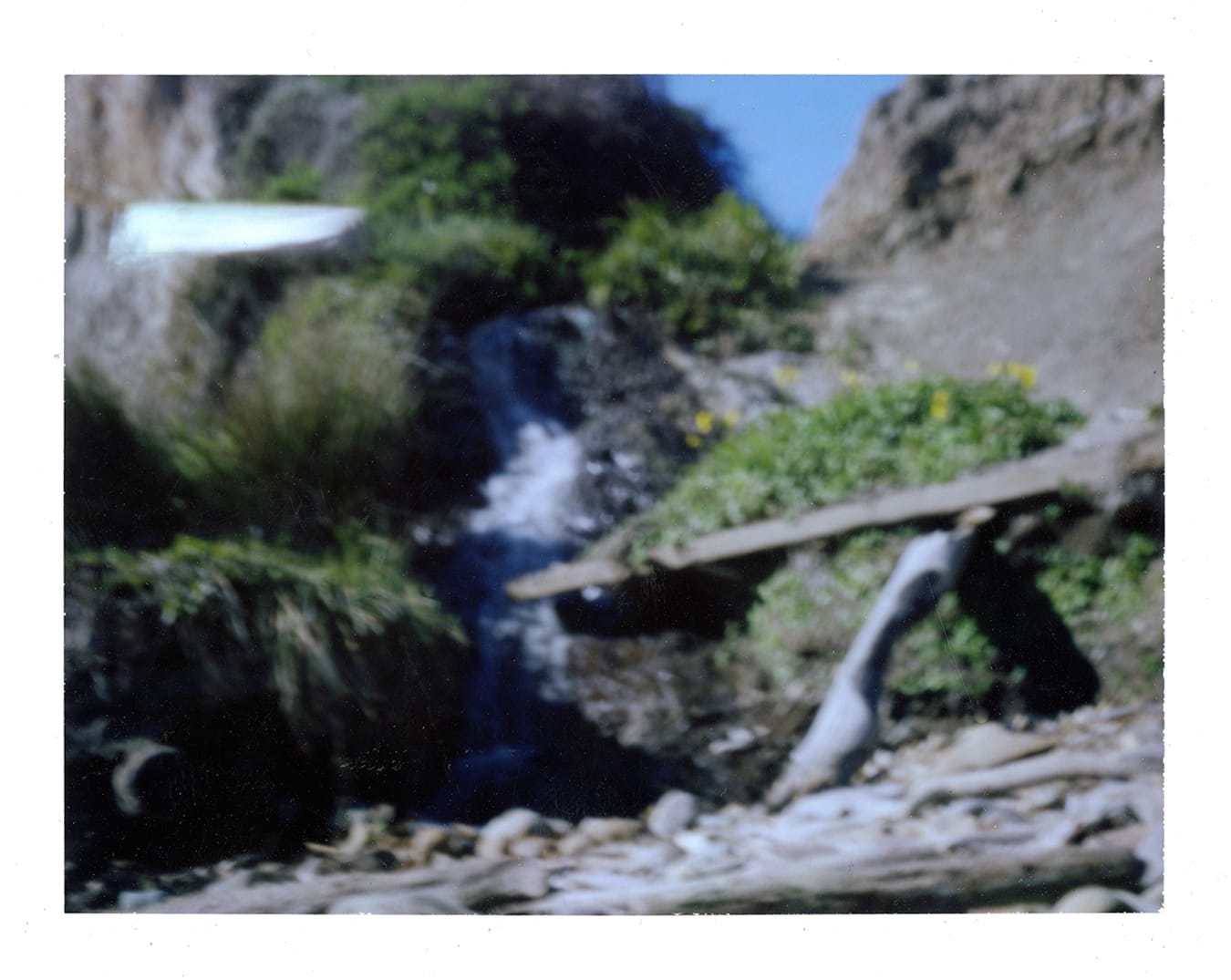
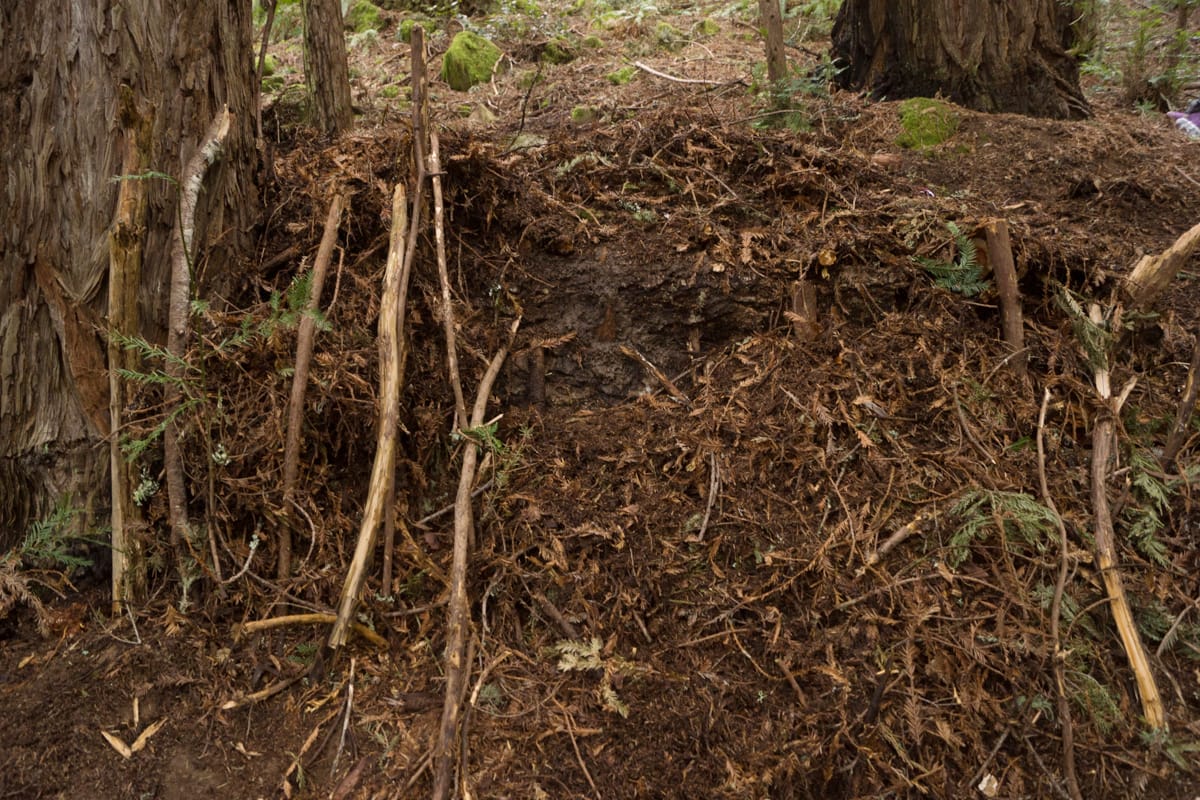
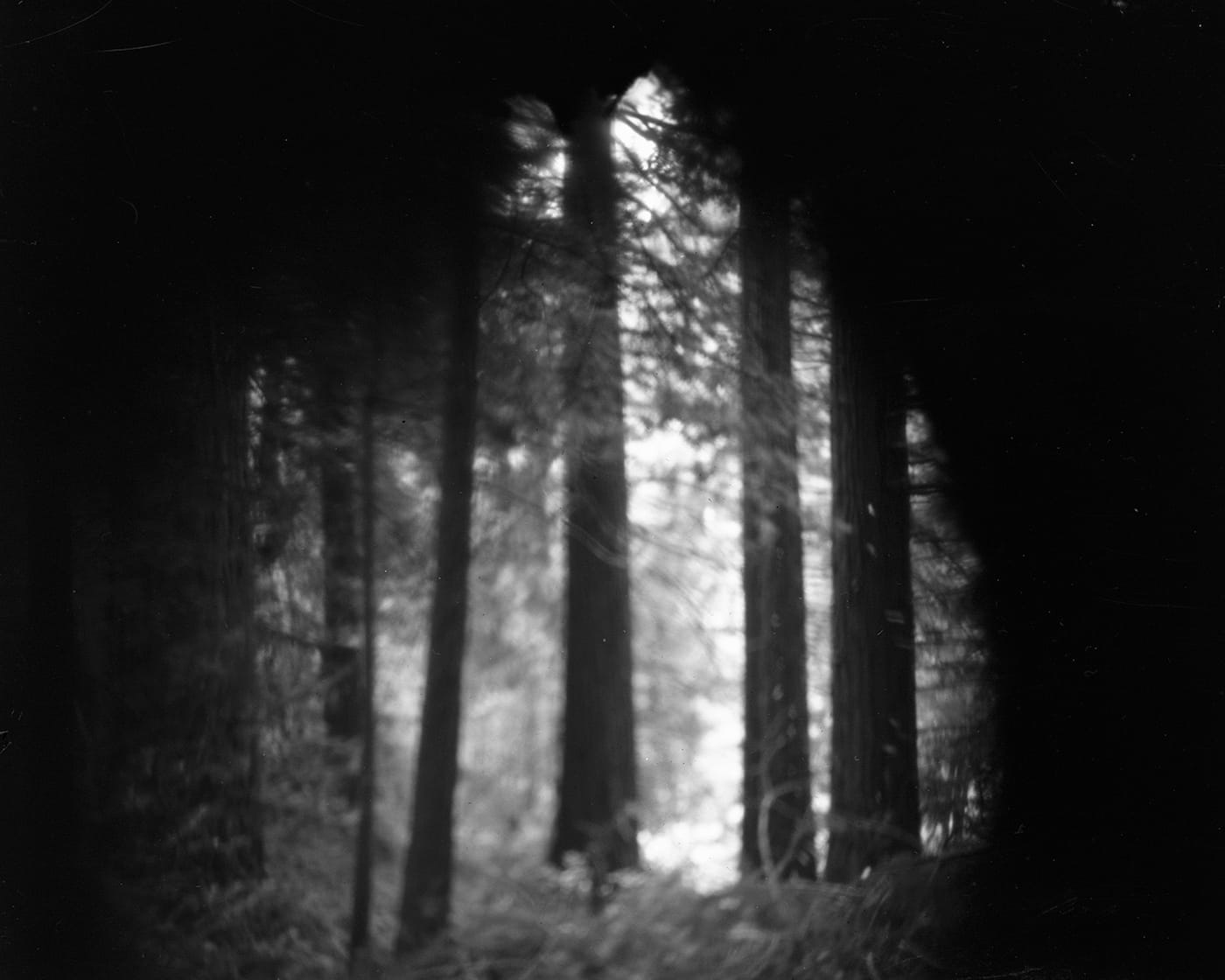
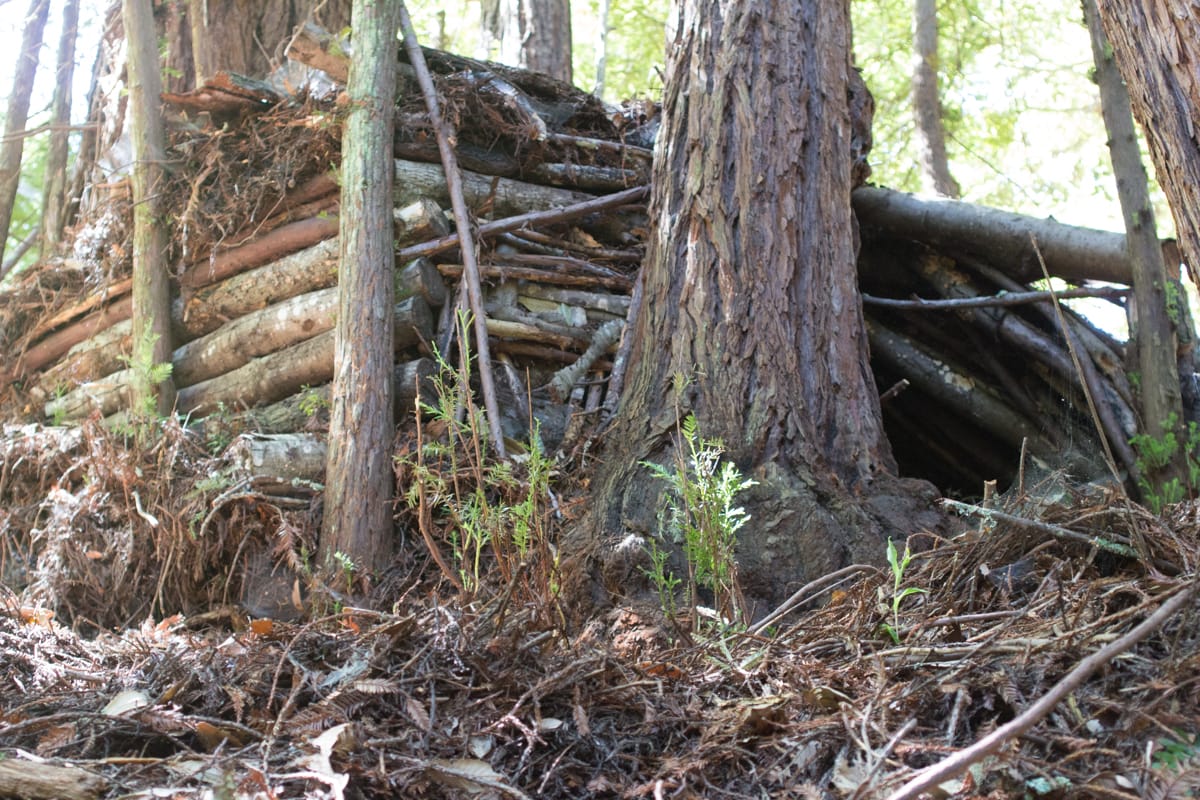
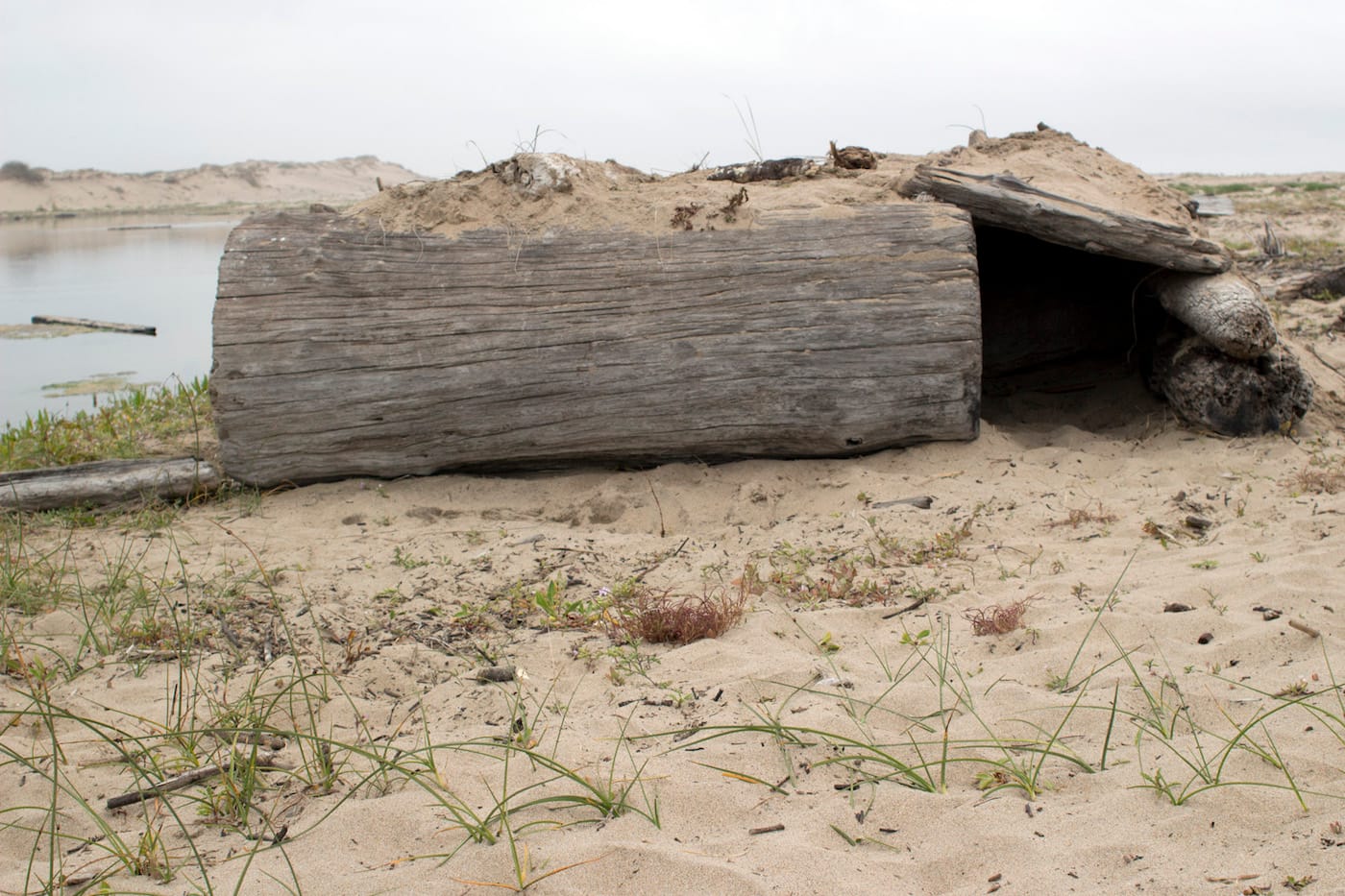
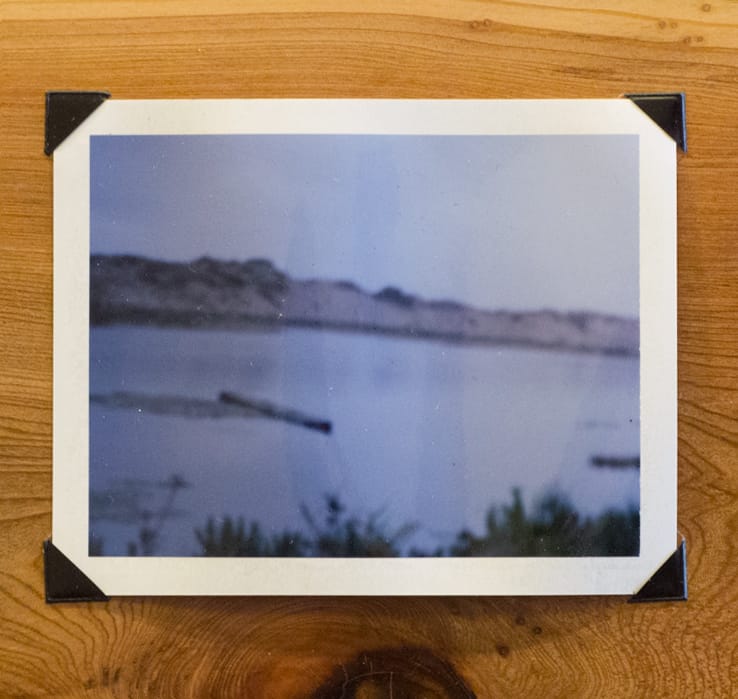
Over the past four years, artists David Janesko and Adam Donnelly have sculpted and experimented with large, site-specific cameras on sandy beaches, rocky coastlines, and grassy hills across the state of California. They’ve built their image-capturing contraptions in redwood forests, chaparral, the desert, the mountains — and after every shoot, they leave the cameras behind to weather over time. Part land art, each is made of material all found on-site, mostly natural but, at times, man-made. So far, the pair has made about 30, including one from a driftwood-walled structure at Gazos Creek that’s yielded blurry prints of the bank to another crafted simply from mud, grass, and basalt at the San Luis Reservoir. Janesko and Donnelly will embark on a two-week trip along the Rio Grande next week, building and photographing at nine different locations. Joining them are also artists Matthew Brown and Mario Casillas, who will create a documentary about the journey.
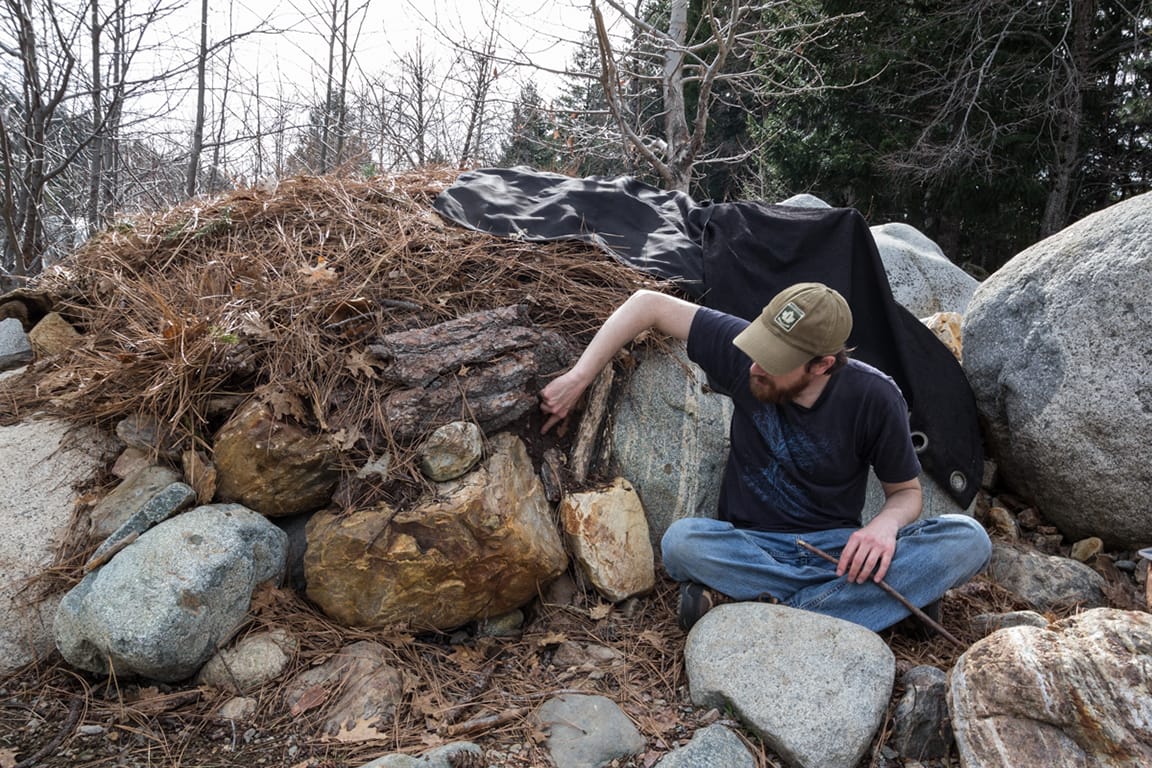
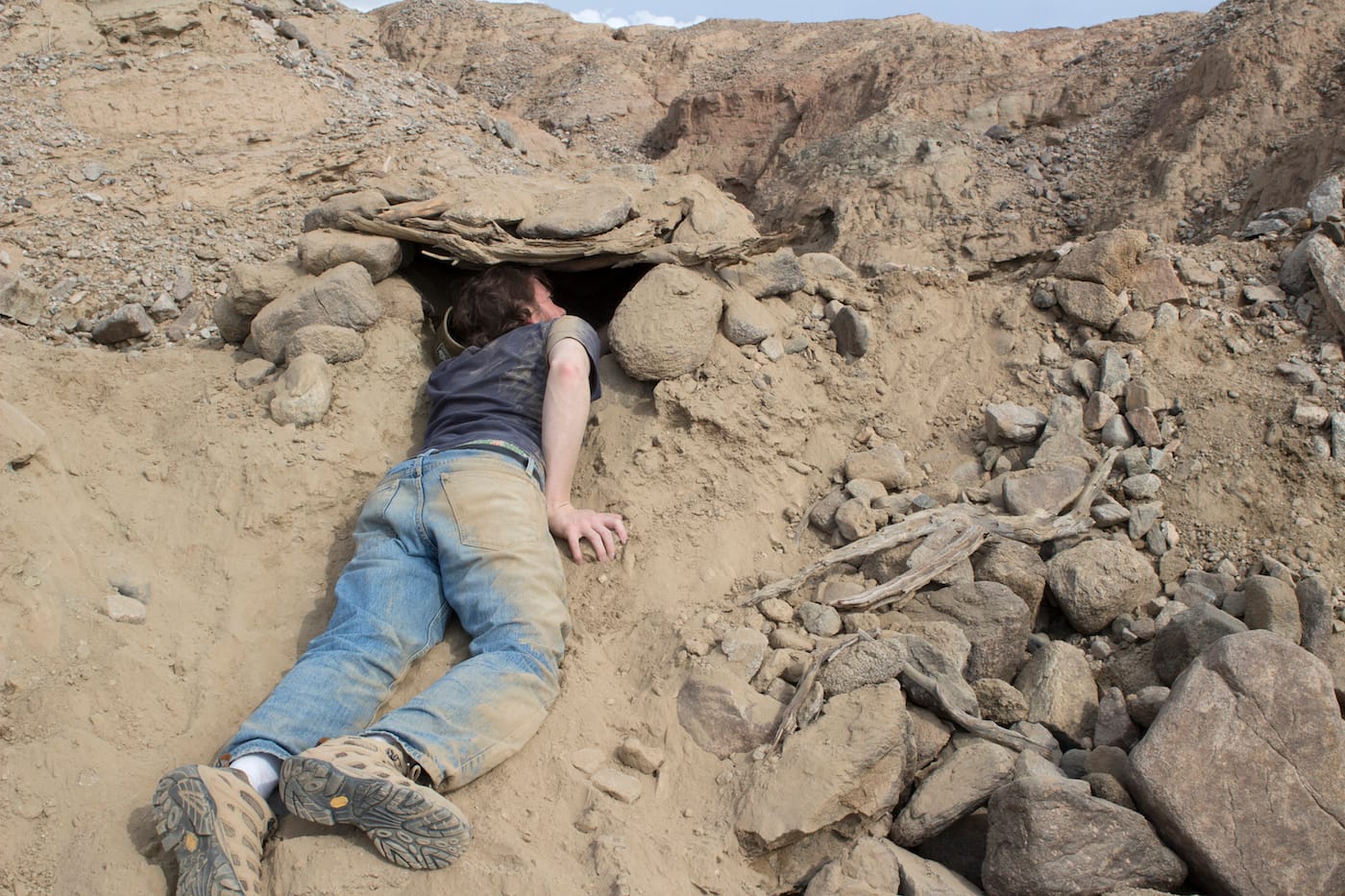
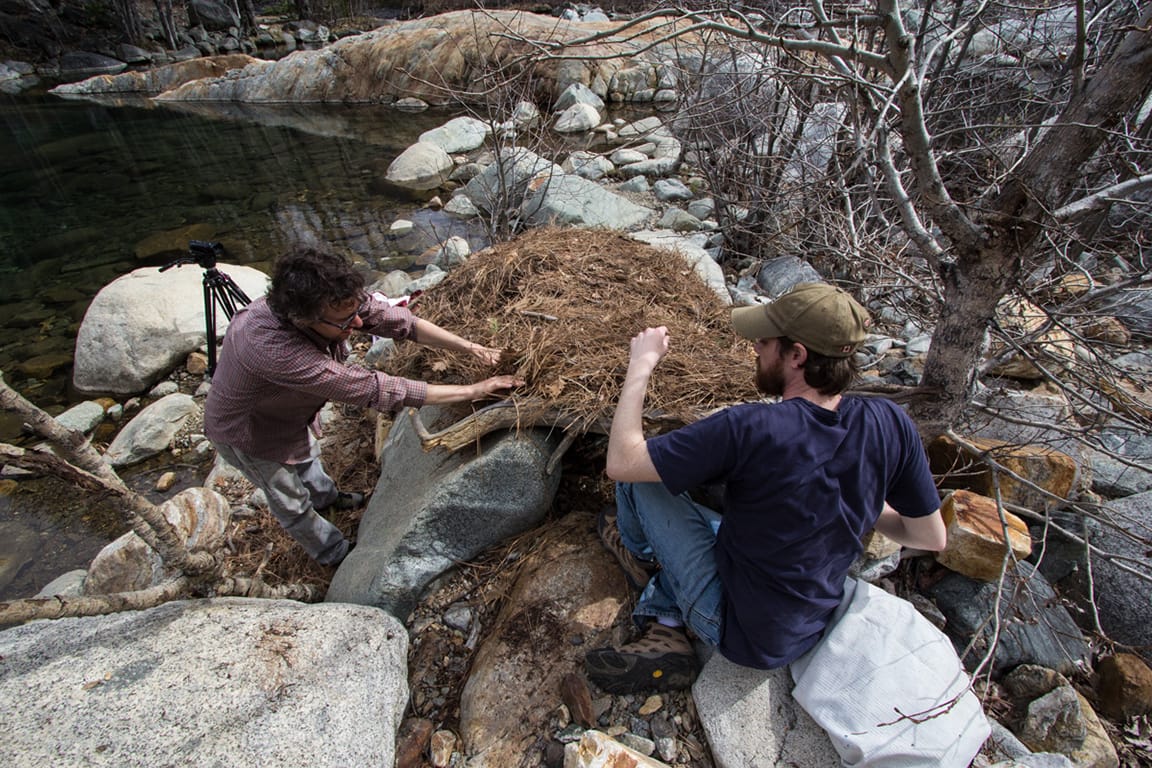
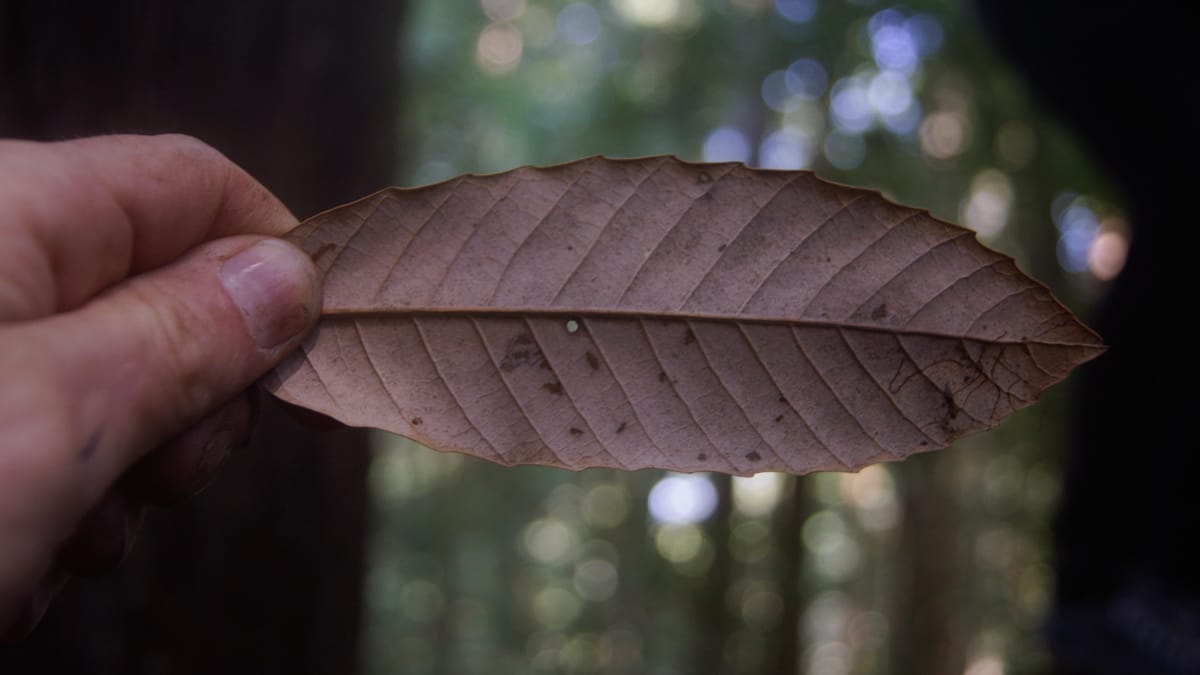
The cameras tend to resemble small caves as they require that someone enter to set up the light-sensitive material that receives the exposure; that person is usually required to lie on his stomach or curl up tightly in the small space. Meanwhile, the other person serves as a human shutter and timekeeper, using his hand to cover and uncover the lens during the exposure. As one of the three rules Janesko and Donnelly have set for every session, the lens must be an object with a preexisting hole — such as a caterpillar-bitten leaf, for instance. The other two are that the pair must collect all material within walking distance from the build site and that they should strive to build the camera in one day.
“We made this rule to put a limit on how much we can design the camera and how much we can process the building materials,” the pair told Hyperallergic. “We wanted to use the materials in their raw state — just piles of logs, sticks, sand, dirt and rocks. We did not want to be designing walls and a roof. We wanted this rawness to become part of the photographs. The more time we have, the more we can design, and the more the materials of the camera become separate from the photograph.”
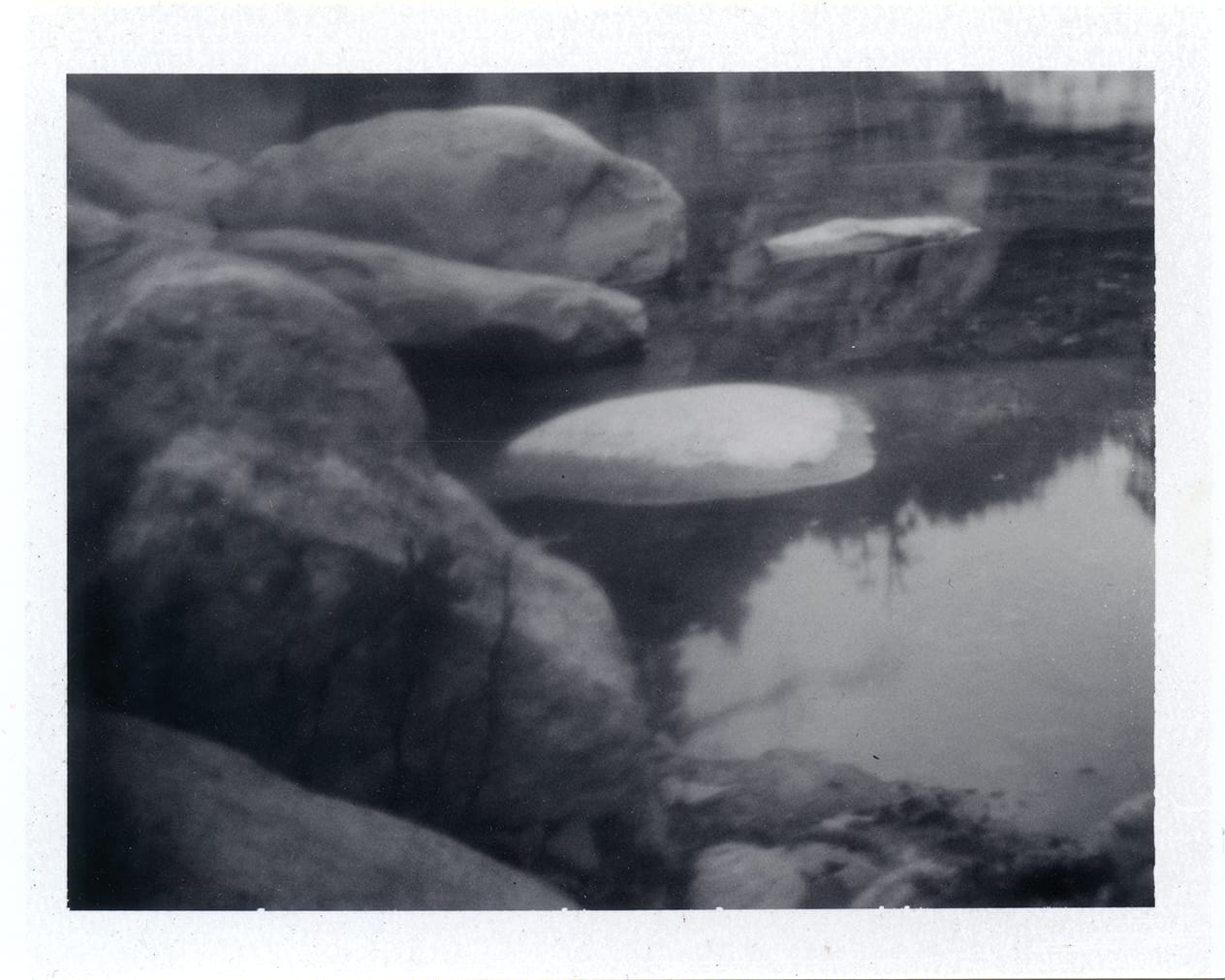
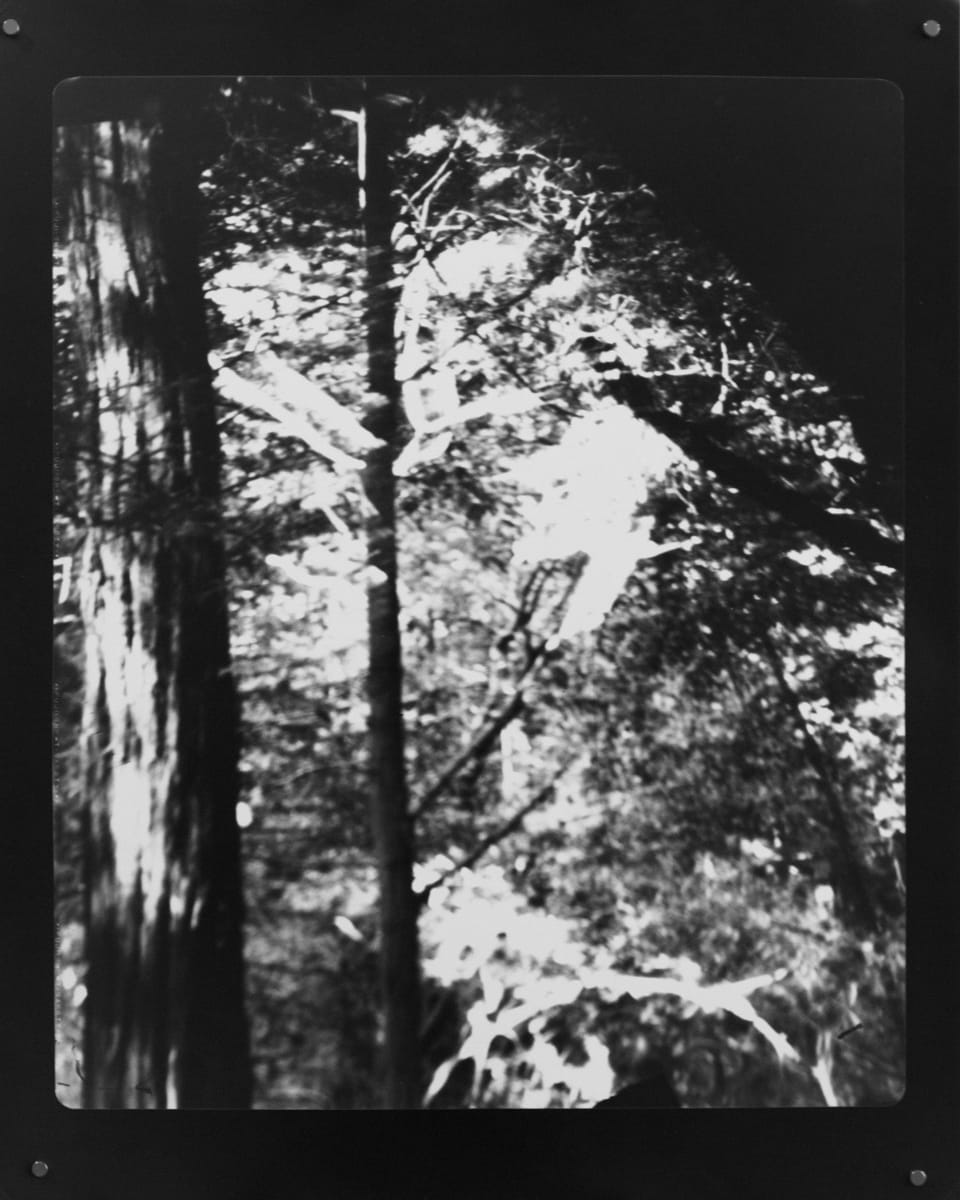
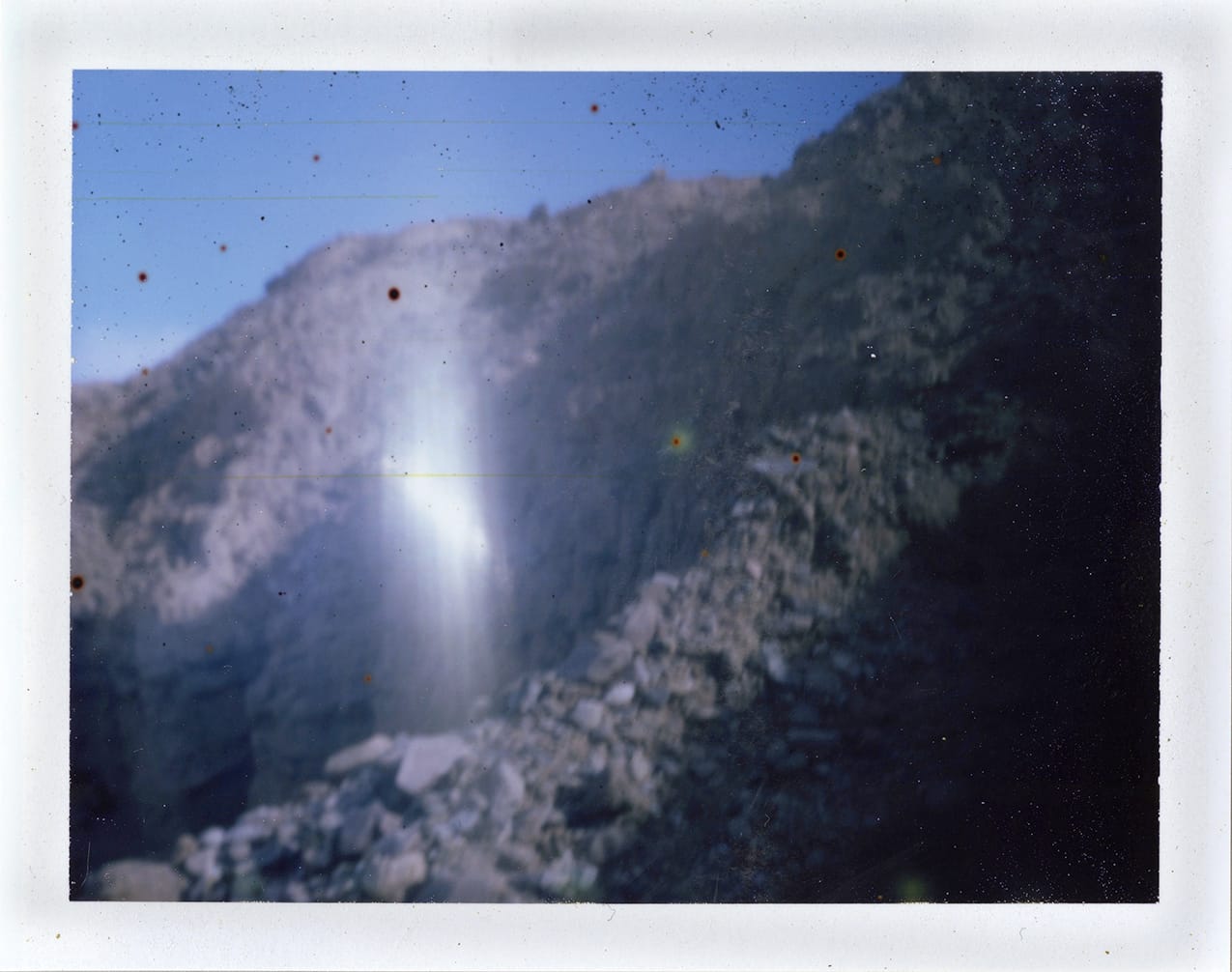
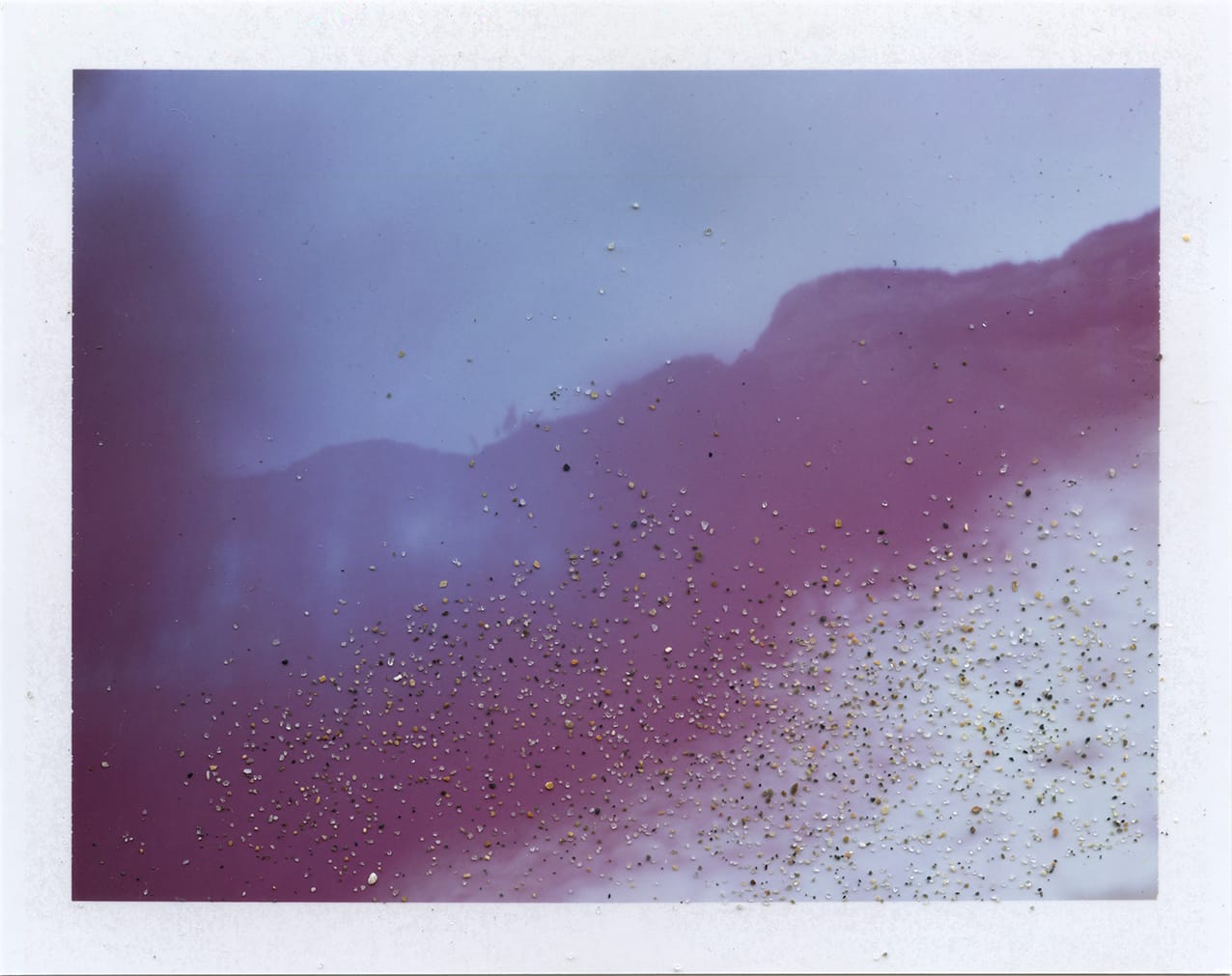
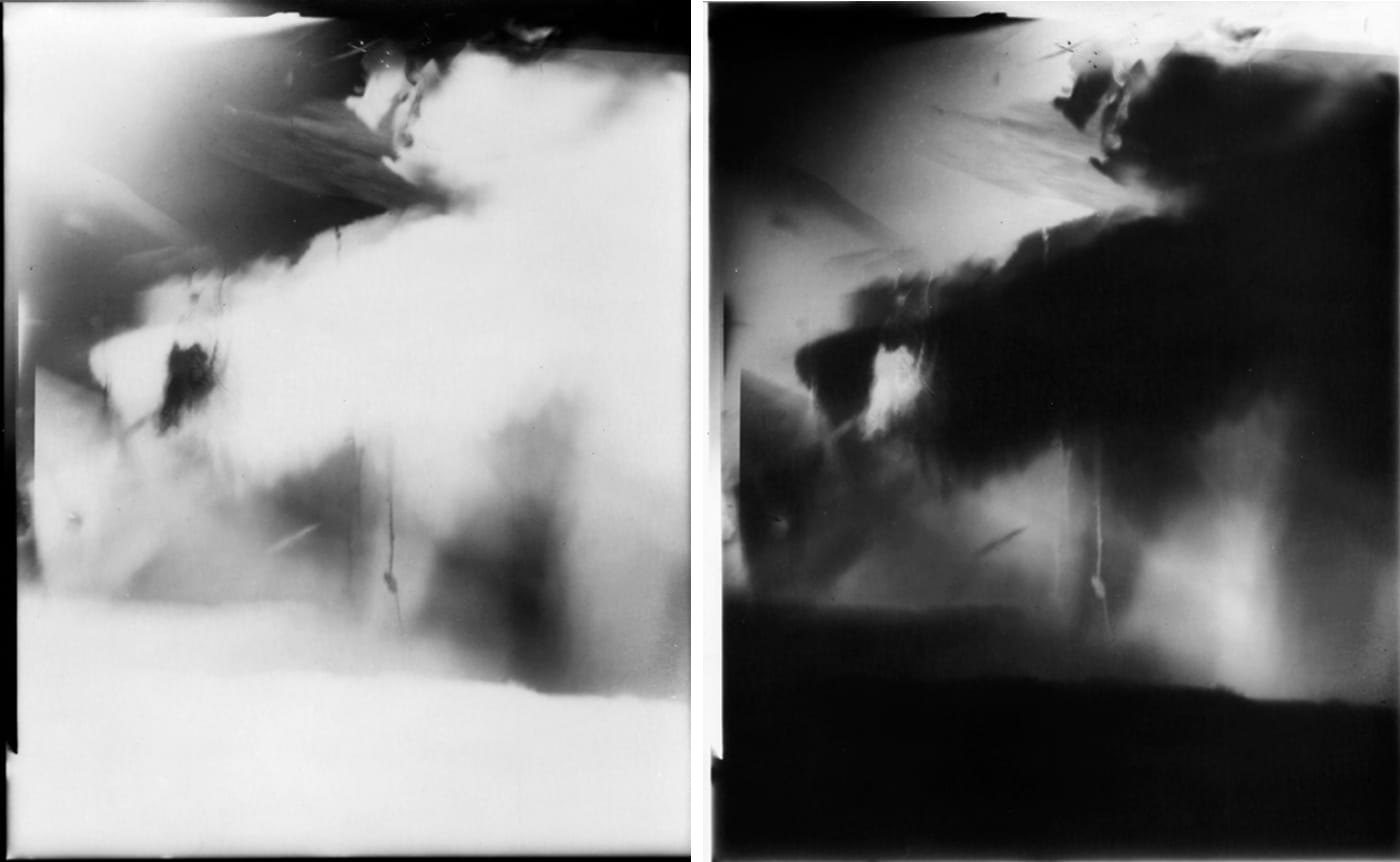
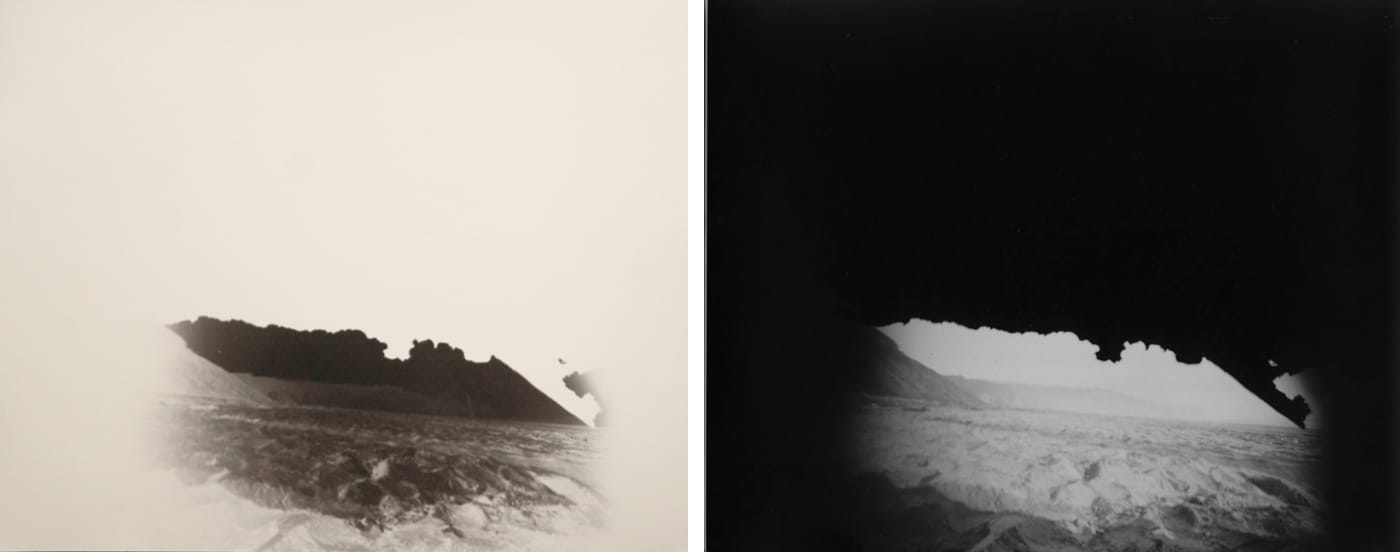
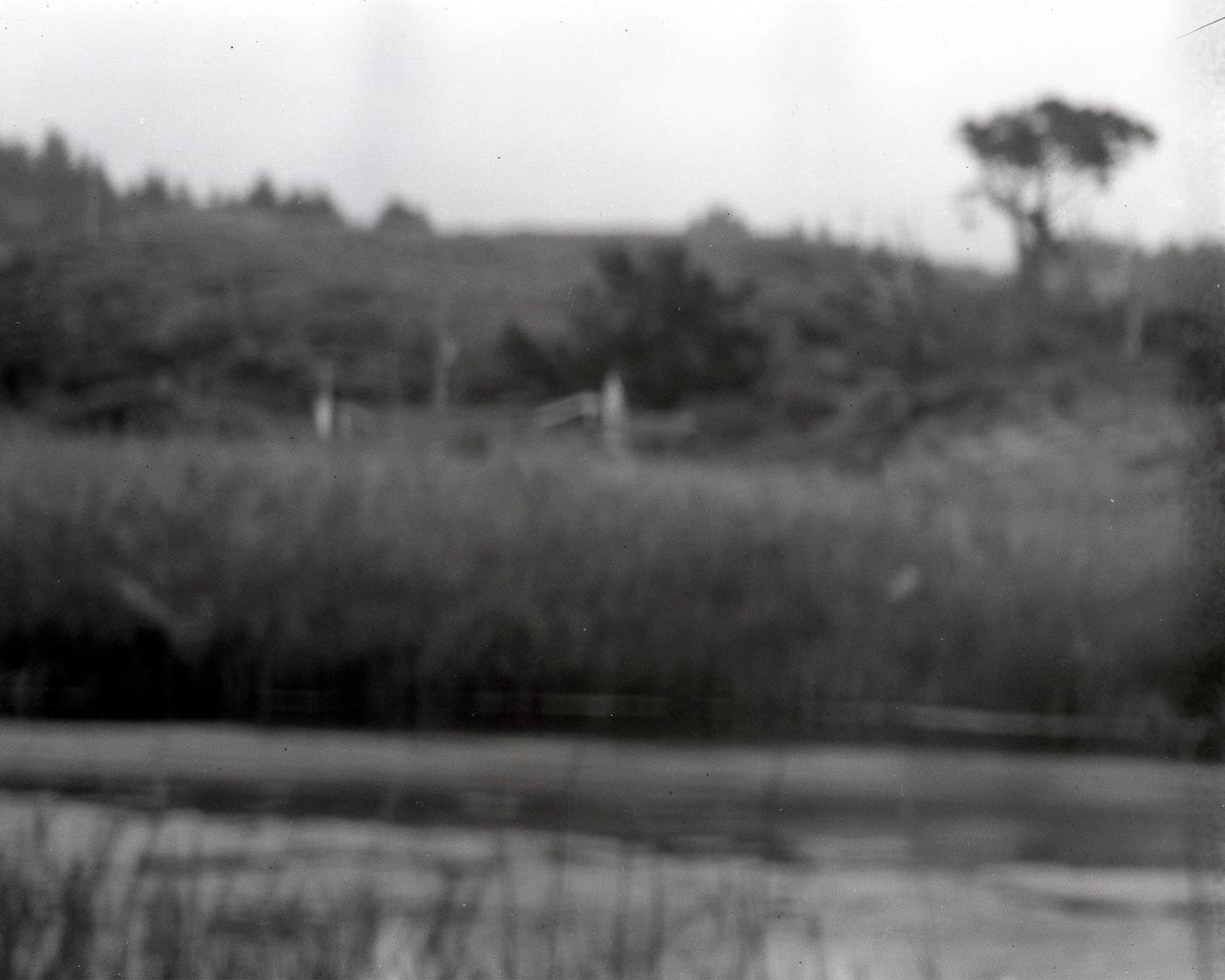
The resulting images, taken on a variety of film types, are gauzy captures offering glimpses of California’s diverse ecosystems. They are concrete products of projects built on experimentation and unpredictability: the only planning involved in each shoot is the site selection, with the materials found dictating the structure and form of each camera, as Janesko and Donnelly described.
“It is very important to us to let the materials kind of show us the best way to build,” they said. “We don’t want to get into a situation where we have this arbitrary design that we bring into the space.”
Challenges arise from the moment they reach the sites: resources may be limited, or the weather may take a sudden turn. The photographers recall bugs crawling into their ears, back pains, and run-ins with poison oak; meanwhile, a camera in-progress may collapse from structural weaknesses or nature’s forces, such as tides that have washed away beachside sand-cams. Although at times frustrating, the problems highlight the unique aspects of the environments in which they are work, which, of course, also present pleasant surprises. In Coachella Valley last spring, for instance, rain made the sand they were using feel like clay that then cracked when the sun emerged. One resulting photo revealed light leaks, but it is now among their favorites.
“We are taught to believe that a photograph isn’t successful unless it is tack sharp, perfectly exposed, and of the highest resolution possible,” the pair said. “To us, that’s boring, not to mention expensive, and we seek to challenge ourselves and the boundaries of photography in a different way.
“We don’t take or shoot photographs — we build and make photographs. We are using what is present to make a camera and an image. The physical components of the landscape feed back into the character of the camera and the final photograph. There is a link that is created between the space being photographed and the camera itself.”