6,000-Year-Old Artifacts Found Beneath UK Parliament
Archeologists said that some of the objects predate Stonehenge's earliest earthworks by 1,000 years.

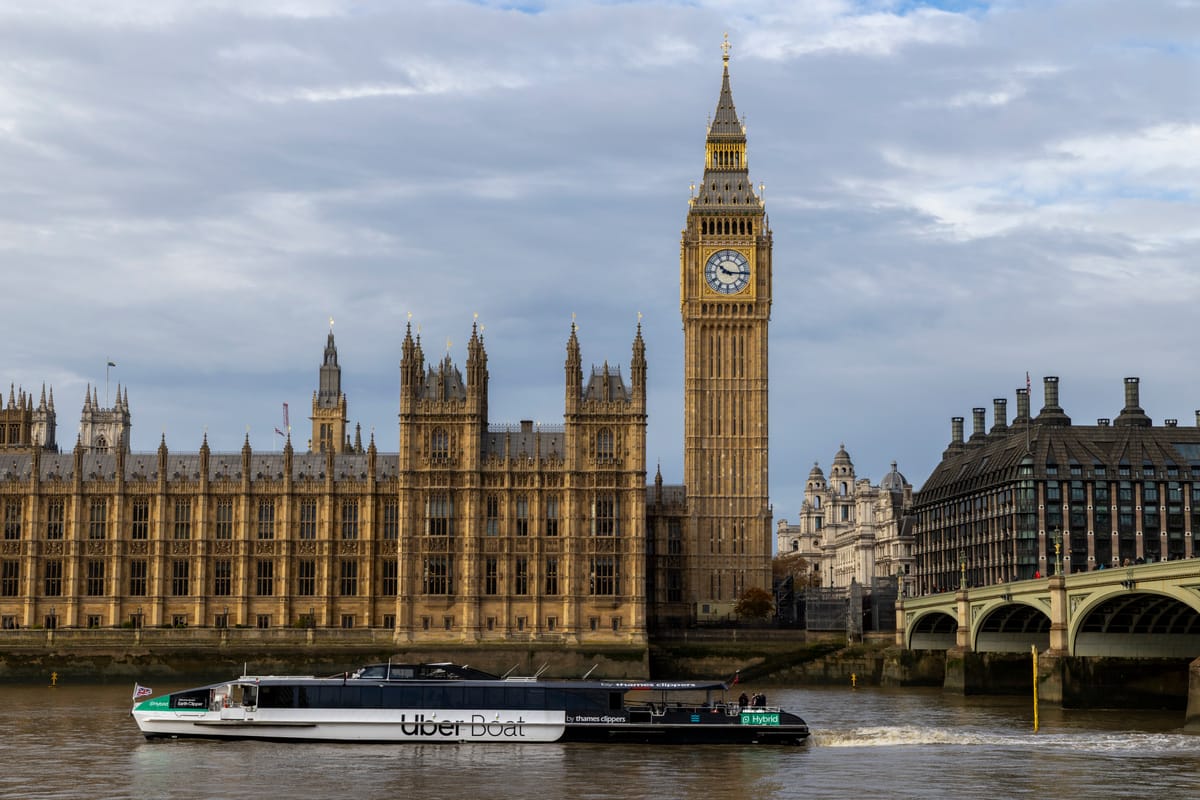
Archaeologists digging beneath the 19th-century Palace of Westminster, home to the United Kingdom's Parliament, unearthed scores of artifacts dating back 6,000 years, the Houses of Parliament Restoration and Renewal Delivery Authority announced last month.
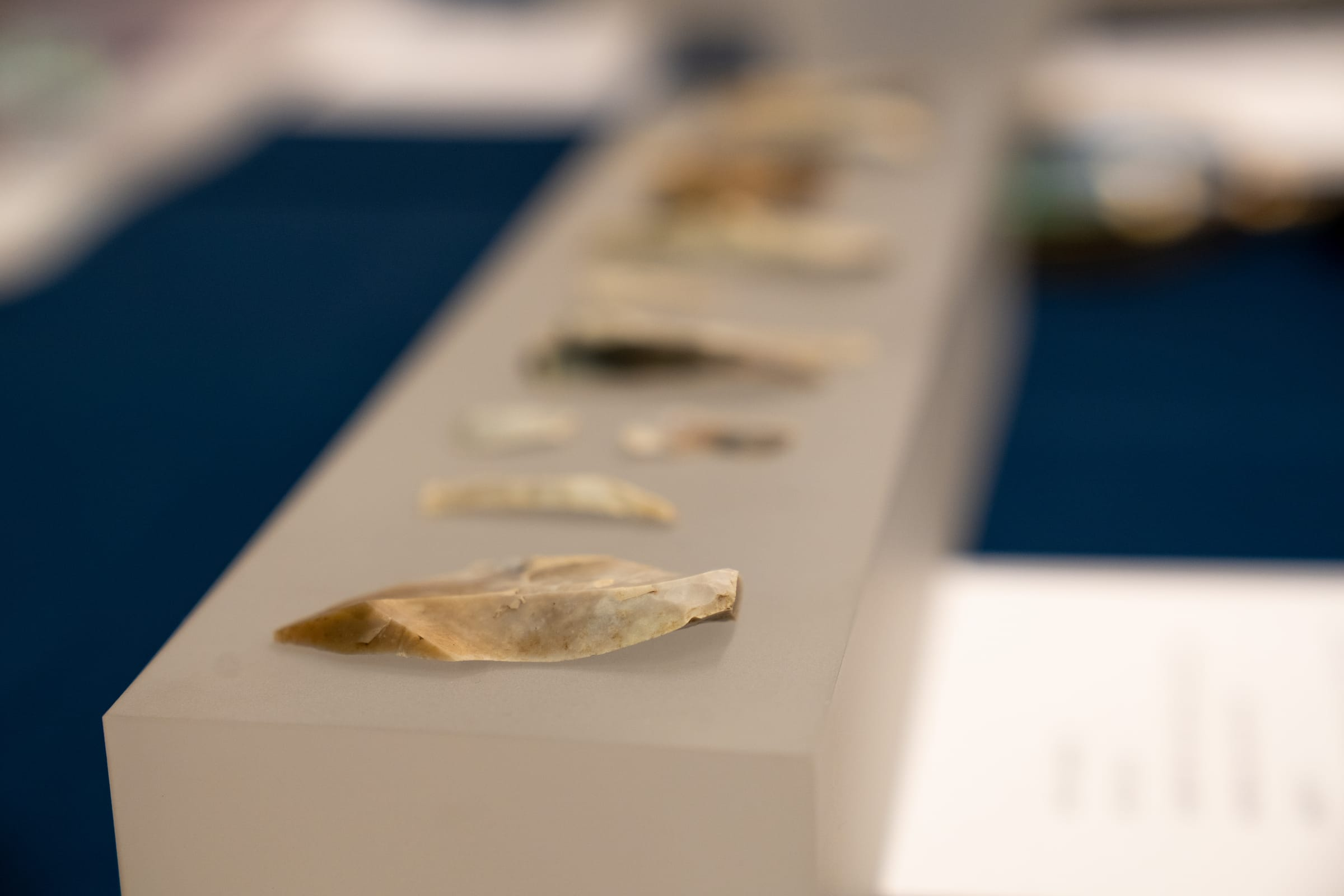
As part of a three-year investigation that will inform upcoming restoration work, archaeologists discovered 60 flint flakes they believe were used as tools around 4,300 BCE during the Mesolithic or early Neolithic period. The archaeologists also uncovered additional items, including 800-year-old footwear and a 19th-century beer jug. The group noted that the flint artifacts predate Stonehenge's earliest earthworks by 1,000 years. At Stonehenge, flint tools are believed to have been used to chip and shape stone.
The flint artifacts, said the Restoration and Renewal Delivery Authority in a press release, originated from the now-gone Thorney Island, formed by the once intersecting Thames and River Tyburn. Prehistoric people, archaeologists said, used that island stretch for fishing, hunting, and food gathering. The objects were discovered in the Cromwell Green section of the property.
The discovery comes as parliament weighs costly options for the much-needed restoration of the building.
Parliament was expected to vote on a final plan for the restoration of the palace later this year, but the process appears to be delayed again as members contend with a multibillion-pound price tag on the renewal. Proponents for urgent restoration caution against increasing fire risk to the building as it ages. Over the last decade, there were a reported 44 fires in the building.
Judith Cummins MP, Restoration and Renewal Delivery Authority board chair, said in a statement that the discovery came as part of inquiries into the building's history as it prepares for a major renovation "to understand more about the building and the thousands of years of history underneath the home of Parliament." Nine areas of the Westminster campus are subject to the investigations, including the Royal Court, Speaker’s Court, and the Thames River shoreline.
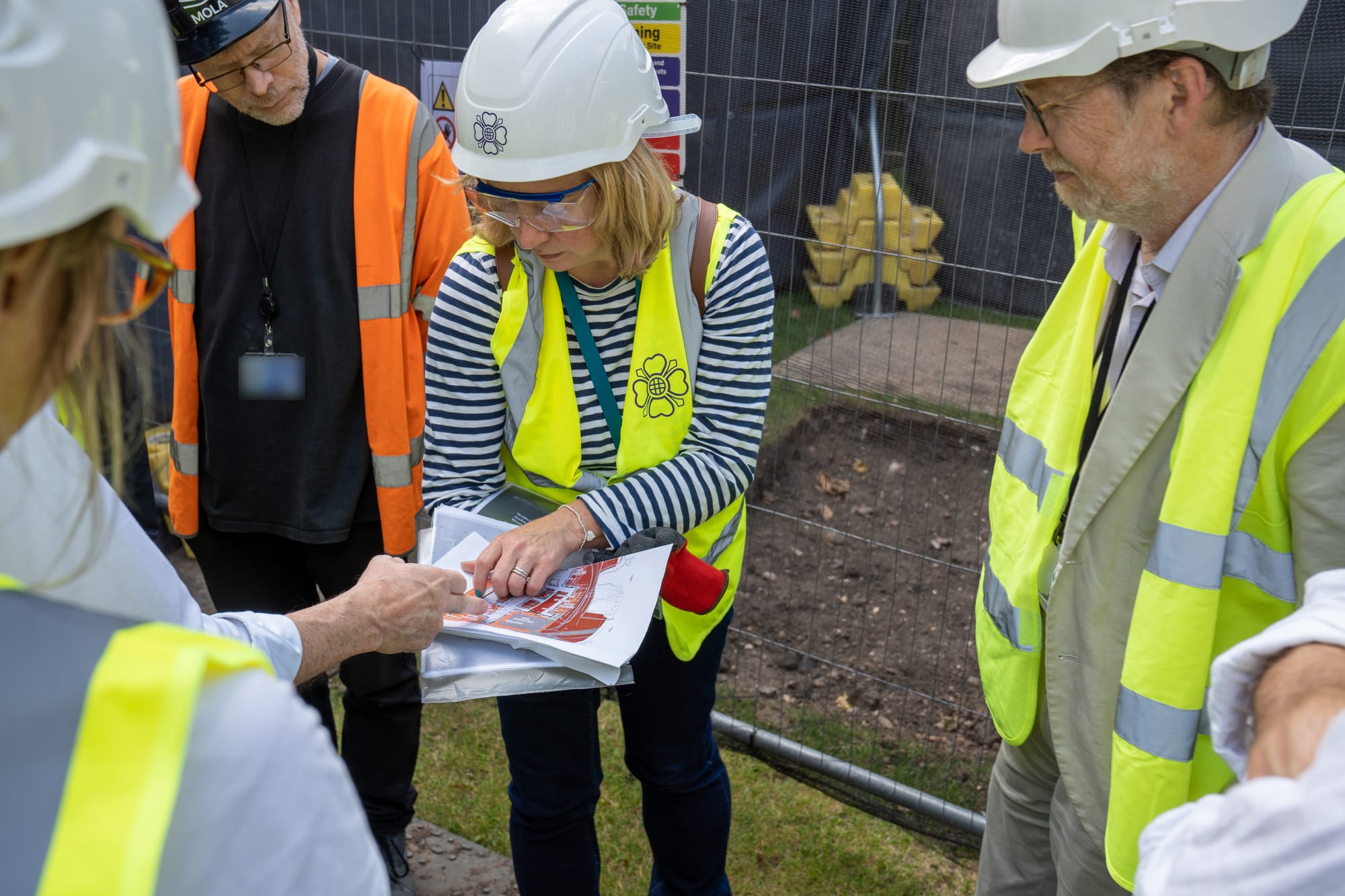
"It is vital we continue these investigations to understand what lies beneath the ground here at an early stage to inform and guide decisions on design and further surveys ahead of future enabling and construction works," Diane Abrams, the lead archaeologist for the investigations, said in a statement. "This ensures the site’s extraordinary heritage and archaeology is managed appropriately while enabling the safe and efficient delivery of the Restoration and Renewal Programme.”
Earlier this year, archaeologists at the site uncovered part of a medieval two-story hall from 1167, believed to have burnt completely in the 19th century, which once served as a dining area and as the Court of Chancery, the Court of Requests, and for parliamentary functions. In a statement, the Restoration and Renewal Delivery Authority said this previous discovery had been the most important of the group's work to date.
The investigations will carry on through 2026, and a final report on the group's findings will be released in 2027.