All I Want for Christmas Is More Art Books
But who has the shelf space?
“Everybody loves blue. It is human as can be. But everybody doesn't love Black — many have hated it — and that is inhumane. If you don't already, I will make you love it with my blues song.”
Imani Perry offers this and other razor-sharp revelations in Black in Blues, not quite an academic art history book nor a personal essay collection. That ambiguity is precisely what makes it a must-read for any artist or visual thinker; it’s a chance to behold the global history of Blackness and the color blue through Perry’s eyes. She links the blue of the ocean to the Middle Passage, and reflects on artworks like Lorna Simpson’s monumental blue paintings and David Hammons’s “Concerto in Black and Blue.” Like the color itself, it’s joyous, painful, and luminous all at once.
Black in Blues is just one of our favorite art books of 2025, a year in which we read widely and well. Check out our picks, from a re-issue of THING magazine and a novel about the Berlin art world to Emily Mason’s monograph and a reader on Native visual sovereignty.
View the full list of our favorite art books of 2025.
Thank you, as always, for reading along! Let me know what books you’re curling up with this holiday season, art-related or not.
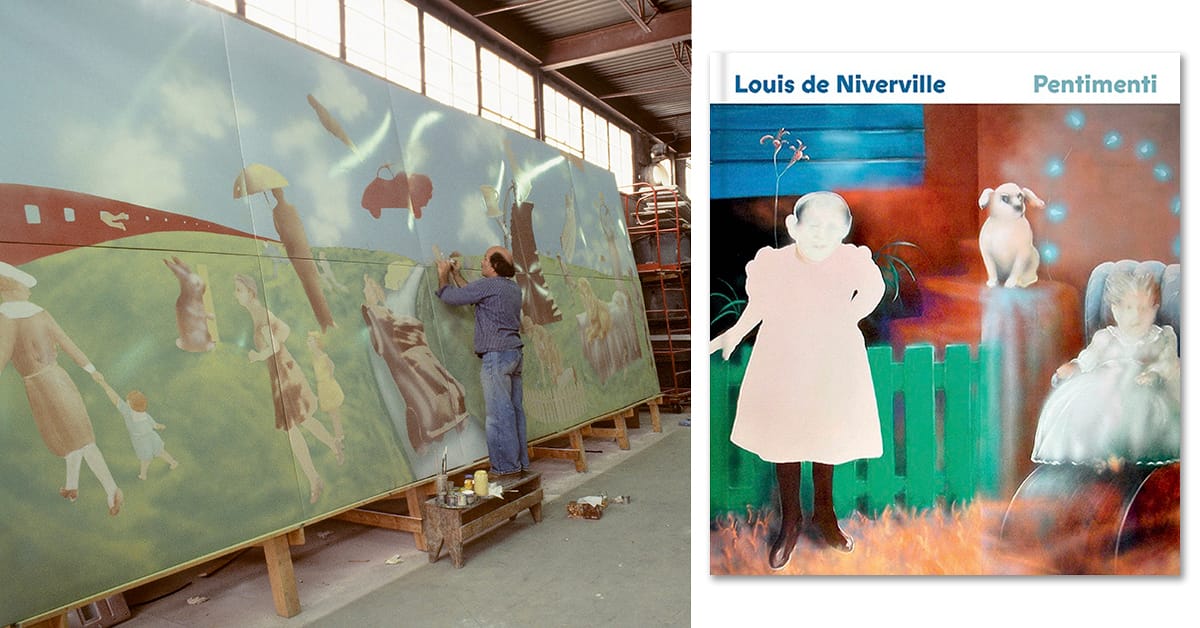
New Monograph Explores the Life and Work of Louis de Niverville, Painter of Dream Worlds
A long period of isolation during childhood influenced the work of Canadian painter and collagist Louis de Niverville. Pentimenti surveys his wide-ranging body of work, which abounds with vivid, dream-like imagery, and reveals his uncanny ability to probe fantasy, myth, and his own subconscious.
Reviews
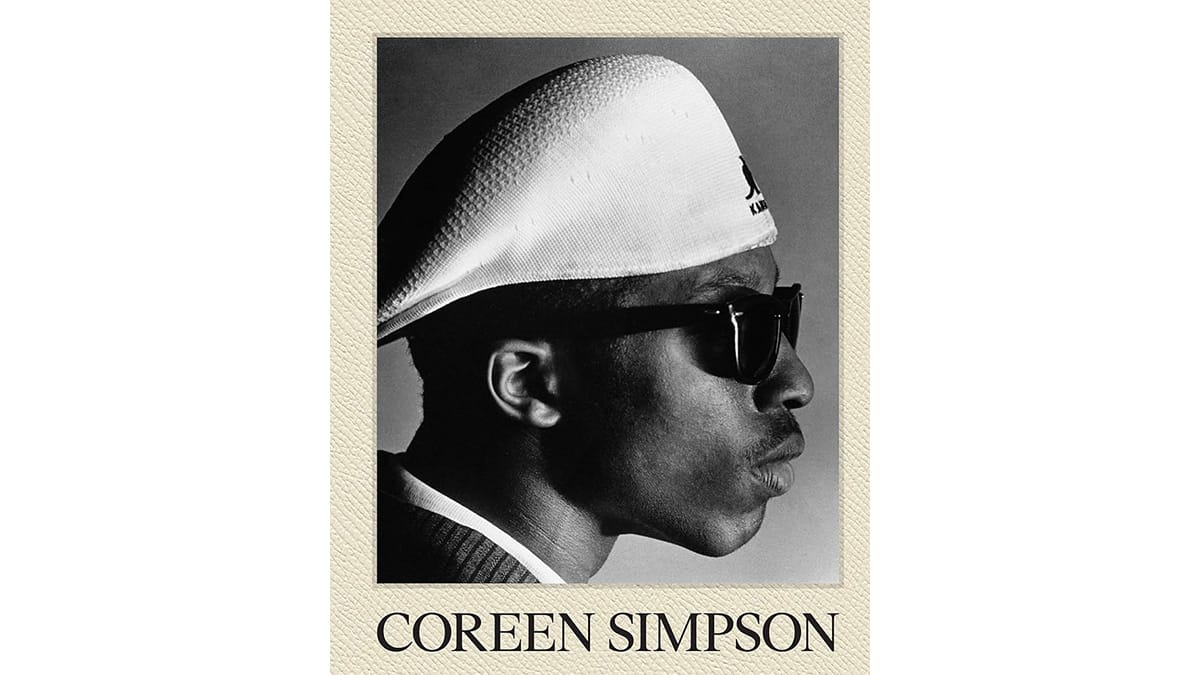
Coreen Simpson: A Monograph is an overdue ode to the 83-year-old artist whose photography, as editors Sarah Lewis, Leigh Raiford, and Deborah Willis explain, is a "celebration of Black self-fashioning." This beautifully composed book foregrounds the tender intimacy of her lens, which makes these photos as vital as the day they were taken; it's easy to see why it was one of critic Jasmine Weber's favorites of 2025.
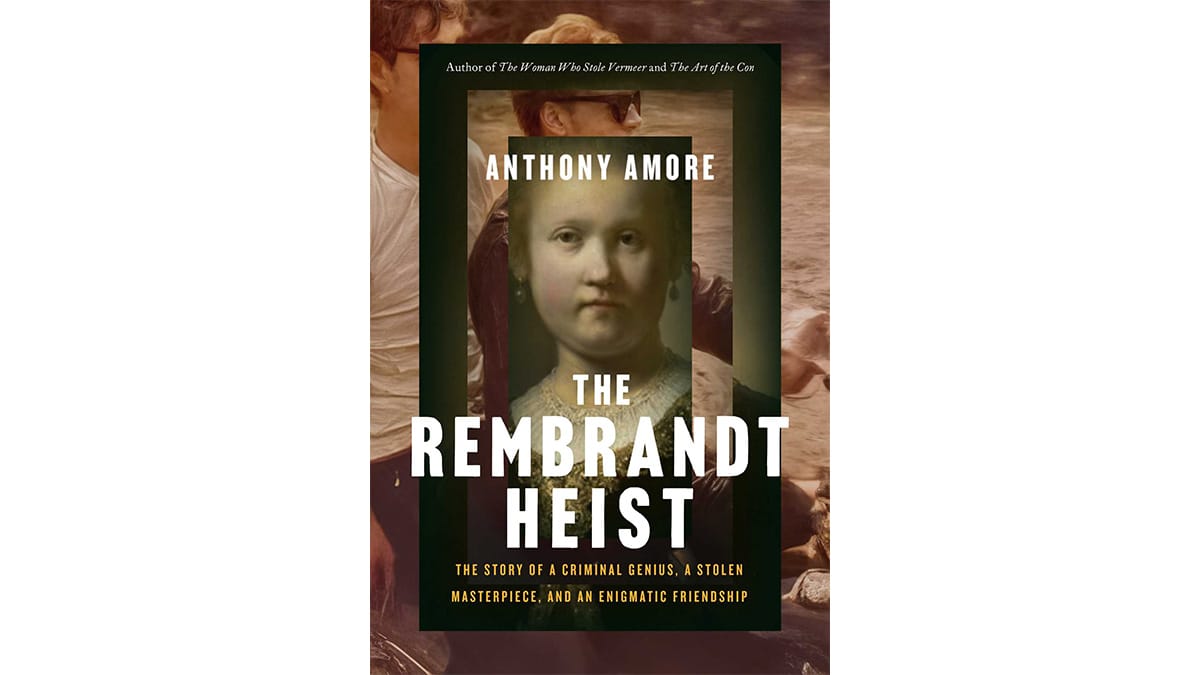
Who better to review Anthony M. Amore's The Rembrandt Heist: The Story of a Criminal Genius, a Stolen Masterpiece, and an Enigmatic Friendship than Erin L. Thompson, art crime professor and sleuth extraordinaire? She tackles this tale of a notorious art thief who estimates that he stole from 30 museums and collections during his long career.
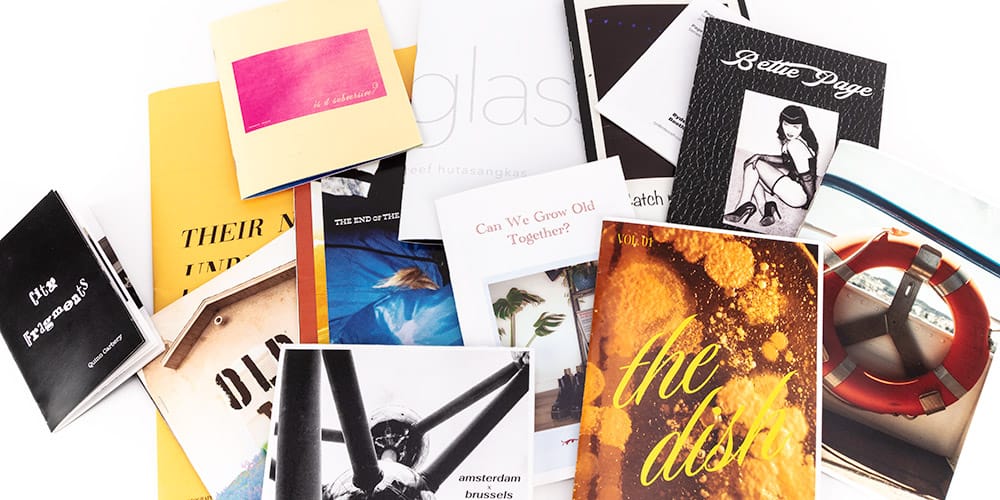
Transdisciplinary Creative Writing at Pacific Northwest College of Art
PNCA’s MA in Critical Studies and Low Residency Creative Writing MFA programs treat language as one among many materials. Core faculty include Alejandro de Acosta, Stephanie Adams-Santos, Jess Arndt, Sara Jaffe, Megan Milks, Poupeh Missaghi, Lara Mimosa Montes, Vi Khi Nao, Emilly Prado, Brandon Shimoda, Dao Strom, and Asiya Wadud.
ICYMI
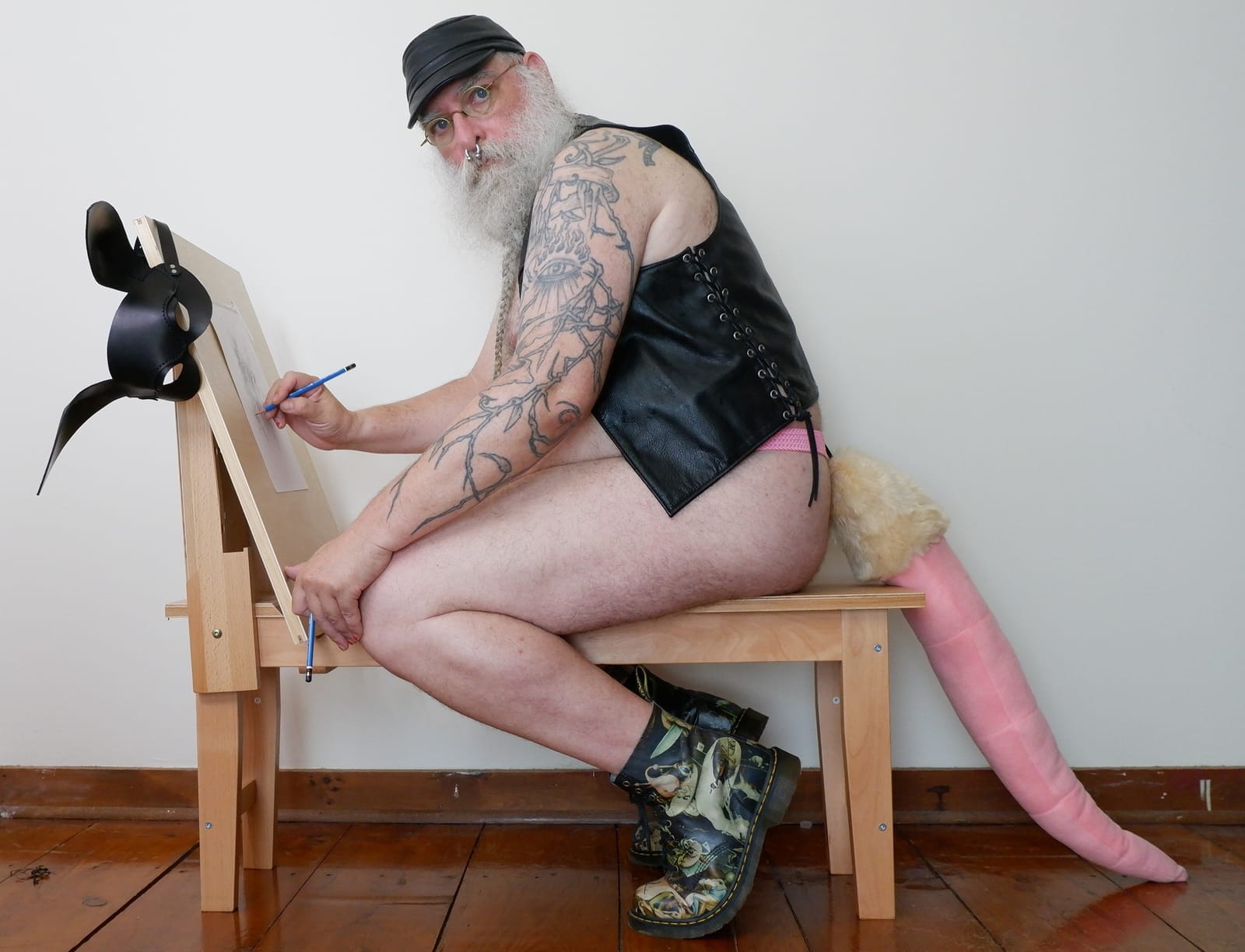
In this excerpt from their recent interview and essay collection, My Studio Is a Dungeon Is the Studio, artist Nayland Blake gives us 100 assignments that "will provide the practitioner with a path to the deviations within themselves." You can begin at the beginning or somewhere in the middle, perhaps at number 33: "Pick a favorite album. Make one piece for each song."
Other Books I’m Reading This Week
The Ministry of Time (2024) by Kaliane Bradley has me enthralled. Disquieting and exquisitely written; a perfect sci-fi-thriller-romance hybrid for December. [Bookshop.org]
Pride & Prejudice (1813), my first re-read since middle school, in honor of Jane Austen’s 200th birthday tomorrow (yes I tried to get into the Strand's tea party in her honor, no I was not successful in securing a ticket, it's a sore subject). [Bookshop.org]
From the Archive
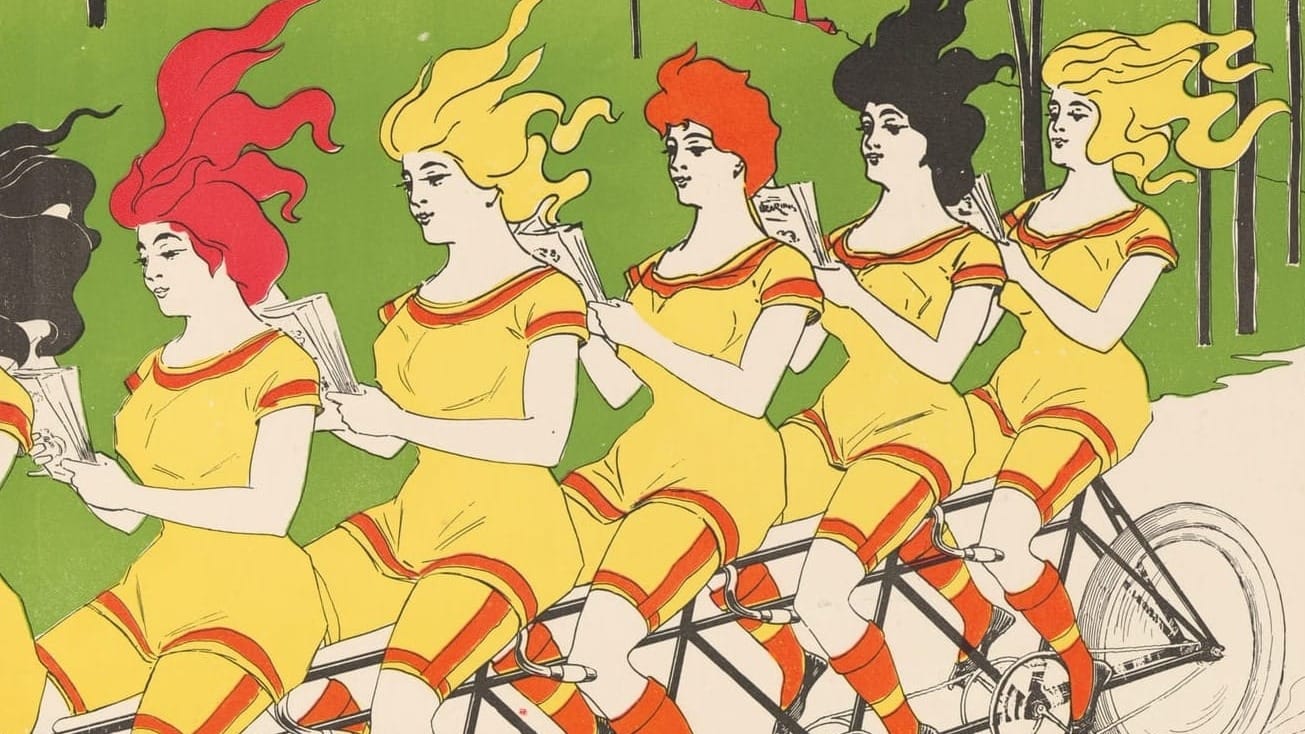
The Spellbinding, Bookish World of Art Nouveau Posters
The Art of the Literary Poster examines the commercial, artistic, and political dimensions of the late-19th-century form. | Sarah Rose Sharp