Anni Albers Wasn’t Afraid to Start From Zero
Nicholas Fox Weber’s new biography draws on their nearly 25-year friendship, allowing her dedication to textile art and her warm humor to shine through in equal measure.

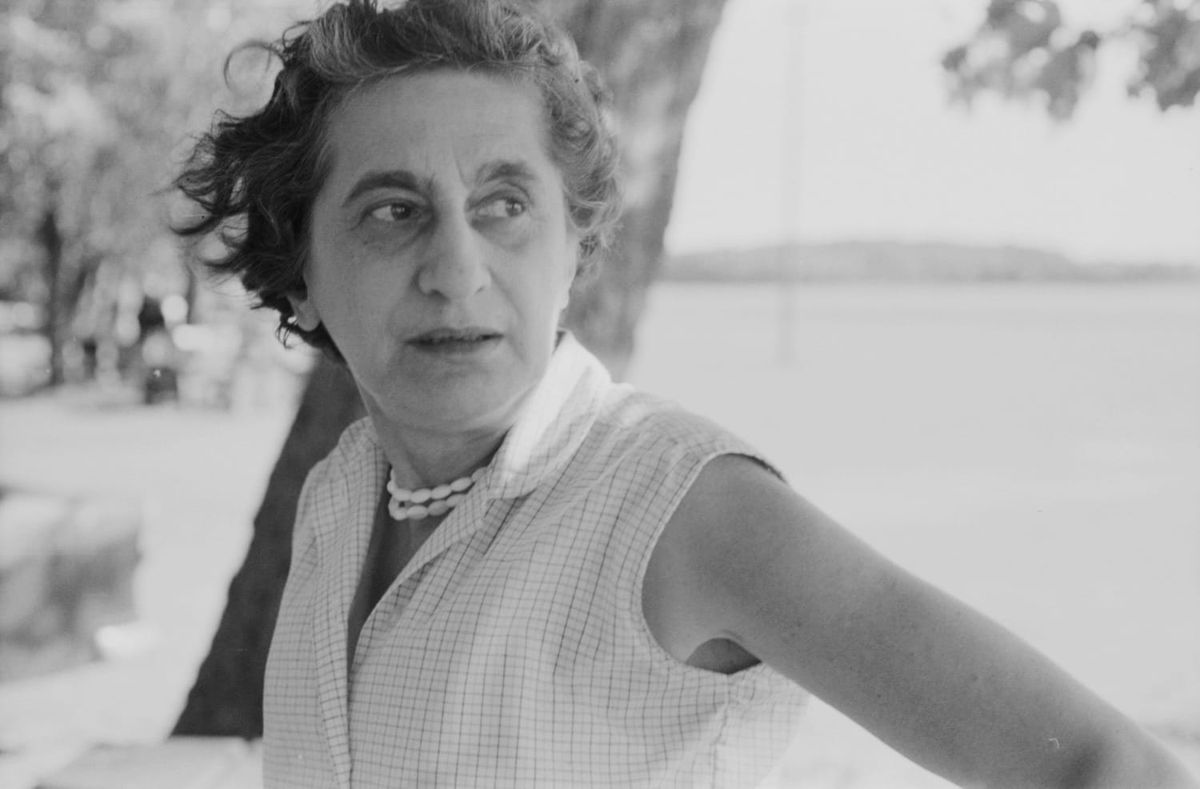
You might know Anni Albers for her revolutionary, abstract woven artworks that helped pave the way for textiles to gain broad acceptance as a museum-worthy form. And perhaps you’re familiar with her incisive essays and books on weaving and design, art prints, fabric designs (some of which are still in production), or formative time spent in the weaving programs at two legendary schools: the Bauhaus and Black Mountain College, as a student and a teacher, respectively. But you might not know about the artist’s obsession with white blouses, how much she delighted in English-language idioms, and her penchant for extra-crispy Kentucky Fried Chicken.
Packed with lively detail and illuminating anecdotes, Nicholas Fox Weber’s Anni Albers: A Life traces the historic sweep of the artist’s biography and career, from her birth to a wealthy Jewish family in Berlin in 1899 to her 1933 escape from Nazi Germany to her later years in Connecticut. Her brilliant and independent mind, unsentimental practicality and determination, acidic zingers, and warm humor shine through in this nuanced, unvarnished portrait, with an almost familial closeness that’s one of its greatest strengths.
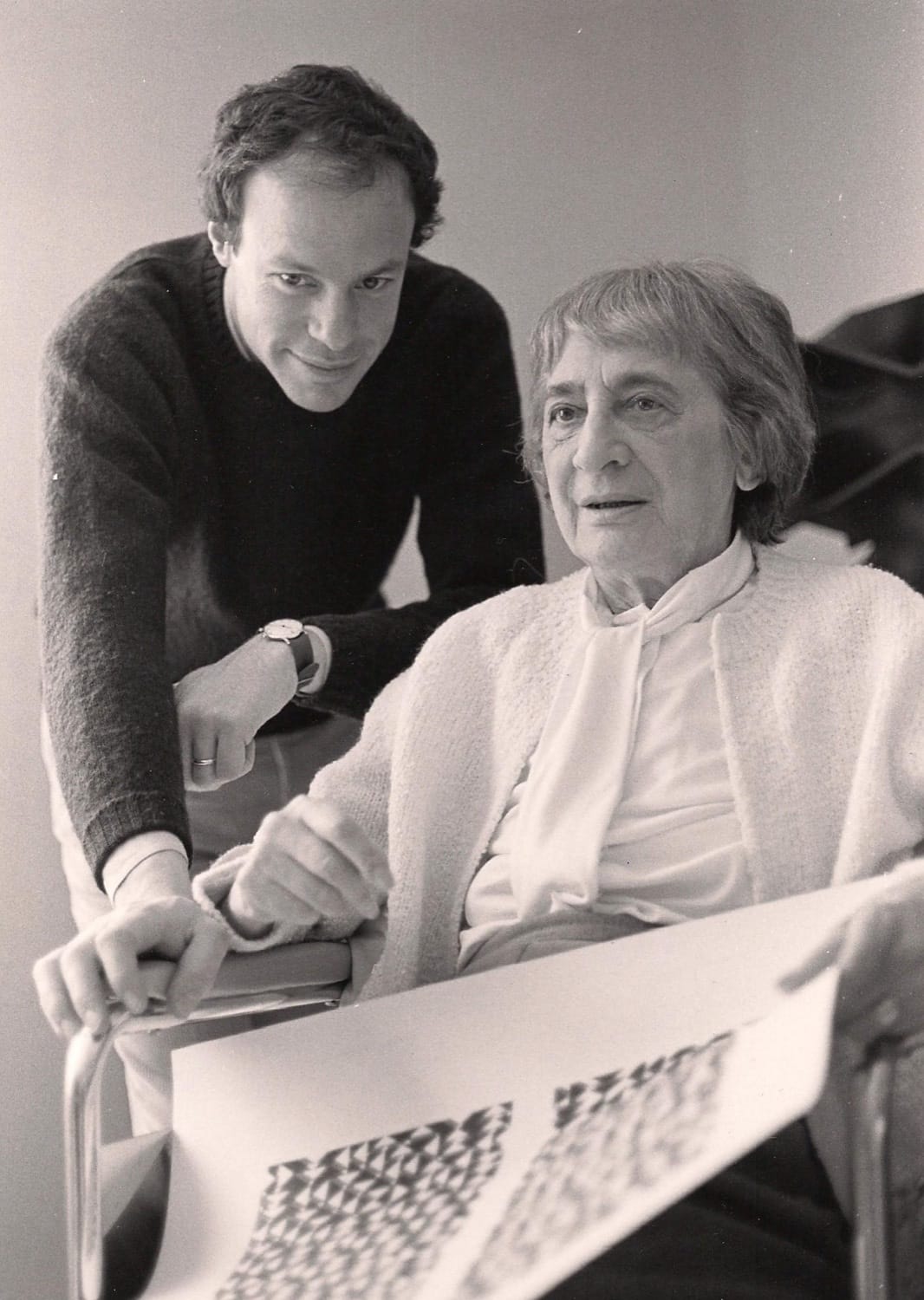
In 1971, a mutual friend introduced Weber to Anni Albers and her husband, painter Josef Albers. He began regularly visiting the artist couple at their spartan home in Connecticut. The following year, Weber started working on a book with Albers about her life, conducting in-depth interviews about her exacting methods and philosophies. “I chose not to tape her, since she became frozen when she knew she was being recorded,” the author writes. After leaving her house, he’d pull his car over and write down what she said. But when Josef died in 1976, Albers called off the project.
Two days after the funeral, at the request of the Alberses’ lawyer, Weber officially went to work as an employee of their estate. In the 50 years since, he’s worked to preserve the couple’s legacies and continues to serve as the executive director of the Josef & Anni Albers Foundation. Although his initial book about Albers got axed, Weber remained an active part of the artist’s life until her death in 1994. His warm, perceptive writing reflects their close bond, with stories deftly told with an insider’s intimacy and a historian’s flair for correcting the record. He regularly amends Albers’s oft-quoted “stock stories” — the ones that she habitually repeated to friends and interviewers — and grounds them with facts and added context. Weber’s writing frequently appears in exhibition catalogs, articles, and new editions of Albers’s books, and, in 2020, he penned Anni and Josef Albers: Equal and Unequal. This new biography, however, reveals Albers’s personality and art with rare depth and dimension.
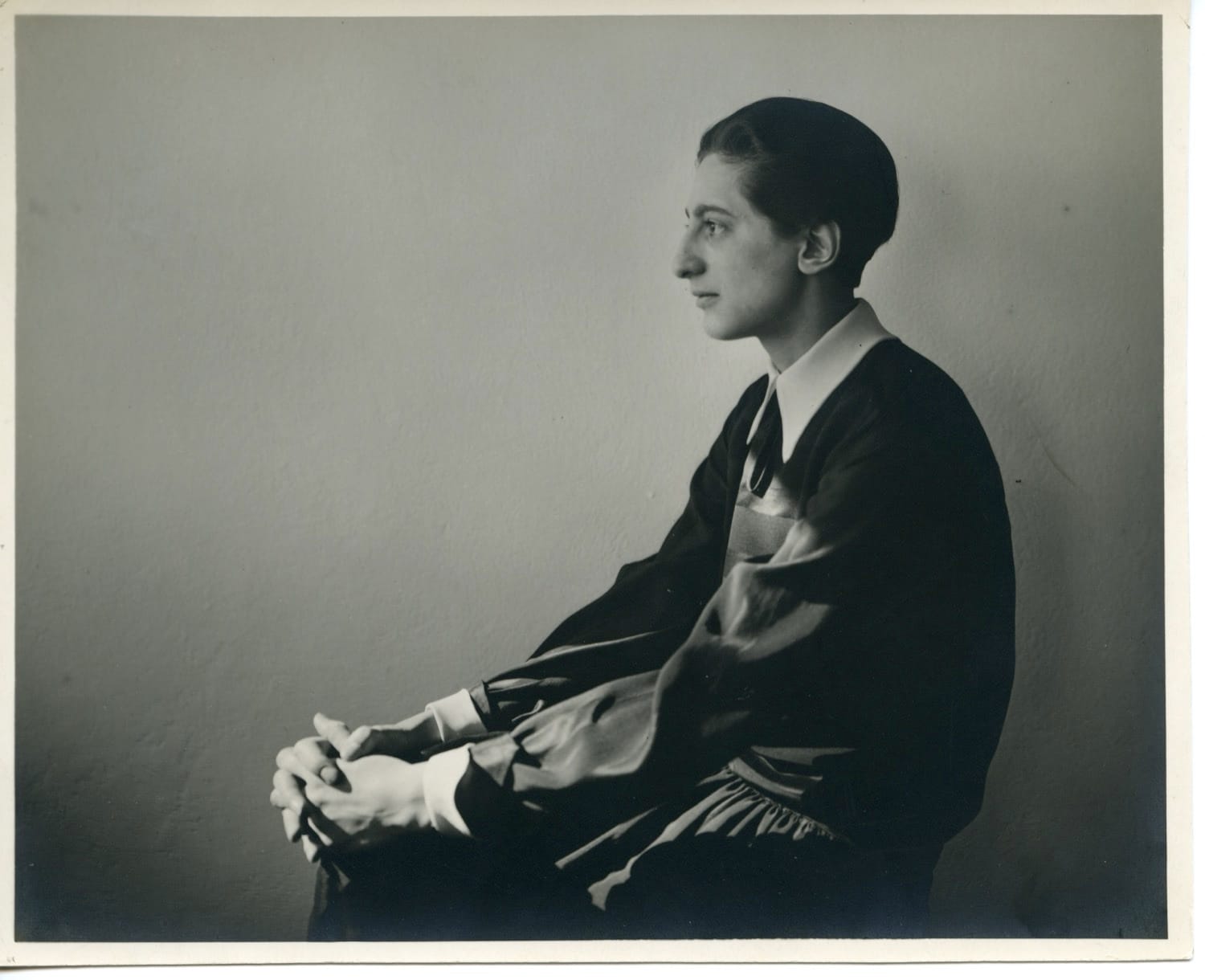
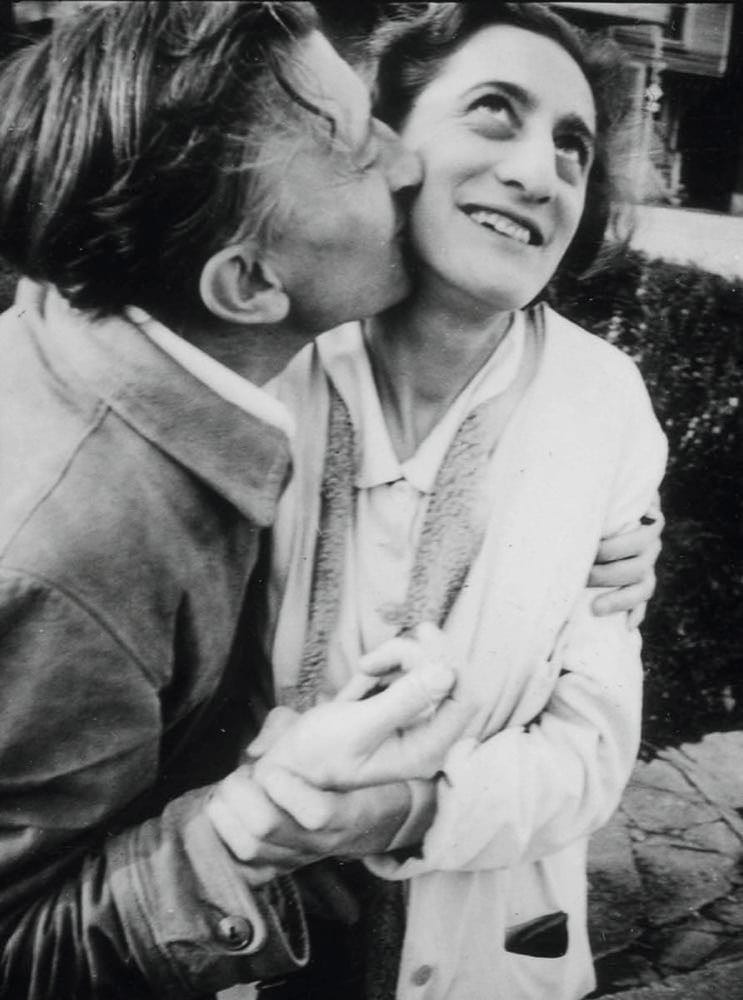
Anni Albers: A Life pieces together a web of the places she lived and worked, her travels and adventures, and the people she met along the way, among them many luminaries of the day (including Paul Klee, Wassily Kandinsky, Gunta Stölzl, John Cage, Merce Cunningham, Buckminster Fuller, Jacob Lawrence, Charles and Ray Eames, Ruth Asawa, Philip Johnson, and others).
Though the chapters are structured chronologically, the writing within often meanders back and forth through time, highlighting the evolution of Albers’s ideas and friendships. In a sense, the narrative echoes artist and Bauhaus instructor Klee’s urging to “take a line for a walk,” a concept rooted in movement, rhythm, and creative freedom that Albers took to heart and applied to her own work. We see how these encounters and connections shaped her rigorous approach to art and design, and how her unconventional ideas about weaving, industry, and creative process rippled out into the world — through not only her artwork but also her teaching, books, and essays.
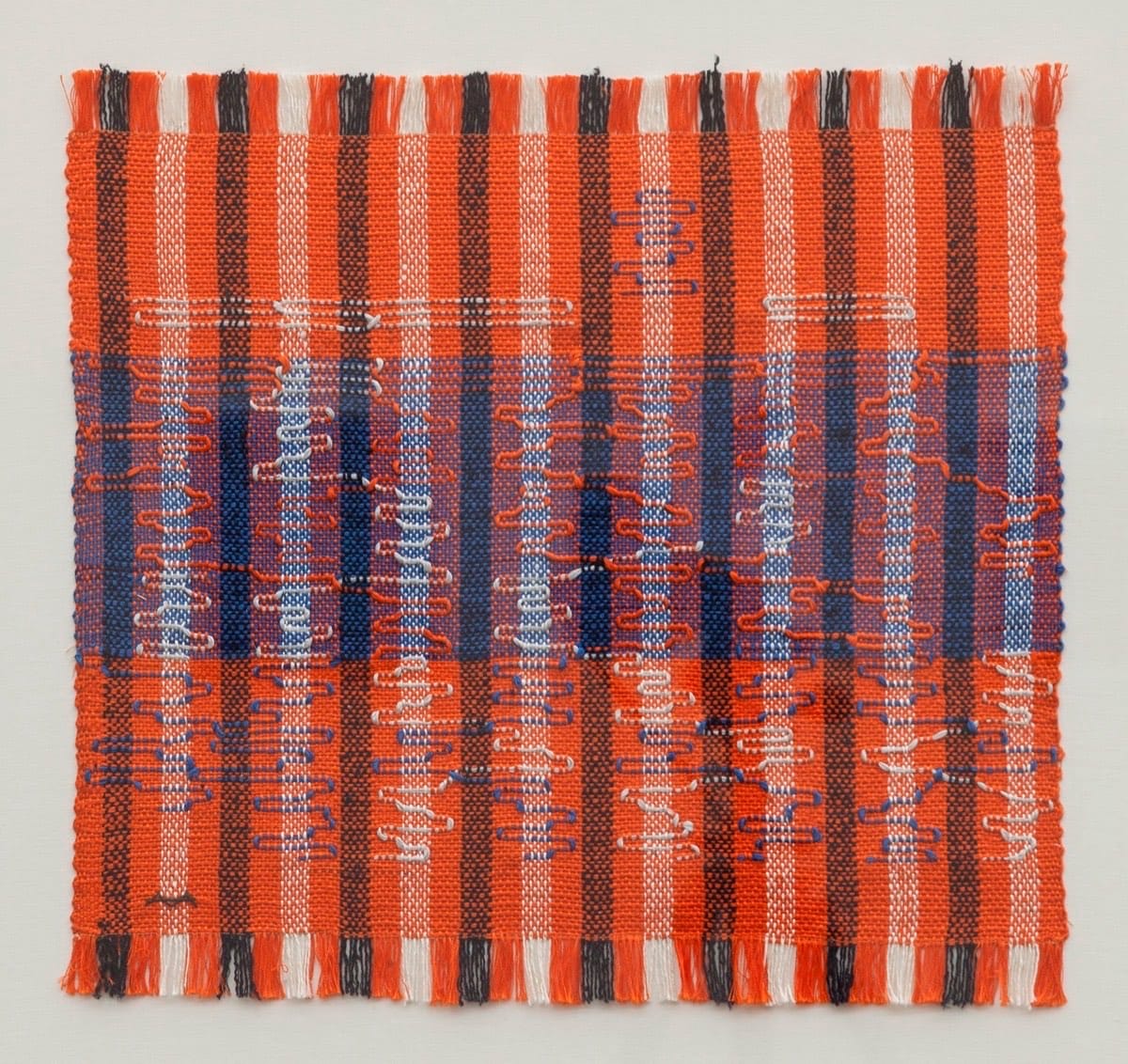
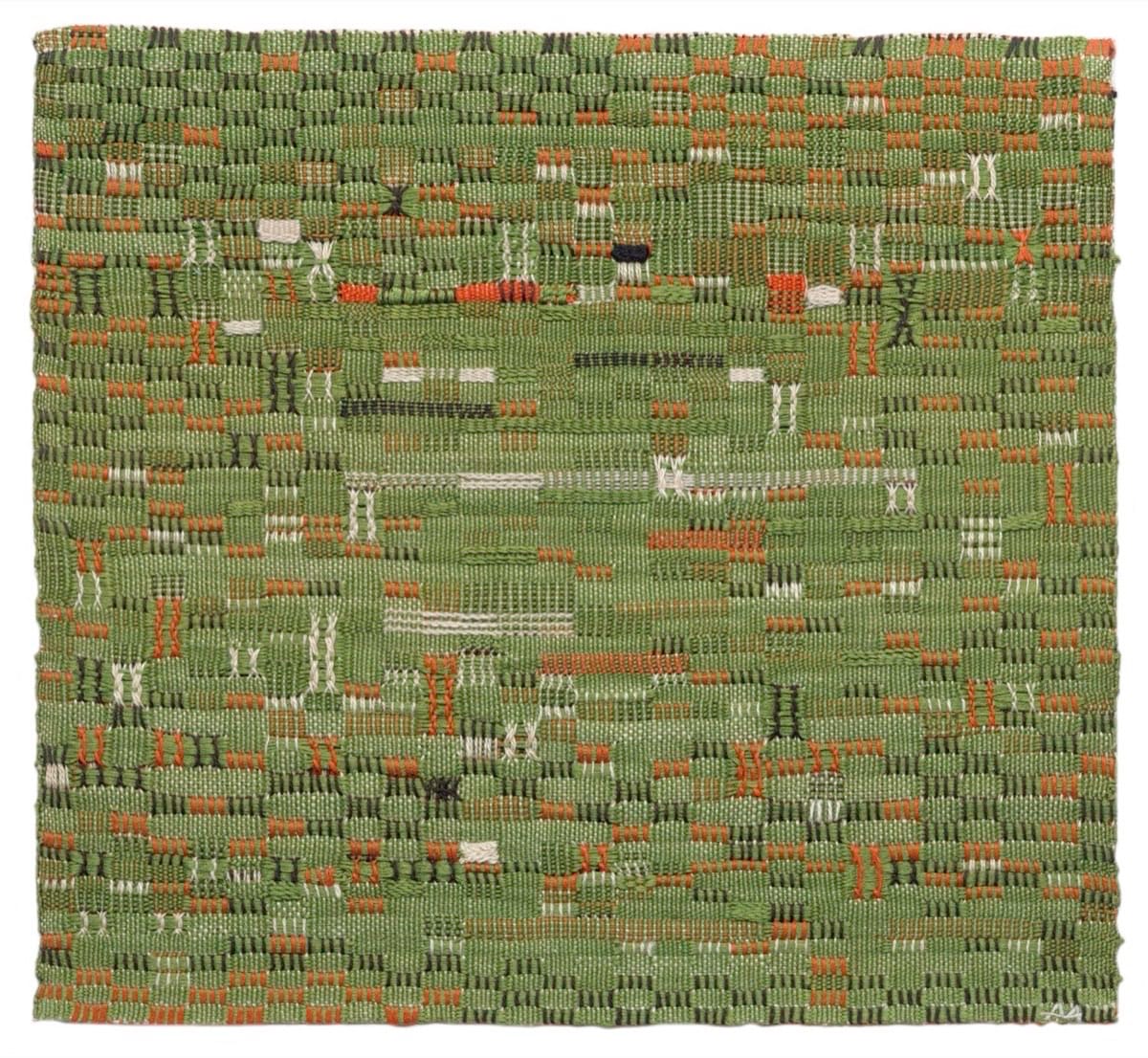
Weber writes that the fibers and looms that powered Albers’s creative practice also shaped “the battle of her life”: to obliterate the distinction between art and craft and to be regarded not only as a weaver, but as an artist. The artist referred to her woven wall hangings as “pictorial weavings” to indicate that these textiles are a visual art form — a concept that was groundbreaking at the time. As her body of work expanded to encompass printmaking forms like screenprinting, stone lithography, and photo offset, she reimagined her minimalist aesthetic, with its visual rhythm and underlying structure, in new formats through varied technologies.
Albers reinvented her art and life several times by choice and by circumstance. Whether starting fresh at a new school or in a new country, healing from loss, or solving daily problems, the idea of “starting from zero” — beginning with the most basic components and systematically working towards creative solutions, while still leaving room for play and intuition — echoes through her approach to art and living. “Our world goes to pieces; we have to rebuild our world,” Albers wrote in a 1944 essay, quoted in the book’s epigraph. “Out of the chaos of collapse we can save the lasting: we still have our ‘right’ or ‘wrong,’ the absolute of our inner voice — we still know beauty, freedom, happiness … unexplained and unquestioned.”
Anni Albers: A Life by Nicholas Fox Weber (2026) is published by Yale University Press and available online and in bookstores.