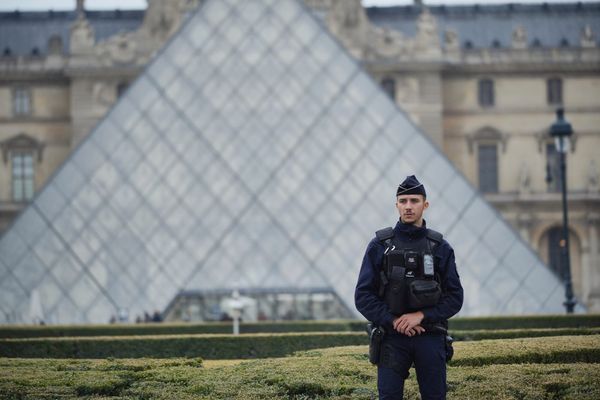
Feature
Europe’s Art Theft Problem Is Much Bigger Than the Louvre
A wave of museum thefts is exposing the vulnerabilities of institutions struggling to protect irreplaceable collections after years of underfunding.

Emiline Smith is a criminologist at the University of Glasgow (Scotland), where her research traces the trafficking, protection, and repatriation of cultural and natural resources across Asia.

Feature
A wave of museum thefts is exposing the vulnerabilities of institutions struggling to protect irreplaceable collections after years of underfunding.

Opinion
The 3,000-year-old Iranian discs turned red-carpet jewelry are emblematic of a market that has spent decades quietly dismantling ancient objects for parts.
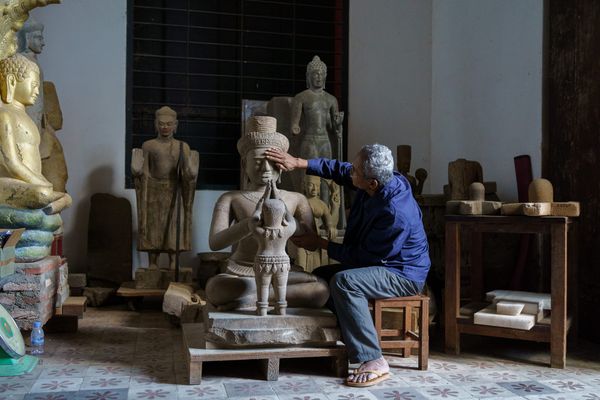
Book Review
A new book maps the network that allowed Douglas Latchford to violently rip Khmer statues from their homes and funnel them into Western institutions.
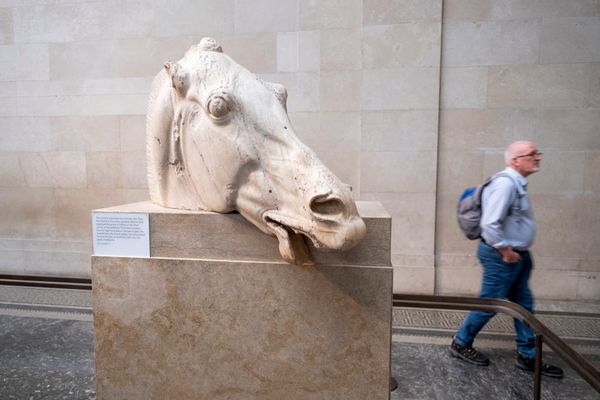
Opinion
Long-term loans to former colonies are not restitution. They do not acknowledge historical wrongdoing, nor do they restore agency to source communities.
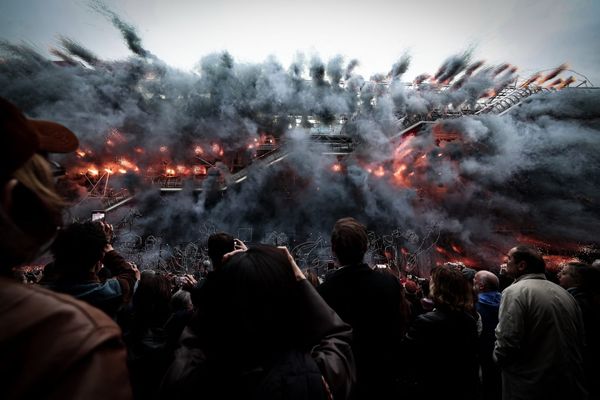
News
“Art cannot be an excuse to destroy,” said Students for a Free Tibet.
Opinion
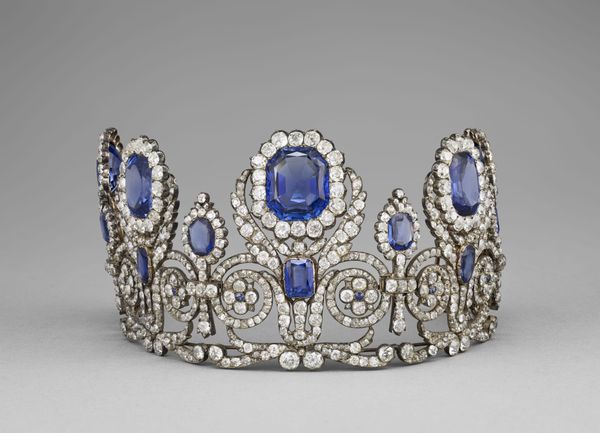
The stunning theft reveals more than a failure of security: It lays bare how austerity, neglect, and unresolved colonial legacies continue to haunt the museum.

News
Police used live ammunition, water cannons, and tear gas on demonstrators mobilizing against government corruption.
News
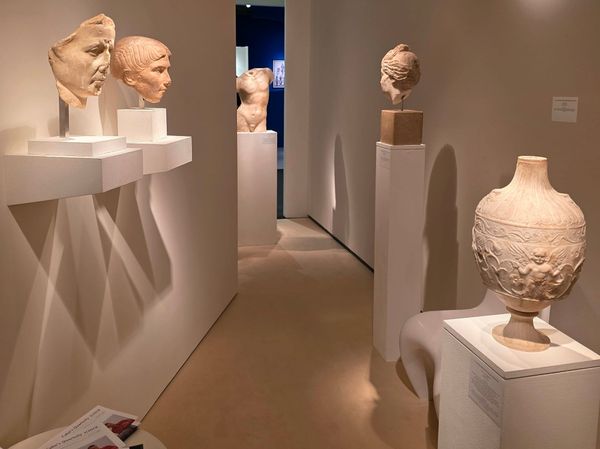
Despite efforts to improve vetting procedures, the persistence of vague ownership points to an industry still grappling with its past.
News
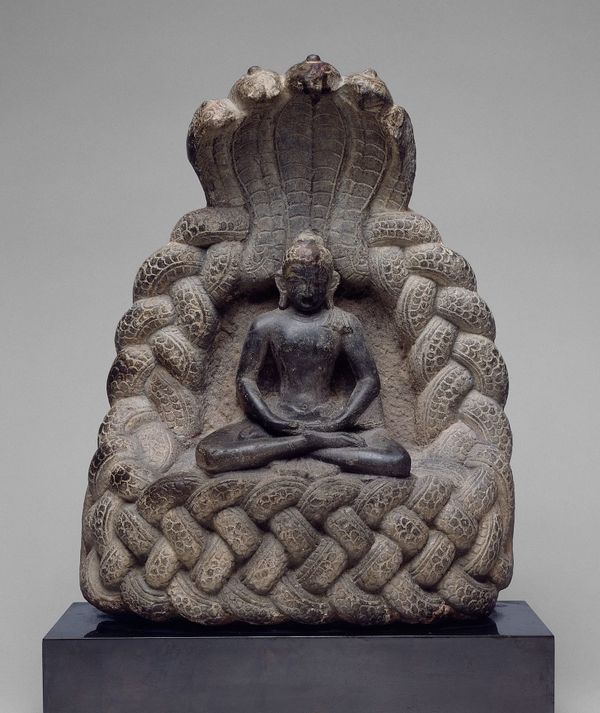
The sculpture was identified by the online heritage activist group Lost Arts of Nepal as matching one stolen from Kathmandu.
News
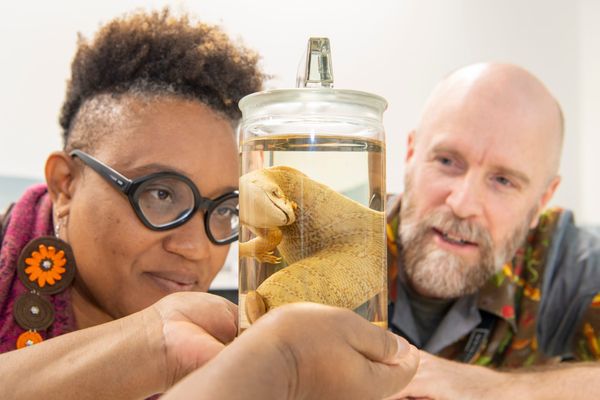
The giant galliwasp Celeste’s long-awaited homecoming has stirred wider conversations about the recovery of cultural and natural heritage in the Caribbean.
Opinion
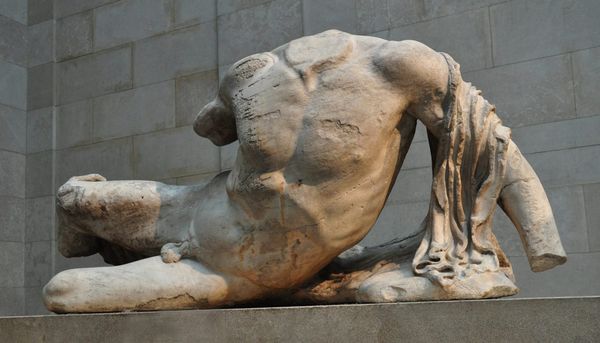
There’s only one way for the museum to survive the 21st century, and it starts with advancing toward restorative justice.
News
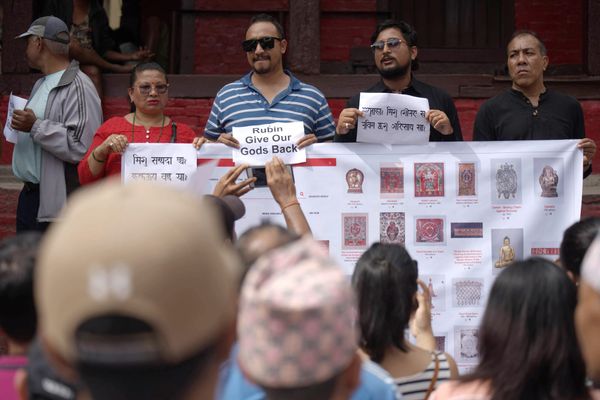
The protesters said the Rubin Museum is using the Itumbaha exhibition to launder its public image and distract from the potentially looted objects in its collection.