The Looter Who Built Your Favorite Museum
A new book maps the network that allowed Douglas Latchford to violently rip Khmer statues from their homes and funnel them into Western institutions.

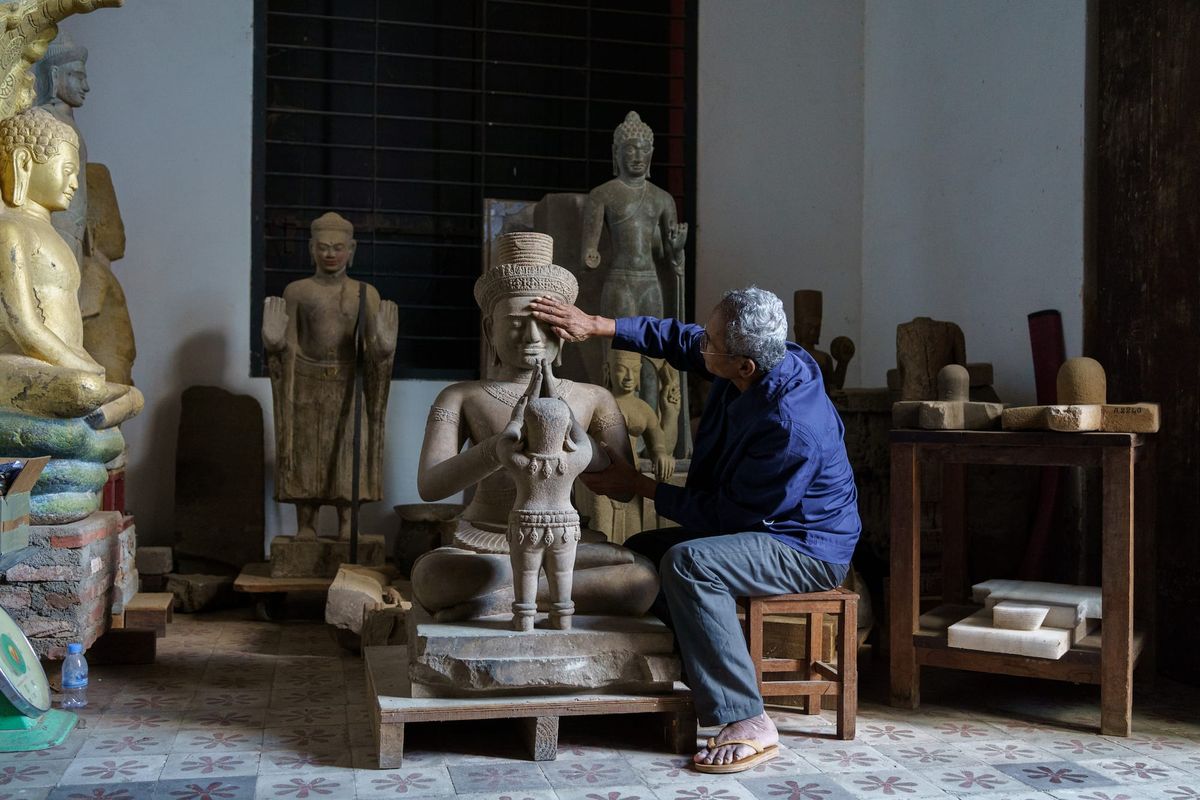
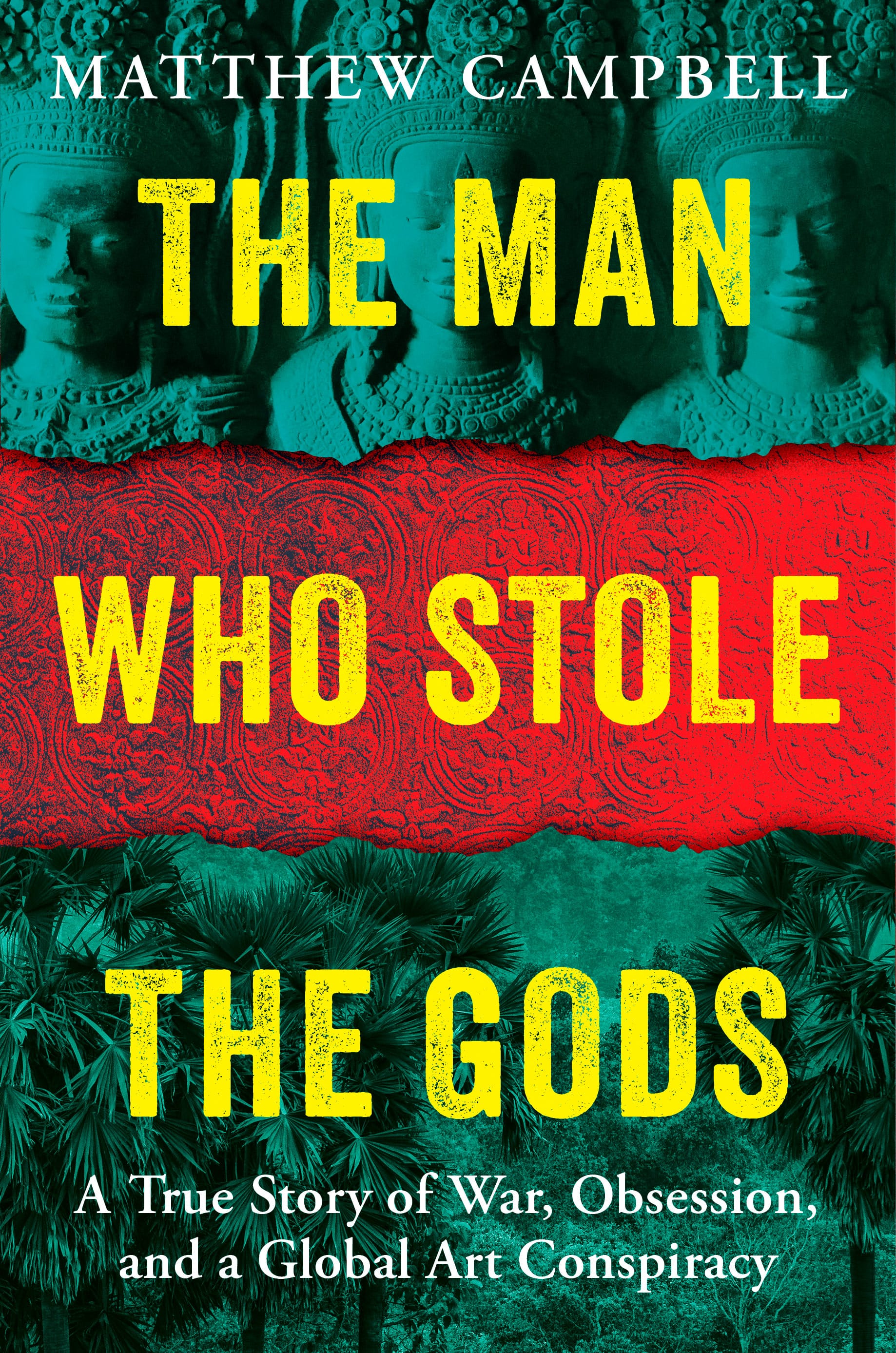
At the center of Matthew Campbell’s The Man Who Stole the Gods (2026) is British dealer Douglas Latchford, accused of trafficking looted Cambodian antiquities on a massive scale before his death in 2020. To Latchford, Khmer sculpture was a luxury asset to be exploited, an “intense hobby” that turned into “a real business.” Latchford’s success depended not just on criminal networks that supplied and transported these objects, but on the willingness of museums, dealers, collectors, and scholars to accept fragmented or problematic provenance so long as the objects themselves retained the aura of rarity and beauty. Statues were decapitated and dismembered, stripped from their sanctuaries, yet somehow these objects arrived immaculately and spiritually deodorized in New York galleries and London auction houses.
Campbell portrays Latchford as a charismatic product of a global appetite for beautiful things, who was deeply embedded within the elite institutional structures that enable the movement of looted cultural objects into the legitimate art market. Latchford benefited from the particular privileges and geopolitical circumstances of the 1960s, ’70s, and ’80s, which allowed wealthy Western expatriates to build lives in “exotic” postcolonial settings while cultivating close relationships with political and social elites. His social and cultural capital as eventual member of the “inner circle of the true expatriate elite,” Campbell writes, allowed him to move comfortably among the exclusive worlds of diplomacy, collecting, and high society, further legitimizing both himself and the objects he handled.
As a result, Latchford built close relationships with collectors, dealers, museum curators, and academics around the world, which “served him for decades.” For years, he provided them with a “steady supply of freshly stolen objects.” Among his clients was the Metropolitan Museum of Art, “Latchford’s most powerful marketing tool.”
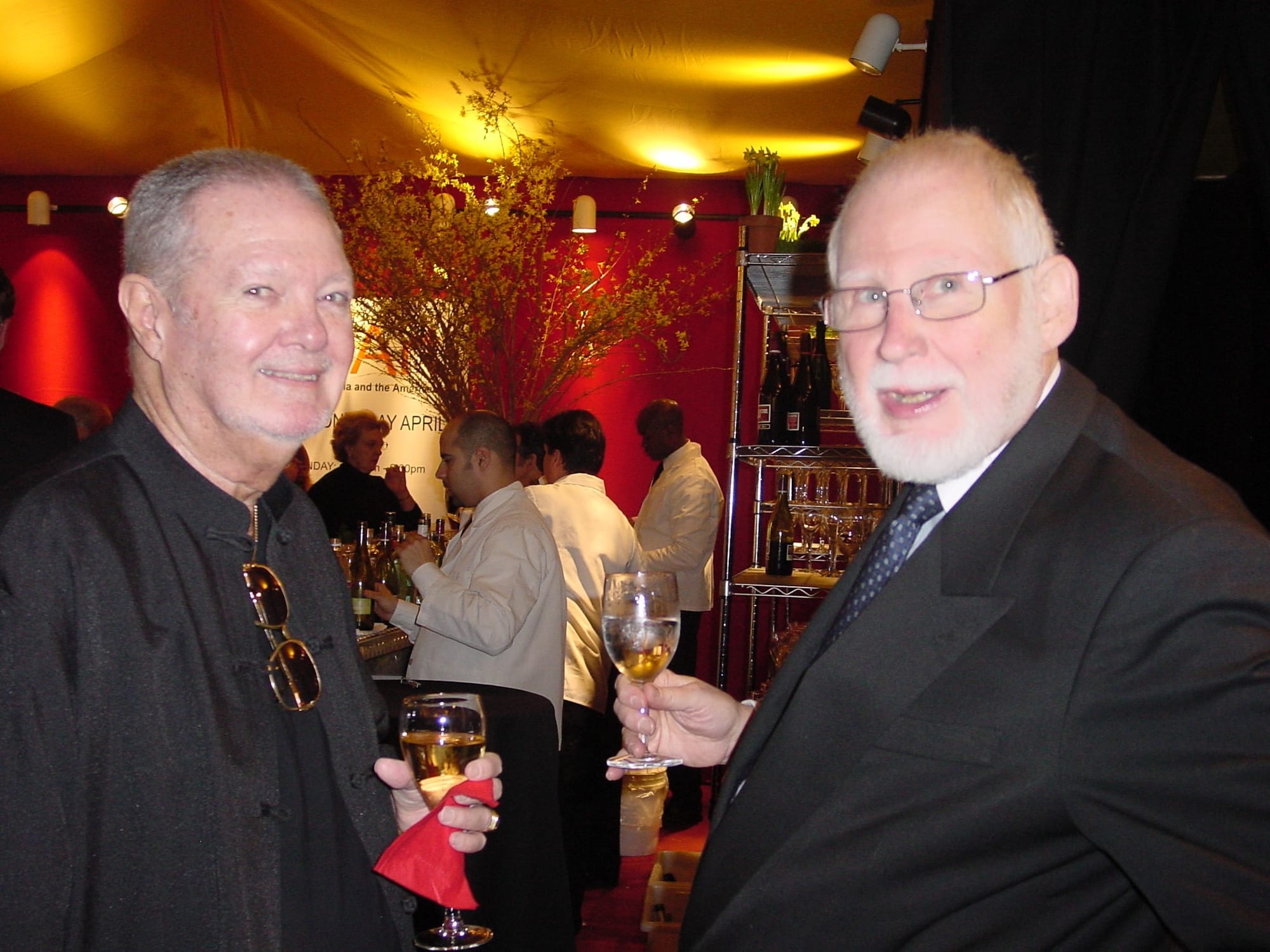
He attempted to assert himself as a “giant of his field” through his publications with American scholar Emma Bunker. These books proved a useful way to establish fabricated provenance and support the sale of the objects it contained. However, things fell apart when these books allowed experts to connect statues stolen and sold by Latchford with pedestals remaining in situ in Cambodia.
There are moments in The Man Who Stole the Gods when the narrative leans heavily into the conventions of investigative thriller writing through its pacing, cliffhangers, and dramatic reveals. However, Campbell’s sensitivity toward the irreversible loss caused by these thefts is what distinguishes this book from much of the other reporting surrounding “Dynamite Doug,” as Latchford is often called. Campbell’s description of the physical violence of looting is particularly empathetic: He refuses to romanticize either the objects or the institutions that claim to protect them, resisting the sanitizing language of the art market, which tends to describe them as beautiful pieces of Asian art rather than sacred deities violently looted from communities of origin and trafficked across borders to be sold to the highest bidder. Campbell treats the statues as evidence of absence, with severed sandstone feet still anchored in Cambodian soil as spaces haunted by violent extraction and greed.
Through this imagery, Campbell’s main argument is that art market bureaucracy is an effective laundering mechanism for looted cultural heritage. He insists that cultural heritage cannot be separated from the conditions under which it circulates. The polished language of acquisition, donation, and collection management of the art market obscures layers of violence and inequality upon which it functions. Associated provenance records, such as shipping manifests, expert authenticity statements, auction catalogs, and conservation reports, facilitates this laundering process by fabricating a plausible story that the art market is happy to accept without question. In short, they are evidence of institutional complicity.
The repatriation of objects linked to Latchford remains ongoing, driven in large part by the investigative efforts of lawyer Bradley Gordon and his team. Campbell frames this as a partial repair, as it cannot undo the decades of extraction and desecration. But the returns do challenge the longstanding assumption that the Western museum is the rightful endpoint of these sacred objects.
Campbell’s book reveals the broader systems that continue to shape cultural ownership: the lingering authority of Western institutions to determine their own legitimacy without accountability. Ultimately, Campbell asks readers to reconsider what museums are protecting and whom they serve. Hopefully, The Man Who Stole the Gods will encourage a more critical interrogation of museums, galleries, and auction houses as sites of power, where cultural value is constructed through deeply unequal histories of commodification that continue to shape the art market today.
The Man Who Stole the Gods: A True Story of War, Obsession, and a Global Art Conspiracy (2026) by Matthew Campbell will be published by Porfolio on June 2 and available online and through independent booksellers.