Art
Alix Le Méléder’s Rules of the Game
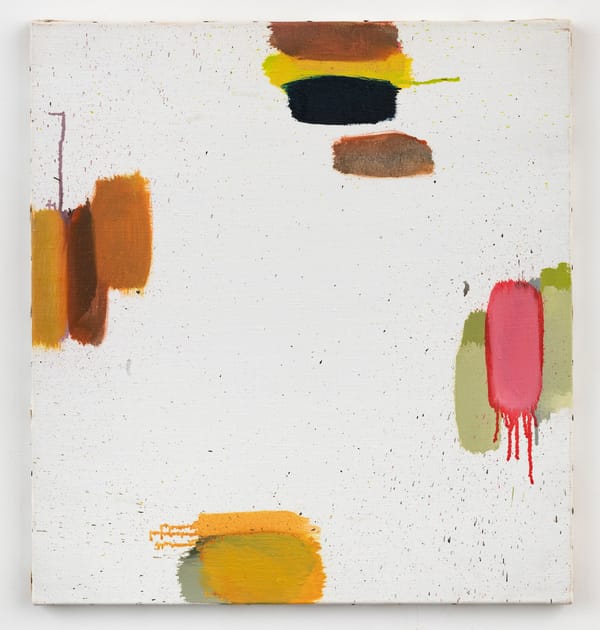
The French artist’s decision to stop painting in 2011 grew out of her work’s internal logic.

Gwenael Kerlidou (gwenaelkerlidou.com ) is a French-born abstract painter living in Brooklyn who occasionally writes on painting.

Art
The French artist’s decision to stop painting in 2011 grew out of her work’s internal logic.

Art
Legend has it that no one took notice of Jackson Pollock’s first exhibitions in Paris, but an anonymous Hungarian immigrant named Judit Reigl did.
Art
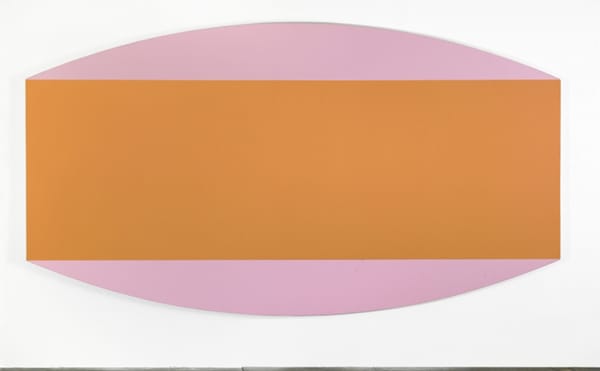
Olivier Mosset’s career could almost be seen as a grand Fluxus-style gesture of quiet provocation.

Art
For Christian Bonnefoi, it is when the painter disappears as the author of a painting that the artwork emerges.
Art
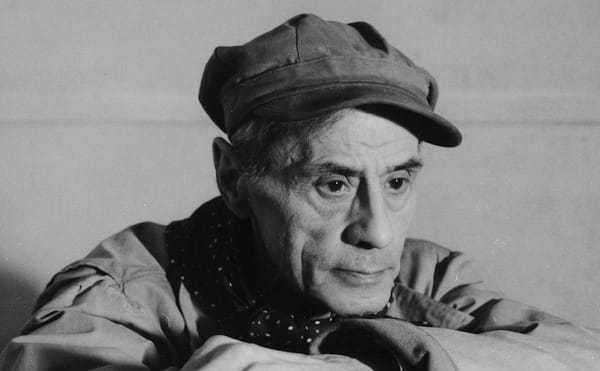
With the death of the French painter Roger Bissière in 1964, a whole chapter of Modernism, one that we could call the “Primitive Paradigm,” came to a close.
Art
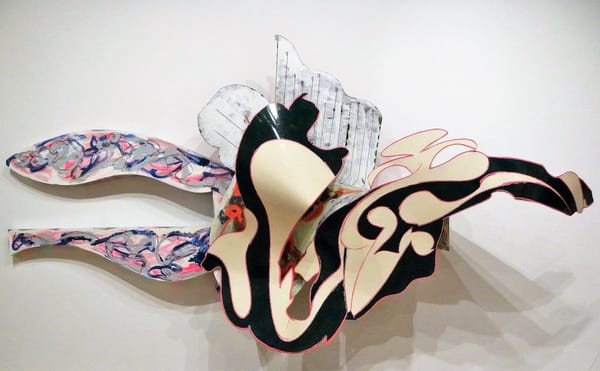
If Frank Stella’s ambition and insatiable visual voracity were exhilarating at first, the paintings’ often overbearing size and physicality also left the viewer, time and again, with the unsettling feeling of being wrestled to the ground.
Art
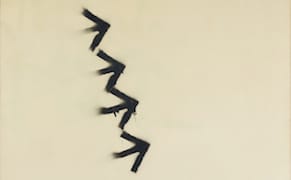
Some abstract painters are harder to fathom than others. In fact a few of them seem quite hopelessly indecipherable. A case in point is French painter Martin Barré (1924-1996), who has been receiving increasing and well-deserved attention in New York these past ten years.
Art
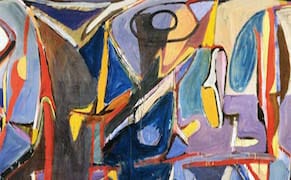
The postwar art scene in Paris was dominated on one side by a disproportionate humanist optimism bent on reconnecting with the great French tradition of Cubism and Fauvism, as if nothing had happened in between.

Art
Last summer, at the opening of his exhibition at the David Zwirner Gallery, the painter James Bishop mentioned in passing his strong interest in Bram van Velde’s work.
Art
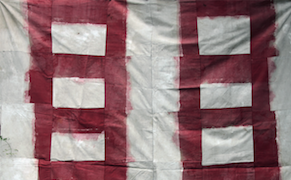
For those who have been watching the critical misfortunes of Supports/Surfaces on the New York art scene over the years, it is a welcome surprise that, after decades of relative indifference, the movement finally seems to be getting some deserved attention.
Art
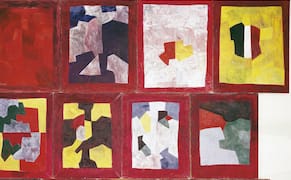
The retrospective of Russian-born painter Serge Poliakoff, which just closed at the Museum of Modern Art of the City of Paris, was both a welcome surprise and something of an anachronism. One would be hard pressed to find clues in the current international art scene, or even in the secondary market,
Art
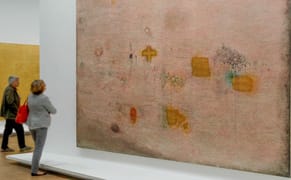
In 1983, at the height of his career, Simon Hantaï (1922–2008), then sixty years old, decided to withdraw from the art scene and stop exhibiting his work, if not to stop painting altogether. He would not show again until 1998, a fifteen-year hiatus and self-imposed silence that echo with more force