Interview
Beer With a Painter: Sangram Majumdar
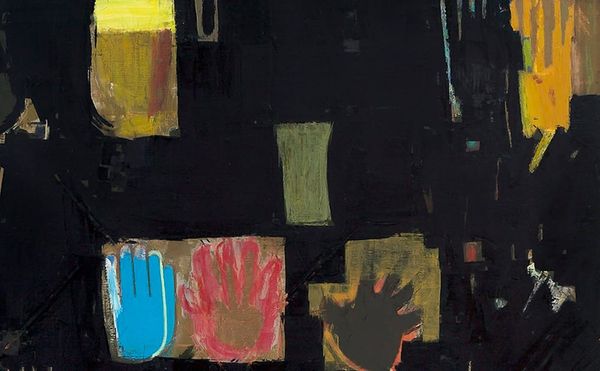
“There is no time in painting. A microsecond can last forever.”

Jennifer Samet is an art historian based in New York City and the Hudson Valley.

Interview
“There is no time in painting. A microsecond can last forever.”
Interview
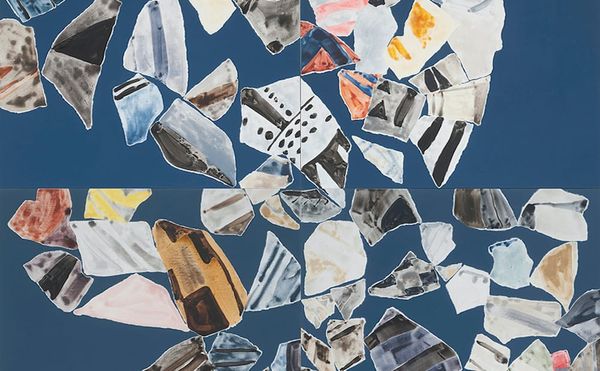
“After the 2016 election, my work changed. I wanted to immerse myself in beauty and connect with something larger than the present moment, to not lose perspective.”
Interview
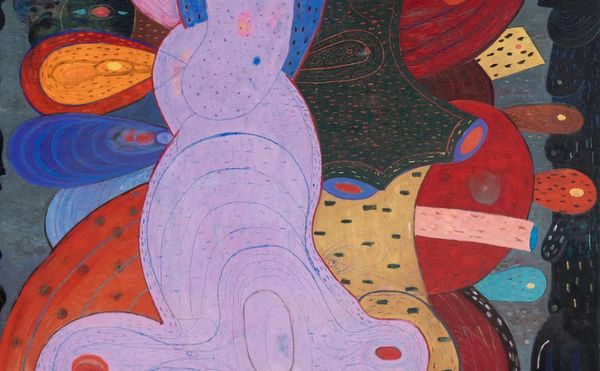
“My lifelong project in my painting has been to locate myself.”
Interview
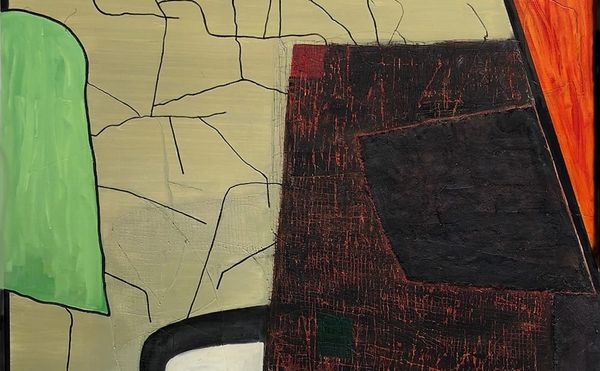
“The thing that’s fascinating me now more than anything, is when a painting is right. What makes a painting right?”
Art
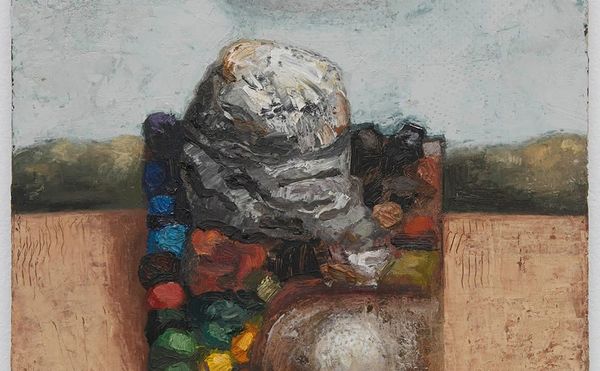
“No matter what I tried, what fit best was work that involved my love of something small-scale and intimate.”
Interview
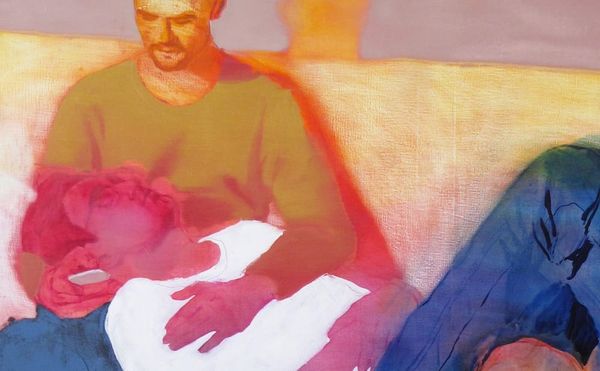
"There is an emotional narrative to the way that the paintings are touched," the artist tells us. "If my body touches the surface aggressively or lightly, smearing or sanding, it creates different emotional notes, different speeds, and different focal points.
Interview
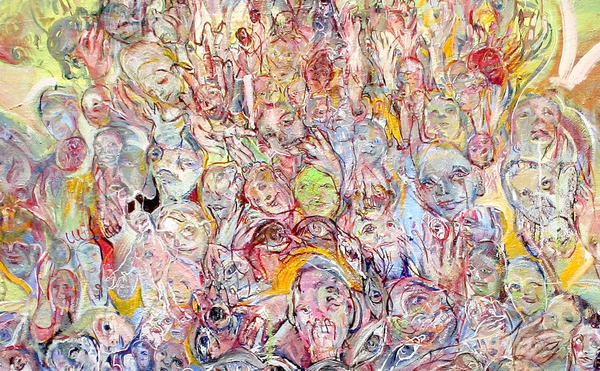
“Although I think authorship is questionable, I am interested in inventing my own language.”
Interview
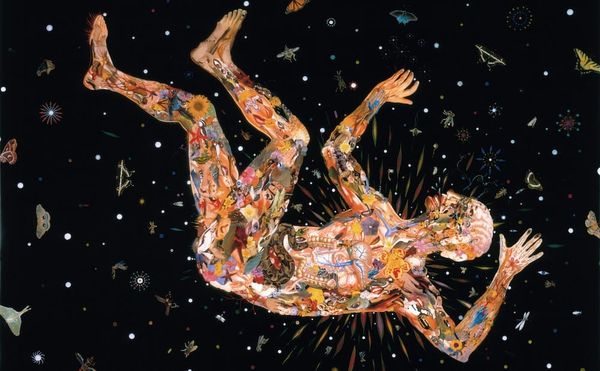
“There is an outer world of violent chaos, and an inside world that is the paradise of being an artist.”
Interview
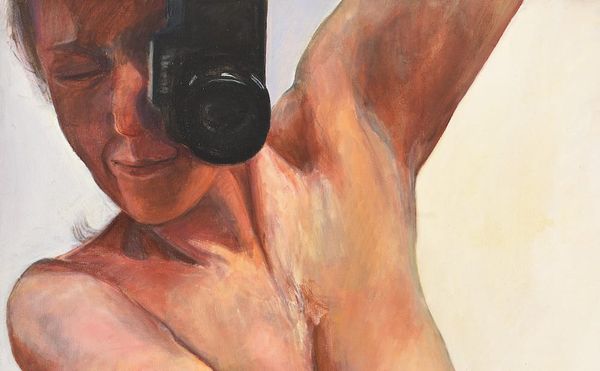
“How could I make work that was sexual from a woman’s point of view, that would not turn a woman off, as so much of pornography did?”
Interview
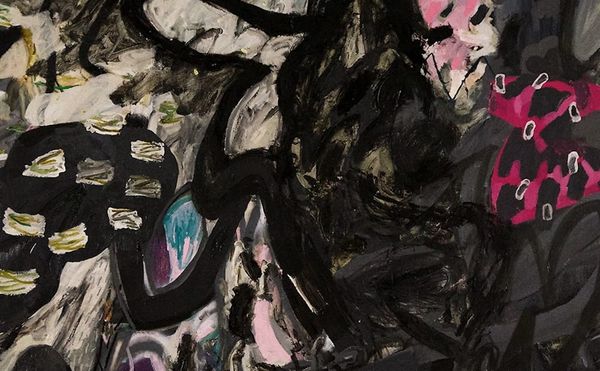
“I look at where things accumulate, where people leave things. Every house has a corner like that.”
Interview
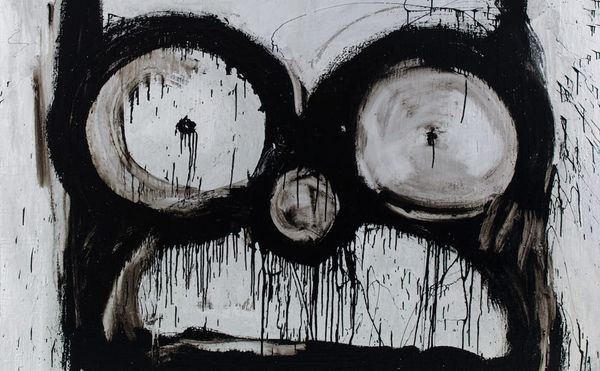
Pensato’s work is about grand gestures and not backing down.
Interview
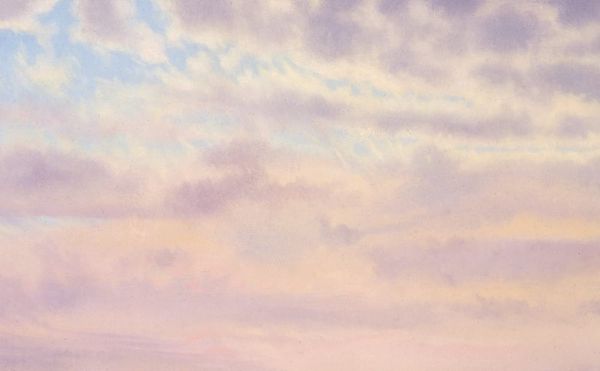
Wilson warns me that her studio never looks impressive — a hazard of making meticulous, intimately scaled work.