Art
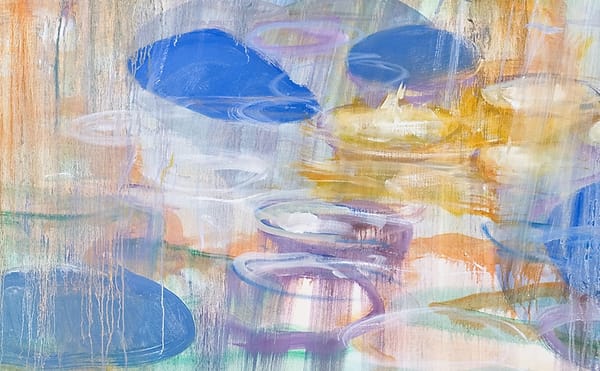
The Last Testament of Michael Mazur
At the end of his life, Mazur wanted to evoke his passage into chaos, to compose his farewell.

John Yau is an award winning poet, critic, curator, and publisher of Black Square Editions. He has published over 50 books of poetry, fiction, and art criticism.

Art
At the end of his life, Mazur wanted to evoke his passage into chaos, to compose his farewell.
Art
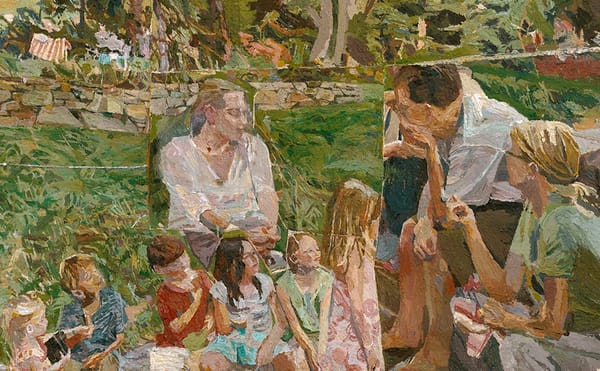
Stanley Lewis finds a way to step aside and let the world become paint.
Art
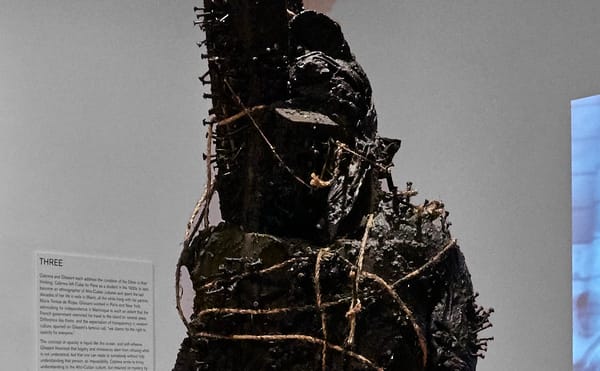
This is the kind of group exhibition that rarely happens in New York — a gathering of artists from different countries, cultures, generations, and aesthetic approaches focused on the construction of identity.
Art
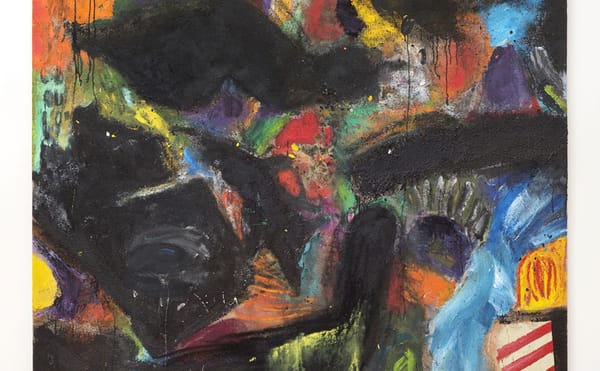
Although Dine is considered a blue-chip artist (a rather ugly term, if you ask me), the New York art world has not been kind to him.
Art
How do persons of color get into the history of painting after it has excluded them?
Art
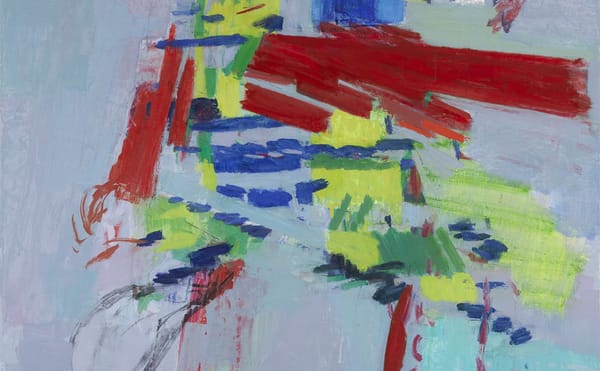
You could say that Sangram Majumdar is learning a way of drawing in which mastery is beside the point.
Art
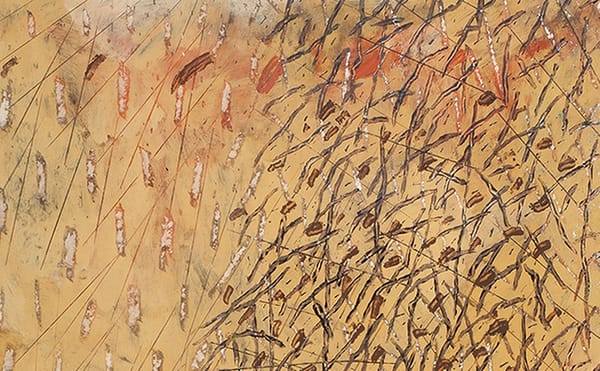
When Singh came to a crossroads in her art, she went back to basics: the line and dot.
Art
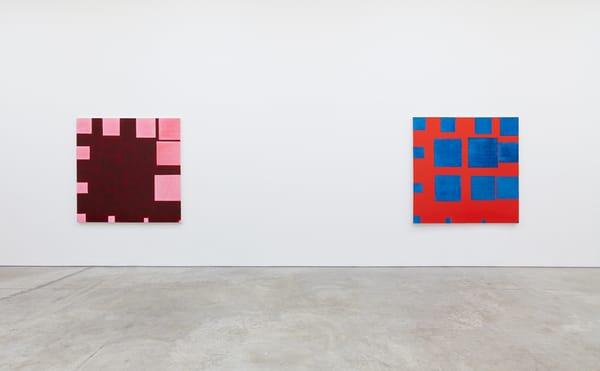
Mogensen's primary interest is not in reiterating the picture plane, but in activating it.
Art
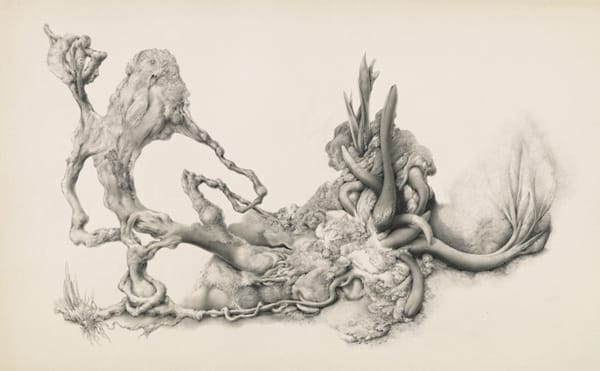
Through his subtle, intermittent anthropomorphizing of natural forms everything in Foy's meticulous drawings begins to border on the apparitional.
Art
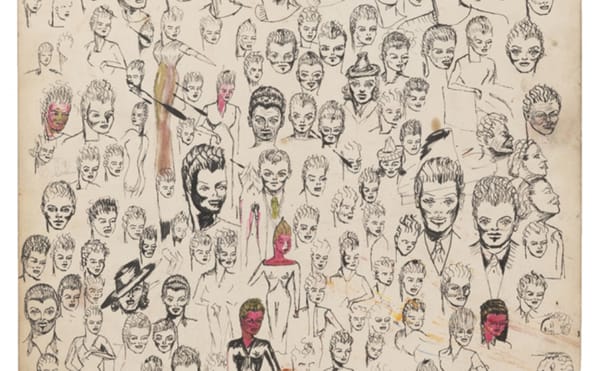
Appreciating Martin’s sense of identity as constantly shifting is central to understanding his art.
News
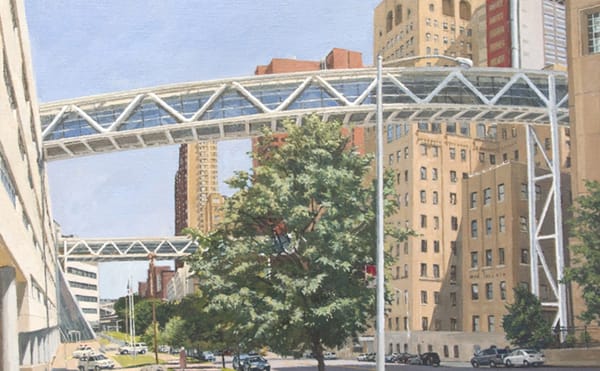
All of Rackstraw Downes's work derives from the simple, everyday act of observing your surroundings.
Art
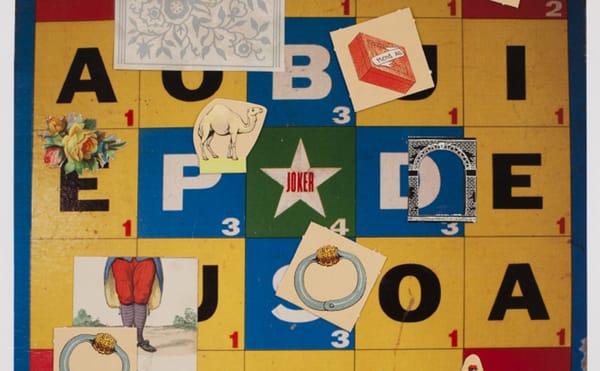
Ashbery’s primary subject matter concerns an alternate world where nothing goes permanently wrong, and where disasters are nothing more than pranks.