Art
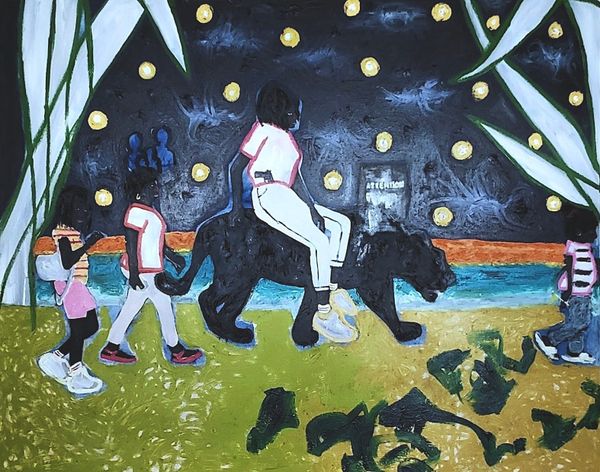
A Gallery’s Safe Harbor From Anti-Blackness
With Come Home with Me, Gallery 2602 is actualizing the desire many of us have to share art with one another in a place where we can breathe fully.

Natalie Haddad is an art writer, historian and former editor at Hyperallergic. She holds a PhD in Art History, Theory and Criticism from the University of California San Diego and has written extensively on modern and contemporary art.

Art
With Come Home with Me, Gallery 2602 is actualizing the desire many of us have to share art with one another in a place where we can breathe fully.
Art
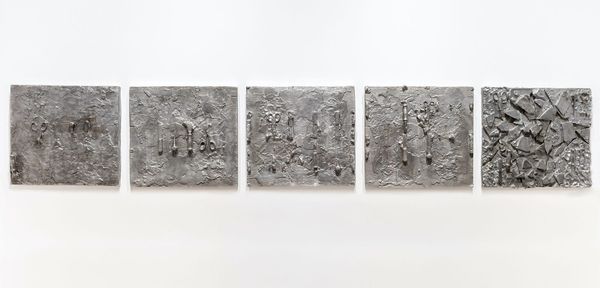
Time passing has never been a subject Jim Dine has avoided; he has long made art about getting old.
Art
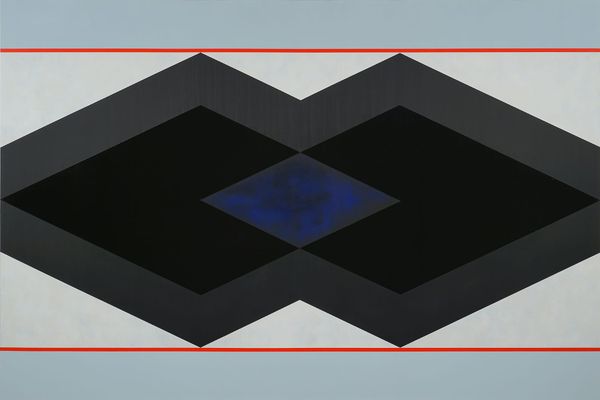
What singles out artist Don Voisine is his ability to remain a restless painter, capable of surprising his most ardent fans.
Art
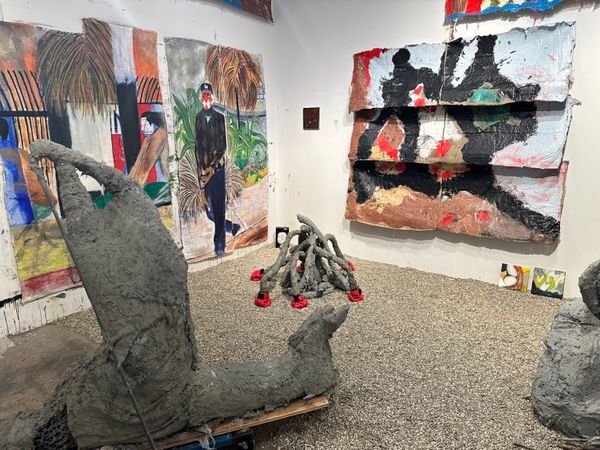
UCLA's MFA students come across as decidedly extroverted in their interests, looking out into their communities for inspiration, rather than solely within.
Art
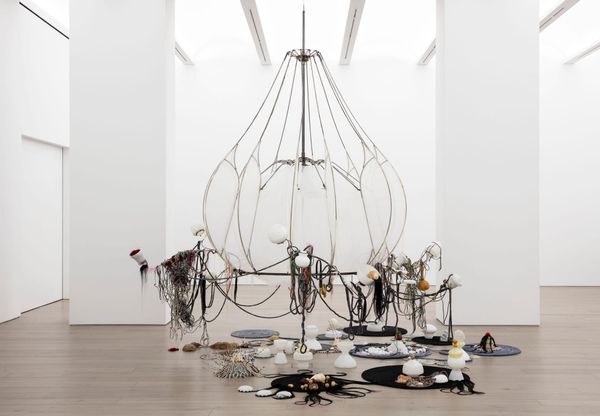
Recurring throughout Banerjee’s work and in her latest exhibition are the threads of power, cultural reproduction, and imperial afterlives.
Art
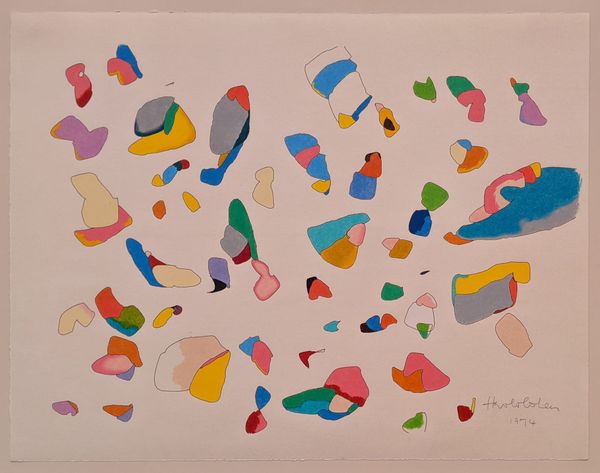
An exhibition of early computer art shows that artists working with early-stage technologies make their best work by combining old and new techniques.
Art
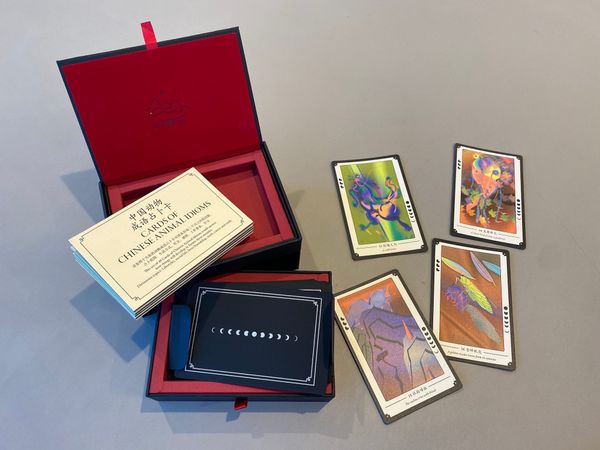
Chinese Animal Idiom cards remind us that we can fly free, yes, and we should, but we eventually need somewhere to land.
Film
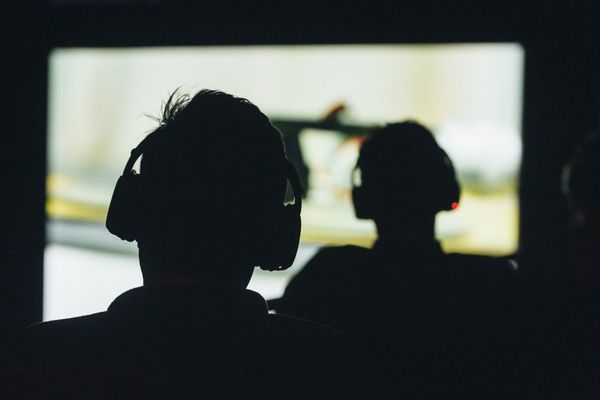
Director Sam Green wants viewers to fully engage their ears in a sonic journey of 32 soundscapes.
Art
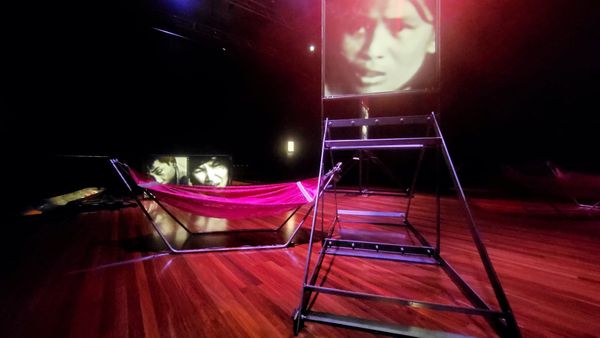
Artists in Australia and South Asia highlight the atrocities of caste-based discrimination and make a statement against colonial power.
Film
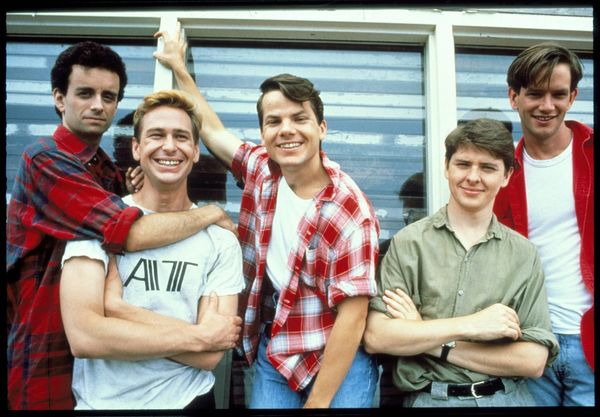
In the early ’90s, the Kids in the Hall transgressed boundaries of propriety, gender, sexuality, even species as an alternative to binary thinking.
Art
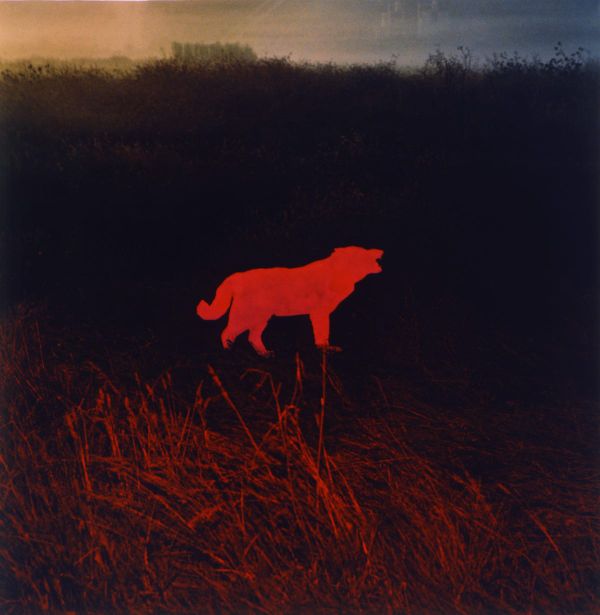
Five Southern California Views taps into the mythology of the West as an expanse for the imagination, only to decenter the human presence.
Art
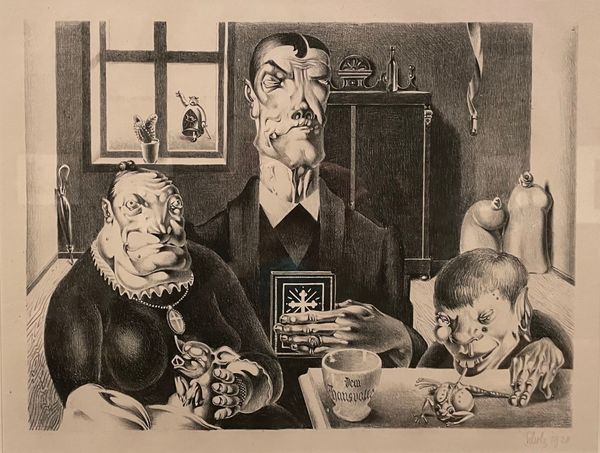
The works that best exemplify a uniquely German grotesque in Reexamining the Grotesque are those that reflect the war and Weimar years.