Art
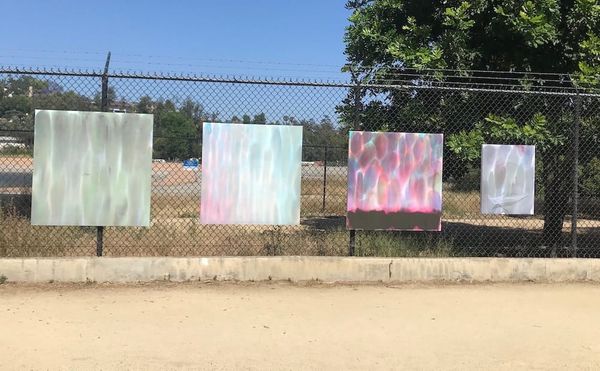
120 Artists Create a “Drive-by-Art” Exhibition Throughout Los Angeles
The exhibition includes both well-known and emerging artists and reaches across LA County’s varied neighborhoods.

Natalie Haddad is an art writer, historian and former editor at Hyperallergic. She holds a PhD in Art History, Theory and Criticism from the University of California San Diego and has written extensively on modern and contemporary art.

Art
The exhibition includes both well-known and emerging artists and reaches across LA County’s varied neighborhoods.
Art
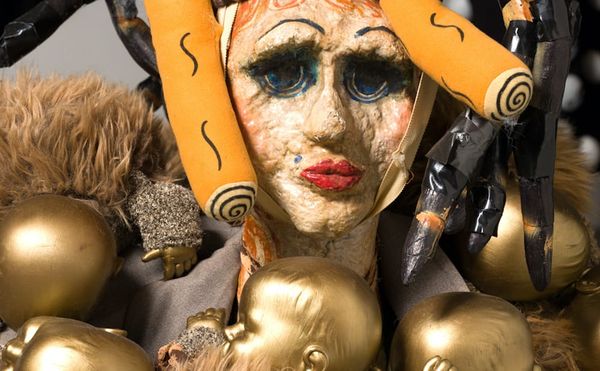
Messy, anarchic, and sexualized, Went’s performances around Los Angeles from the late 1970s through the '80s refused to be reduced to a single thing.
Art
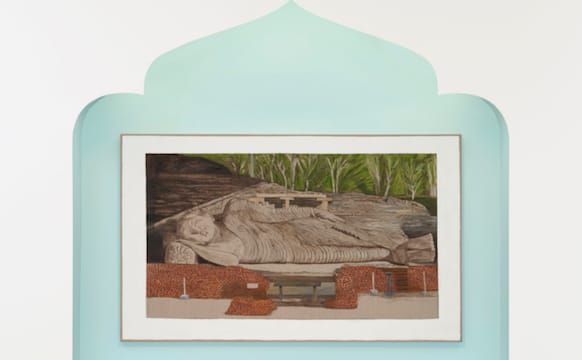
Churchman raises pointed philosophical and sociopolitical inquiries by coaxing viewers toward a position of otherness.
Art
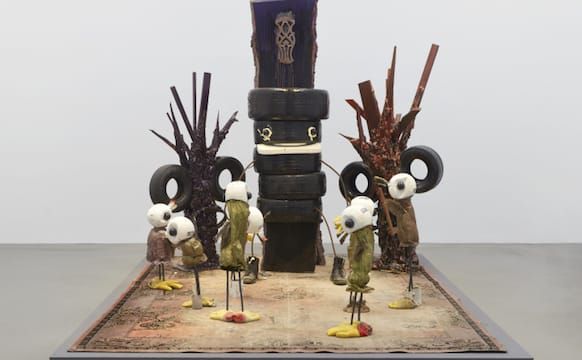
Throughout his career Jon Pylypchuk has confronted the most awkward and gut-wrenching parts of being human.
Art
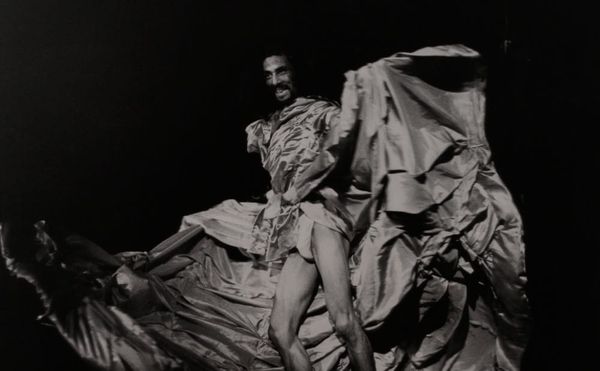
While Tatsumi Hijikata and Eikoh Hosoe reflected the countercultural mood of Japan’s postwar avant-garde, the trauma of World War II is inscribed in both artists’ aesthetics.
Art
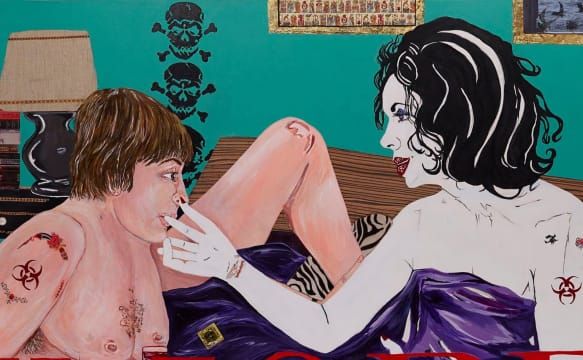
The Pleasure Principle at Maccarone wavers between issues of women’s representation and those of pornography and art, without fully committing to either.
Art
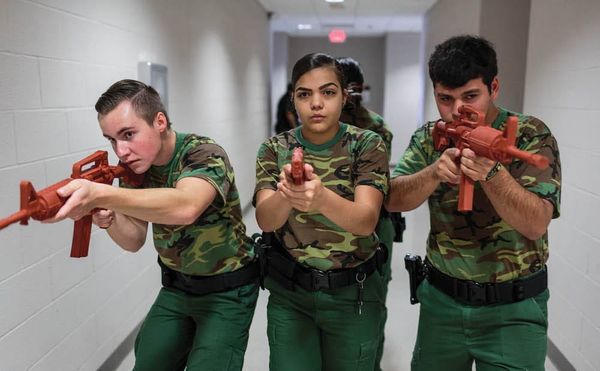
Sarah Blesener photographs American kids — between 8 and 18 years old — training in US patriotic programs, where American history lessons overlap with bible study sessions and military training.
Art
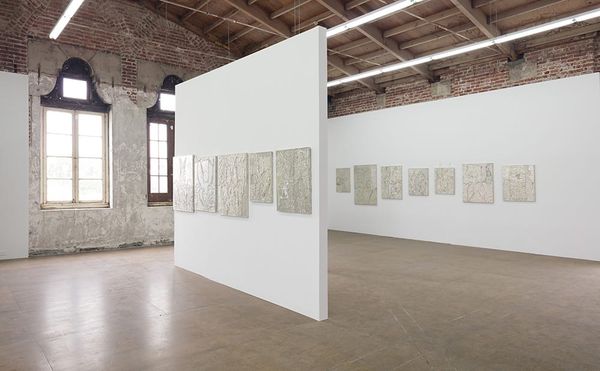
Strau's collage-paintings merge the word and the light, while positing the shared slipperiness of language and faith.
Art
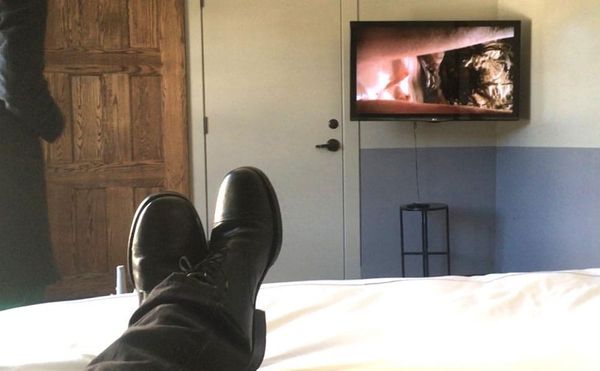
Kaari Upson's work resonated with the excesses and liberties that characterize the relationship in Hollywood between powerful men and less powerful women.
Music
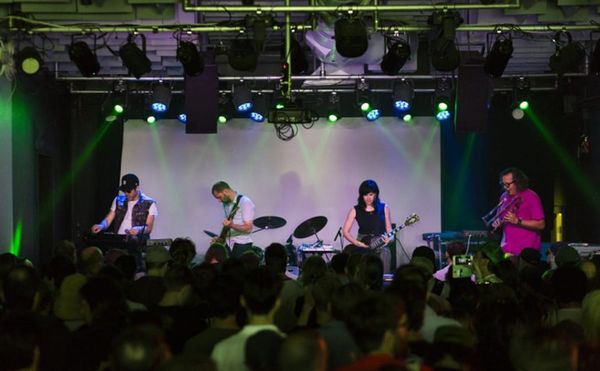
The 2018 incarnation of Universal Eyes has been a moment to look forward to, and an opportunity to look back on the noise and experimental music scene that emerged in the 2000s in Michigan and the Midwest.
Art
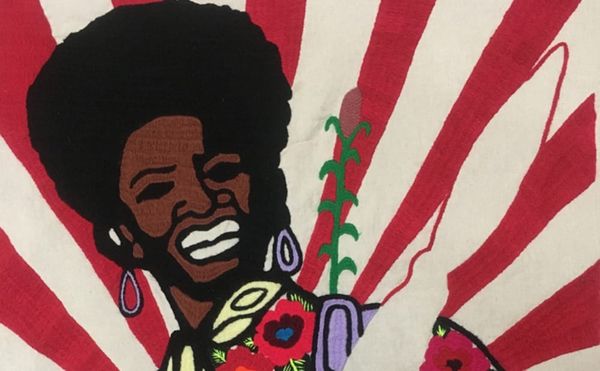
Douglas’s historical and new works, shown alongside pieces by younger artists, draw a line of influence between the two generations and establish a community of shared concerns.
Art
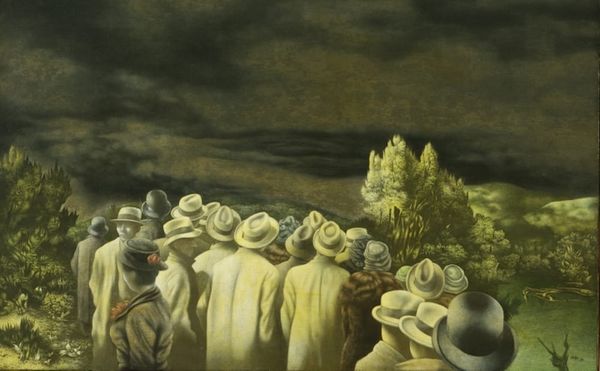
By returning to the details of life embedded in bodies, objects, and the earth, the artists featured in Before the Fall at Neue Galerie conveyed the hope that the world might reassemble itself.