Satire
Can You Have Your Banana and Eat It Too?
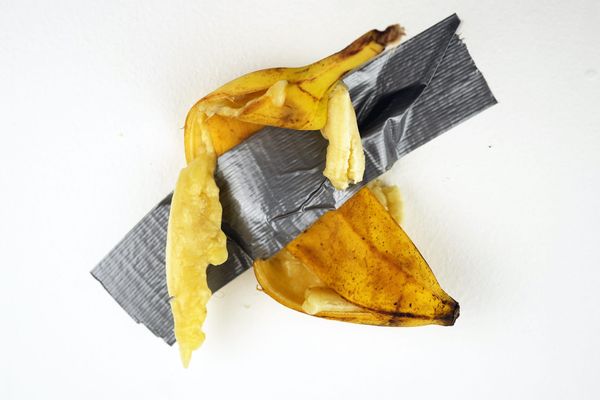
This Thanksgiving, cryptocurrency billionaire Justin Sun reminds us all not to waste by eating Maurizio Cattelan’s “Comedian,” his $6.2 million banana.

Natalie Haddad is an art writer, historian and former editor at Hyperallergic. She holds a PhD in Art History, Theory and Criticism from the University of California San Diego and has written extensively on modern and contemporary art.

Satire
This Thanksgiving, cryptocurrency billionaire Justin Sun reminds us all not to waste by eating Maurizio Cattelan’s “Comedian,” his $6.2 million banana.
Art
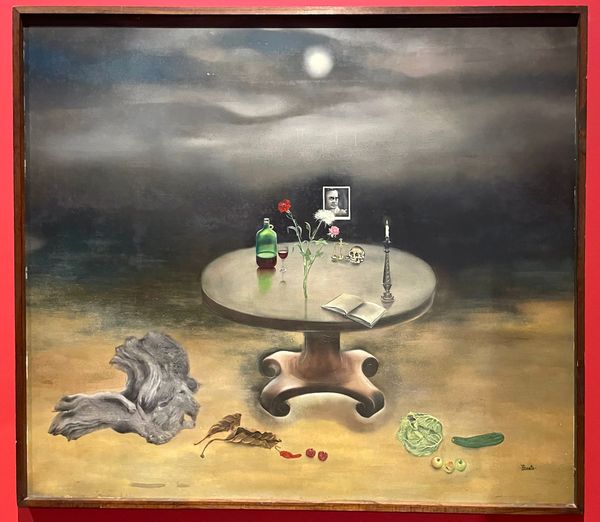
A visually enthralling show lays bare the links between science fiction and the occult, realms where being begins from a place of transgression.
Opinion
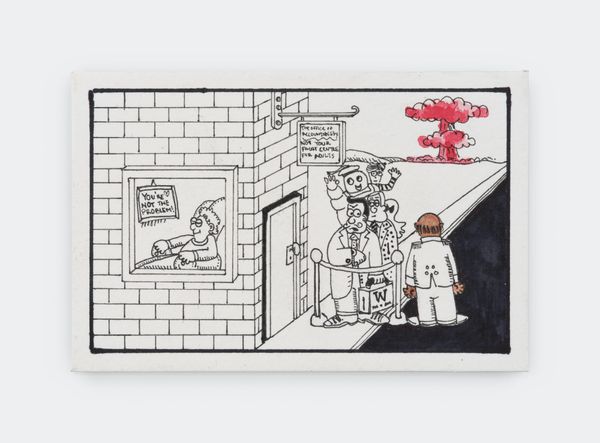
Divya Mehra’s drawing series The End of You drives home who’s oblivious to the end of the world and who isn't.
Guide
Alvin Ailey, Jesse Krimes, Tina Girouard, Aboriginal bark painting, and more.
Art
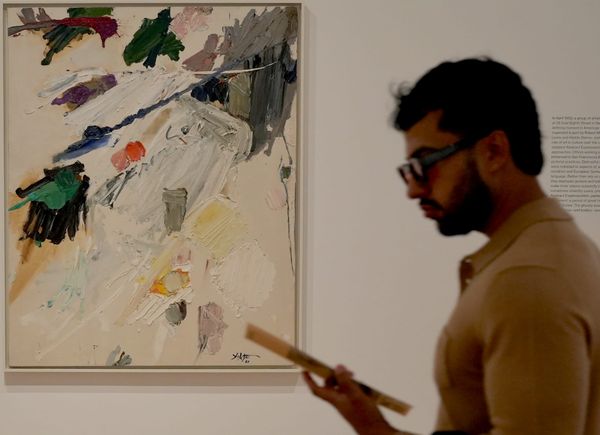
As mid-October rolls around we’re enjoying some serious and not-so-serious art by Carrie Mae Weems, Mala Iqbal, Lady Shalamar Montague, and others.
Art
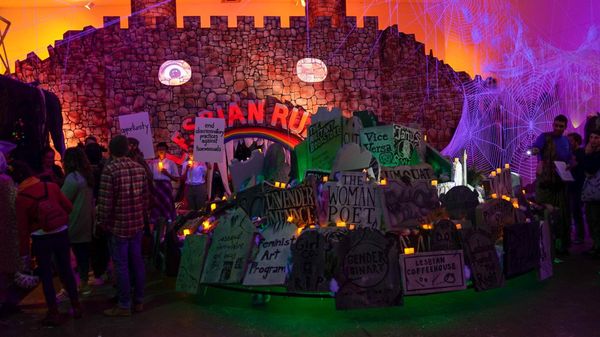
A semester-long symposium offers a Gender Discard Party, a “lesbian feminist haunted house,” and other events to celebrate and cultivate queer community.
Art
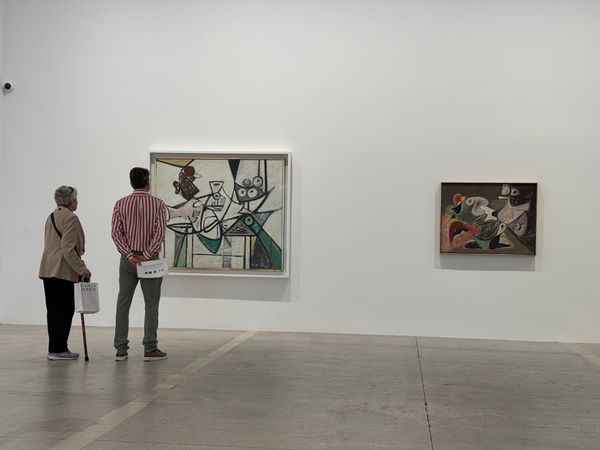
Start off the month with thoughtful shows by a range of artists, from established names like Nan Goldin to newcomers like Rachel Martin and trailblazers like Elizabeth Catlett.
Film
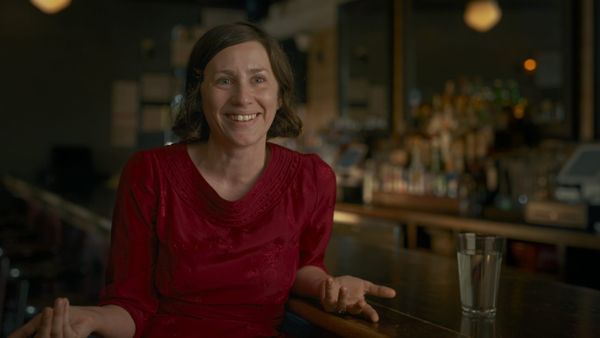
Implicit throughout Sorry/Not Sorry is the question of what it means for a White cis-het man to be “canceled,” and how claiming cancellation is often a route to reclaiming power.
Guide
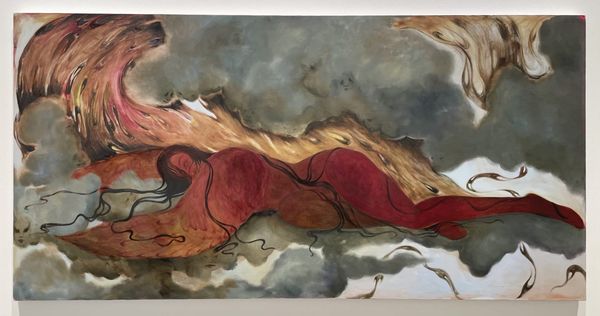
Artists including Leon Golub, Charles Yuen, Naudline Pierre, and Manny Vega are kicking off the fall art season with must-see shows.
Guide
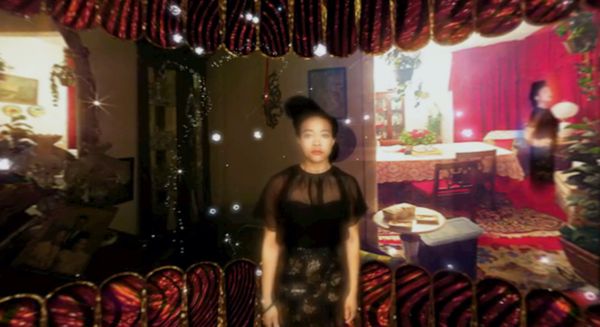
Make sure not to miss shows featuring Jenny Holzer, LaToya Ruby Frazier, Huong Dodinh, and others, plus a lot of dogs.
Art
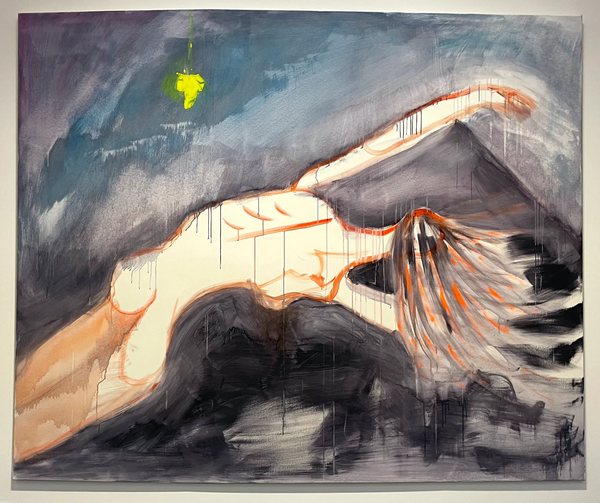
In Not Cool but Compelling, the artist's works churn with the turmoil of life, like emotions sketched in real time.

Art
From a Christmas-themed show to a window exhibition at Chinatown’s oldest running shop, this hot month is full of surprises.