Art
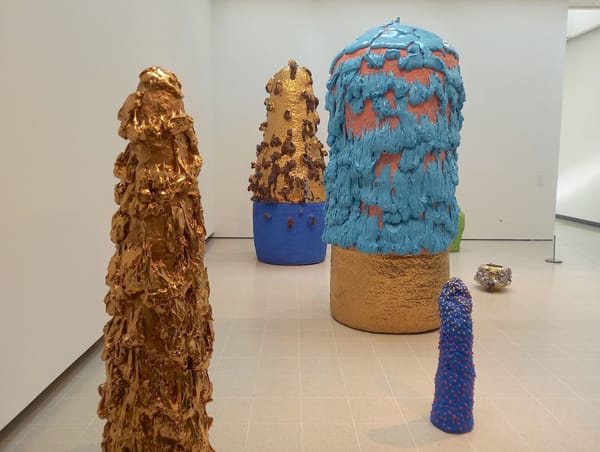
The Wondrously Defiant Art of Contemporary Ceramics
Strange Clay at the Hayward Gallery demonstrates the conceptual and technical innovation of contemporary ceramics with riotously joyful art.

Olivia McEwan is a trained art historian and freelance writer focusing on the London art world. She is also a practising artist, lending a keen eye and understanding of painterly technique which informs her criticisms of historical and emerging arts.

Art
Strange Clay at the Hayward Gallery demonstrates the conceptual and technical innovation of contemporary ceramics with riotously joyful art.
Art
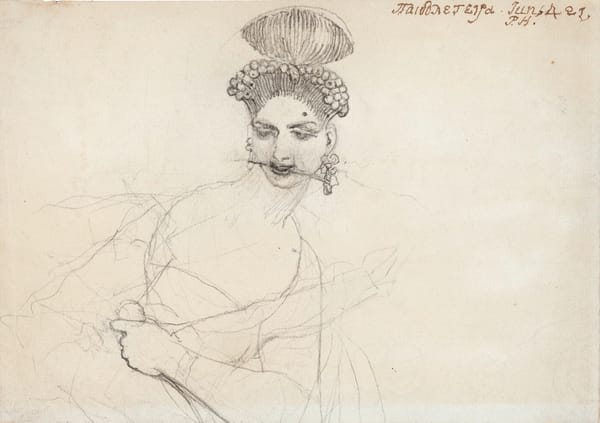
Fuseli and the Modern Woman is immensely pleasurable for the technical facility of an artist pursuing his own personal interests in an incredibly idiosyncratic style.
Art
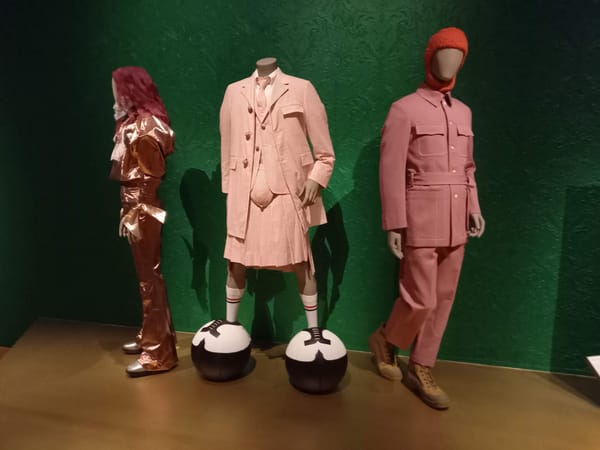
The exhibition Fashioning Masculinities lets men have their cake and eat it too.
Art
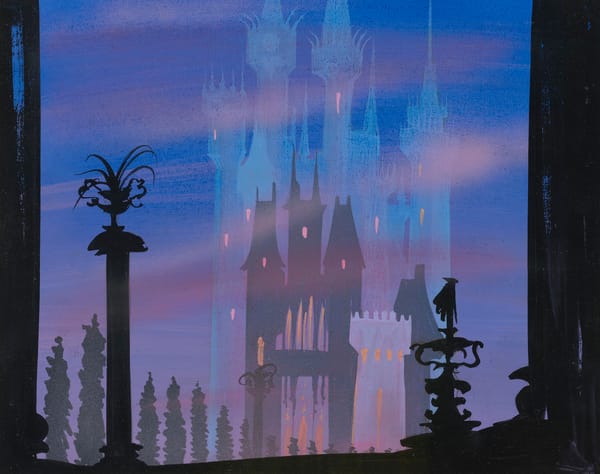
So closely do Disney's animators assimilate the sensibility of French design that on occasion their source material appears almost more Disney than Disney itself.
Art
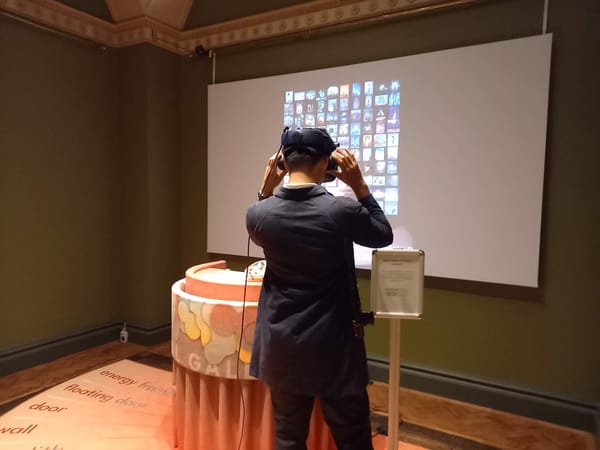
In Space Popular's presentation at the Sir John Soane's Museum the VR content does not complement the physical, but widens the gulf between art history and contemporary art making.
Art
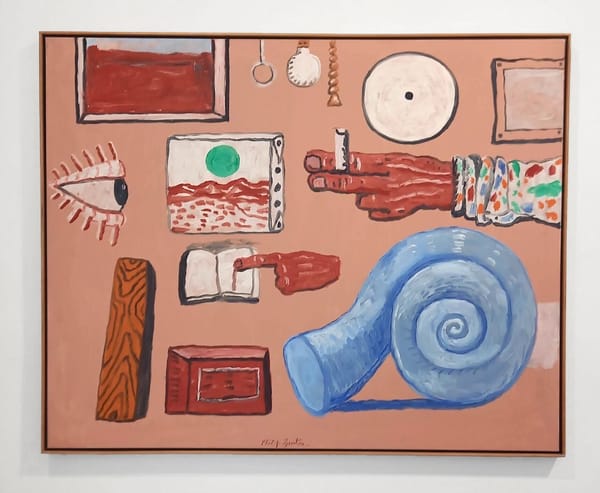
A Thing for the Mind takes Philip Guston’s 1978 painting “Story” as a starting point to examine the myriad ways in which this piece has filtered into the work of other painters.
Art
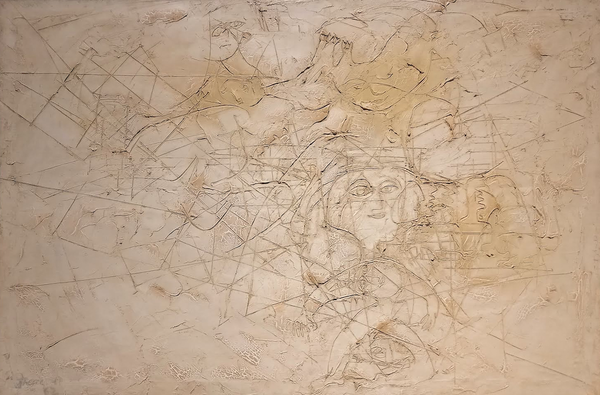
An exhibition at the Barbican in London asks: How do you make sense of war's senseless destruction and loss of human life?
Art
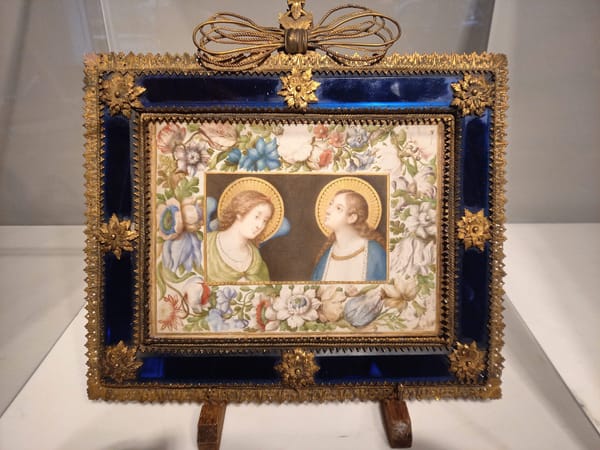
Depicting the busts of Gabriel and the Virgin, “The Annunciation” (1677) may be the ultimate lost artwork, or "sleeper."
Art
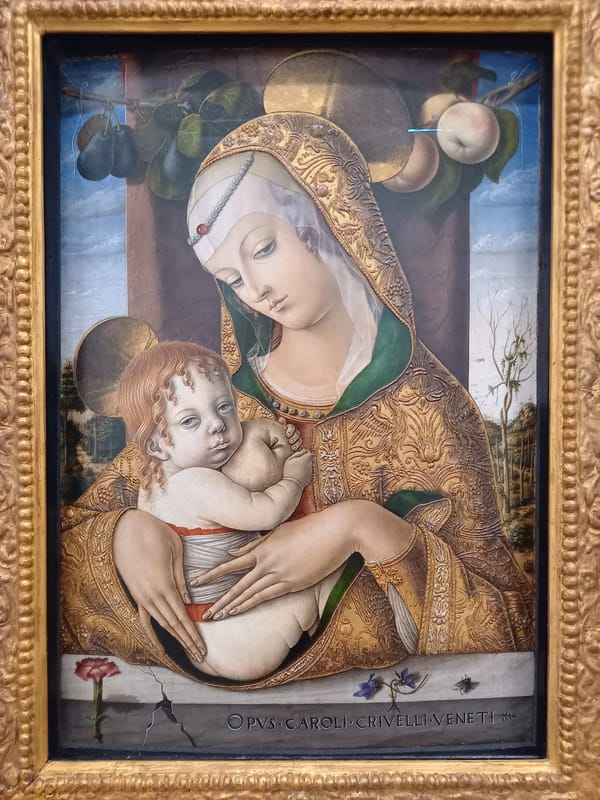
Ikon Gallery's retrospective asserts that Carlo Crivelli’s self-reflexiveness and questioning the nature of the image made him anticipate the “contemporary.”
Art
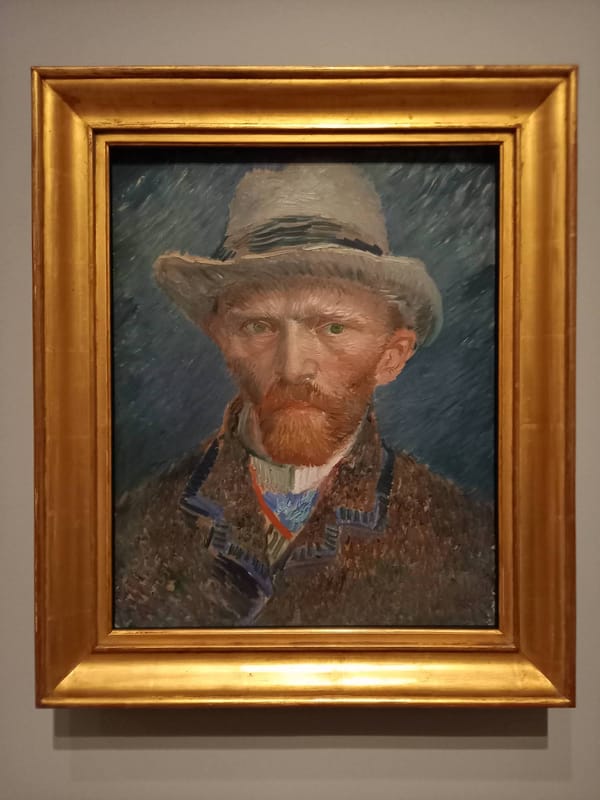
Popular perceptions of van Gogh are often preoccupied with heart-wrenching accounts of mental illness, but Van Gogh: Self Portraits avoids speculative psychoanalytic readings of one tortured face after another.
Art
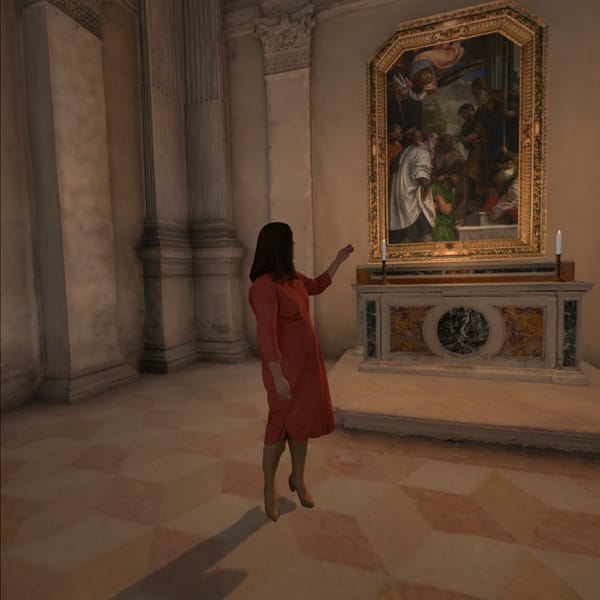
To play devil’s advocate, you could argue that eventually technology will be so good that everyone will have VR, and there is no need to travel to the National Gallery at all to see art.
Art
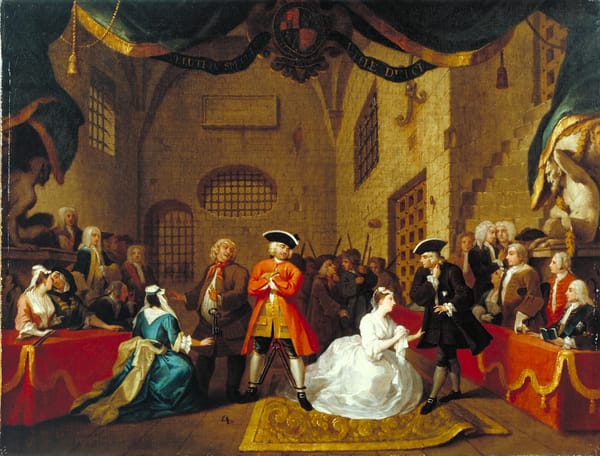
Why assemble the most significant grouping of Hogarths from far and wide without indicating why calling out the faults in historical artworks is important to our understanding of our world today?