Barbara Hammer Through Her Own Lens
“Barbara Forever” is both a biography and a conversation the late filmmaker has with herself.

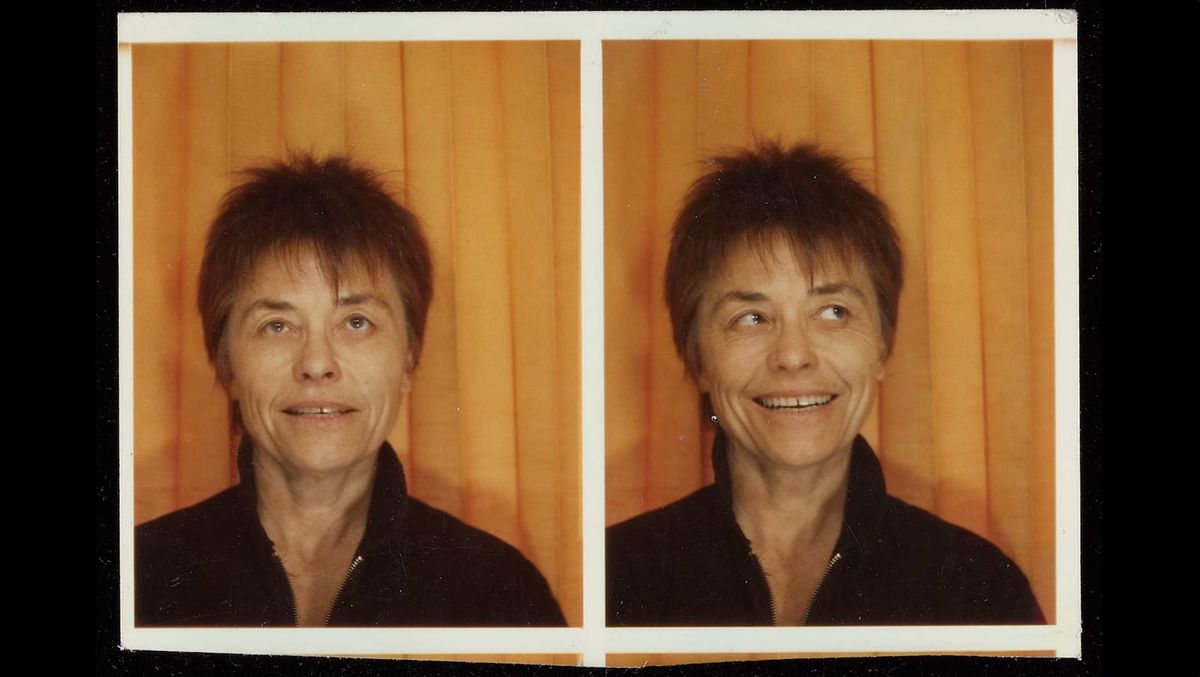
Barbara Forever (2026) sets itself apart from most biographical documentaries early on by eliding the first three decades of its subject’s life. In voiceover, the late Barbara Hammer avers that her life did not truly begin until she started making films and came out as a lesbian in the early 1970s. Hungry to make up for lost time, she reinvented herself with admirable speed, separating from her husband, with whom she lived in the woods of Northern California, and integrating into Berkeley’s queer and experimental filmmaking scenes.
The documentary proceeds through the groundbreaking feminist filmmaker’s life and work chronologically, studying how her artistic practice and political convictions evolved. Save for some new interviews with Hammer’s longtime partner, Florrie Burke, the film is constructed almost entirely from archival materials. Hammer was meticulous in her self-documentation, saving reams of personal photographs, notes, videos, and voice recordings. It is in this way that she narrates her own life, with help from director Brydie O’Connor’s editorial interventions.
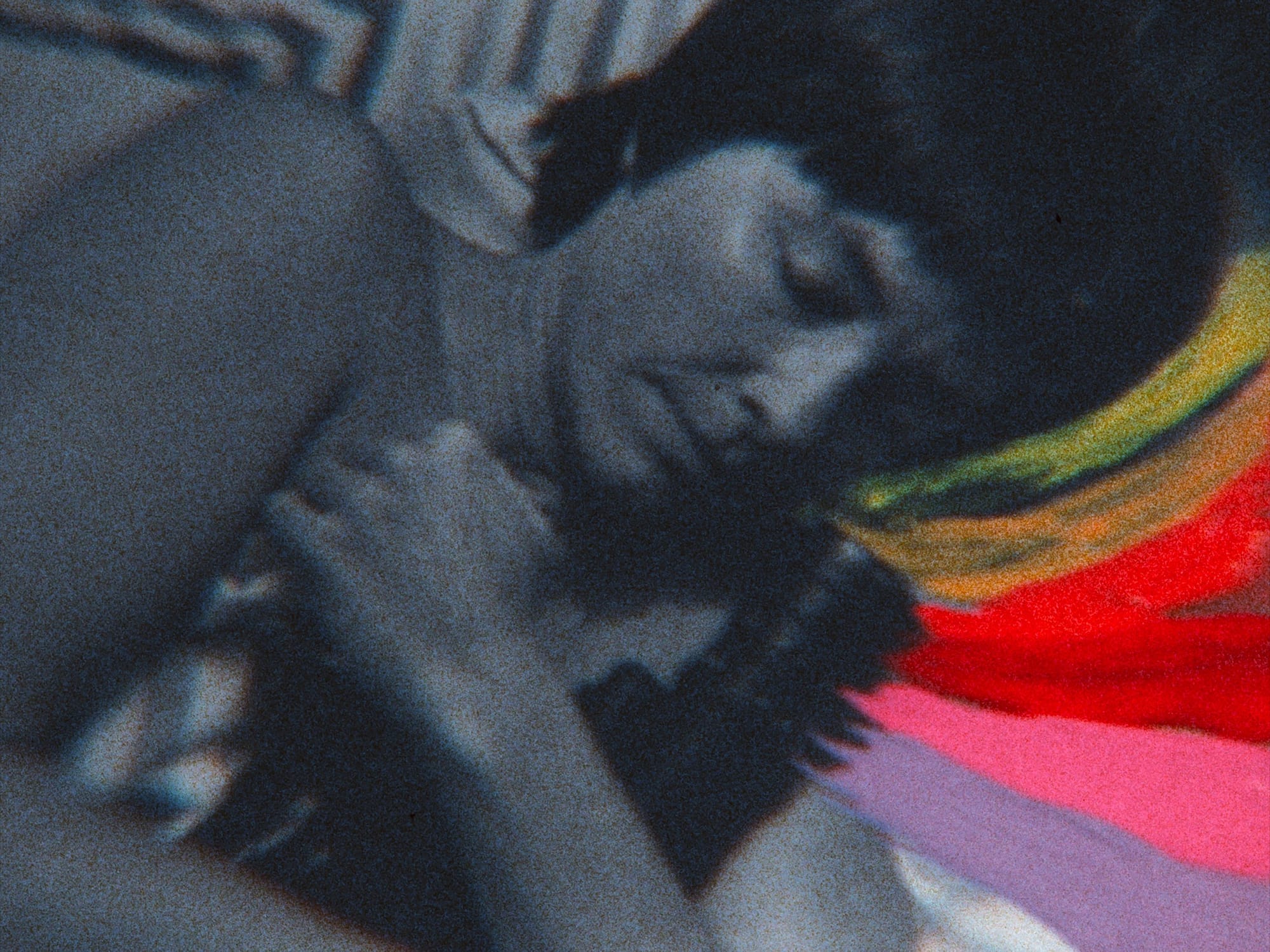
Those interventions mean that while the film’s timeline is linear, Hammer’s thoughts are not. Many of her audio recordings were made in her final years as she endured endometrioid ovarian cancer and mortality spurred her to evaluate her life. It was also in this context that she created her performance piece The Art of Dying or (Palliative Art Making in the Age of Anxiety) in 2018, one year before her death.