Beatriz González, Colombian Painter of Collective Memory, Dies at 93
While often associated with Pop Art, her practice was rooted in the specificities of local visual culture, depicting political events, violence, and loss.

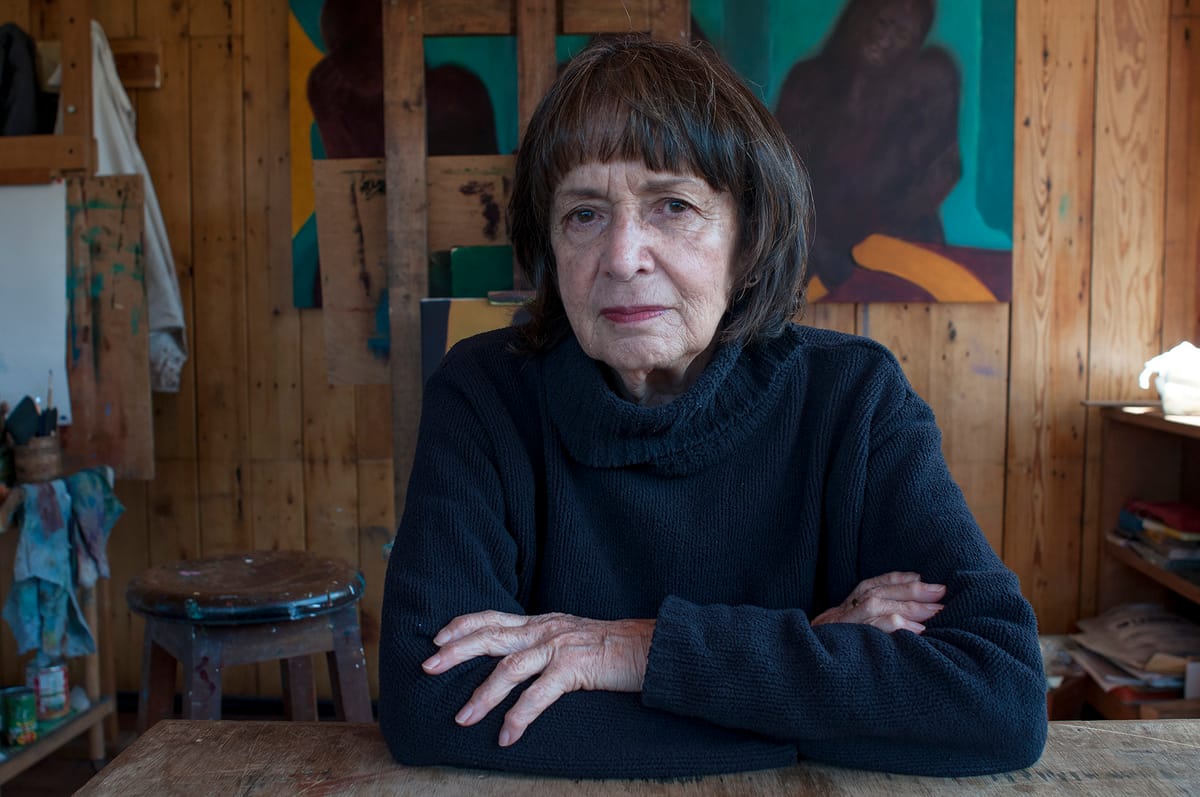
Colombian artist Beatriz González, a foundational figure in Latin American contemporary art, died on January 9 at the age of 93 in her home. Widely recognized for her vibrant palette and radical use of furniture as a support for her paintings, she addressed collective memory by attempting a pictorial representation of her nation’s history, depicting political events, violence, and loss. The news of her death was confirmed by her gallery Casas Riegner in Bogotá.
Though her iconography, derived from popular culture and mass-reproduced images, is often aesthetically associated with Pop Art, González maintained that this was a misunderstanding of her oeuvre. Her practice was rooted in the specificities of Colombian visual culture, which differed fundamentally from the American and European contexts. While peers like Andy Warhol and Richard Hamilton replicated consumer culture and advertising, González took a more critical view, exploring the complex relationship between the construct of taste and social class.
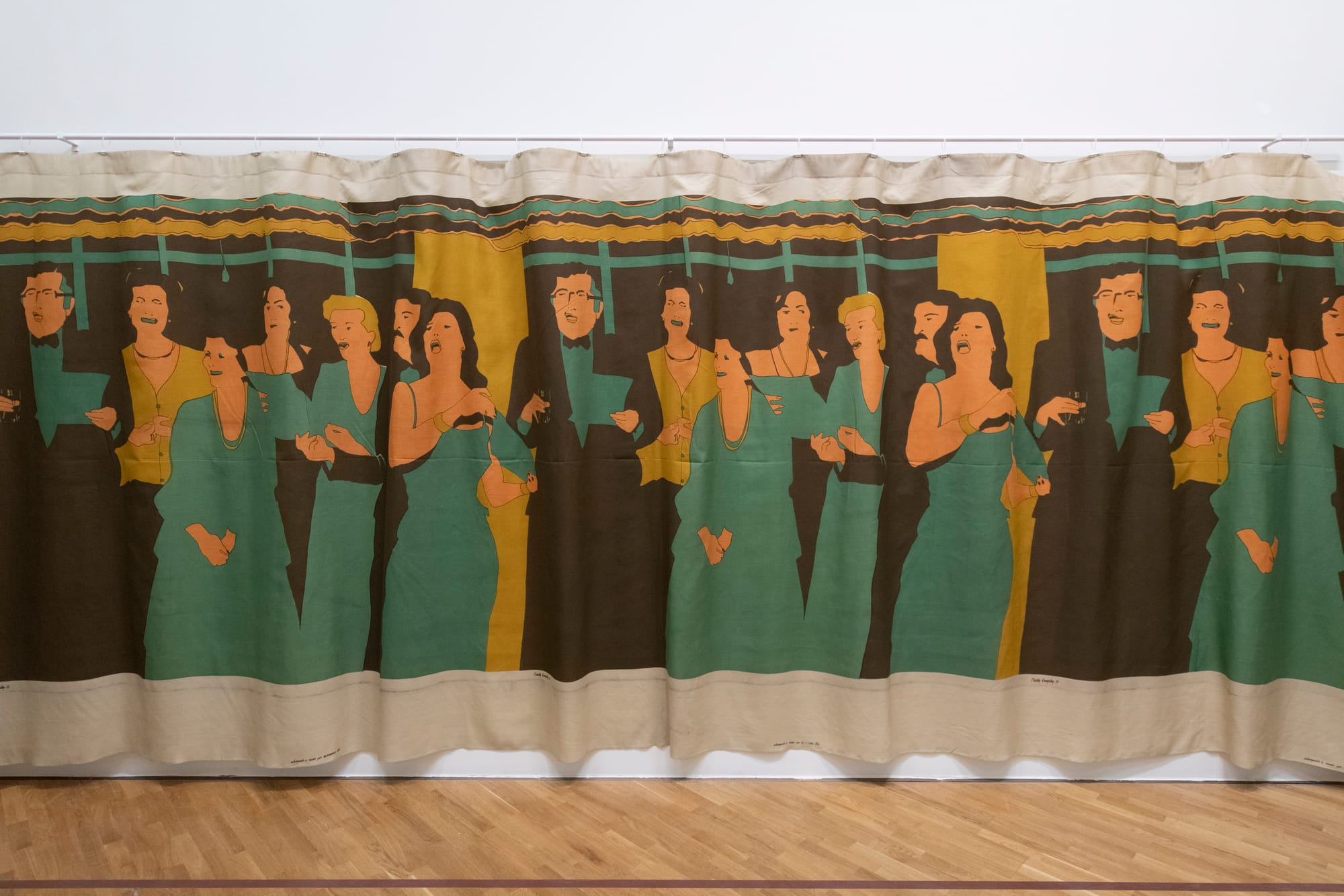
Starting in 1962, González used reproductions of classical artworks by Diego Velázquez and Johannes Vermeer as motifs, often placing them on industrial steel furniture. Later, she drew inspiration from newspaper photographs as well as láminas Molinari — mass-printed chromolithographs of saints, idols, and mythological scenes produced by the Gráficas Molinari workshop and commonly used for interior decoration in working-class Colombian homes. By selecting these prints, González sought to understand how such images shaped individual sensibility.
“At one point, I discovered that there is pleasure in looking at objects that are gaudy and tasteless,” González told me when I interviewed her in 2020. “Bad taste can coexist with good taste; people try to separate them, but they are inevitably intertwined. Kitsch is a part of my work.”
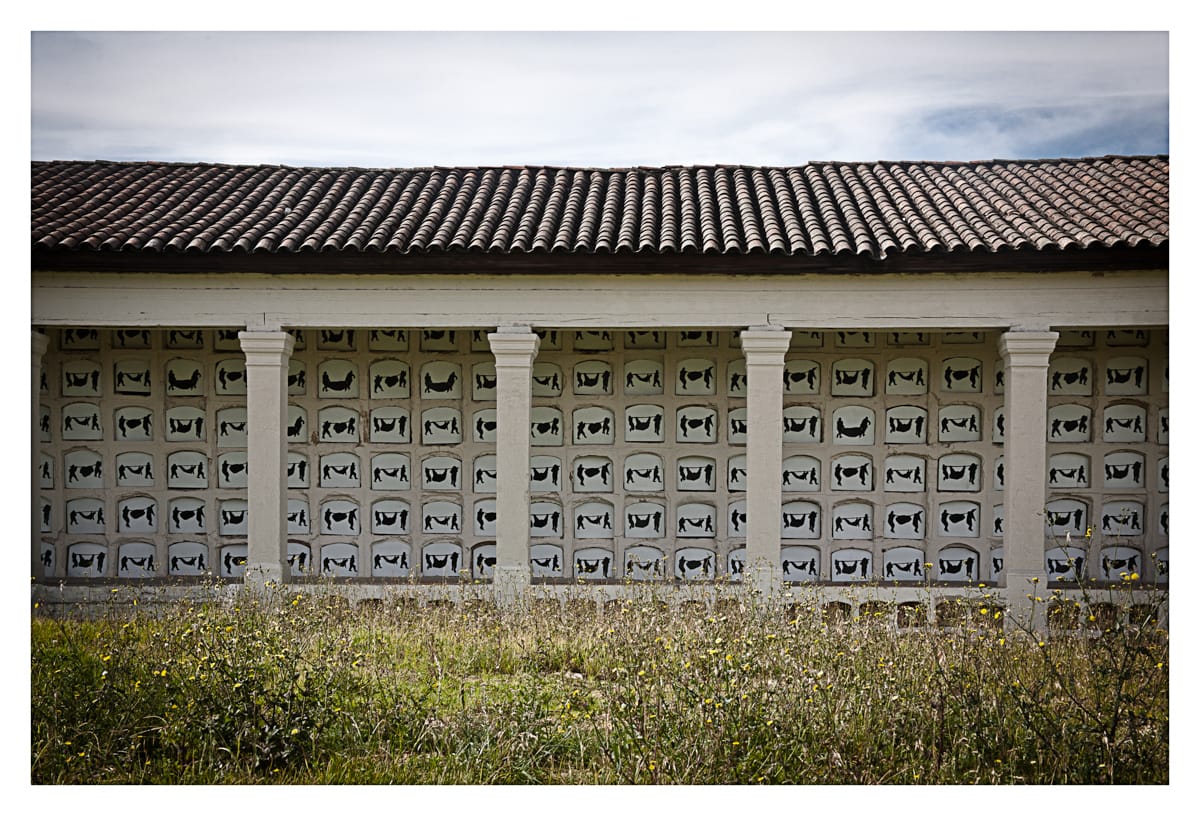
Addressing violence and trauma remained central to her practice. "Auras anónimas" ("Anonymous Auras") (2007–09) at the Central Cemetery of Bogotá represents the climax of her search for memory. When the columbaria, structures that held the remains of anonymous victims, were threatened with demolition, González, alongside artist Doris Salcedo, battled to preserve the site. She created 8,956 headstones featuring black silhouettes of figures carrying the deceased, dedicated to Colombia’s disappeared.
“I had to make sure the title of the piece was in plural. There are thousands of people that were murdered, buried, and nobody knew more about them,” the artist said. “As with the rest of my work, it relies on repetition as a way to preserve memory ... I dreamt of preserving the souls of the missing in their covered graves, so that their memory would not disappear into thin air.”
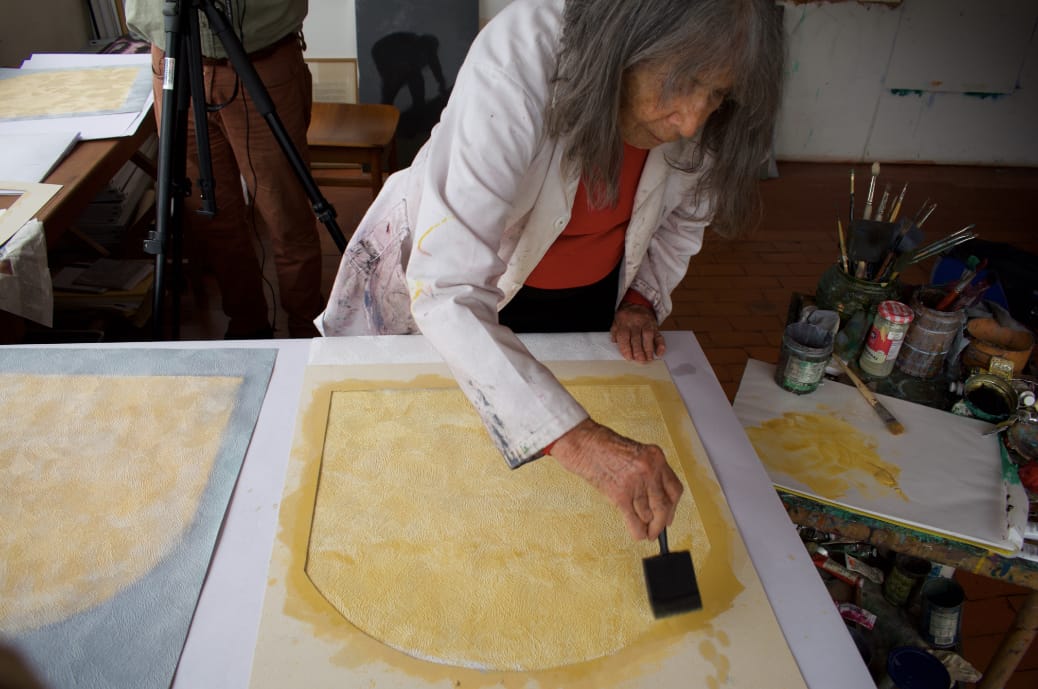
González was also an accomplished art historian and critic with a deep passion for 19th-century landscape painting. Born on November 16, 1932, in Bucaramanga, where she spent her childhood, González moved to Bogotá after high school in 1956 to study architecture at the National University. From 1978 to 1983, she worked on the educational program at the Museo de Arte Moderno de Bogotá (MAMBO), and from 1989 to 2003, she held the role of chief curator at the Museo Nacional de Colombia. She studied at the Universidad de los Andes in Bogotá under masters such as painter Juan Antonio Roda and art critic and writer Marta Traba, who championed Gonzalez from the very beginning. During this period, she met Fernando Botero, who became a role model for her early work, though she remained fiercely original: “I did not want to imitate other artists,” she told me.
She also formed a close, lifelong friendship with artist Luis Caballero. Shortly after graduating in the early 1960s, she began exhibiting at the Museum of Modern Art in Bogotá and the Museo de La Tertulia in Cali. In 1964, she married the acclaimed Colombian architect and civil engineer Urbano Ripoll Rodríguez, who remained her partner until his passing in 2024.
In interviews throughout her life, she constantly insisted that she was a "provincial artist," but her work allowed her to speak to the world.
"Beatriz González is the most extreme example of an artist who works against the 'prestige' of the international center,” Traba said in a catalogue entry for the 1971 São Paulo Biennial. “She does not seek to be 'modern' in the New York sense; she seeks to be truthful in the Colombian sense."
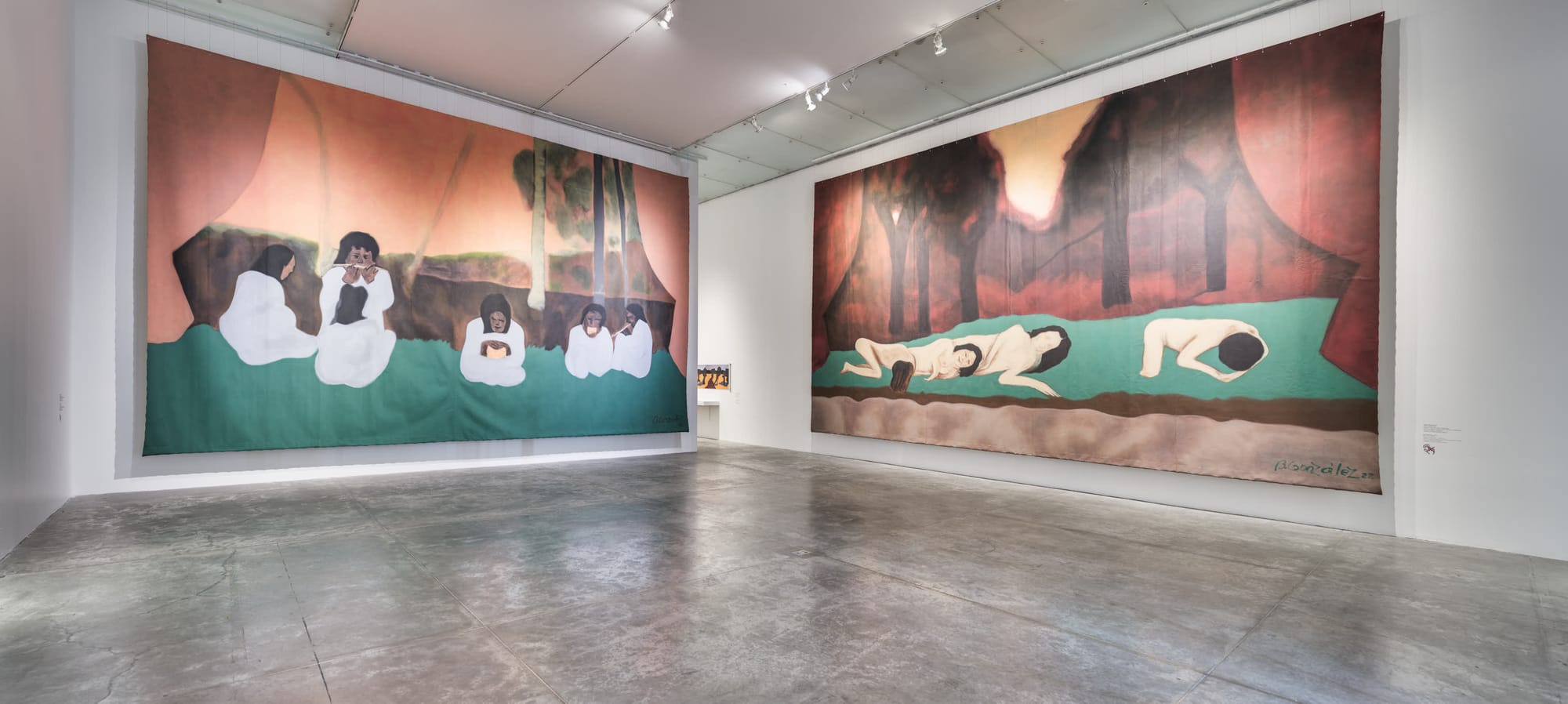
González’s international career included participation in major global events such as the 11th São Paulo Biennial in 1971 and Documenta 14 in 2017. In 2023, the Museo Universitario Arte Contemporáneo in Mexico City presented the exhibition Beatriz González. Guerra y paz: una poética del gesto, curated by Cuauhtémoc Medina and her longtime assistant, Natalia Gutiérrez, which later traveled to the De Pont Museum in the Netherlands. A landmark retrospective organized by the Pérez Art Museum Miami (PAMM) and the Museum of Fine Arts, Houston, in 2019, made its final stop at the Museo de Arte Miguel Urrutia in Bogotá in 2020.
“It was a moment — along with the exhibition Radical Women — that shone a spotlight on the importance of Beatriz González,” PAMM Director Franklin Sirmans said of the retrospective show. “Global cultural dynamics and collective response were her ‘bread and butter.’ We were blessed to have collected half a dozen works by the great maestra.”
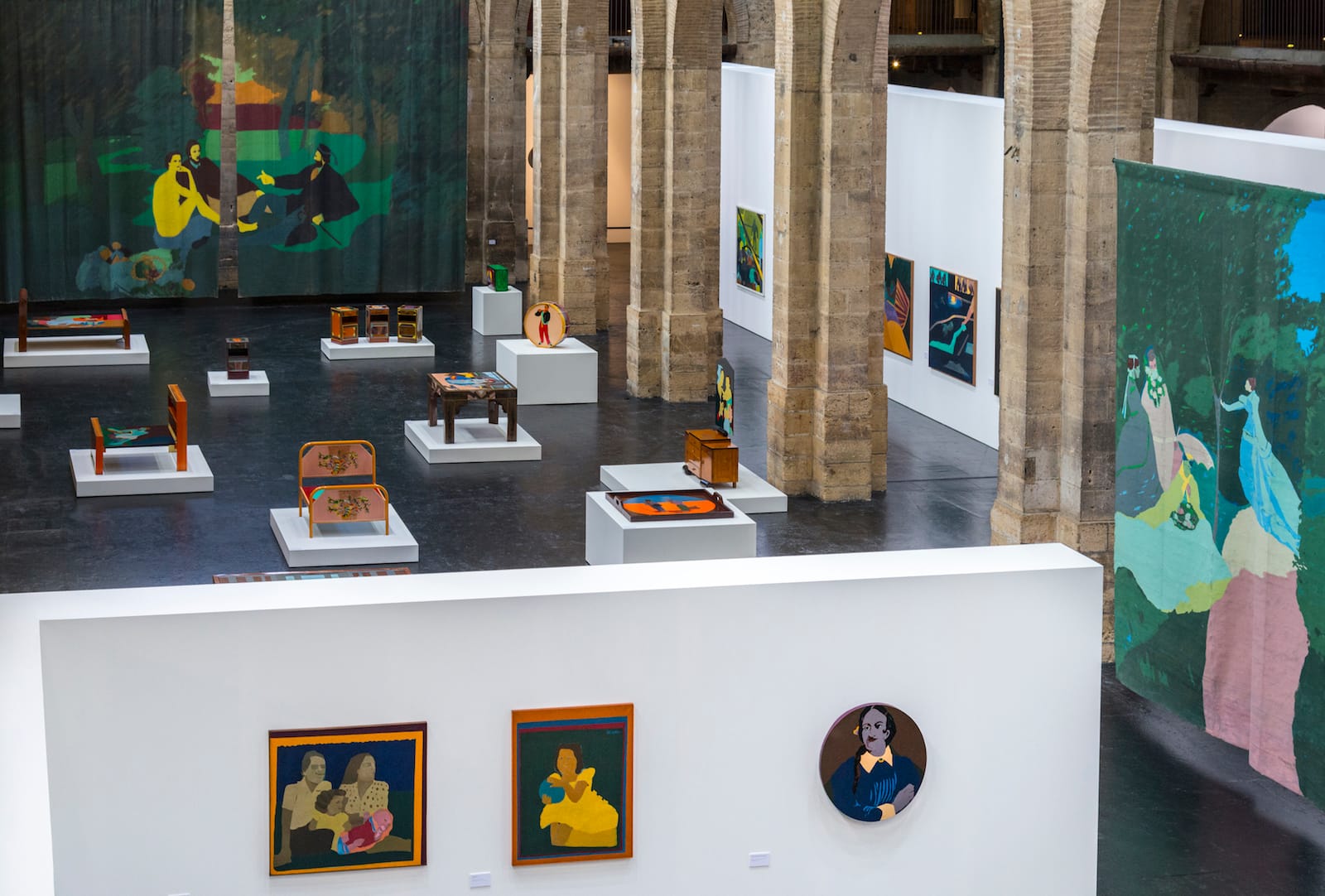
Lotte Johnson, a curator at the Barbican Art Gallery in London, described her as an “extraordinary artist and thinker.”
“Her work seems more resonant than ever, whether critiquing the dominance of Western art history with wit and irony, bearing witness to violence, or paying homage to grief and mourning … We look forward to paying tribute to her incredible practice and sharing her powerful work with our audiences,” said Johnson, who worked on González’s first UK retrospective, opening next month.
“I feel a sense of fulfillment because everything she wanted to achieve, she did,” said Catalina Casas Riegner, González’s gallerist since 2012. “I am committed to continuing to promote her work, because there is still so much of it to explore.”