Cats, Cans, and More Curiosities from Toy Camera History
The colorful history of toy cameras, those affordable film cameras in plastic boxes, is being celebrated in a new book.

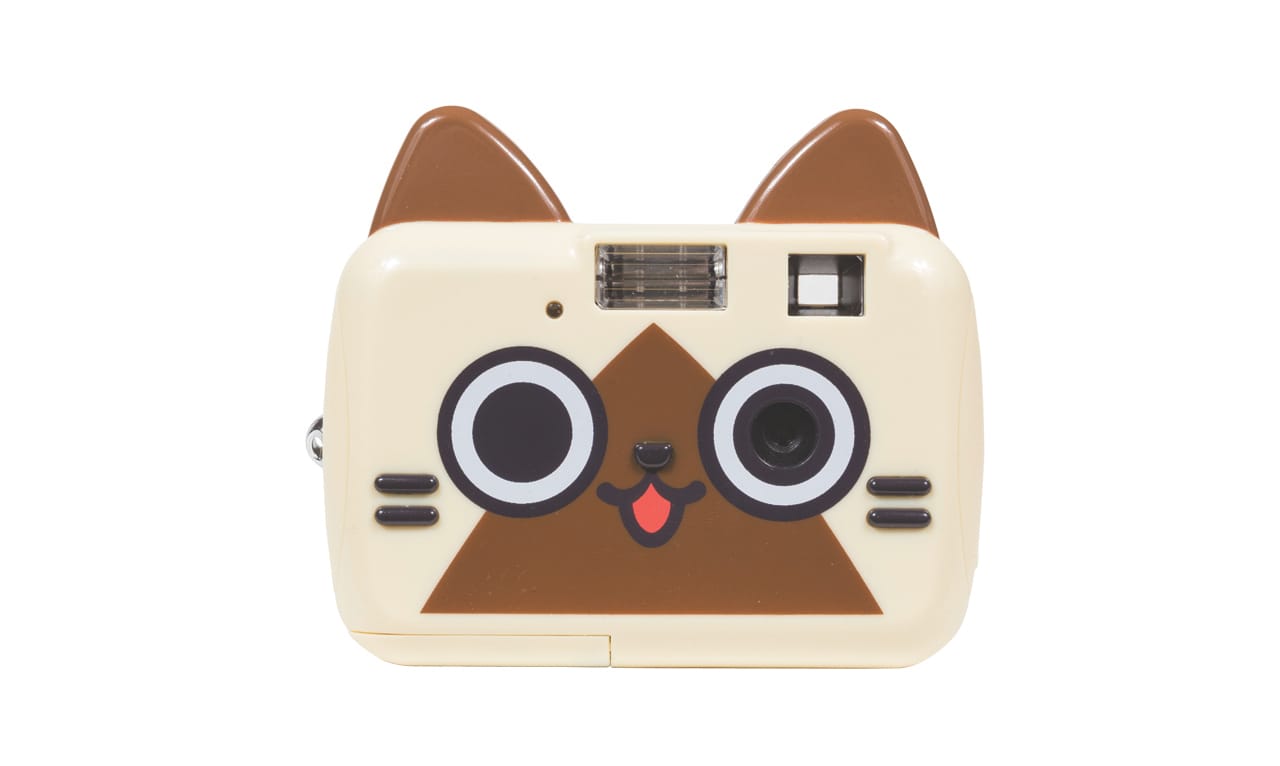
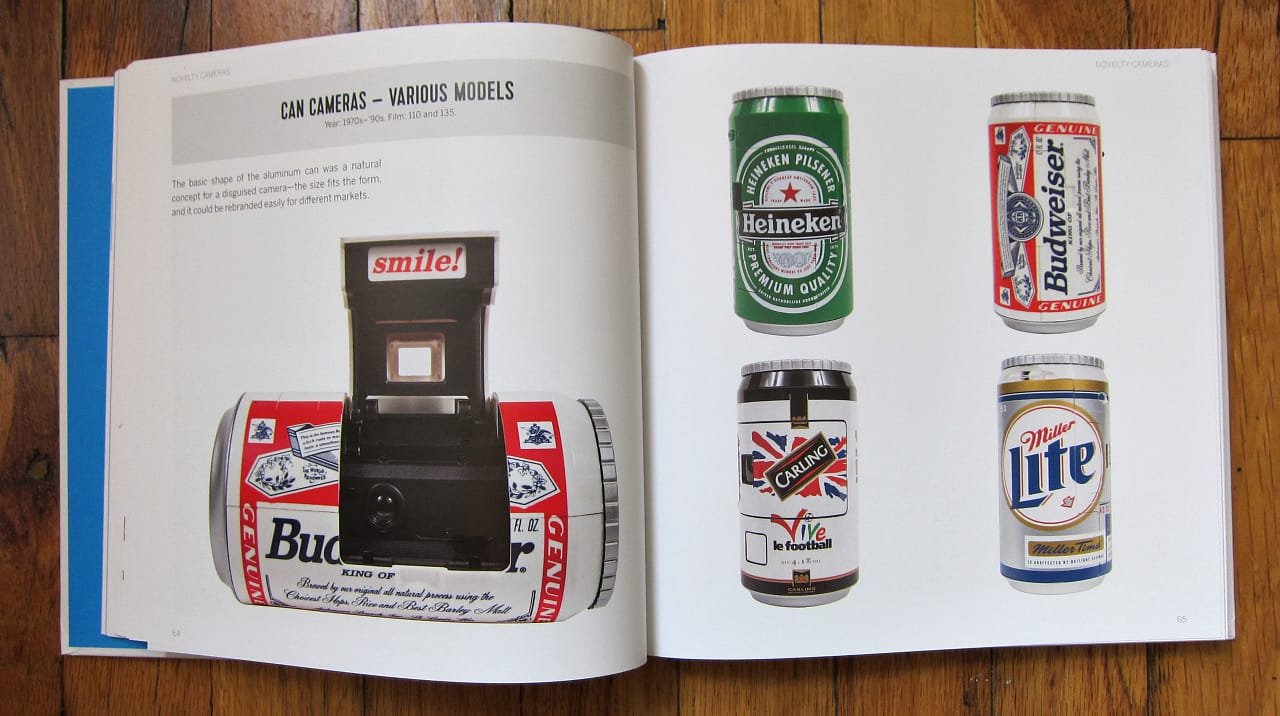
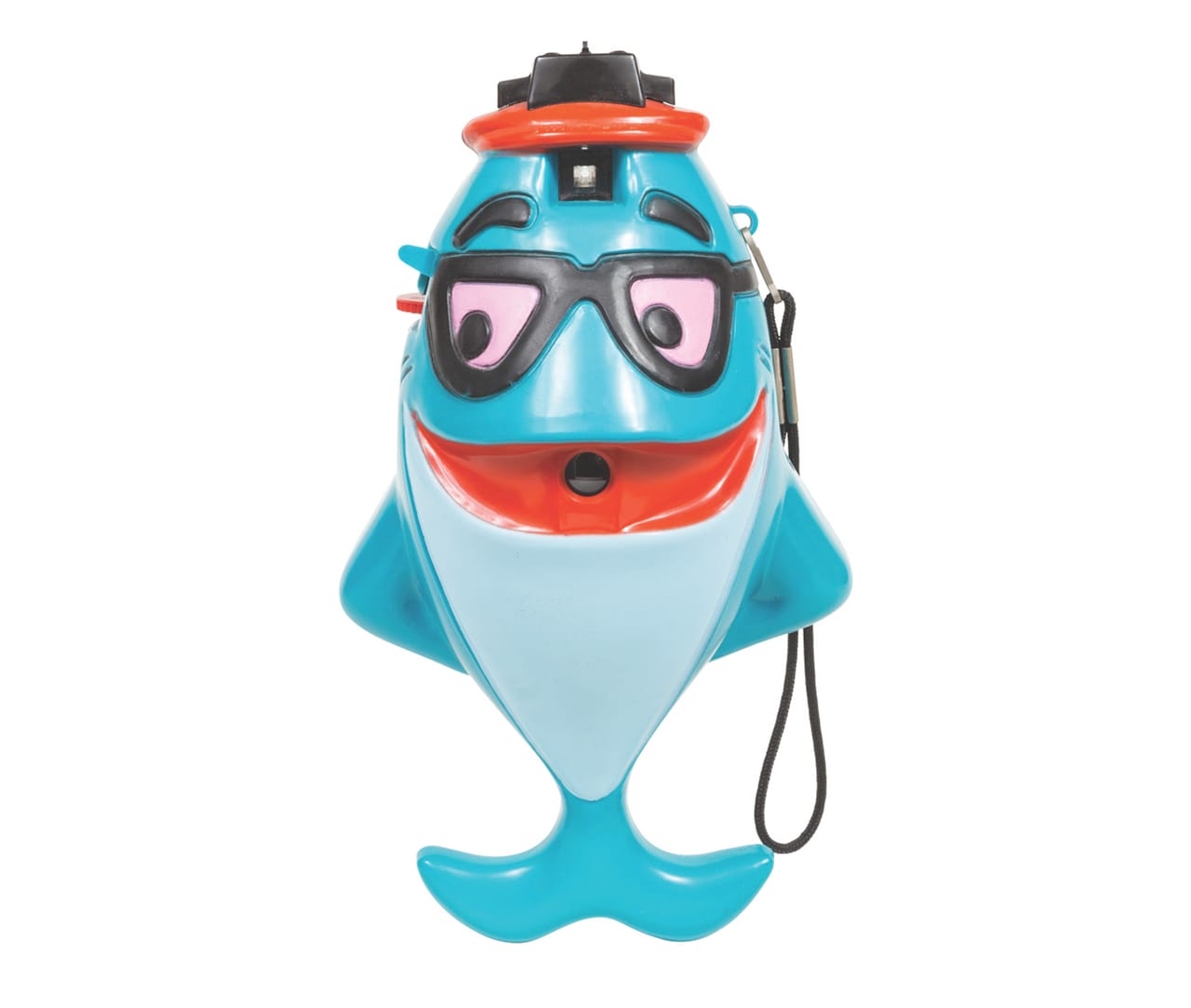
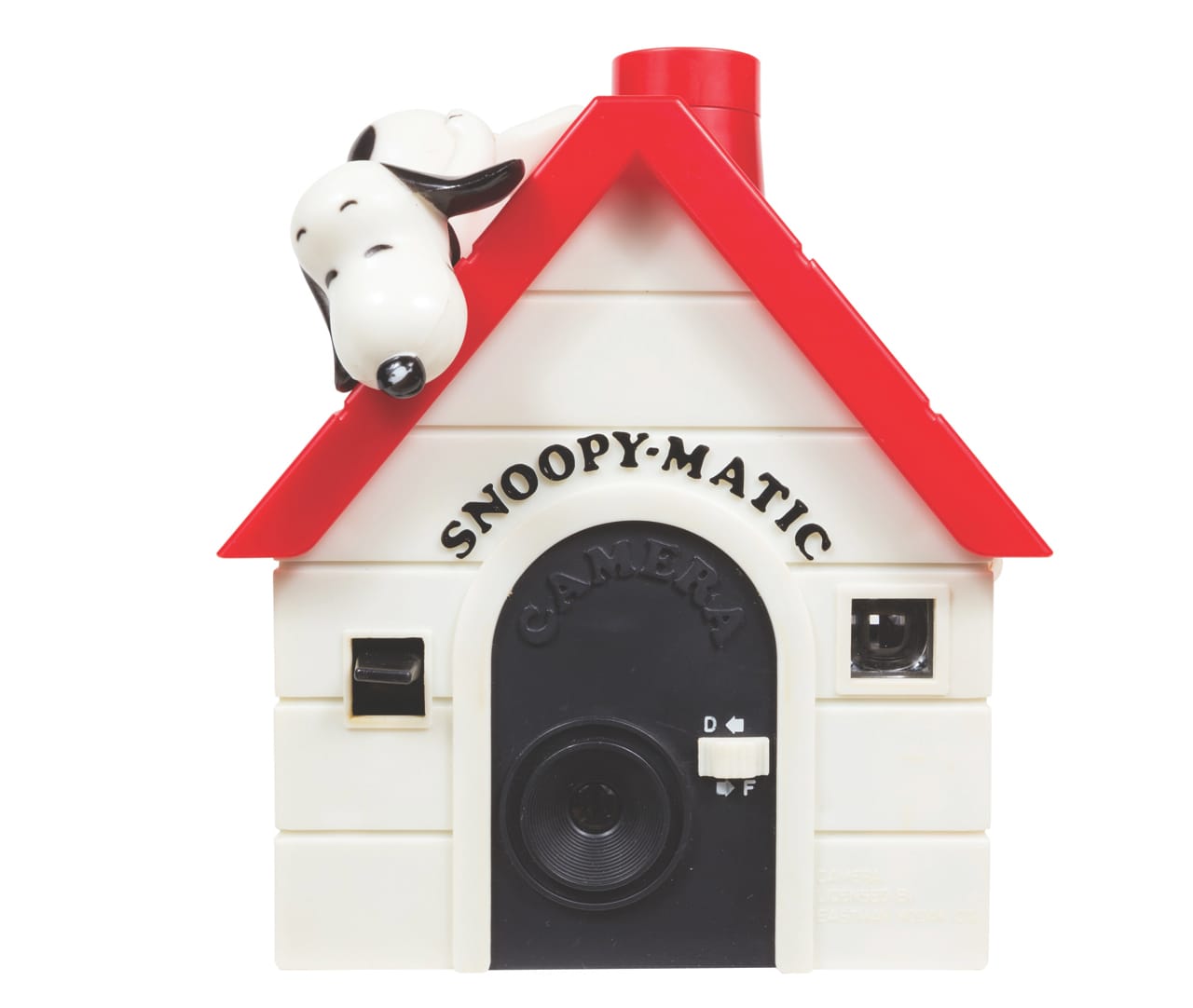
The colorful history of toy cameras, those affordable film cameras in plastic boxes, is being celebrated in a new book. Christopher D. Salyers and Buzz Poole’s Camera Crazy, available this month from Prestel, starts with the Brownie debuted in 1900 by Kodak — the first affordable camera model — and continues on through marketing ploys like the 1971 Mick-a-Matic shaped like Mickey Mouse; the Diana, favored for its moody prints; and even the recent Shironeko Holga, made specifically to take pictures of cats by attracting their attention with flashing LED lights and meowing coordinated with the shutter button.
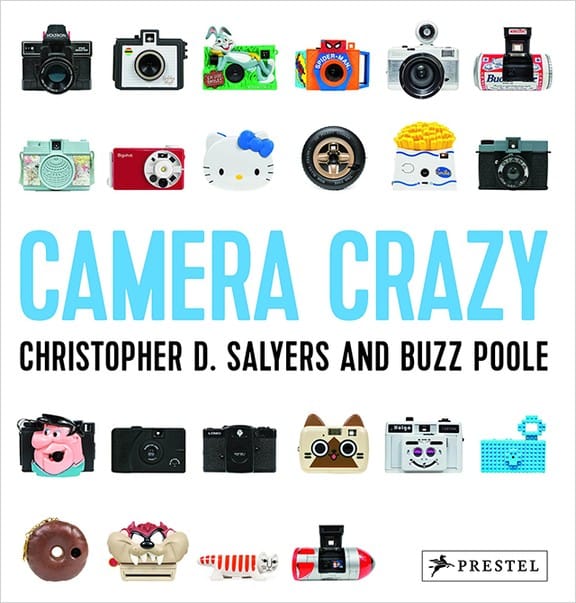
In the book, Poole writes about the Brownie’s influence and the rise of Kodak:
Photography started as a scientific art but the insistence on the part of Kodak, and the companies that have followed it, that photography should be fun and easy, blurred the line between “serious” photography and “recreational” photography. All because of the marketing of a toy, that happened to be a camera.
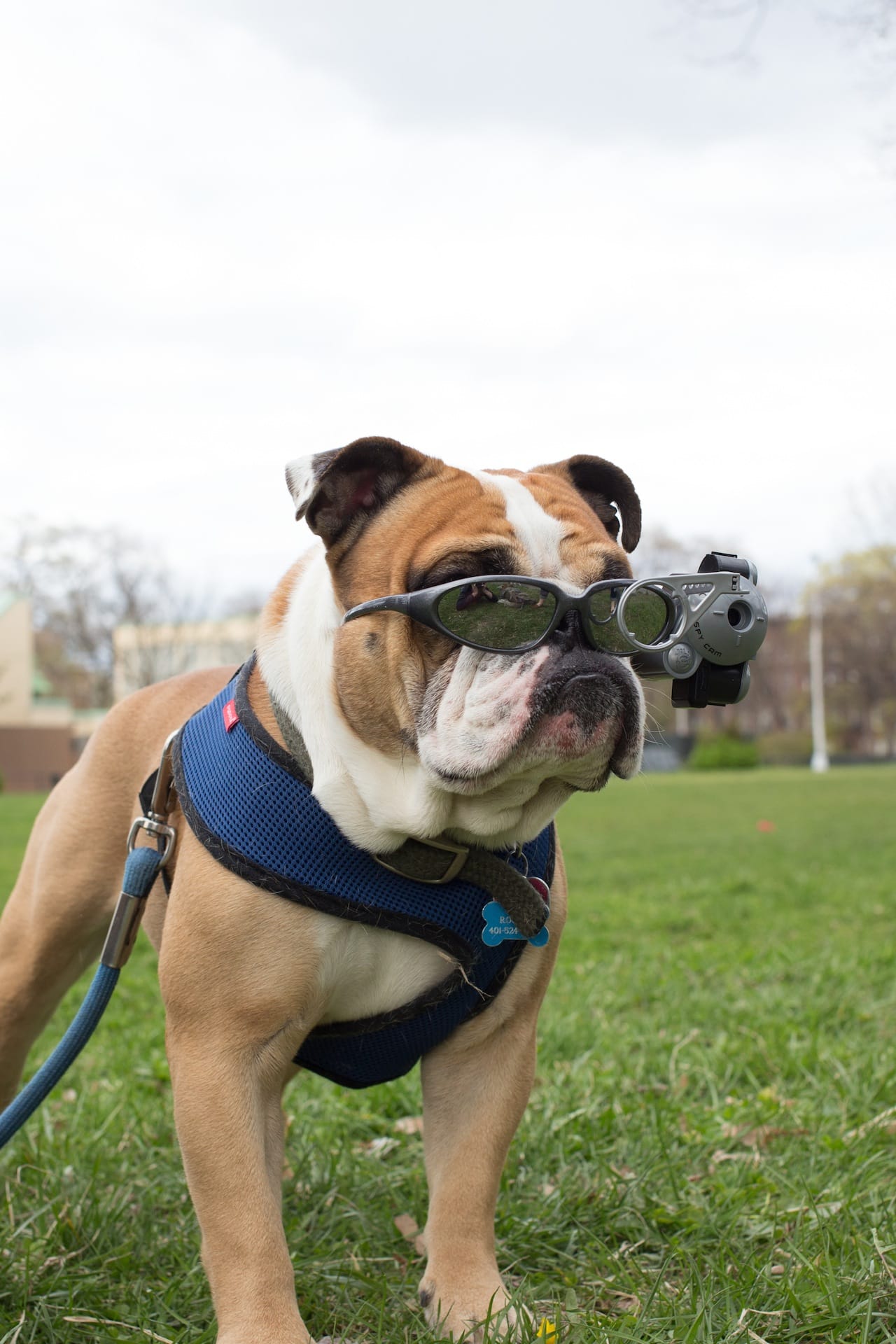
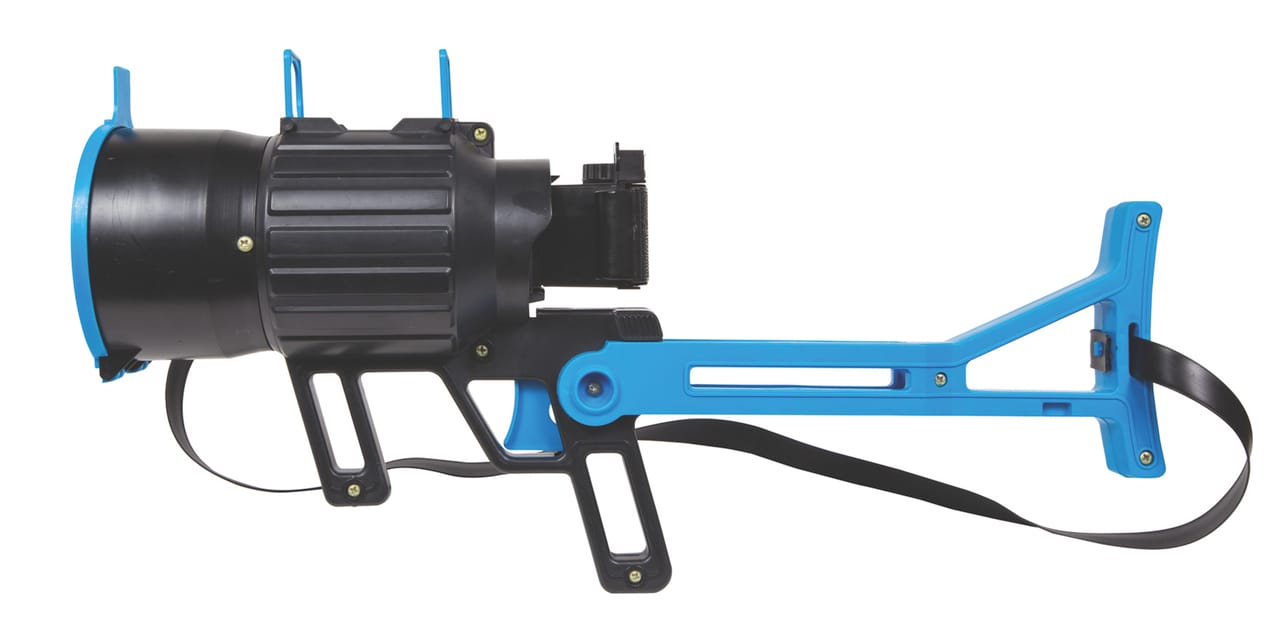
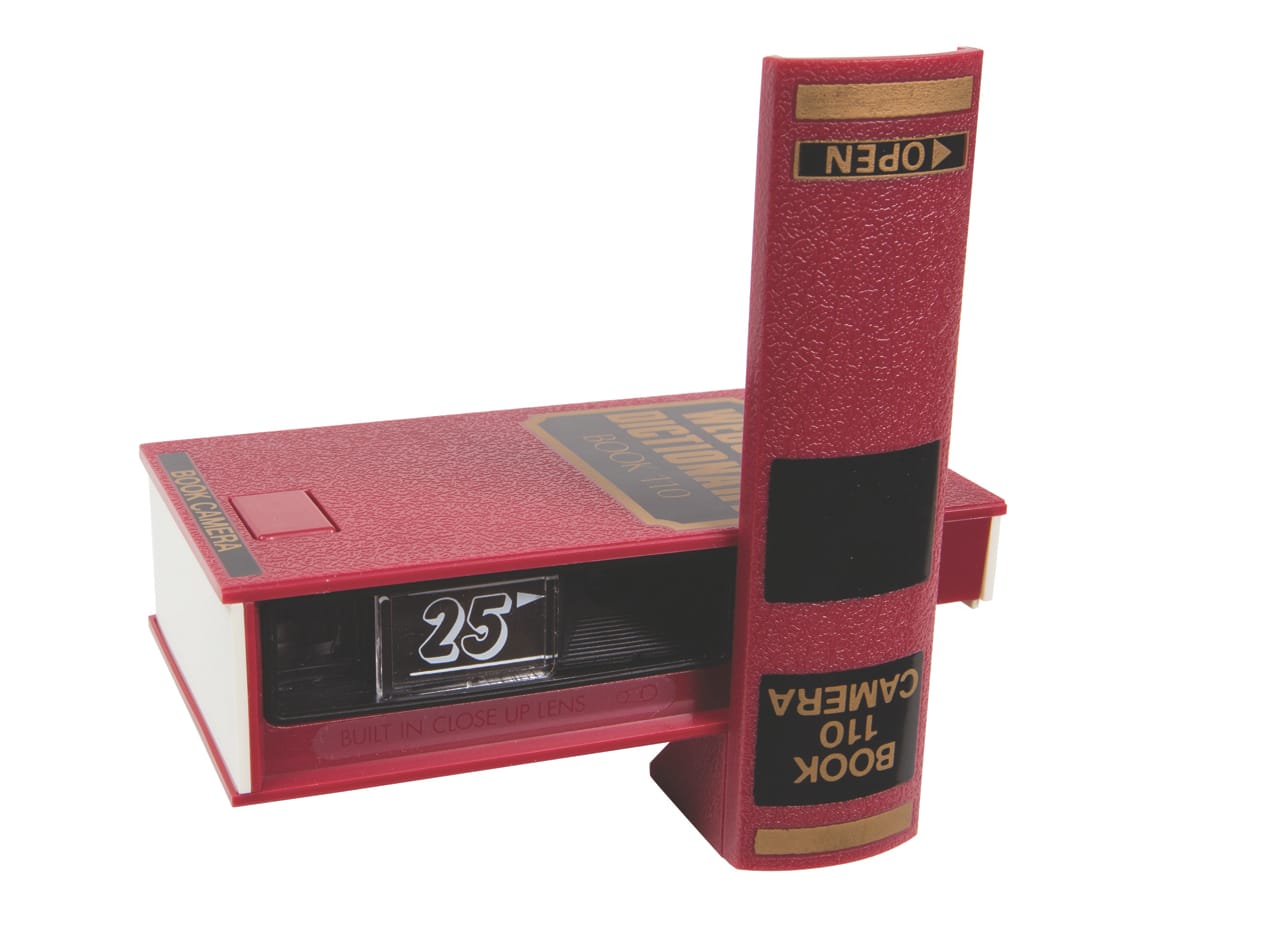
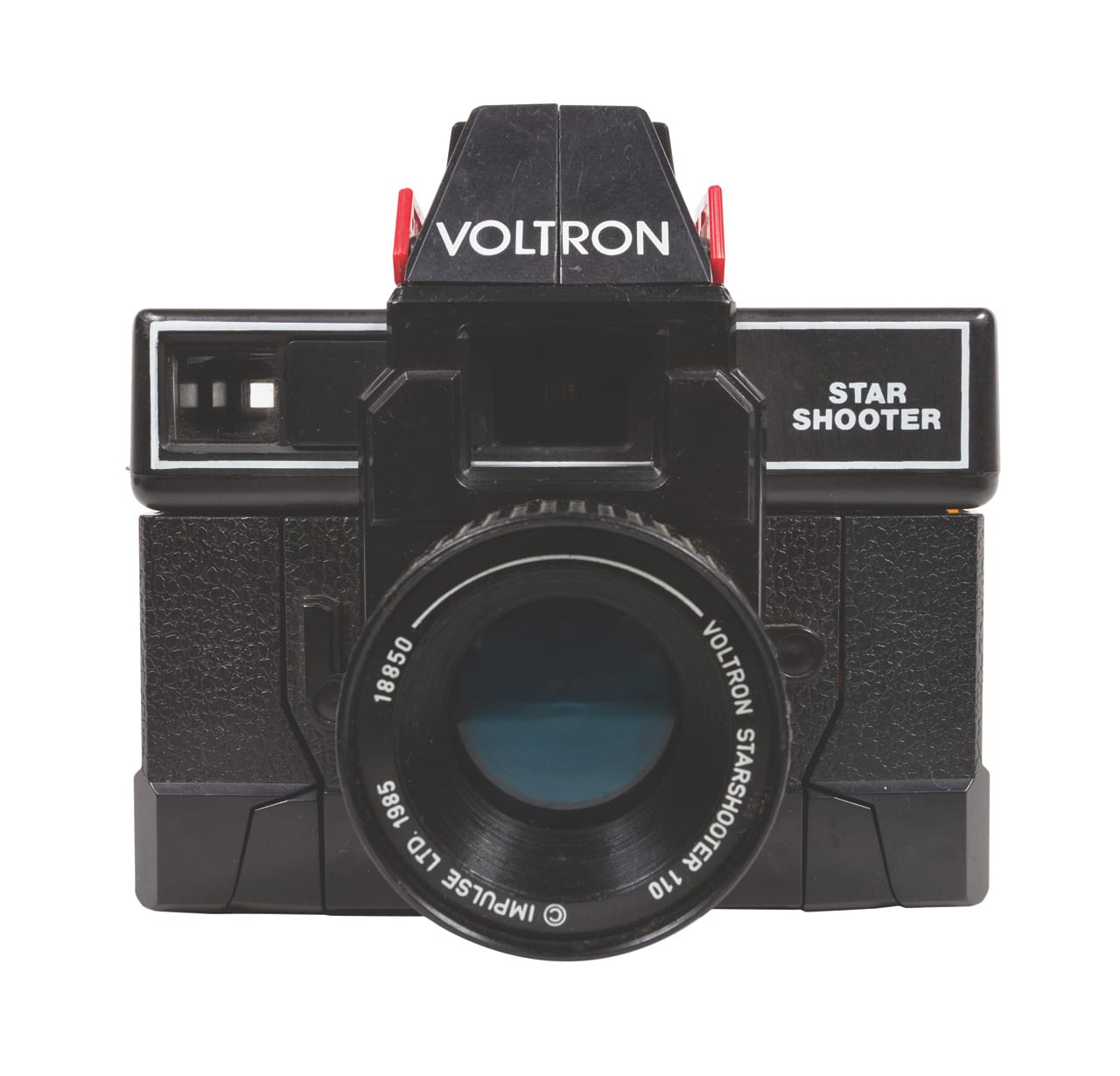
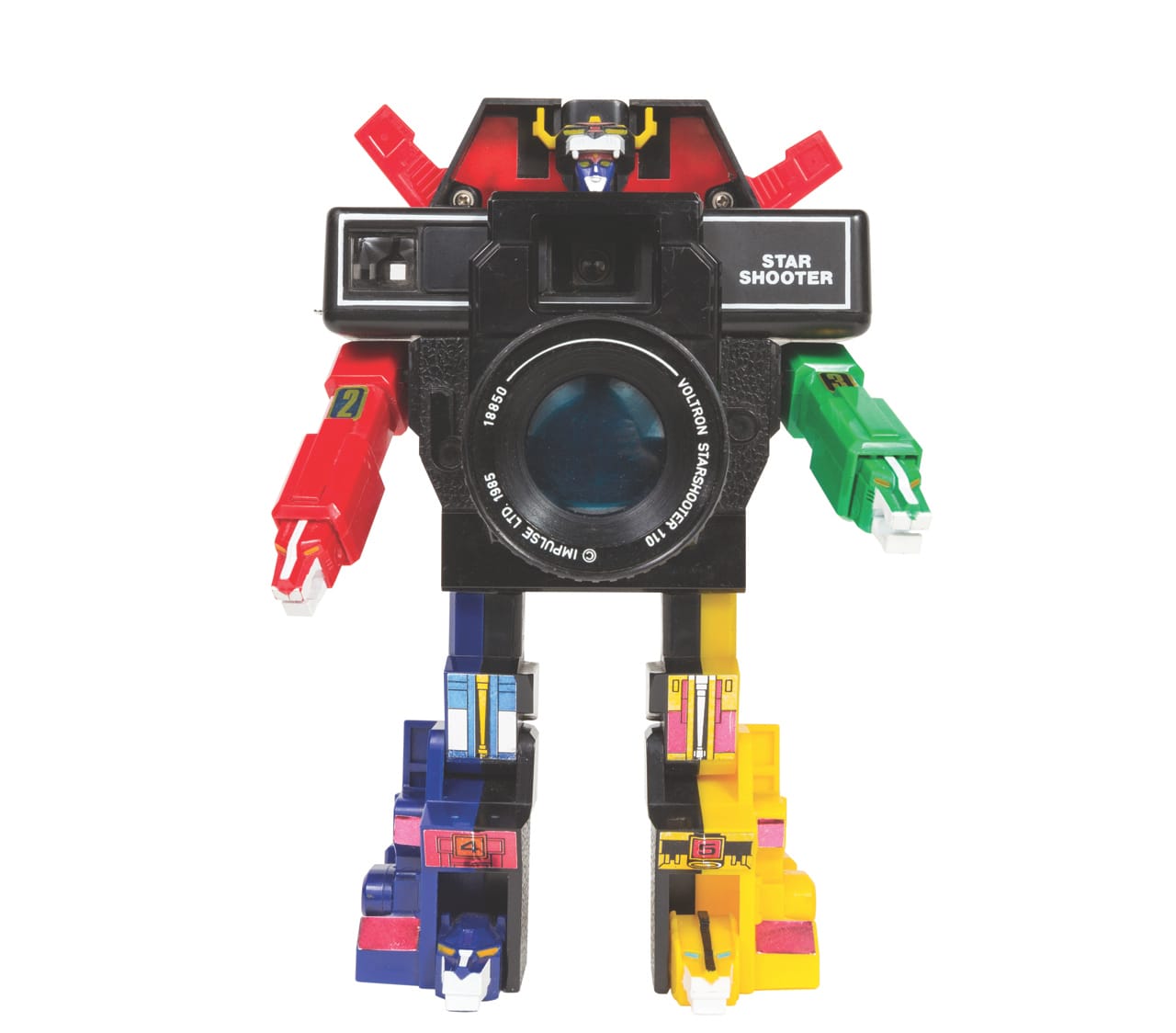
With 220 images in a square-format hardback, Camera Crazy includes photographs taken with the models alongside their history. There are plenty of oddities, like the Ready Ranger Tele-photo Camera Gun from 1974 that you’d never get away with now, its ad showing a boy “shooting” an elephant. A Voltron Star Shooter Camera from 1985 unfolds into a robot, while a Webster’s Dictionary Book Camera from the 1970s folds from a plastic book shape into a camera. There’s also a bulky 2002 spy camera attached not-so-covertly to sunglasses, which is modeled in Camera Crazy by a bulldog. Much of it is pretty silly, but Poole and Salyers have thoughtfully included interviews with the likes of T.M. Lee, who designed the Holga in the 1980s, and Creed O’Hanlon, CEO of the Impossible Project, which is aiming to keep Polaroid film alive.
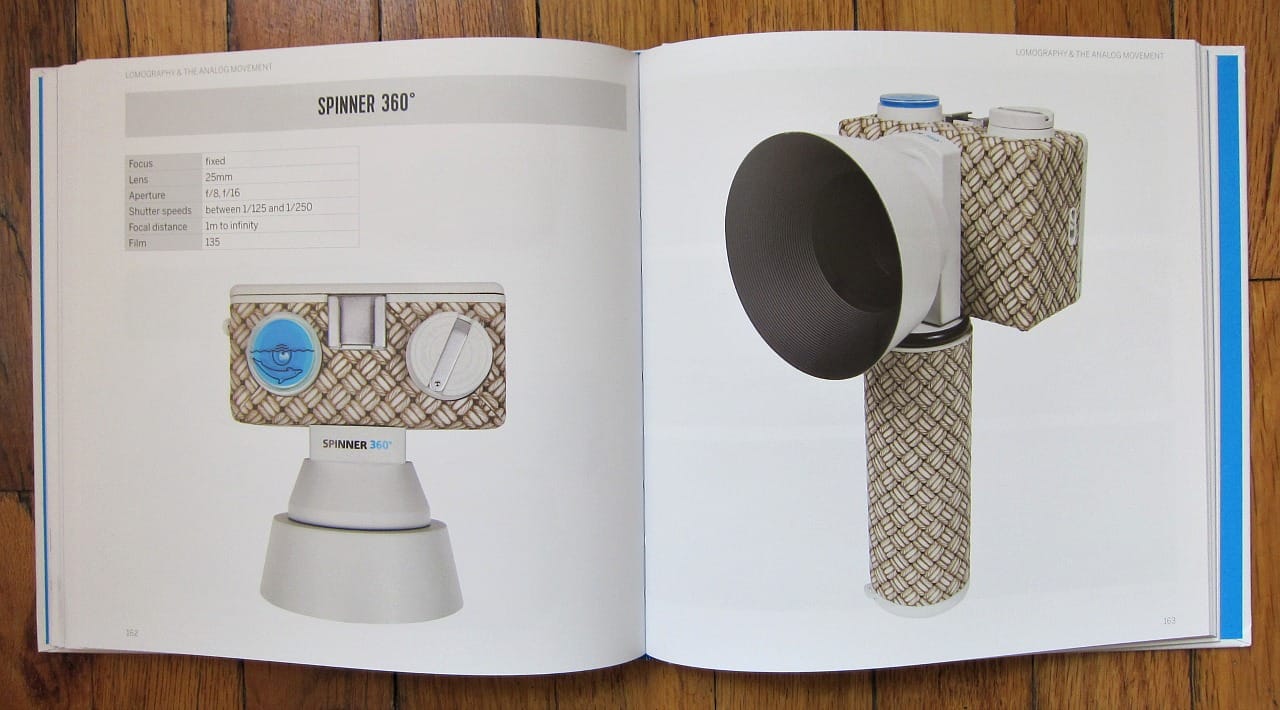
On November 19 at the New York Public Library, there will be a panel on toy cameras in conjunction with the book; the audience is encouraged to bring their own toy cameras to show and tell. Although these objects have been and are still now often a novelty item, Camera Crazy is conscious of their influence on contemporary photography, as well as the ongoing popularity of analogue against the rise of digital. As Salyers writes in an essay in the book: “Toy cameras are, perhaps, the simplest ways to keep the spirit of film photography alive. Beyond the rhetoric and rules, they lend a romantic interpretation of the world, a mysterious way in which they make marks with light.”


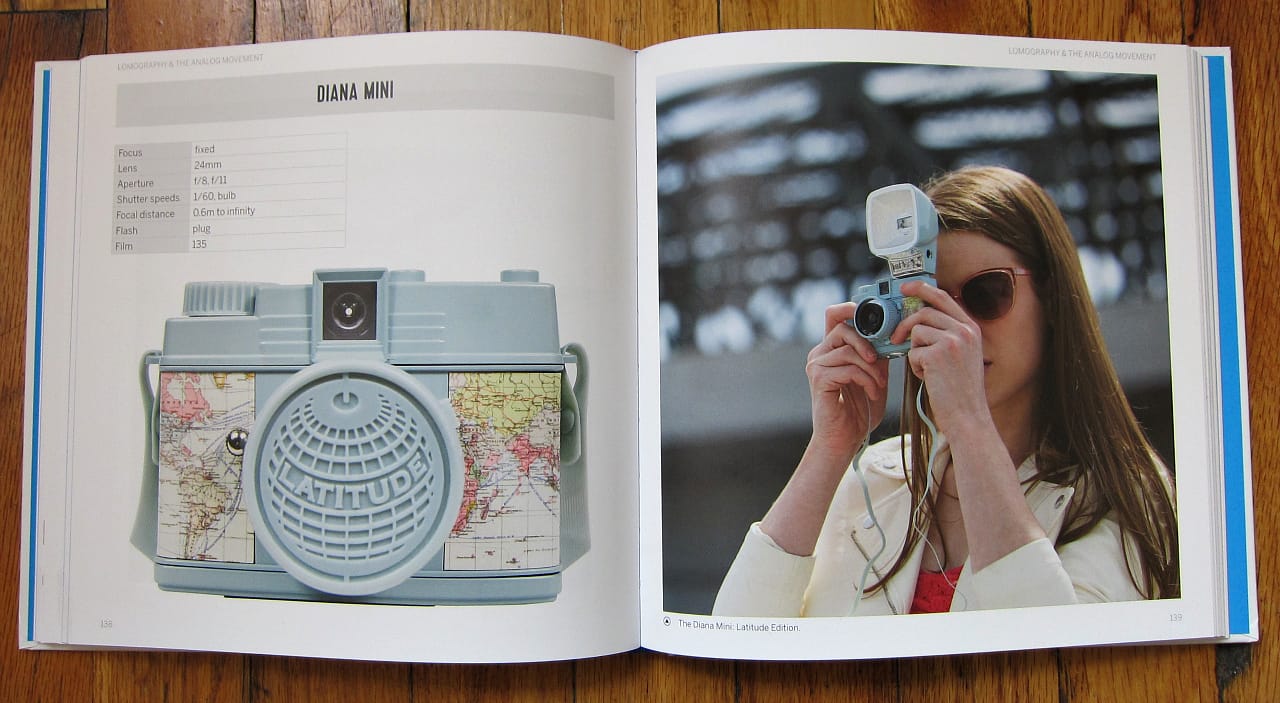
Camera Crazy by Christopher D. Salyers and Buzz Poole is available this month from Prestel.