David Wojnarowicz’s Lessons in the Age of Surveillance
The artist’s photographs of a masked Arthur Rimbaud touring New York offer timely insights about visibility and resistance.

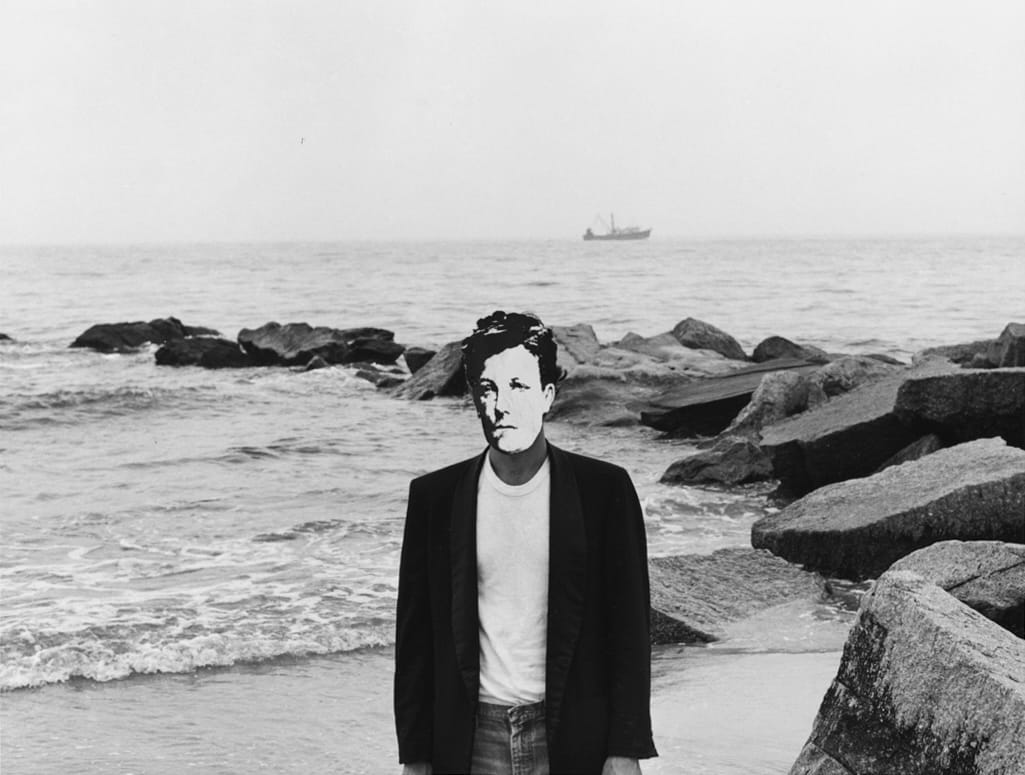
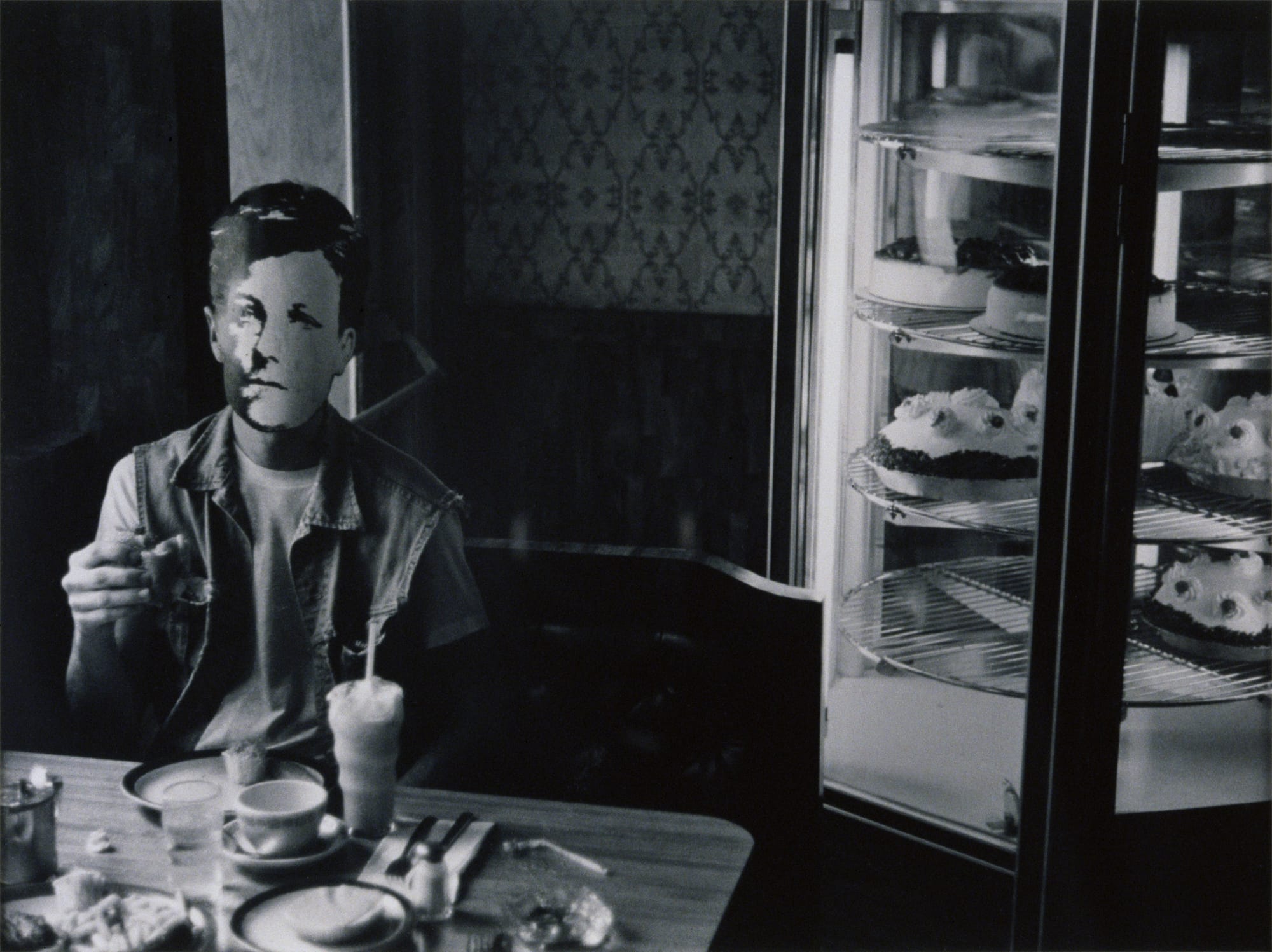
In a series of photographs taken between 1978 and ’80, David Wojnarowicz donned a paper mask of French poet Arthur Rimbaud, a punk icon who died nearly a century before, and took him around the city like a tourist, from Coney Island to Times Square porn theaters. Much ink has been spilled over Wojnarowicz’s work as a visual and performance artist, writer, and, of course, queer activist during the AIDS epidemic. But the Leslie-Lohman Museum’s new catalog, corresponding to its exhibition focusing on Wojnarowicz’s nearly 500-photograph Arthur Rimbaud in New York project, takes on particular resonance today, in an age of growing authoritarianism. Earlier this fall, federal immigration agents — masked to avoid identification — stormed Lower Manhattan in an unexpected raid, not too far from the museum. In the past few years, a whole fashion aesthetic dubbed stealth wear has sprung up, designed to resist government and corporate surveillance, including the constant presence of CCTV cameras.
Rimbaud died in 1891. Unexpectedly, years later, the New York Downtown arts scene and discontented youth elsewhere rediscovered Rimbaud’s transgressive poetry and held him up as a luminary of sorts; at one point, writer and artist Dennis Cooper even held a Rimbaud “live-alike” contest. Beyond Rimbaud’s writings, Wojnarowicz likely saw himself in Rimbaud’s life, too — both men were young, queer runaways. But as critic Craig Dworkin writes in his contribution to the catalog, “On the Riverbank,” Wojnarowicz’s use of Rimbaud as a symbol was broad and uncompromising in its sweep — a protest “not just against the corporation or the state, but against the state of the world.”
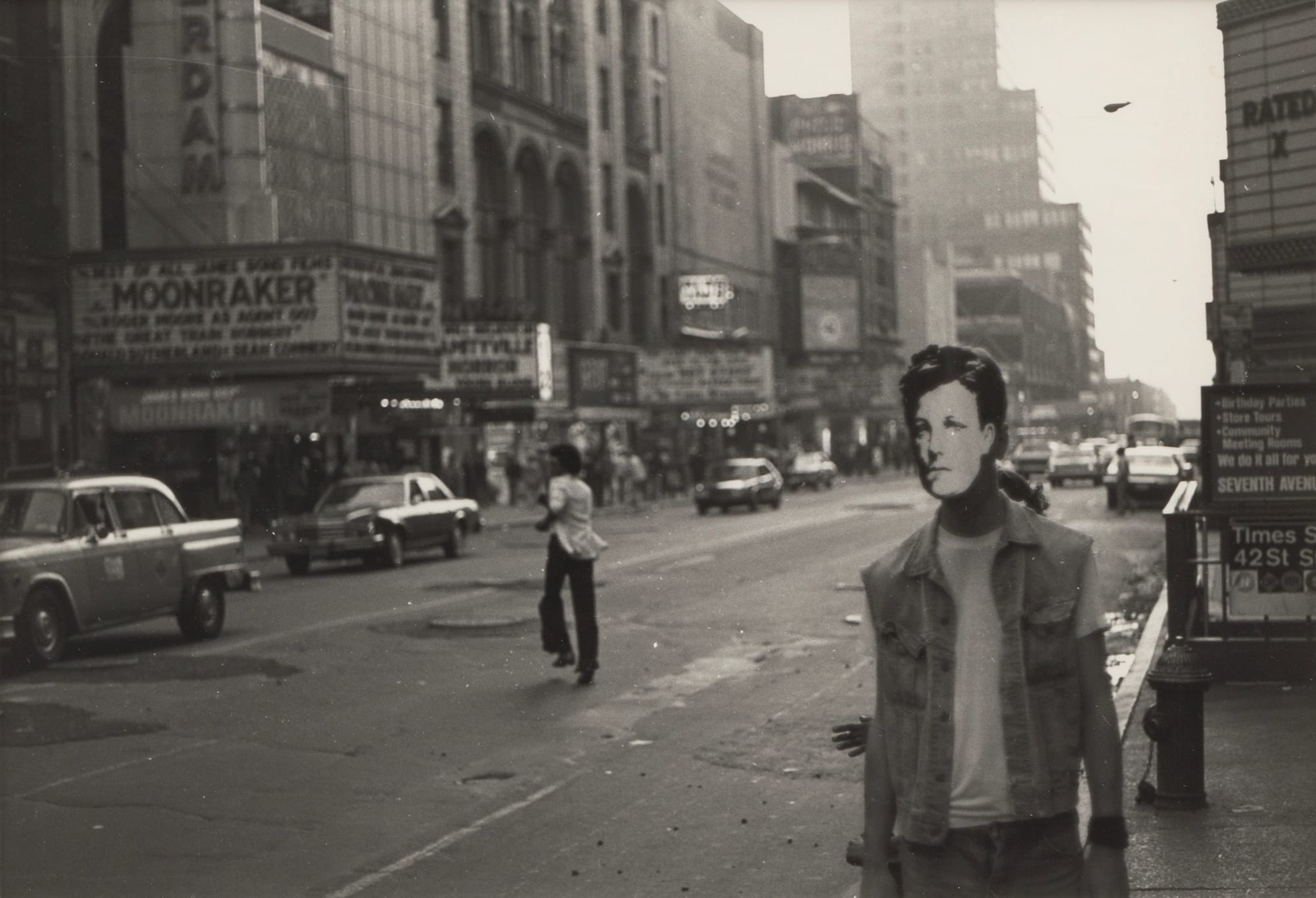
Antonio Sergio Bessa, who also curated the show, writes in his contribution to the catalog that Wojnarowicz transforms “the figure of Rimbaud into a mask of youth which anyone can identify with.” In doing so, Wojnarowicz “removed himself from the picture, so to speak, thus allowing the viewer to merge with the subject.” The current political climate asks us to take that contradiction — and Bessa’s thesis about self-removal — even further. Wojnarowicz, and anyone who cares to resist problematic power structures, should seriously consider removing themselves as a form of resistance. Certainly, the most direct way to remove one’s likeness from the surveillance state is to literally mask, maybe to pick up some stealth wear. But removal as political resistance goes beyond that. It calls for a refusal to engage in situations that take up time and energy better used elsewhere. As artists like Jenny Odell have written, doing “nothing” is a way of resisting oppressive forces, too. It calls for creativity.
In her essay “Our Rimbaud Mask,” writer Anna Vitale notes elliptically that “Wojnarowicz’s Rimbaud both represents and reflects while also sabotaging reflection.” Indeed, Wojnarowicz’s use of Rimbaud reflects his specific time period and represents what artists from that era stood for — among other things, expanding formal boundaries and pushing for LGBTQ+ rights. But Wojnarowicz’s use of a mask also sabotages reflection. As Bessa writes, it “merges” the viewer and the subject. By reflecting and obscuring at once, Wojnarowicz reminds us how, in a world where governmental and corporate surveillance often blur into one another, we have to be innovative and unexpected in our resistance. This might look like traditional protesting, or preventing ICE raids before they begin, or continuing to make art in the face of institutional violence. Whichever ways we choose to resist, I think Wojnarowicz and Rimbaud would approve.
David Wojnarowicz: Arthur Rimbaud in New York (2025), edited by Antonio Sergio Bessa, is available for purchase online and in bookstores. David Wojnarowicz: Arthur Rimbaud in New York continues at Leslie-Lohman Museum of Art (26 Wooster Street, Soho, Manhattan) through January 18.