Dear Zohran, Don’t Let Art Workers Down
Those of us in the cultural sector need you to enact a bold vision for the role of city government in fostering the arts and helping our communities thrive.

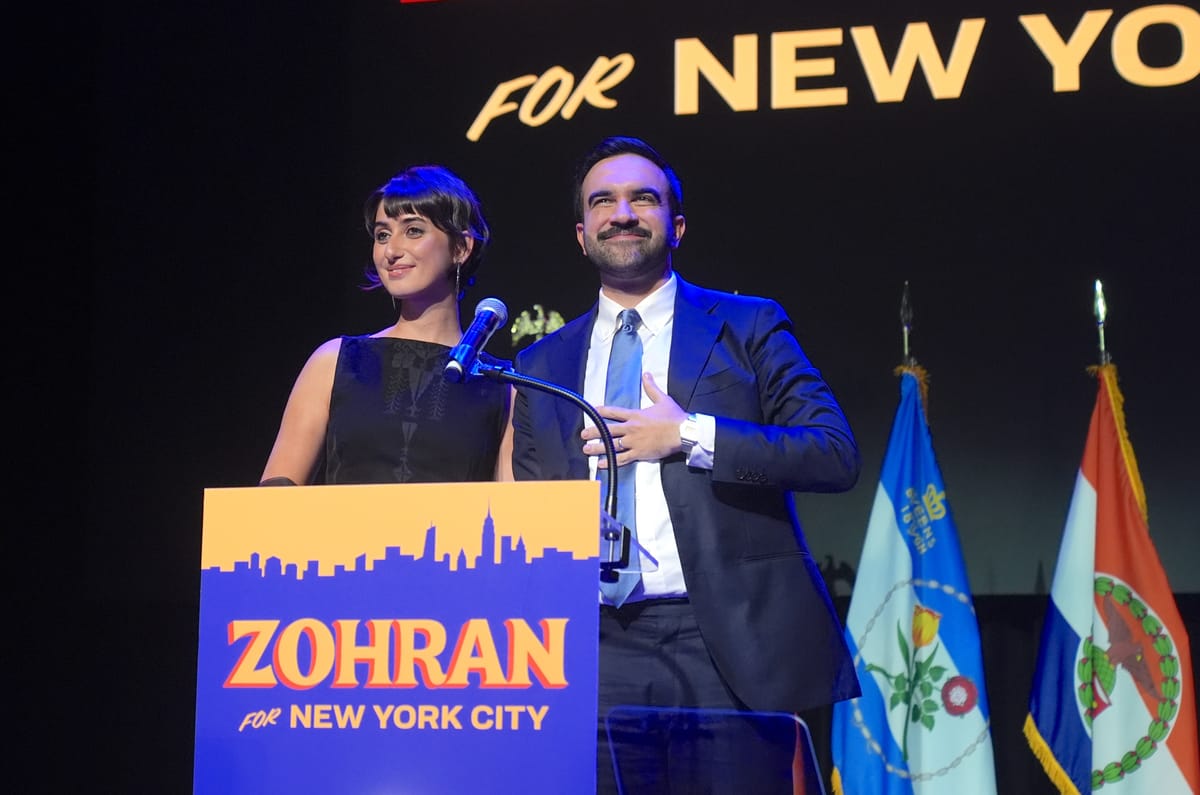
Dear Mayor-Elect Mamdani and members of the Arts & Culture Transition Team:
As you remake New York into a better home for all those forgotten by the politics of our city, a place where working people and immigrants truly feel the power that belongs in their hands, remember this: Arts and culture are the very vehicles through which we express the power to shape our destinies. We must ensure that every member of our communities can actively participate in artistic and cultural creation and access affordable, local arts programs.
Tragically, artists in all disciplines (be it visual arts, dance, film, music, theater, or writing) who are recognized and fairly compensated for their work increasingly come from rich and privileged backgrounds, as the leisure time and resources to learn and practice the arts become scarce or unavailable to working-class people. For that reason, the cultural sector, and working-class artists and cultural workers in particular, will benefit from the core transformations you are proposing: rent freezes, free buses, and universal childcare.
We in the arts and culture sector must recognize that what you are proposing is cultural policy and support you in it, rather than asking for special affordability carve-outs for artists that end up pitting them against their own communities.
Yet we also need you to enact a bold vision for the role of city government in fostering the arts and helping communities thrive by uplifting their cultures. This vision must start with the understanding that the arts are a public good on the same level as education, healthcare, housing, transportation, and public safety. As a democratic socialist, you already understand the importance of generous public sector support for core public goods to ensure universal access and equity.
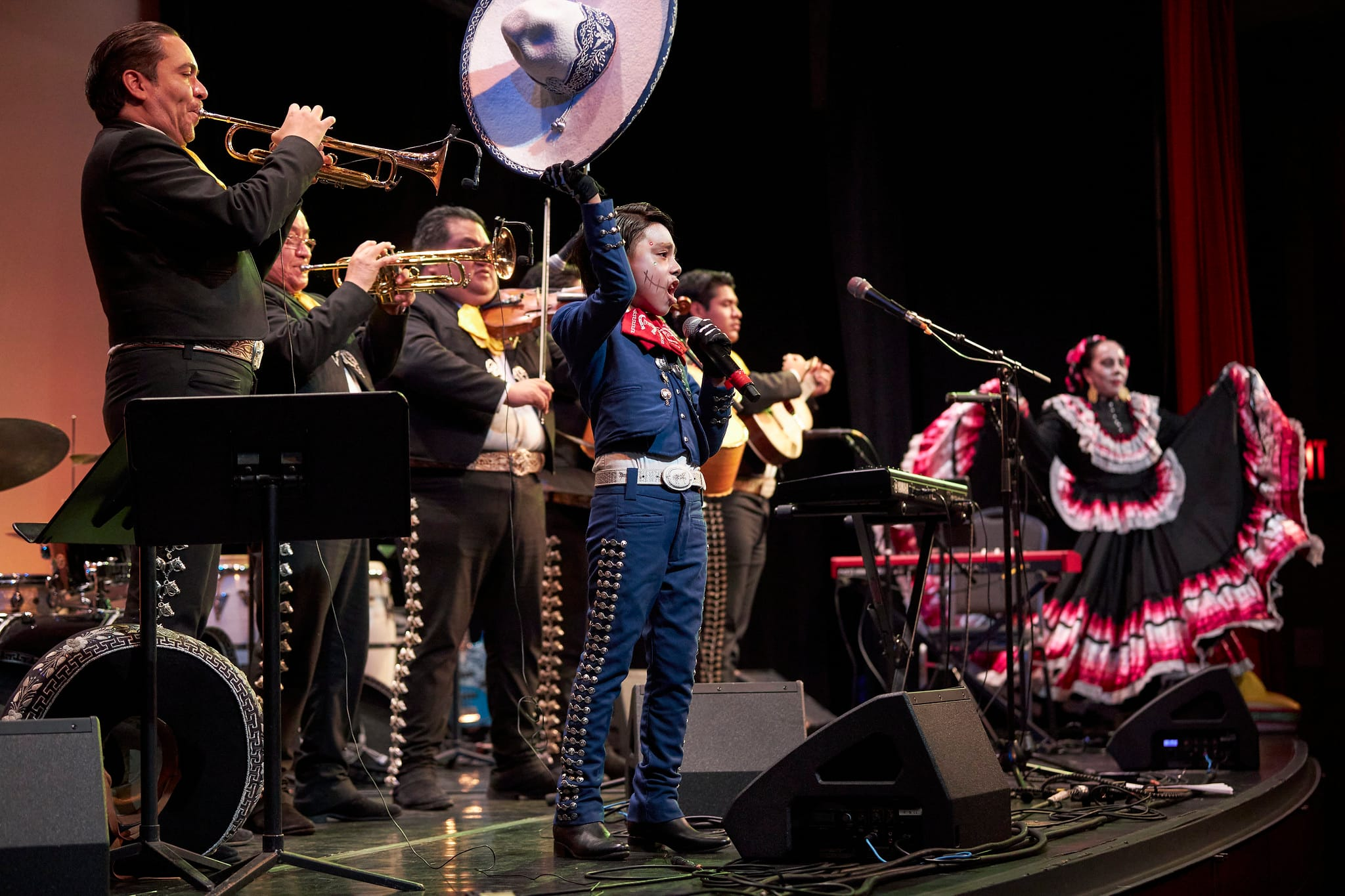
Through that lens, the current glaring inequities in public funding for the arts, reflected in the budget of the New York City Department of Cultural Affairs (DCLA), must be addressed urgently, rather than swept under the rug as previous administrations have done. This has never been more urgently needed, as highlighted in the Center for an Urban Future’s latest report, Creative New York 2025. If a neighborhood in central Brooklyn or southeast Queens lacks the same quality of schools as neighborhoods on the Upper East Side of Manhattan, or the same access to transportation or quality hospitals, these injustices must be recognized and repaired. The same is true of arts and culture; some neighborhoods receive generous public support, while others get scraps.
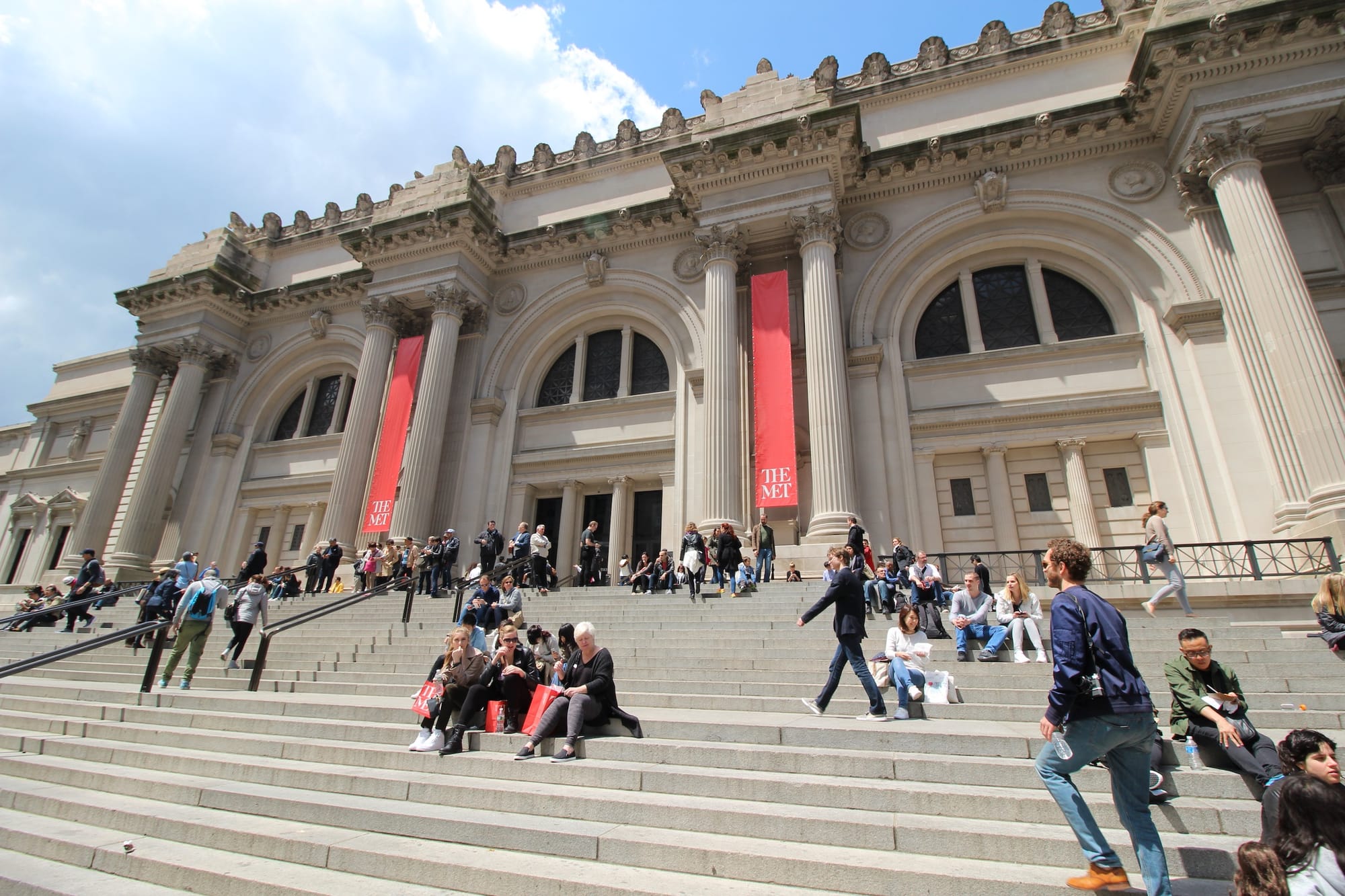
We must start by saying — shouting! — that DCLA gives more funding annually to the Metropolitan Museum of Art than it does to every cultural institution in Queens and Staten Island combined. The per-capita DCLA funding in Manhattan is 10 times the per-capita funding in Queens and 5 times the per-capita funding in Brooklyn, and that 80% of the DCLA’s budget goes to 39 organizations, while 20% goes to the remaining 1,000 funded organizations in the city.
For many years, the larger members of the Cultural Institutions Group (CIG) — 39 cultural institutions on city-owned land that receive direct operating and energy support from the city, including The Met, Carnegie Hall, and Lincoln Center — have silenced this conversation in sector-wide cultural advocacy. Some of these institutions have misinterpreted the many calls for funding equity as an attack on their funding.
Yet nothing could be further from the truth. Public funding for The Met — $25 million or so annually, reflecting approximately 10% of the DCLA budget — is a shining example of the ways that public support for cultural institutions can go toward addressing the well-being of entire communities and neighborhoods; their funding shouldn’t be cut, it should be replicated in every city council district. To say that The Met alone shouldn’t receive 10% of the DCLA budget, or that the American Museum of Natural History shouldn’t receive 8% of it, is not to say that their funding should be cut. It is to say that the DCLA budget must be massively expanded so that these types of investments in the public good can be available to all New Yorkers.
Cities such as Paris and London spend billions on arts and culture, while New York City only allocates a mere quarter of one percent of its annual budget to it — approximately $250 million. That this pittance makes DCLA the largest arts funder in the United States is not something for New Yorkers to be proud of. It is something for Americans to be embarrassed by. If you want to make New York a bold model for other cities, I urge you to make a plan to rectify this in your first 100 days in office.
For years, countless voices have called for DCLA’s budget to be increased to one percent of the City’s total budget. This would be a modest investment in a sector that brings an eight-fold return on public funding in economic activity and provides a wide range of public and community goods. That modest investment could easily rectify the inequities mentioned above, while preserving much-needed support for large institutions like the Brooklyn Museum or the New York Botanical Garden. One percent of the budget could mean over $20 million in every city council district, which would be a game-changer for New York’s poorest and most underserved neighborhoods.
Yet many funders, including the DCLA, have massive blind spots and a narrow view of how arts funding should be distributed: The priority is always for them to give funding to well-established 501(c)(3) nonprofit organizations with “capacity” to manage that funding. With that restriction in mind, there do not appear to be enough eligible cultural organizations in Queens or Staten Island or certain neighborhoods of Brooklyn or the Bronx to receive the types of funding increases I’m talking about — yet it is stable funding that generates capacity in the first place.
Significant new investments in underfunded neighborhoods could, yes, go to existing small and mid-sized cultural organizations, giving them massive increases in capacity — but they could also go to unincorporated arts organizations, collectives, small businesses, and, most importantly, to individual artists. HueArts and other advocacy organizations like it have called for arts funding to go to these types of non-traditional grantees as a way to ensure greater equity in the sector. The model of the 501(c)(3) nonprofit organization, which is the core of the mainstream White arts sector, is not always a good fit for communities of color. A necessary policy change to generate true cultural equity is to radically expand the types of recipients who can receive public funding.
Relatedly, another important policy change is to shift most of DCLA’s grantmaking through the Cultural Development Fund (CDF) from project-based grants to baselined general operating support. Project-based grants may seem flashier on the surface, but they place significant burdens on grantees by systematically underfunding the true costs of the everyday realities and labor of administering projects. As a result, small organizations and individual artists often rely on uncompensated labor to carry out their projects; mid-sized organizations struggle to raise enough operating support to subsidize these costs, and even larger organizations can get themselves into significant debt by taking on too great a volume of contracts that allow for only 10%, 15%, or 20% overhead, when the true costs are at least 25% to 35% or more.
Furthermore, the constant changes in CDF funding for small organizations that result from the vicissitudes of annual grant panels cause great harm. These organizations are not able to plan effectively if they don’t know what their funding will be in the next year, and when they are zeroed out, they usually have to eliminate or significantly reduce important programs that serve the public. Dance/NYC and A.R.T./New York have carried out CDF impact surveys over the last three years that have demonstrated these harms; and Flushing Town Hall (of which I am the deputy director), through its cultural mapping of Queens, has found that these systemic issues with annual applications and project support prevent small organizations from thriving and growing. That, in turn, continues to prevent under-resourced communities from having the same access to cultural resources that wealthier communities enjoy.
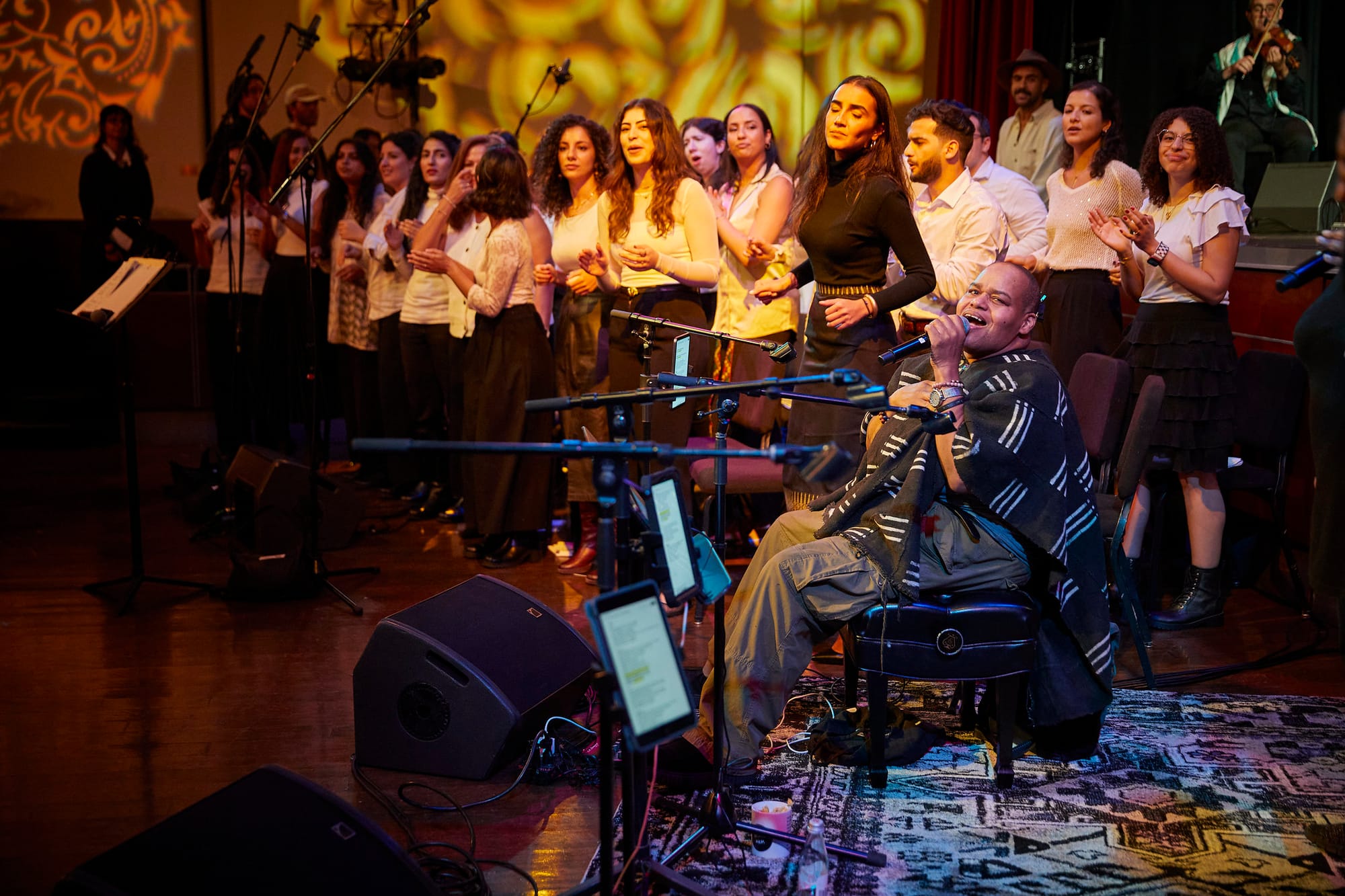
If the Cultural Development Fund is to be true to its name, it must be completely reimagined. The good news is that the longstanding CIG model demonstrates the benefits of baselined general operating support for organizations — and it would be simple to replicate this model for the other organizations currently in the CDF portfolio. Doing so would save significant money and labor time for both grantees as well as DCLA itself by eliminating the need for them to write and read thousands of cumbersome grant applications on an annual basis. This is a no-brainer and would be transformative for art and culture workers, especially if done in conjunction with other significant new investments in under-resourced communities described above.
All of these changes, though, must begin with a detailed acknowledgment of the present state of DCLA funding. Despite pledges initially made by Former Mayor Bill de Blasio’s administration, DCLA’s data is still not fully transparent and public. Reporting on the city’s Open Data website is late and incomplete, and there is no tracking of the most important metrics we need to see to ensure that the DCLA makes progress toward delivering more equitable funding to the city: namely, its funding distributions by geography, by organization size and type, by discipline, and by communities served.
During the prior two mayoral administrations, DCLA continued to claim that it was making moves toward equity, while failing to publish the data to back it up and cherry-picking anecdotal successes to tell a story at odds with the broader funding trends. We need you, Mr. Mamdani, to publicly commit to making DCLA’s funding distributions fully transparent, public, and comprehensible to everyone.
The three reforms proposed above — funding transparency, an overhaul of the CDF grantmaking process, and significant budget increases to create citywide funding equity — would ensure that our cultural sector is able to thrive and serve our communities. I echo the calls made by the LatinX Arts Consortium of New York and the Cultural Equity Coalition of New York (both of whose steering committees I am on), whose letters to the previous administration garnered the support of hundreds of organizations in our sector.
I want to emphasize that what arts and culture needs is not more public-private partnerships — the neoliberal model that has made our sector a pawn of real estate and other industries — but greater public support and funding. By creating special housing and workspaces for artists or community spaces for organizations, developers have been empowered to build more unaffordable units and price out existing residents from many neighborhoods. The arts sector has unfortunately been complicit in the gentrification of our own city over the last several decades, falling under the category of “artwashing,” but we New Yorkers deserve better.
All of the problems that these public-private partnerships claim to address, especially the lack of space and affordability, could be solved more effectively by public action. Many city-owned properties have been kept off the market, which has the effect of artificially inflating the value of the housing stock for developers, as Former Comptroller Scott Stringer identified as early as 2016. Through a combination of activating these city-owned properties, enacting proven solutions to homelessness, and following through on your own proposals for controlling the rising cost of living, you could radically alter the fabric of our city in ways that would benefit all New Yorkers. These efforts would have a much greater effect on artists and the arts sector at large than any market-based solutions. The People’s Cultural Plan, which I helped to draft, addressed all these issues in 2017: Housing reform, cultural funding equity, and fair wages for artists and cultural workers must all be tackled intersectionally to enable our sector to thrive.
Mr. Mamdani, by combining housing affordability reforms with these proposed DCLA changes, you have the potential to bring new life to our vibrant arts and culture sector, the indisputable backbone of our city. Thank you for considering making these important reforms a reality for the benefit of all New Yorkers.