Forthcoming New Museum Show Is a Love Letter to the Bowery
"The Bowery: Devil’s Mile,” opening September 24, traces 400 years of the iconic strip known as a destination for fun, however raucous or refined.

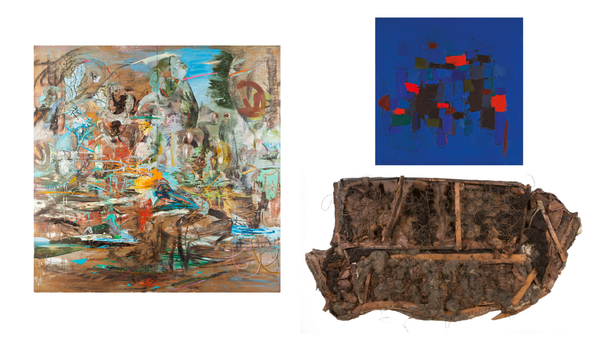
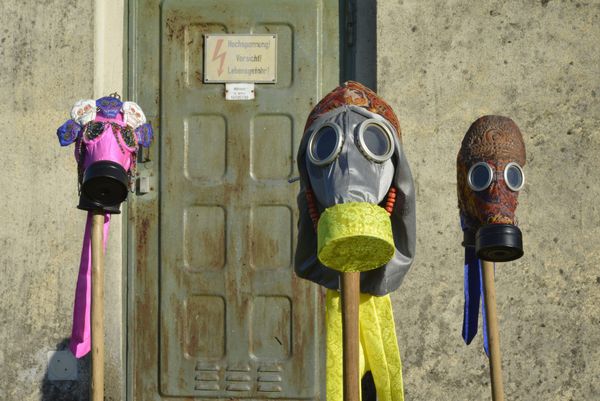
A hand-pump fire engine from 1830 and surviving dime museum attractions will be displayed alongside Jacob Riis's documentary photography and art by Keith Haring, Lynda Benglis, June Leaf, and others in the New Museum's forthcoming exhibition about the Bowery.
The Bowery: Devil’s Mile will comprise archival materials, artifacts, and artworks representing four centuries of innovation and inspiration along the museum's home street. The show will open on September 24 alongside a previously announced Arthur Jafa survey in the Manhattan institution's newly expanded building.
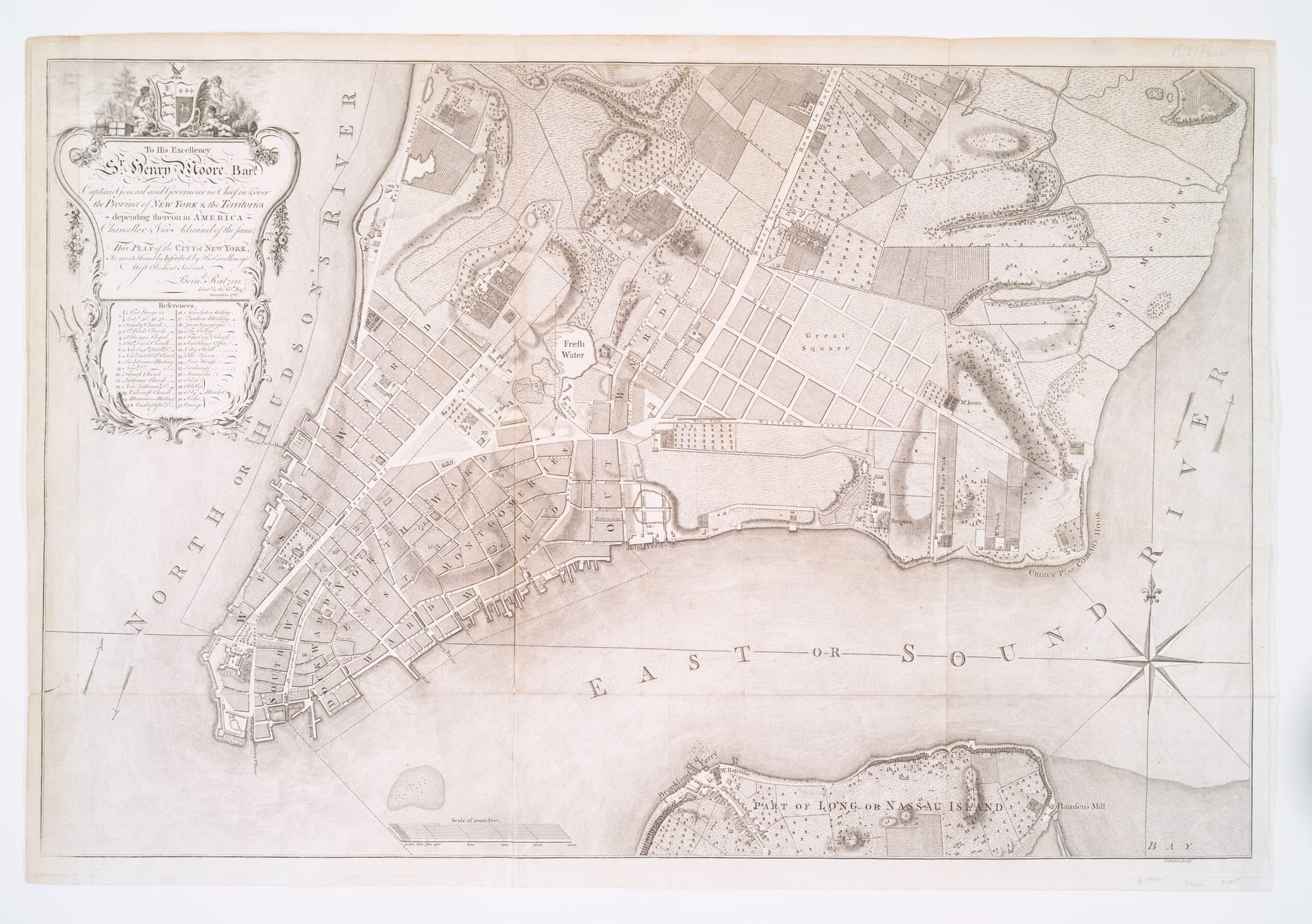
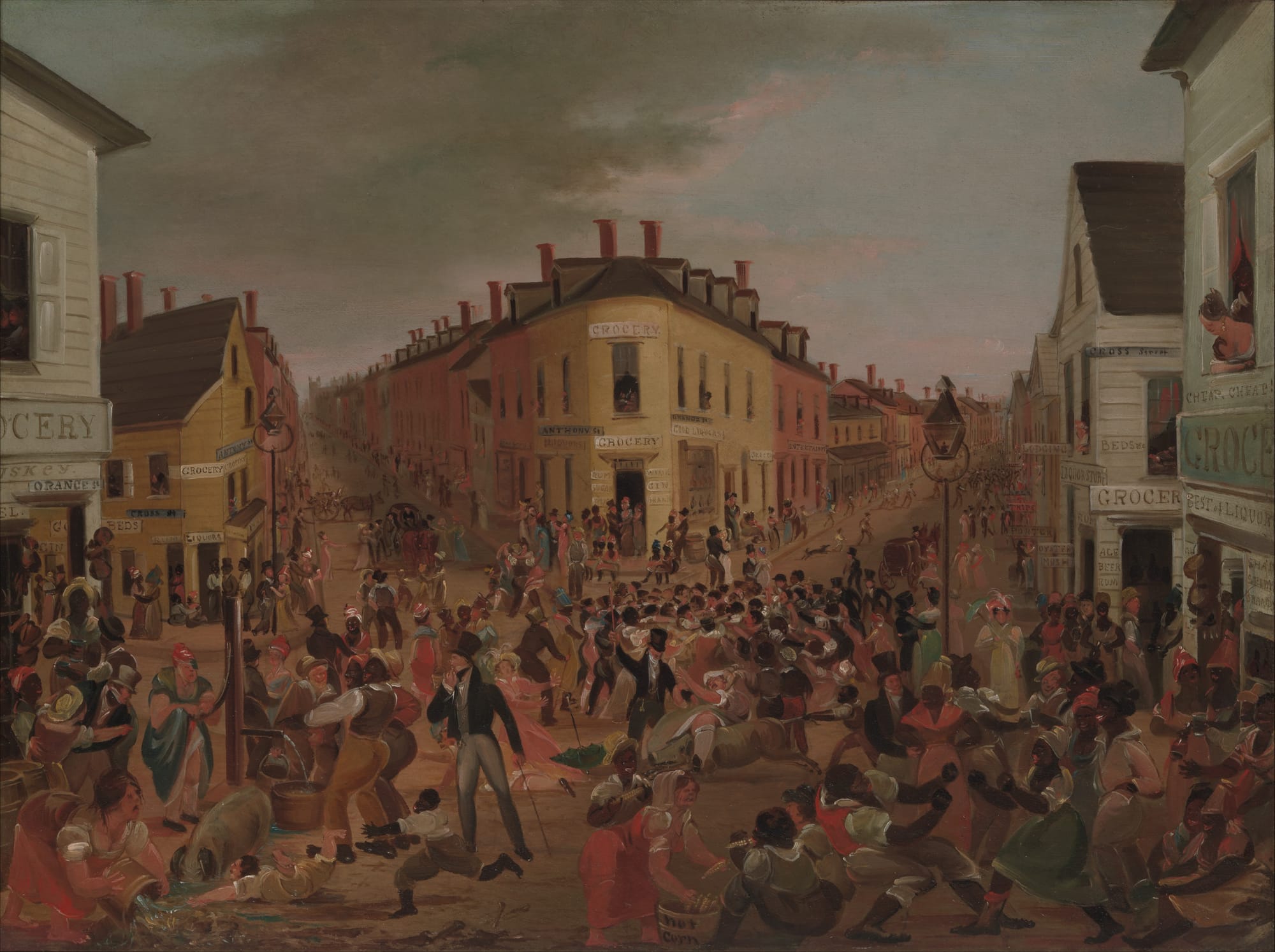
Originally a Lenape footpath spanning the length of Mannahatta, the thoroughfare, later dubbed Bowerij Road (bowerij is the Dutch word for farm), connected colonial New Amsterdam to the northern farmlands. During the 1640s, 11 Black men enslaved by the Dutch were emancipated and allotted plots of land along the Bowery, marking the area as the first free Black settlement in Manhattan.
After the Dutch ceded their territory to the British, New York was born in 1664. The upper Bowery became leisurely estates for the wealthy, while the lower portion was outfitted for the livestock industry. Entrepreneurship along the Bowery stimulated an amusement-centered economy of taverns, vaudeville and burlesque theaters, circuses, and dime museums. By the 19th century, the strip was a reputed destination for fun, however raucous or refined.
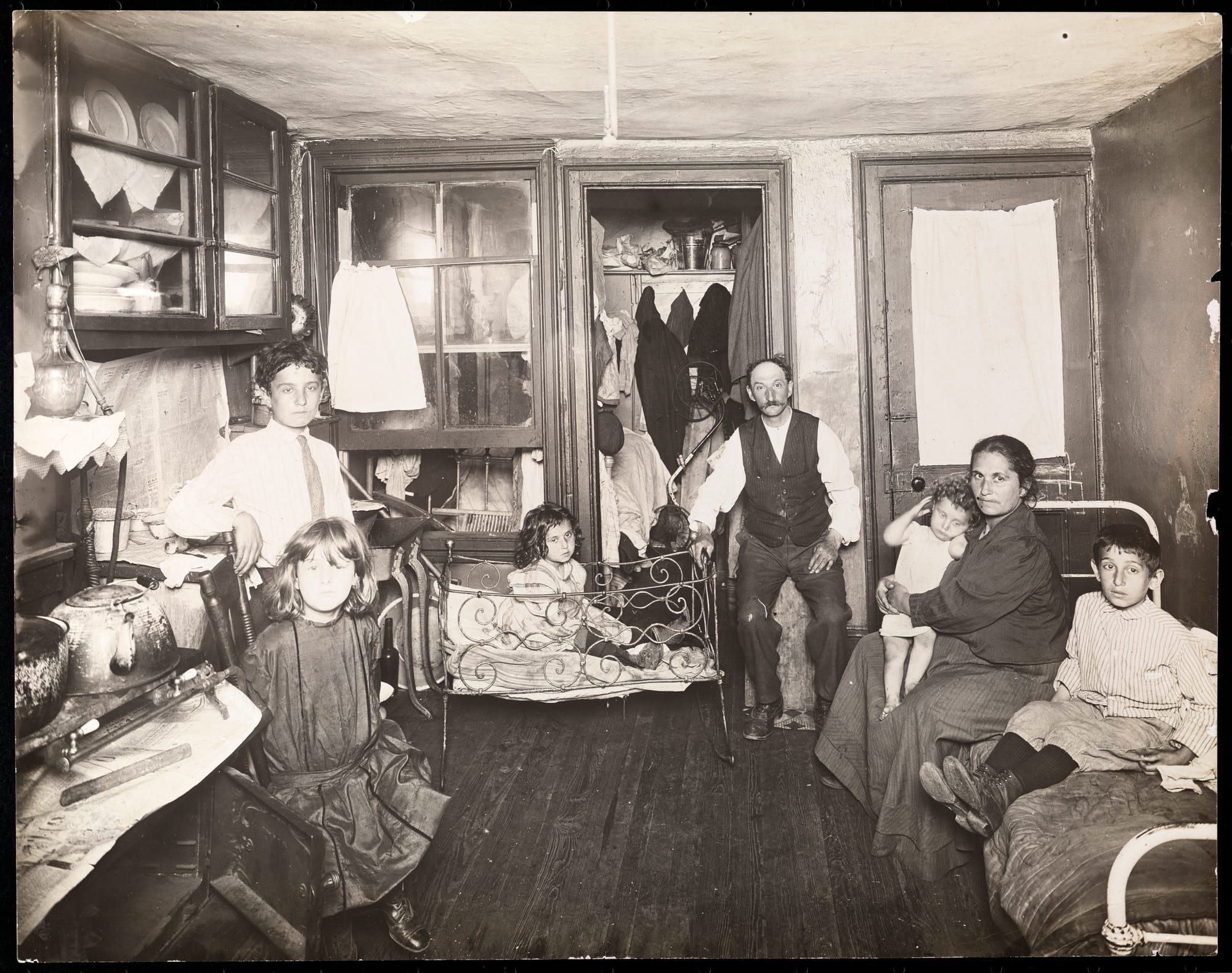
Several immigration waves established the Bowery's multicultural identity during the early 19th century. However, the lack of public health services and boundless population growth led to an explosion of overcrowded and unsanitary tenement housing, violent crime, and rampant disease and infestations.
An economic downturn led to further infamy as taverns were replaced with dive bars, hotels were converted into flophouses, and illicit activities overtook the once-popular arts scene. Though muckraker Jacob Riis shed light on the squalid conditions in the area, the street continued to wither amid the Great Depression and Prohibition. By the 1940s, the Bowery was labeled the city's “Skid Row.”
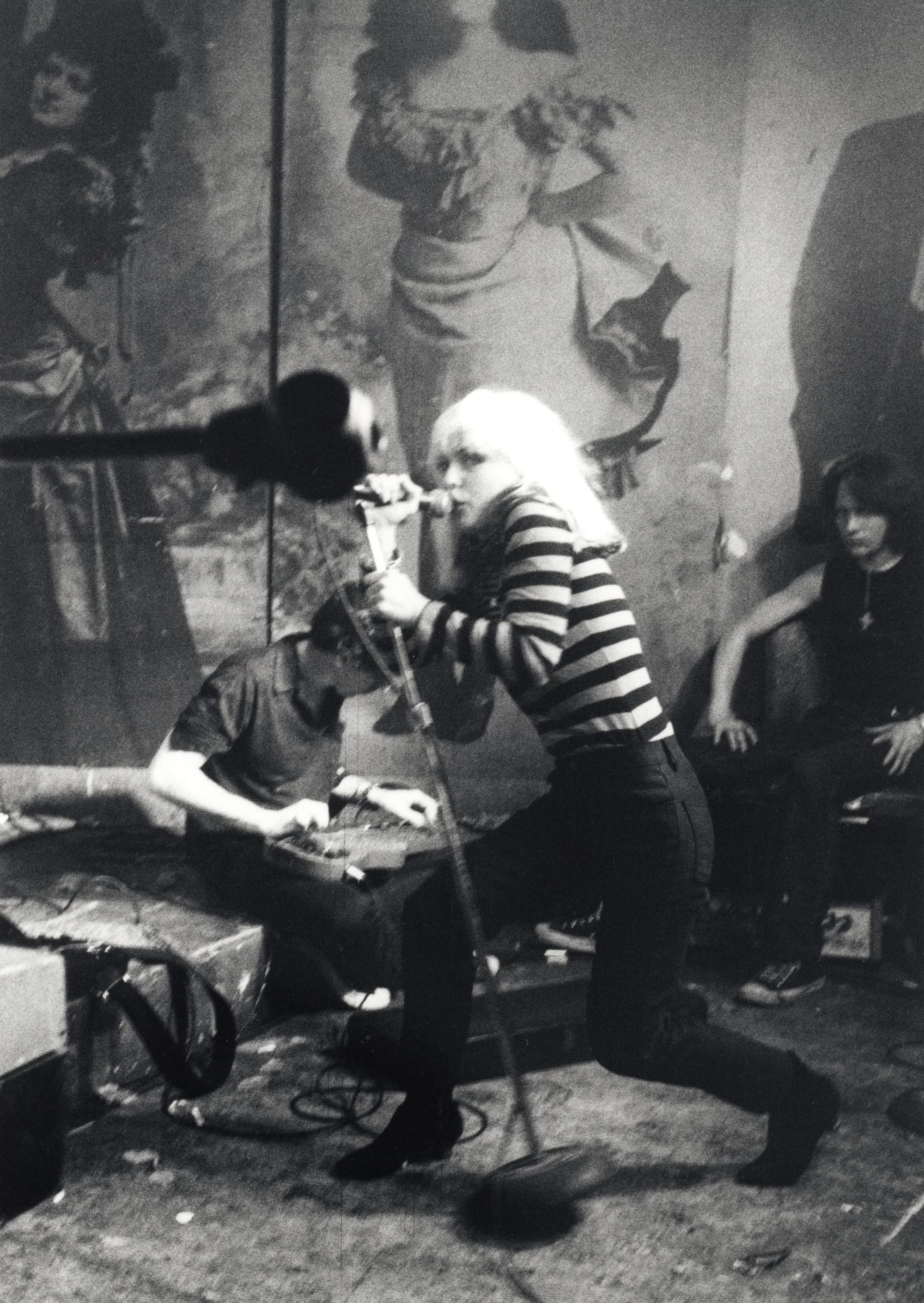
The gritty scape sharpened the Bowery's edge during the midcentury, after it was deemed an affordable, untapped haven for artists including Mark Rothko, William Burroughs, and John Giorno. The Bowery's cultural revival was ignited by the Beat Generation and the growth of Abstract Expressionism. The street also became a punk and new wave mecca with the 1973 opening of CBGB, which launched the careers of bands including Blondie, the Ramones, the B-52s, and the Talking Heads.
The New Museum, which only shifted to the Bowery in 2007, said in a press release that the forthcoming exhibition is merely an “introduction” to the “richness and complexity of the Bowery and its generative power and concentrated energy as a street, a neighborhood, and a state of mind.”