How a Former Military Settlement in Taipei Became an Artist Residency
Treasure Hill served as a Japanese ammunition depot and Kuomintang squatter settlement prior to its reopening as an artist village in 2010.

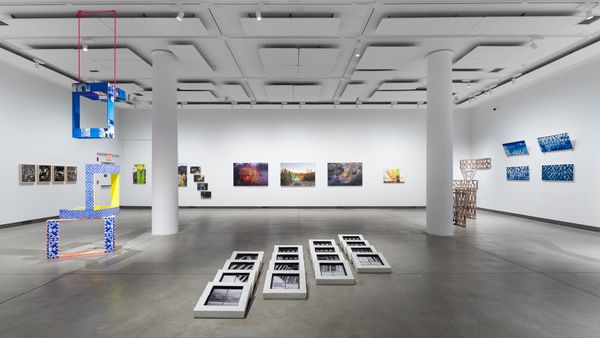
TAIPEI, Taiwan — Two tiny lightbulbs dangle from five feet of wire, blinking on and off to the rhythm of human breath. Magnets attached to the bulbs pull them together or push them apart at random, mimicking the relationships between people — or communities.
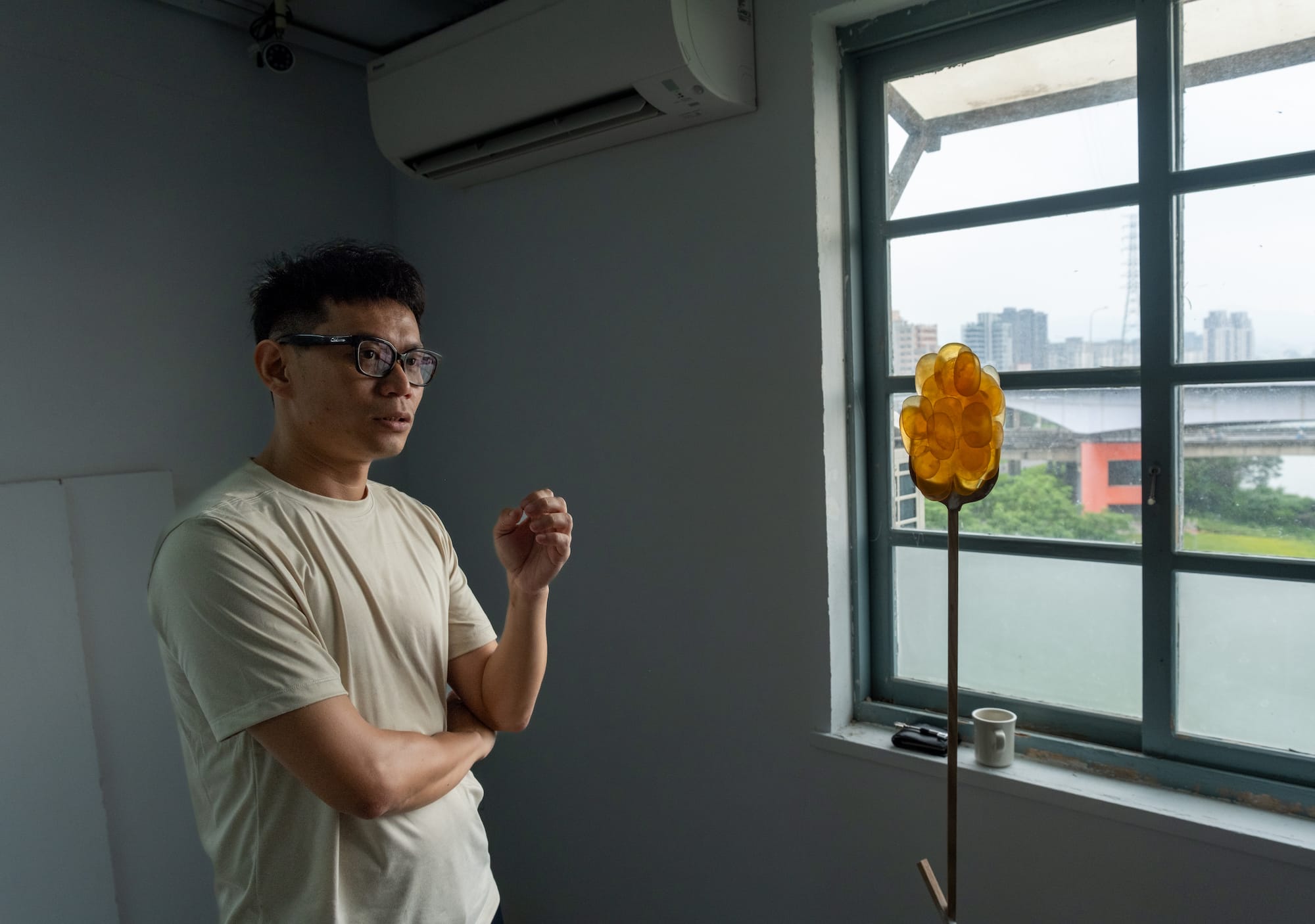
“I was inspired when I drove by the bridge outside and saw Treasure Hill,” Taiwanese artist Jia-Jhen Syu, whose installation was part of the larger project, “The Third Memorial,” displayed at the artist residency in April and May, told Hyperallergic.
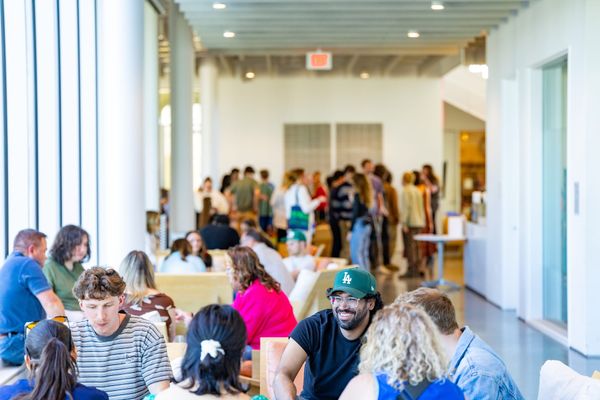
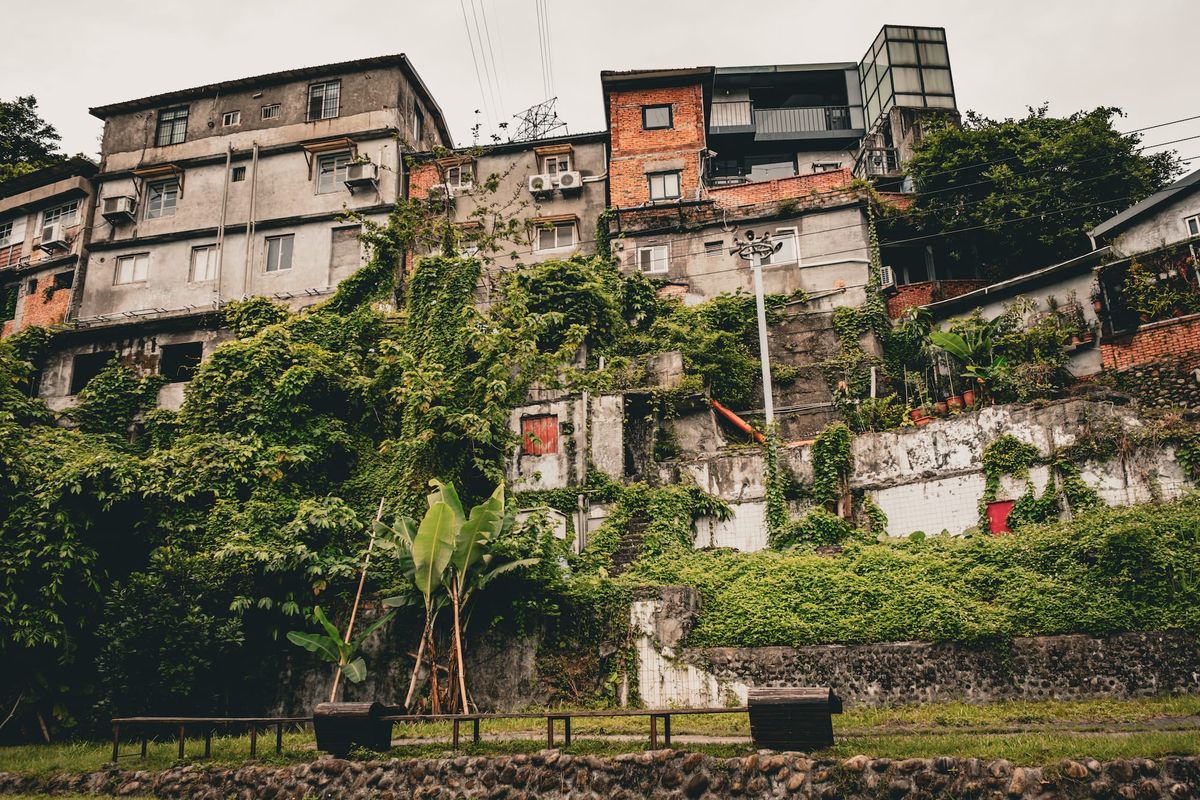
Tucked away in a small forested area on the banks of the Xindian River in Taipei City lies the Treasure Hill Artist Village. Founded by retreating soldiers in the 1940s, the former anti-aircraft base turned squatter settlement has been through a number of reincarnations. Its latest form, launched in 2010, is as a so-called “living history,” where the descendants of its original inhabitants live side by side with artists in residence.
“Each household has its own story,” Yi-Chen Bai, who was born in Treasure Hill to a Kuomintang foot soldier, said to Hyperallergic. Originally from China’s Hubei province, her father was on the losing side of the Chinese Civil War, which led to the communist overthrow of the Republic of China government — which then retreated to its final stronghold of Taiwan in 1949.
Some of the soldiers from the Republic settled in Treasure Hill, which the government viewed as a temporary military camp. It initially tried to prevent the troops from bringing their families with them or building more permanent infrastructure on the site, but its attempts were unsuccessful.