How to Survive Art-World Toxicity
Paddy Johnson offers advice on navigating toxic people in the industry, and how Walter Benjamin warned us about AI.

Who is the Antinous to our art-world Odysseus? So glad you asked. As Paddy Johnson explains in Art Problems today, toxicity among artists, dealers, and collectors is not quite as clear-cut as the betrayal in Homer’s epic, despite what Matt Damon may have you think. Read her latest column for advice on navigating an industry that “continuously hands us chances to trade meaning for advantage.”
Meanwhile, Julia Curl visits an exhibition on German-Jewish philosopher Walter Benjamin, whose seminal essay on art and mass replication takes on new urgency in the age of AI. Working during the same era, French-Jewish artists Claude Cahun and Marcel Moore defied the conventions of their time, from gender roles to political apathy. Eileen G’Sell considers a show that traces the duo’s radical collage and photography, including the “paper bullets” they wielded to wage a war of information on the Nazi party.
Read on for more in reviews and news, including the 17th-century Japanese castle damaged in yesterday’s devastating earthquake and art publisher Steidl’s brush with bankruptcy.
—Lakshmi Rivera Amin, associate editor
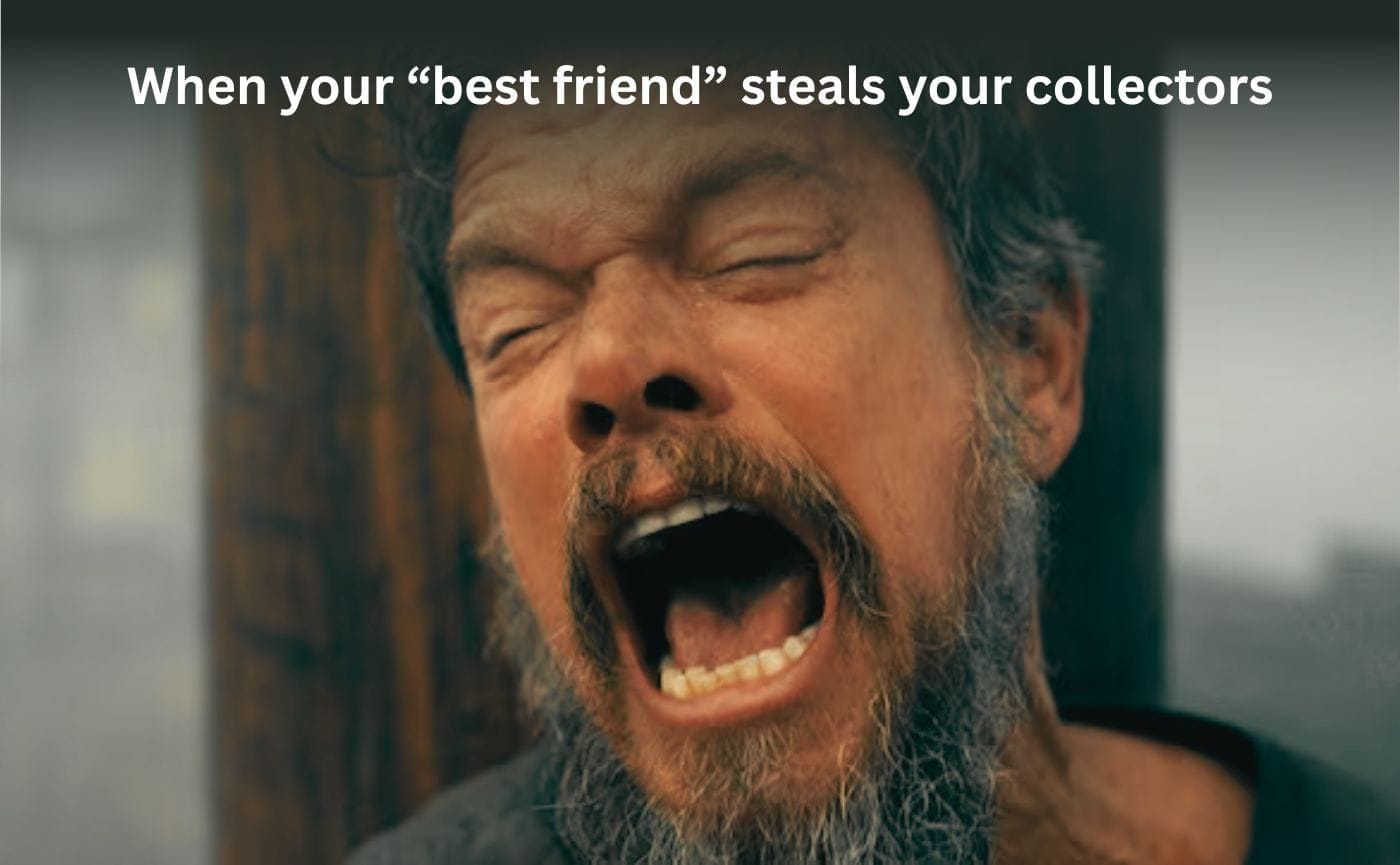
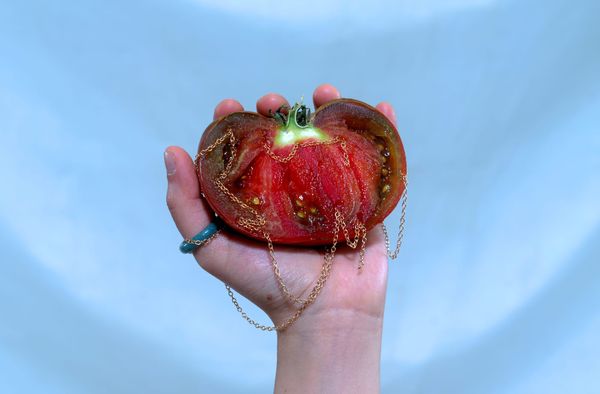
Art Problems: Why Are There So Many Toxic People in the Art World?
Every industry has toxic people, but desperation gives the art-world toxicity its particular flavor. The field is full of people making and supporting art, but the money available from collectors, grants and philanthropy combined can’t sustain most of them. We fight over the scraps.
Some of us handle scarcity better than others, but nobody is their best self. | Paddy Johnson
Read More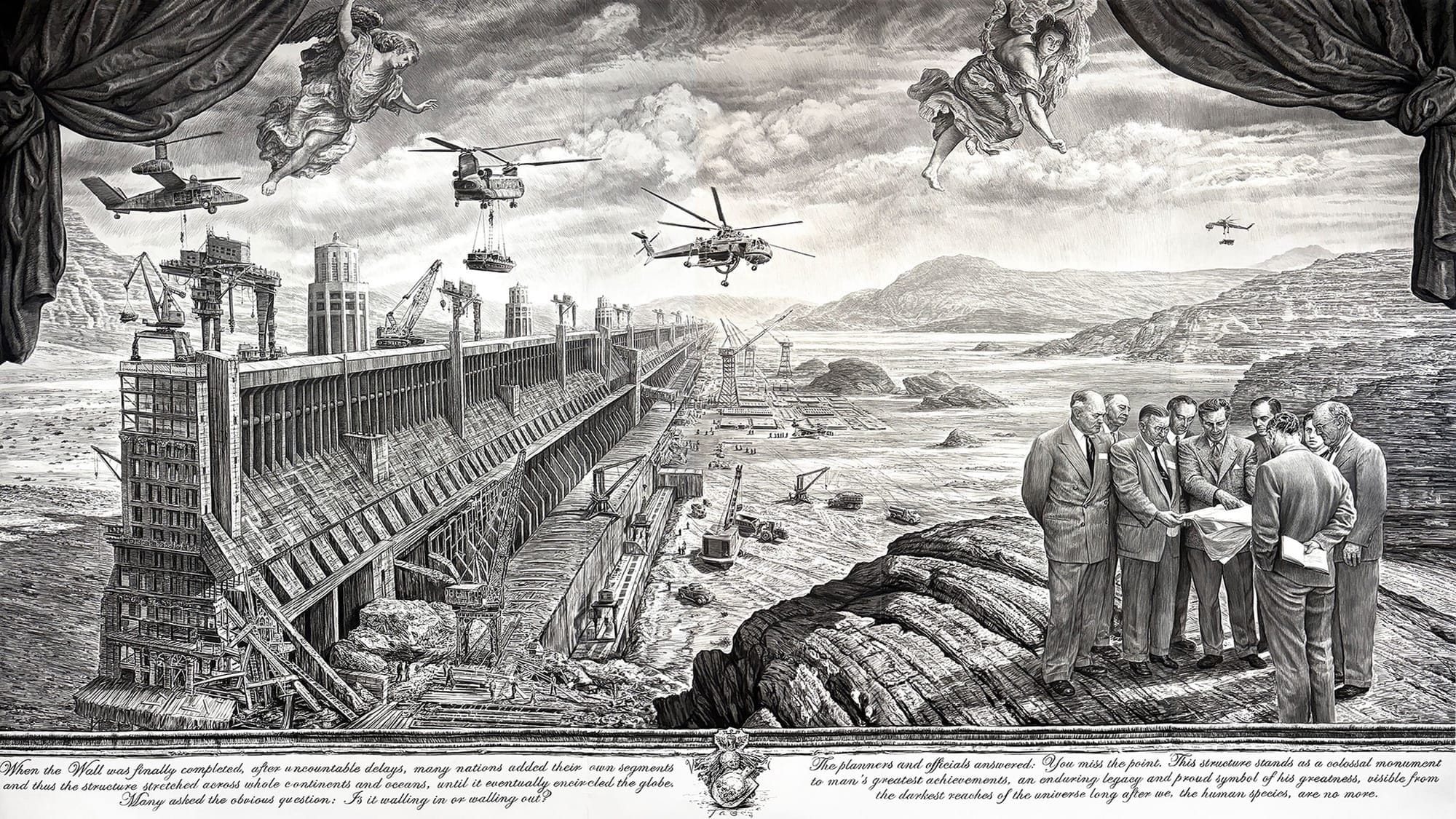
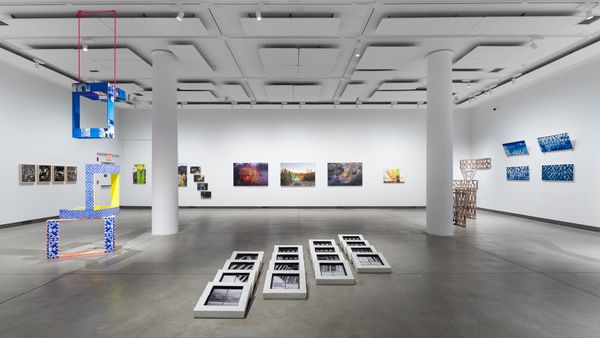
Looking for History: MoCA\CT’s New Exhibition Explores Memory, Landscape, and the American Story
Rick Shaefer, Ellen Harvey, and Michael Borders question how history is created, remembered, and reimagined. On view through November 15, 2026.
News
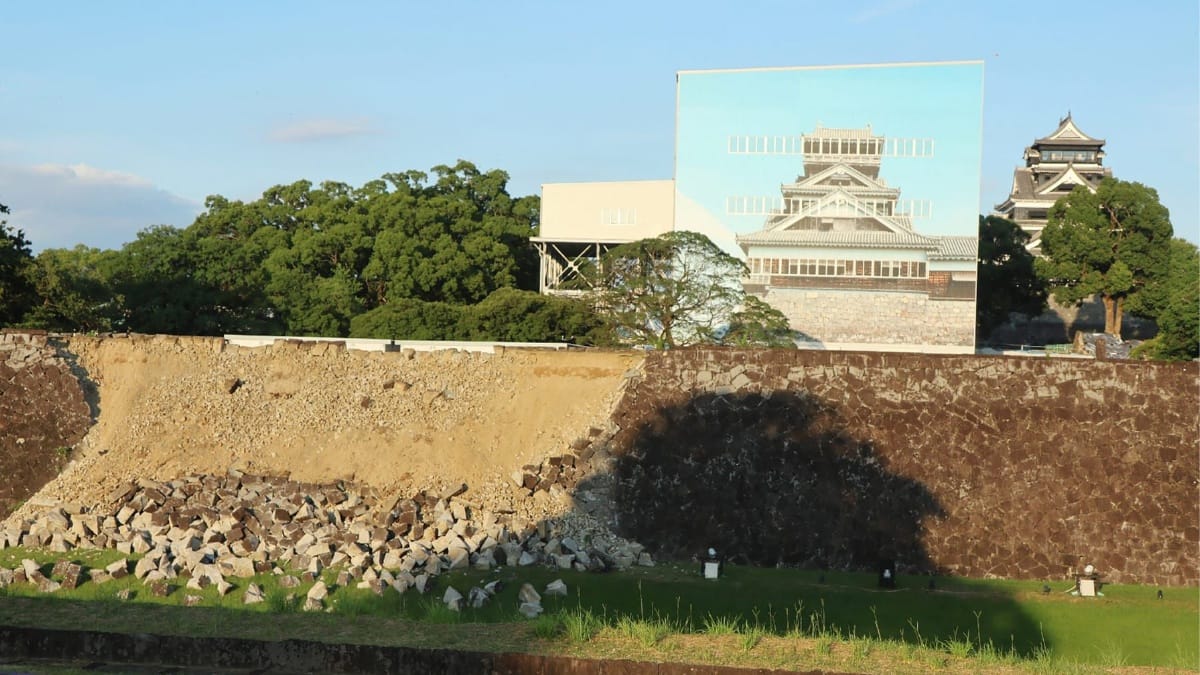
- Japan’s historic Kumamoto Castle is damaged after a 7.1-magnitude earthquake hits the country.
- French police arrest a man in connection with the theft of a 2,500-year-old gold torque from a museum in Burgundy.
- The German publishing giant Steidl Verlag is facing an uncertain future after coming close to bankruptcy.
From Our Critics
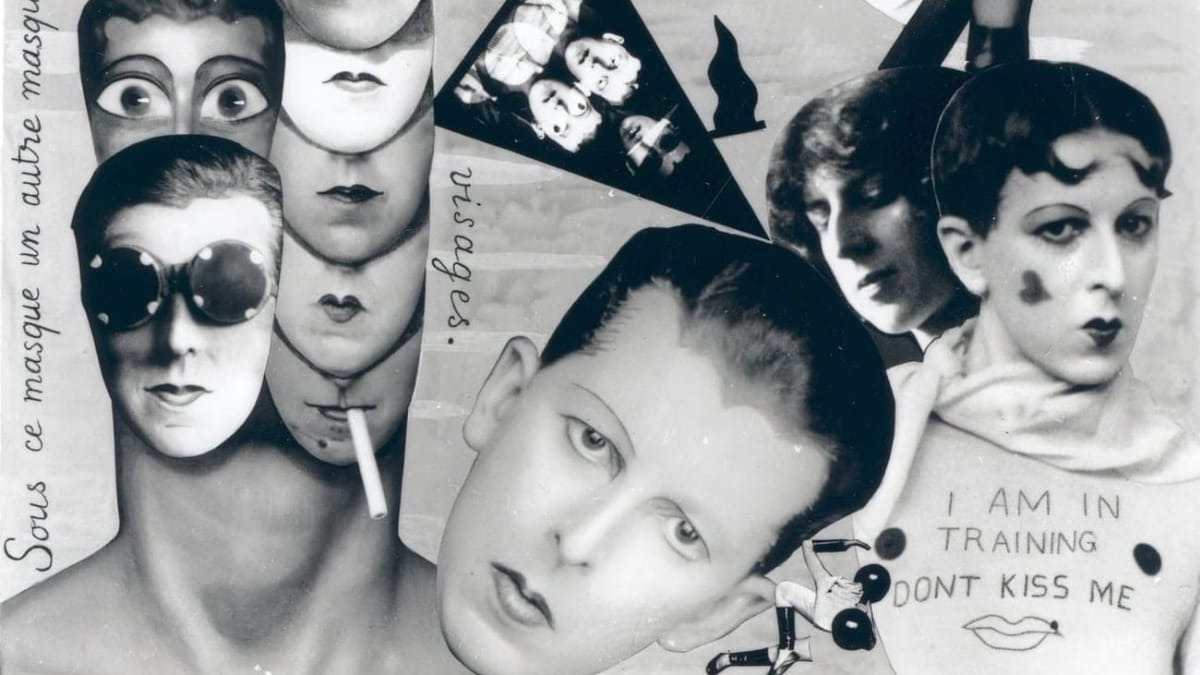
The Queer Surrealists Who Fought Nazis With Paper Bullets
Claude Cahun and Marcel Moore shared a magnificent life as both romantic and creative partners, one in which gender proved as mercurial as the political climate of World War II. | Eileen G’Sell
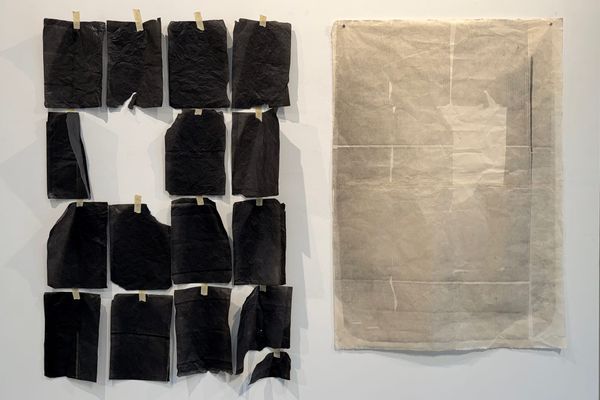
Read MoreWalter Benjamin Warned Us About AI
The philosopher believed that good photography provokes cognition while dangerous photography soothes, as seen in a jewel box show at the Jewish Museum. | Julia Curl
Read More
Indie Film From the Global Majority: BlackStar Celebrates 15 Years of Cinema for Liberation
The world’s most significant and groundbreaking filmmakers of color will gather to showcase their work in Philadelphia August 6-9.
Member Comment
—Holly Wong on “The Women Artists Who Found Freedom in Old Age”
From the Archive

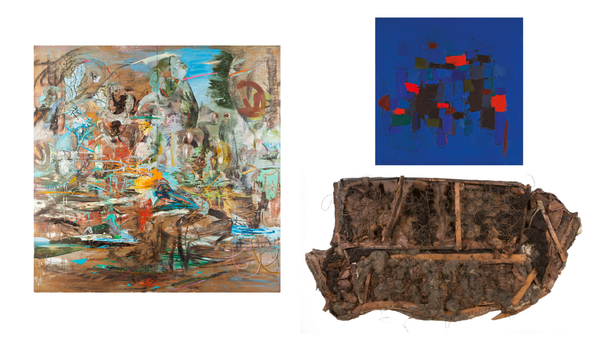
Diné Weaver Venancio Aragón Dyes Wool With Kool-Aid
The Diné weaver and teacher reimagines pre-trading-post-era weaving techniques, continually coloring his practice with new aesthetic and material horizons. | Sháńdíín Brown, Zach Feuer
Read More