Lucas Museum Chief Curator’s Sudden Exit Raises Questions
The news of Pilar Tompkins Rivas's departure is the latest shakeup at the $1 billion LA institution.

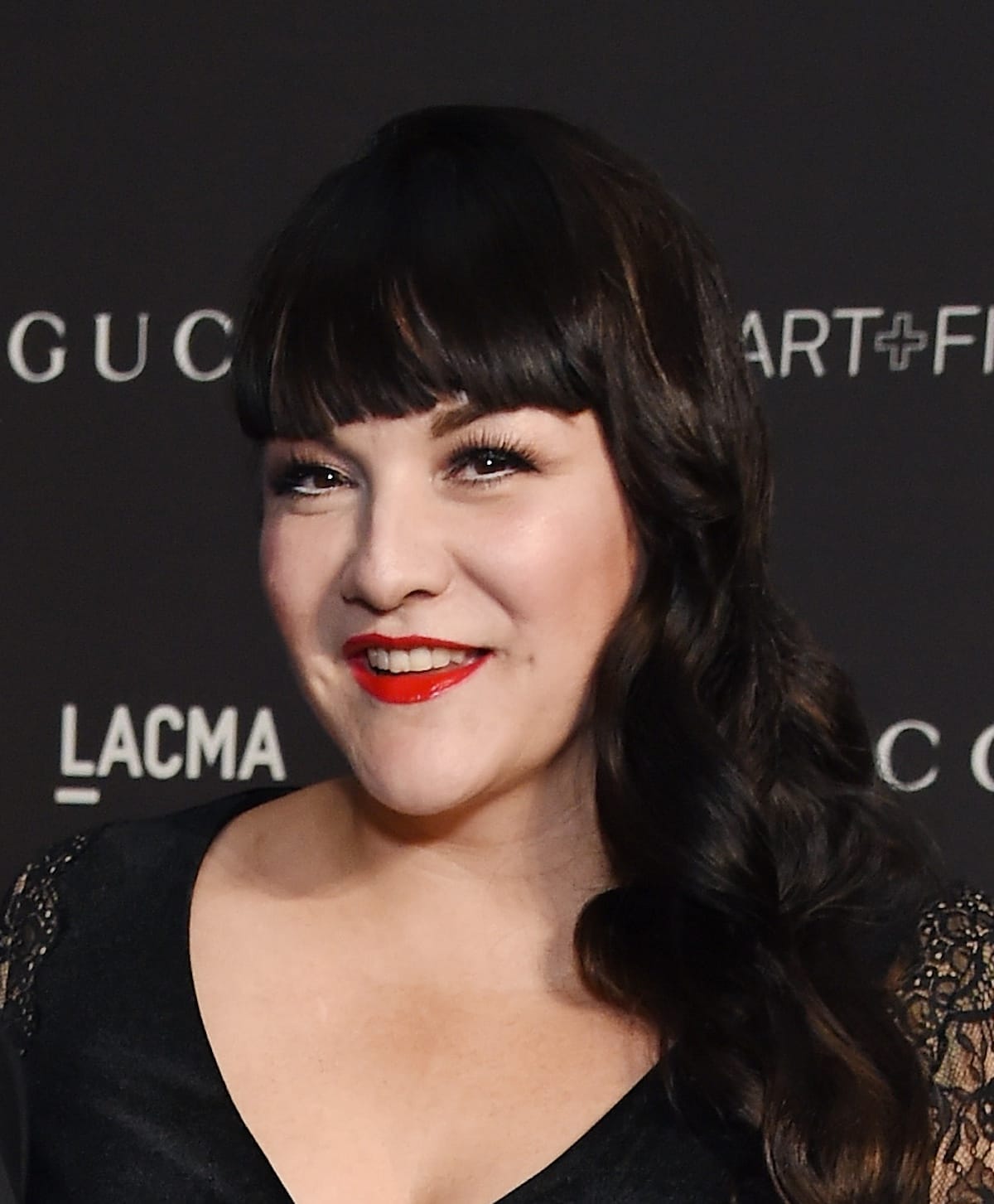
The latest shakeup at the forthcoming Lucas Museum of Narrative Art is the departure last week of Pilar Tompkins Rivas, the museum’s chief curator and deputy director of Curatorial and Collections, just months after 14% of the museum’s full-time staff was laid off.
An email from Interim Chief Executive Jim Gianopulos obtained by the Los Angeles Times stated that there were “no immediate plans” to find a replacement for Tompkins Rivas, and that “curatorial content and direction” would continue to be overseen by George Lucas, the museum’s co-founder.
“George Lucas has been responsible for all curatorial and content direction for the last year and will continue to work closely with the team as we move forward toward opening in September 2026,” a spokesperson for the museum told Hyperallergic. Tompkins Rivas declined to comment.
The news comes just weeks after the institution announced September 22, 2026, as its official opening date, which the museum had pushed back several times, citing pandemic- and supply chain-related delays. It also comes amid a series of staff departures that have raised questions about the museum’s leadership and mission.
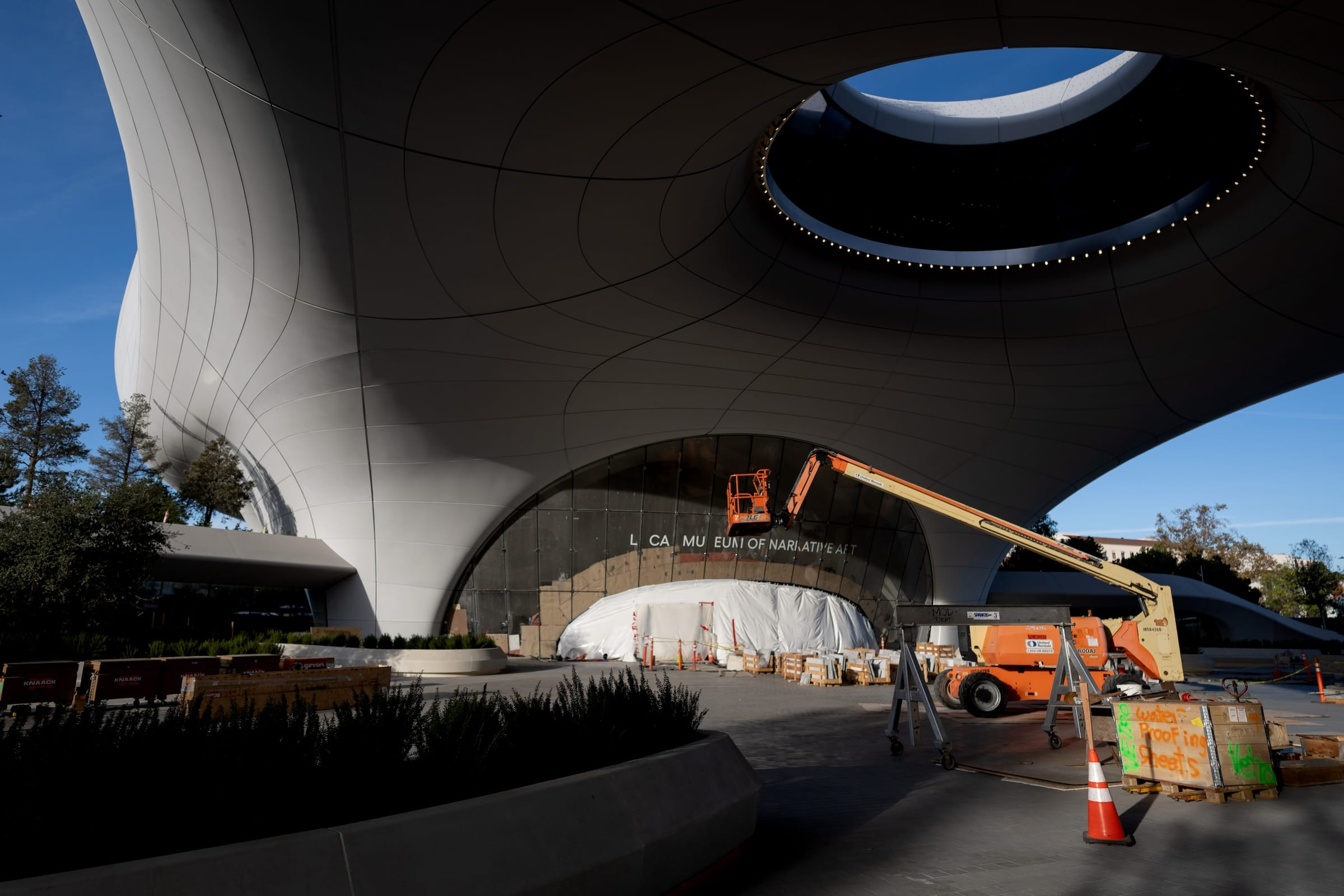
In February, the museum announced that its inaugural Director and CEO Sandra Jackson-Dumont would be stepping down, and in May, the institution laid off 15 full-time and seven part-time employees, mostly from the Learning and Engagement and Museum Services teams. Among them was Bernardo Rondeau, the museum’s curator of film programs, who learned of the layoffs while attending the Cannes Film Festival.
Before joining the Lucas in 2020, Tompkins Rivas was the director and chief curator of the Vincent Price Art Museum (VPAM) at East Los Angeles College, where she organized several notable exhibitions, including Tastemakers & Earthshakers: Notes From Los Angeles Youth Culture, 1943-2016 in 2016 and Regeneración: Three Generations of Revolutionary Ideology in 2018. Under her leadership, the modest regional museum became widely recognized as a vibrant hub for contemporary art.
“Pilar is a visionary curator and a luminary in our city. Throughout her career, she has opened real pathways for artists, colleagues, and community members to have a seat at the table,” Joseph Daniel Valencia, VPAM’s curator of exhibitions, told Hyperallergic.
On Instagram, artist Beatriz Cortez cited the enduring impact of the 2015 Getty symposium “Place and Practice,” which was co-organized by Tompkins Rivas. “She helped bring so many Latinx artists together, which unfolded into collaborations and community,” she wrote, adding that Tompkins Rivas organized the first museum shows of several artists, including herself.
In addition to recounting her accolades, colleagues expressed dismay and concern about her sudden and unexplained exit from the museum.
“I’ve known Pilar for ten years,” Valencia said. “She’s never been one to throw in the towel. Her departure is truly alarming.”
Artist Mario Ybarra flagged that the exit of Tompkins Rivas, who is Mexican American, is particularly distressing against the backdrop of the US government’s increasingly xenophobic and anti-immigrant policies.
“As one of a handful of Latinx women in the USA to be leading museums at this critical moment of racist discrimination against brown people, her removal from her post is an insult,” Ybarra told Hyperallergic. (The Lucas Museum did not confirm to Hyperallergic whether Tompkins Rivas was laid off or stepped down.)
As the LA Times noted, when Tompkins Rivas was hired in 2020, she was one of six women hired to fill leadership roles, five of whom were women of color. With her departure, only two of them remain.
For many, Tompkins Rivas’s exit is just the latest upheaval pointing to more serious issues behind the scenes at the $1 billion museum. In 2017, when the LA City Council approved a site for the Lucas in Exposition Park, a key selling point was the museum’s purported commitment to educational programming, which would serve some 100 schools in the surrounding South LA area. With the dismantling of virtually the whole educational department, it is unclear how that mission will be fulfilled.
"This absolutely raises questions about how exactly this private museum on public land is supposed to be serving the community,” culture writer Carolina Miranda told Hyperallergic.