Major Exhibition of Pompeii Treasures Will Make Its US Debut
Over 160 artifacts from the National Archaeological Museum of Naples are headed to the Dallas Museum of Art in December.

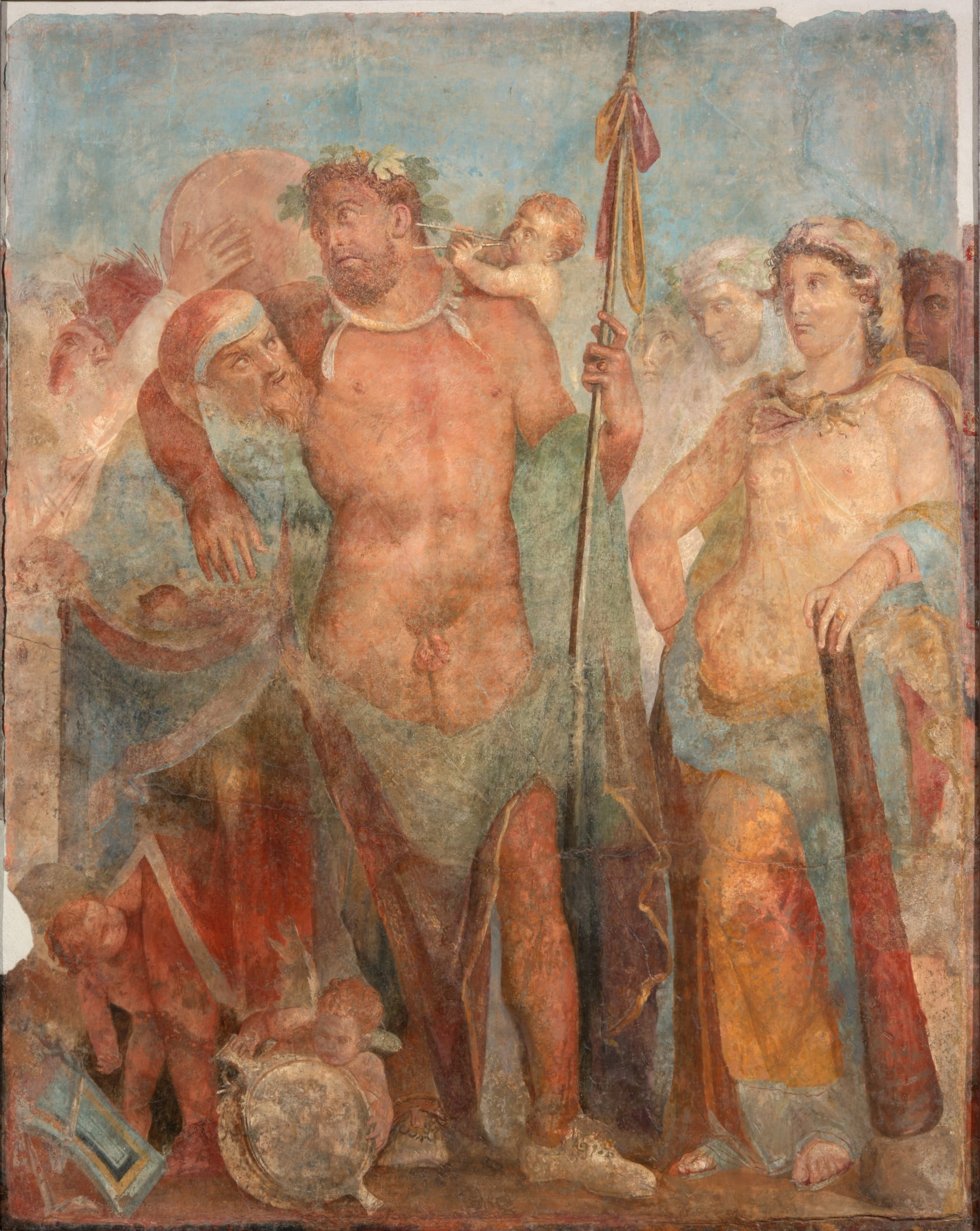
An exhibition of artifacts from Pompeii and neighboring towns petrified by the ancient eruption of Mount Vesuvius is set to make its United States debut at the Dallas Museum of Art this December. Stucco reliefs, marble sculptures, frescoes, mosaics, and domestic wares are among more than 160 preserved objects included in Journey Through Pompeii: Masterpieces from the National Archaeological Museum of Naples, which the Texas museum announced on Wednesday, August 25.
“The works in the exhibition have been a source of fascination and inspiration for centuries,” the Dallas Museum of Art’s assistant curator, Anabelle Gambert-Jouan, told Hyperallergic. “We're delighted to bring highlights from the National Archaeological Museum of Naples' outstanding collection to Texas audiences, who may not otherwise have the chance to see these treasures so close to home."
With provenances in Pompeii, Herculaneum, and Stabia, three towns in the Bay of Naples encrusted in a layer of ash during Vesuvius’s eruption in 79 CE, the treasures provide insight into the patterns of daily life that were destroyed at the same time that the objects were preserved.
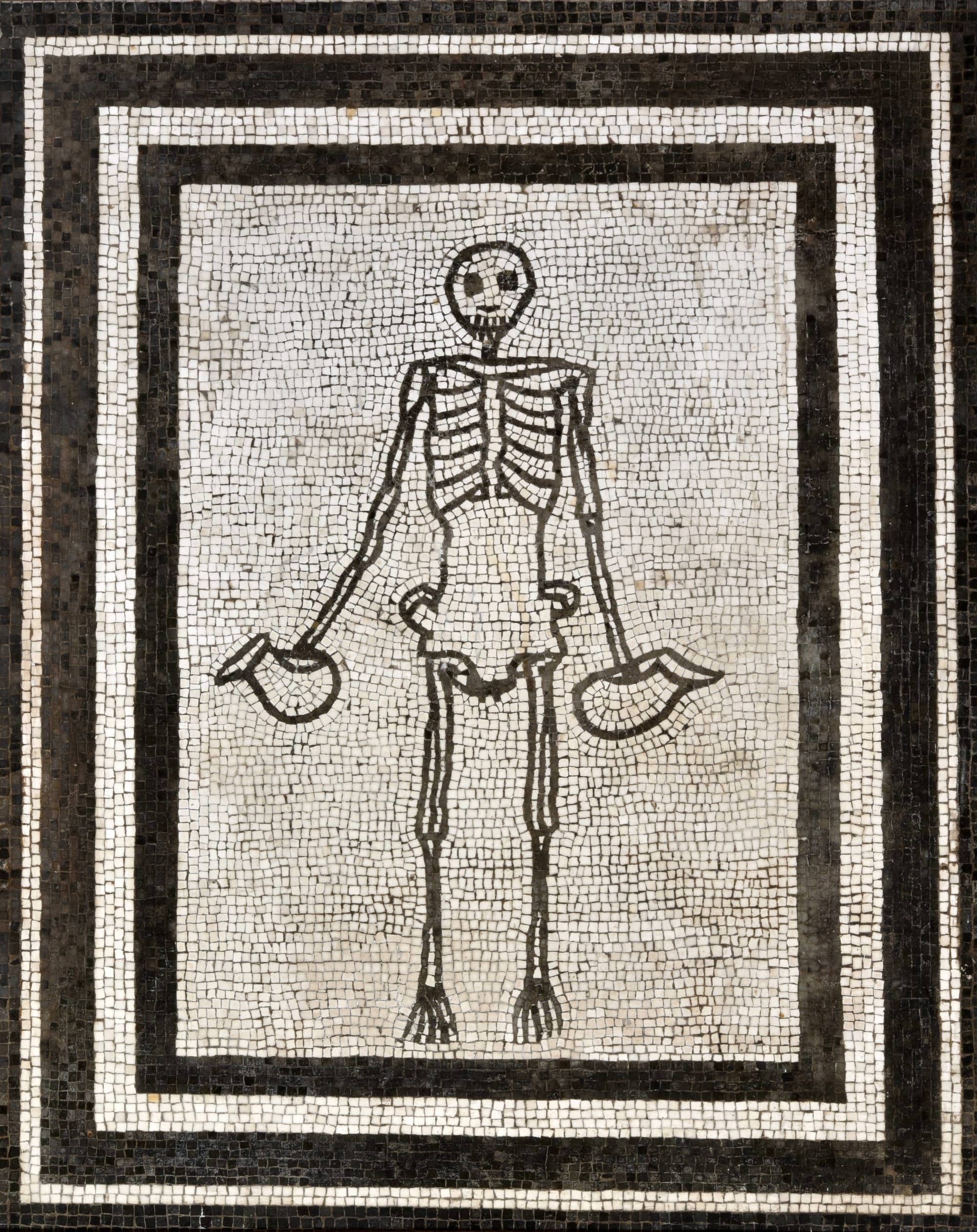
Across galleries divided by themes of politics, sports, domesticity, and dining traditions, each object speaks to the environment in which it was originally used. A dining room-sourced, black-and-white mosaic of a skeleton carrying two wine jugs serves as a memento mori and a marker of Roman belief, where, in a Dionysian twist, the banquet often reminded guests to enjoy themselves before their inevitable deaths. “Fourth Style” frescoes depict Roman myths, including Heracles’s period of serving Queen Omphale of Lydia, and a lone Cupid floating in an ether of yellow pigment.