J. Oscar Molina Is El Salvador's First Venice Biennale Artist
The painter and sculptor hopes his exhibition, “Cartographies of the Displaced,” will cultivate “patience and compassion for newcomers.”

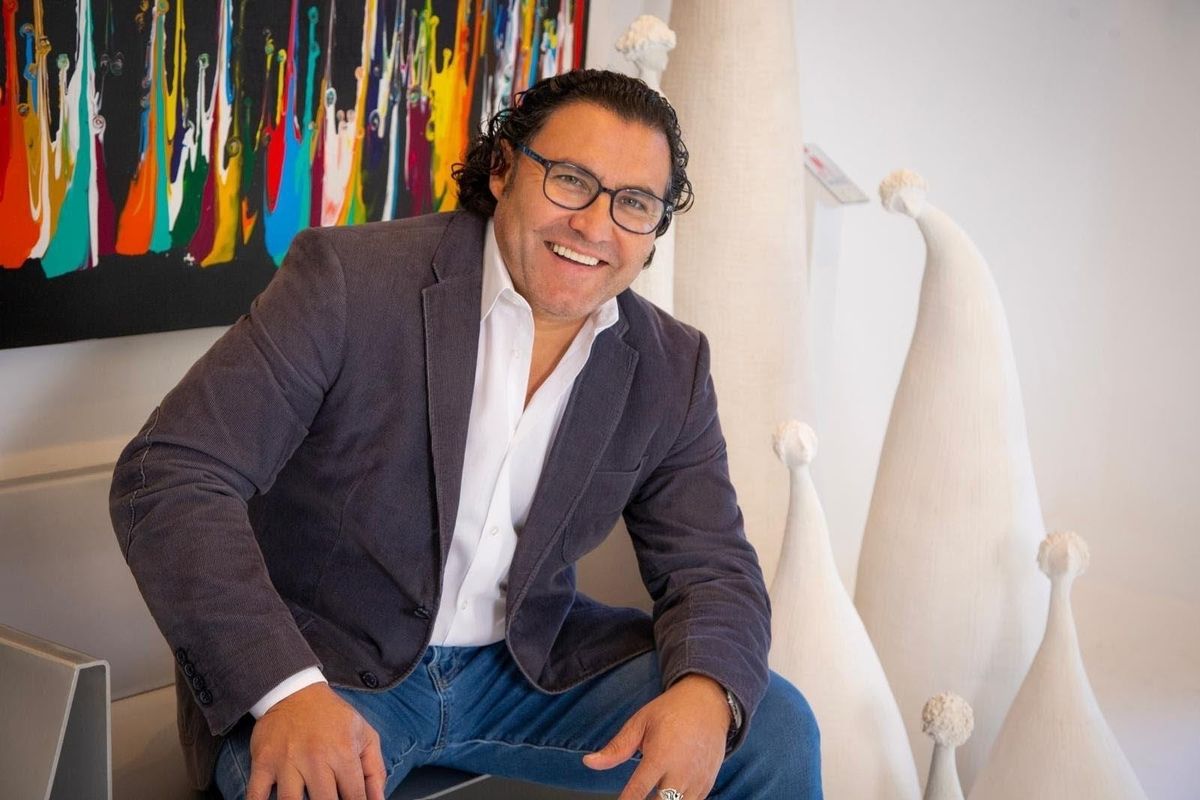
This spring, El Salvador will present a pavilion at the Venice Biennale for the first time in its history, during the contemporary art festival's 61st iteration from May 9 to November 22.
Painter and sculptor J. Oscar Molina, born in El Salvador in 1971 and currently residing in Southampton, New York, will represent the country as its inaugural pavilion artist. Molina’s solo exhibition, Cartographies of the Displaced, will feature 15 to 18 of the artist’s abstract sculptures from his Children of the World (2019–ongoing) sculptural series, which evokes huddled figures in motion.
News of El Salvador’s participation in the international art competition comes as human rights organizations condemn alleged abuses in the nation as a result of far-right Salvadoran President Nayib Bukele’s “war against gangs,” including torturous conditions at the Terrorism Confinement Center (CECOT). Last year, the Trump administration deported over 200 Venezuelan men to the maximum security facility without due process.
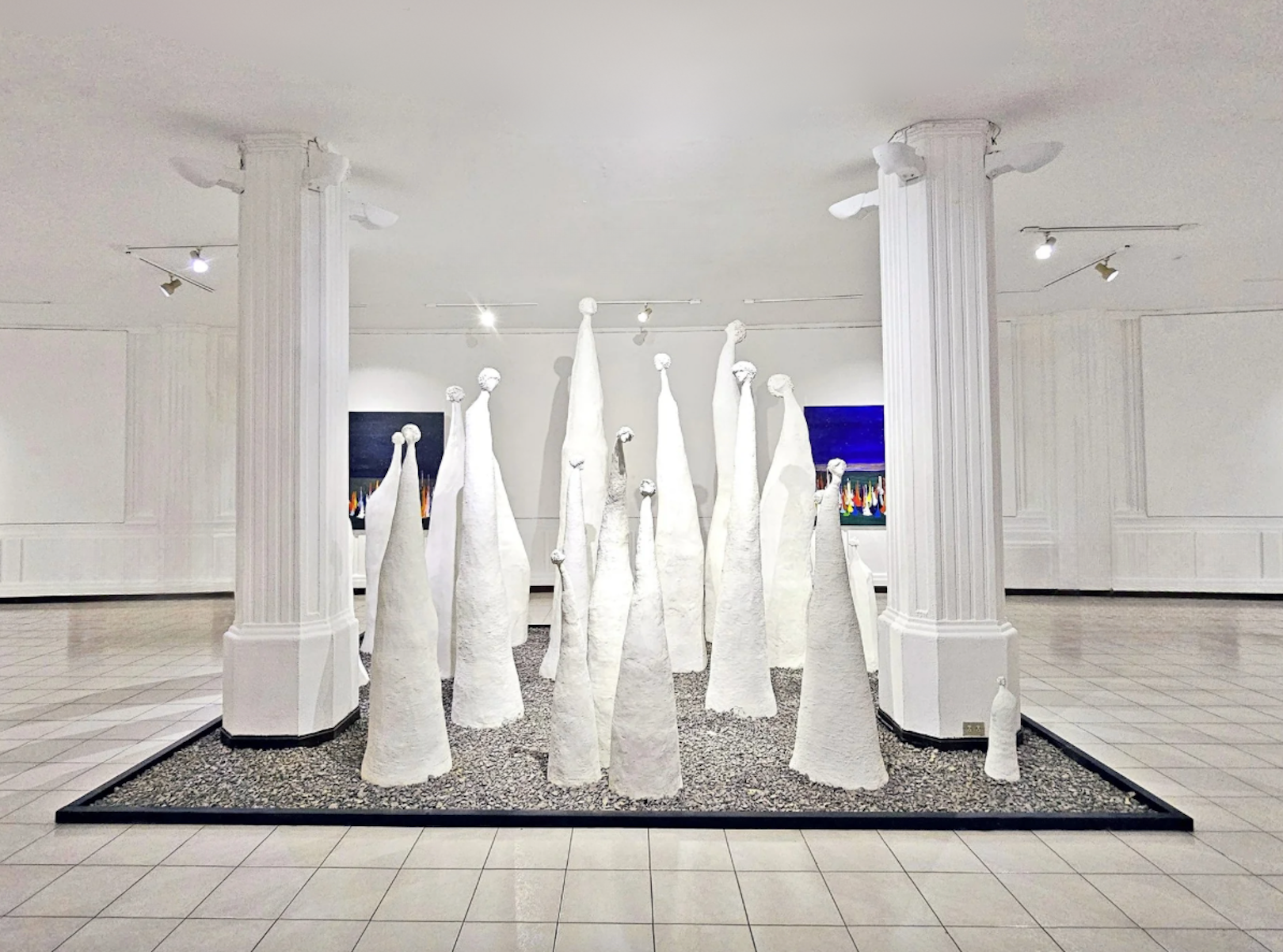
In an interview with Hyperallergic, Molina veered away from discussing El Salvador’s politics, but said his pavilion would explore aspects of what he described as the “migrant experience,” rooted in his flight from his home country during a 12-year bloody civil war between its US-backed military government and far-left guerrillas that lasted until 1992.
With Cartographies of the Displaced, he said, he hopes to cultivate “patience and compassion for newcomers.”
“Migration is a thing that transforms a human into a different type of human … the self being transformed into this being that doesn't exist there, and doesn't exist here, but exists somewhere,” Molina said.
Molina recounted an idyllic childhood spent on his family farm in El Salvador alongside his parents and eight siblings before a bomb hit the corner of the concrete home they lived in when he was a young teenager. The government, he said, ordered his community to evacuate, at which point his family became displaced, moving from the mountains to the coastal municipality of La Unión.
“For two years, we were just going from place to place,” Molina said. “We went from farmers to fishermen in a very short period of time.”
Eventually, after he turned 16, his family decided to flee the country, and Molina and his brother, Abel, migrated to the US.
“Abel was kind of my only family in the group of about 200 people, as we were crossing the desert in groups of tens,” Molina recalled.
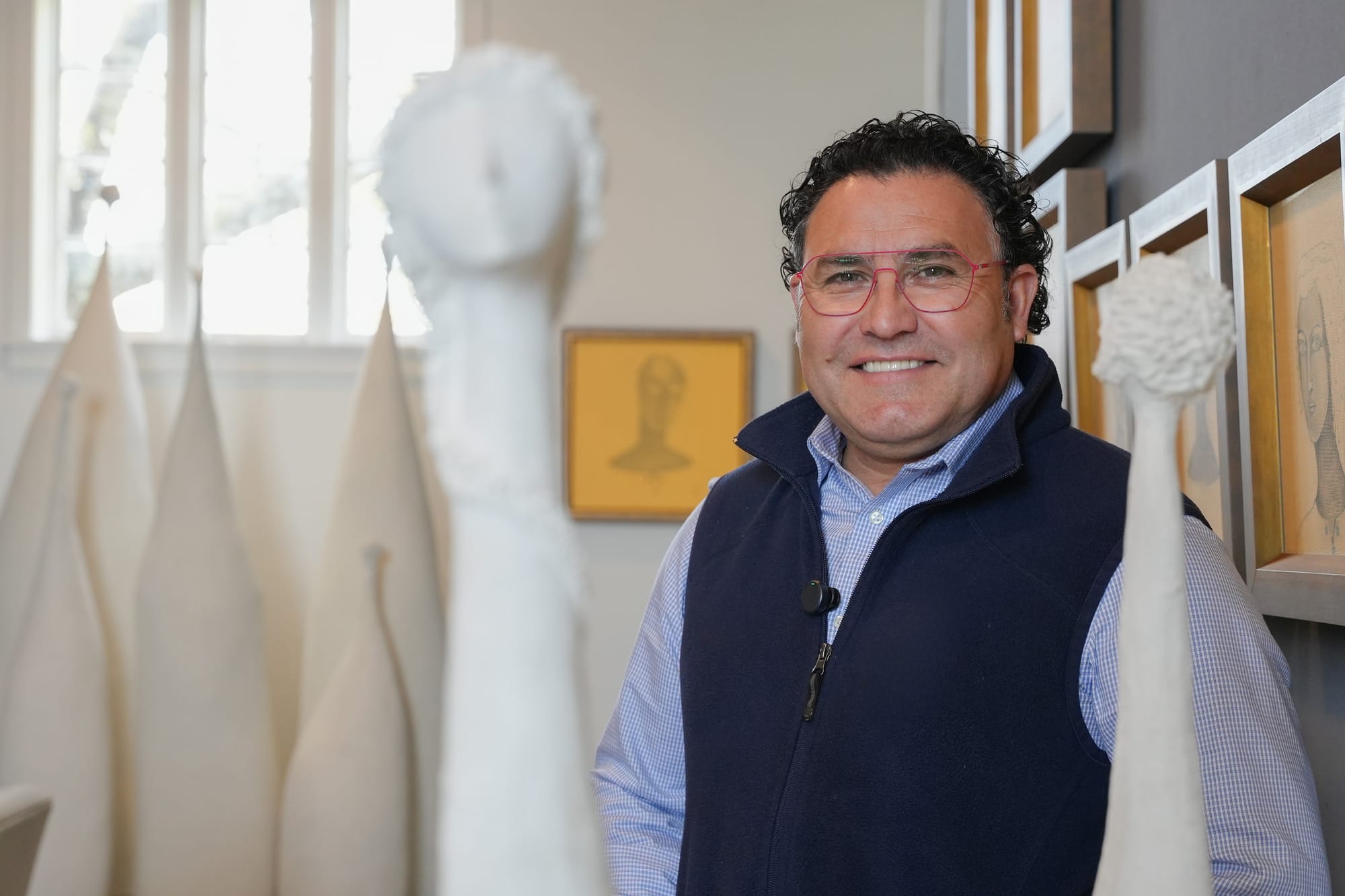
In Southampton, Molina founded a stone masonry business, and by the time he was 30, he dedicated himself to his art, incorporating his migration story in his practice and opening a contemporary art gallery in the town in 2022. His work has previously appeared in exhibitions in El Salvador and in the US.
The Venice Biennale pavilion was commissioned by the National Director of El Salvador's Ministry of Culture, Astrid Bahamond Panamá, and will be curated by Alejandra Cabezas.
In an email to Hyperallergic, Cabezas said that El Salvador’s inclusion in this year’s Biennale is the result of a push by artists and cultural workers to recognize Salvadoran art abroad.
“Our role is to ensure that the pavilion reflects the complexity, autonomy, and rigor of the community it represents,” Cabezas wrote, describing Molina’s work as representative of transnational identity, migration, and displacement, experiences common to some Salvadorans.
“The aim is not to produce a national 'image' but to open a space where the nuances of Salvadoran and diasporic realities can be engaged with seriously,” Cabezas said.
The Venice Biennale declined to confirm the Molina and the country’s participation in a statement to Hyperallergic and said it would announce an official list of countries and artists in late February. However, a number of countries, including the United States, have already publicized the artists selected for their respective pavilions.
Molina said he strives for his pavilion exhibition to address universal themes beyond a specific political moment in his home country.
“I know that there are so many rules that are being made by the minute, around the globe, but in all, I just want to make a sense of brotherhood,” Molina said. “We all need each other, from the top CEO of any corporation to the person who cleans the floor.”