Museums Must Step Up in 2026
The role of museums during the US’s 250th anniversary, President Trump sells a Jesus painting, Hew Locke plumbs the history of empire, and more.

We’re in that liminal time between past and future — it's the first full week of the new year, but we're still shaking off that 2025 holiday languor. Wake up: 2026 is a big year. It marks the 250th anniversary of the founding of the United States at a time when the whole democratic project is at risk. Don't miss Ken Weine's opinion piece on the crucial role museums must play in not only commemorating our history, but interpreting and communicating it. After all, museums are among our nation's most trusted institution — no small feat in an era of post-truth partisanship.
Weine's piece pairs beautifully with Seph Rodney's thoughtful review of the work of Hew Locke, who reckons with the ramifications of nation-building in his survey exhibition at the Yale Center for British Art. A "tarnishing and rusting inheritance," indeed.
— Lisa Yin Zhang, associate editor
Opinion
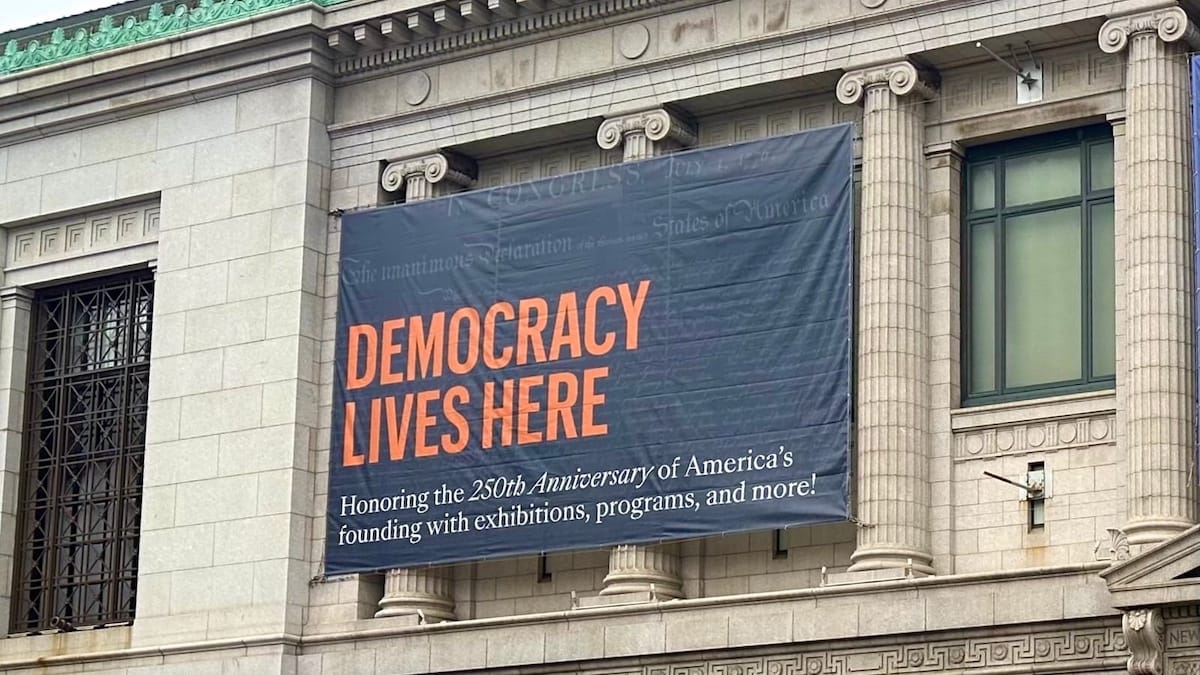
In 2026, Democracy Needs Museums
As the United States marks its 250th, institutions must resist the pull to simply commemorate and instead communicate the relevance of history. | Ken Weine

A Decolonial Perspective: A New Ambitious Course to Rethink Art History
Institution School’s 24-lecture online course reconsiders the predominant Western trajectory through a polyphonic, global perspective. Live and on-demand sessions map modernism, decolonization, and contemporary futures. Professors include Ute Meta Bauer, Nicolas Bourriaud, Charles Esche, Nada Shabout, Barbara London, Raphael Chikukwa, Pauline J. Yao, and many others.
New Year promotional price valid until January 10. Reserve your place now — the course starts January 17.
News
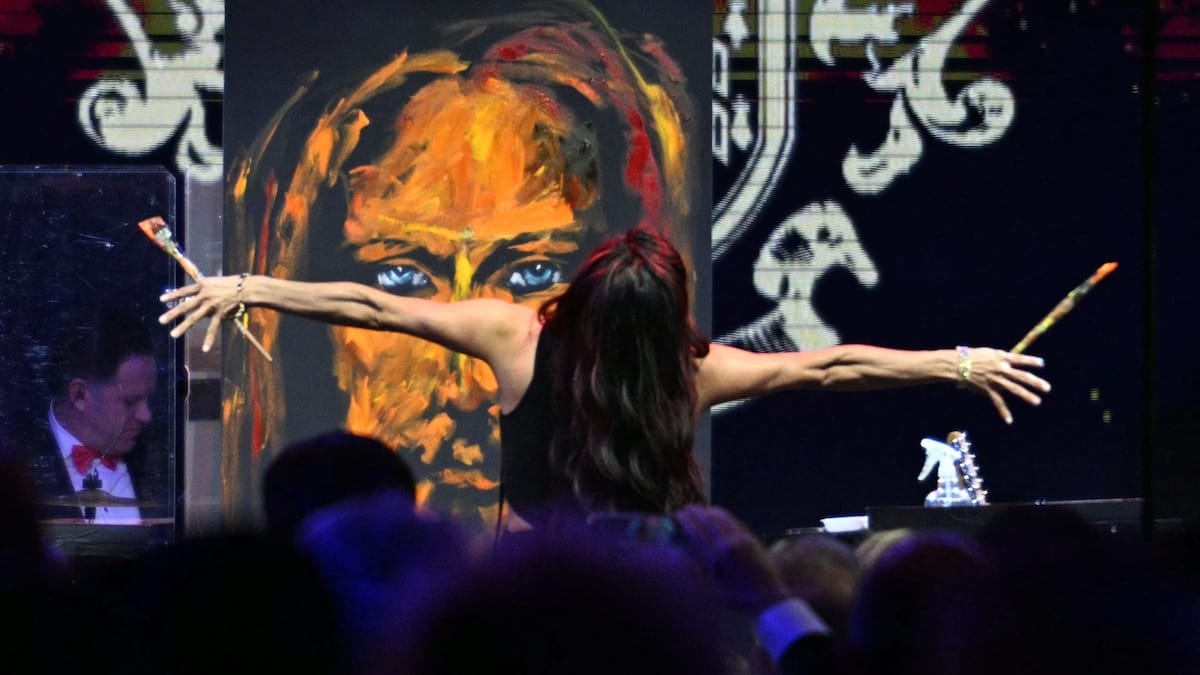
- President Trump auctioned off a painting of a blue-eyed Jesus painted in 10 minutes for $2.75 million at a New Year's Eve party at Mar-a-Lago.
From Our Critics
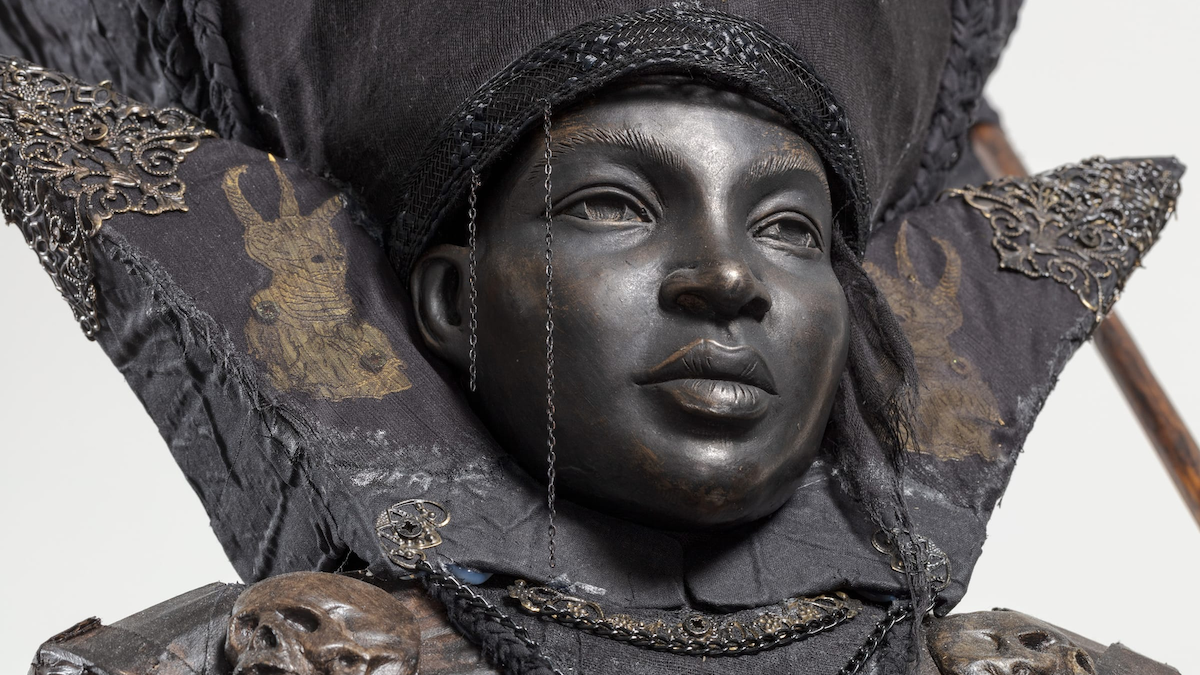
What Hew Locke Carries
In a haunting exhibition, the artist deals with the legacies of empire. "Survival cuts in several ways: When we survive, so too do our ghosts and our wounds," Seph Rodney writes in his review. "More than any other feeling, what occurs to me seeing these vessels is a sense of our precarity precisely because what I already know about the legacy of colonialism is daunting enough and I am not aware of all the things it makes us — the children of independence fervor and colonial powers — carry."
David Wojnarowicz’s Lessons in the Age of Surveillance
Beginning in the late 1970s, the photographer donned a paper mask of French poet Arthur Rimbaud and took him all around New York City, from Coney Island to the Times Square porn theaters. Lavinia Liang writes that a new catalog and exhibition on the series reveals a new resonance to these works in the age of rising authoritarianism.

Apply for the John Michael Kohler Arts Center’s 2027 Arts/Industry Residency
A collaboration with the Kohler Co. pottery and foundry, this funded industrial residency enables artists to produce ambitious new works in vitreous china, cast iron, and brass.
Opportunities
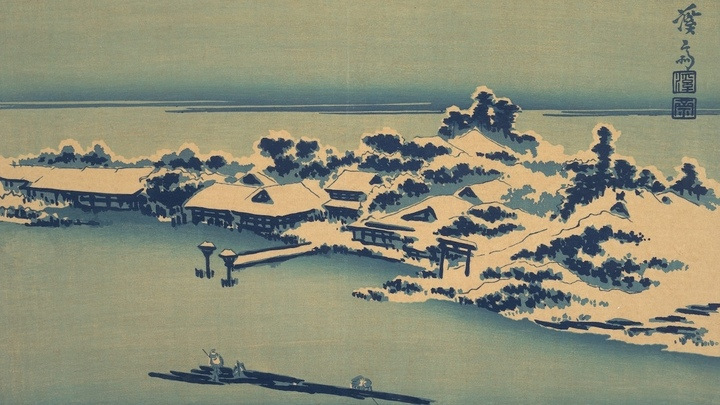
Opportunities in January 2026
Residencies, fellowships, grants, and open calls from Haystack Mountain School of Crafts, the John Michael Kohler Arts Center, and more in our monthly list of opportunities for artists, writers, and art workers.
ICYMI
A message from our editor-in-chief
Member Comment
Jozanne Rabyor on Staff Writer Rhea Nayyar's "Banksy’s Latest Mural Is a Heartbreaking Christmastime Message":
I also remembered going outside in the late 1950s with my parents to look for Sputnik (its rocket) as it passed overhead. I've spent many a crick-necked hour hoping to see a murmuration of starlings. Other birds also. Double rainbows. Clouds. On Halloween nights, we looked for (and looked out for) witches. And in December, the Star in the East.
From the Archive
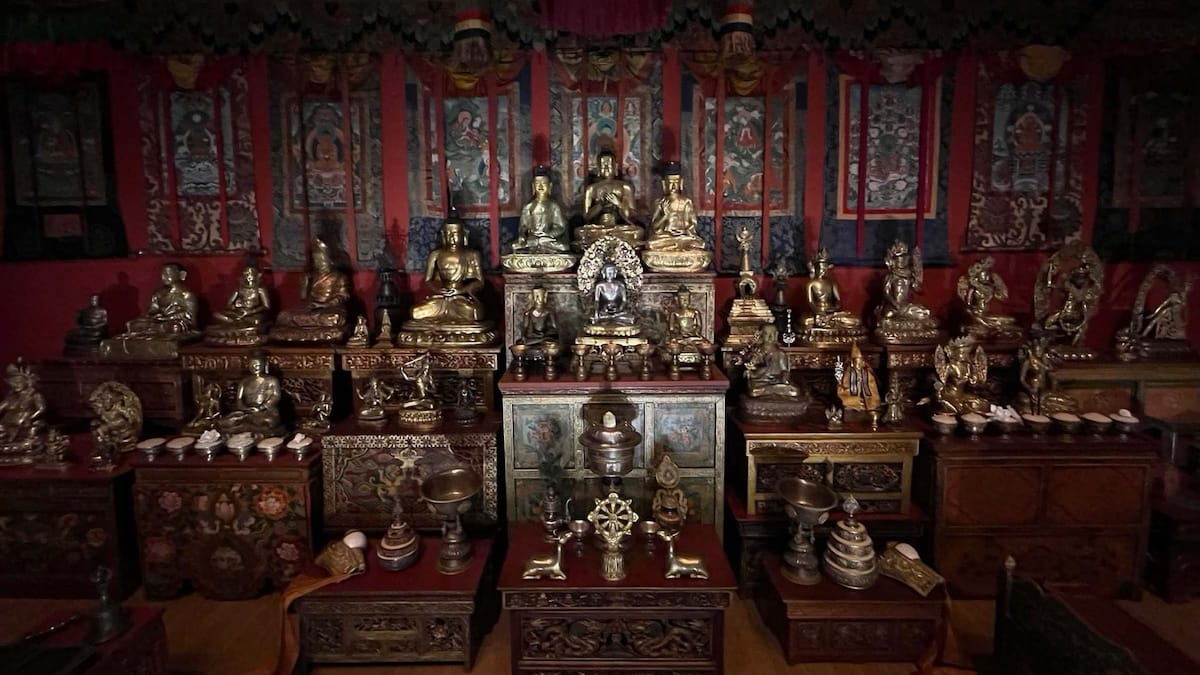
The Fetishistic Fiction of Museums’ “Tibetan” Shrines
Melissa R. Kerin writes on how many immersive shrine rooms are ahistorical fabrications that reflect Western fantasies rather than the diverse, lived reality of actual Tibetan shrines.