Our Favorite Art Books of 2025
This year, we read too many incredible books to count — here are a few that stuck with us, including tomes on Marsha P. Johnson, Mary Cassatt in Paris, and Ruth Asawa and mothering.

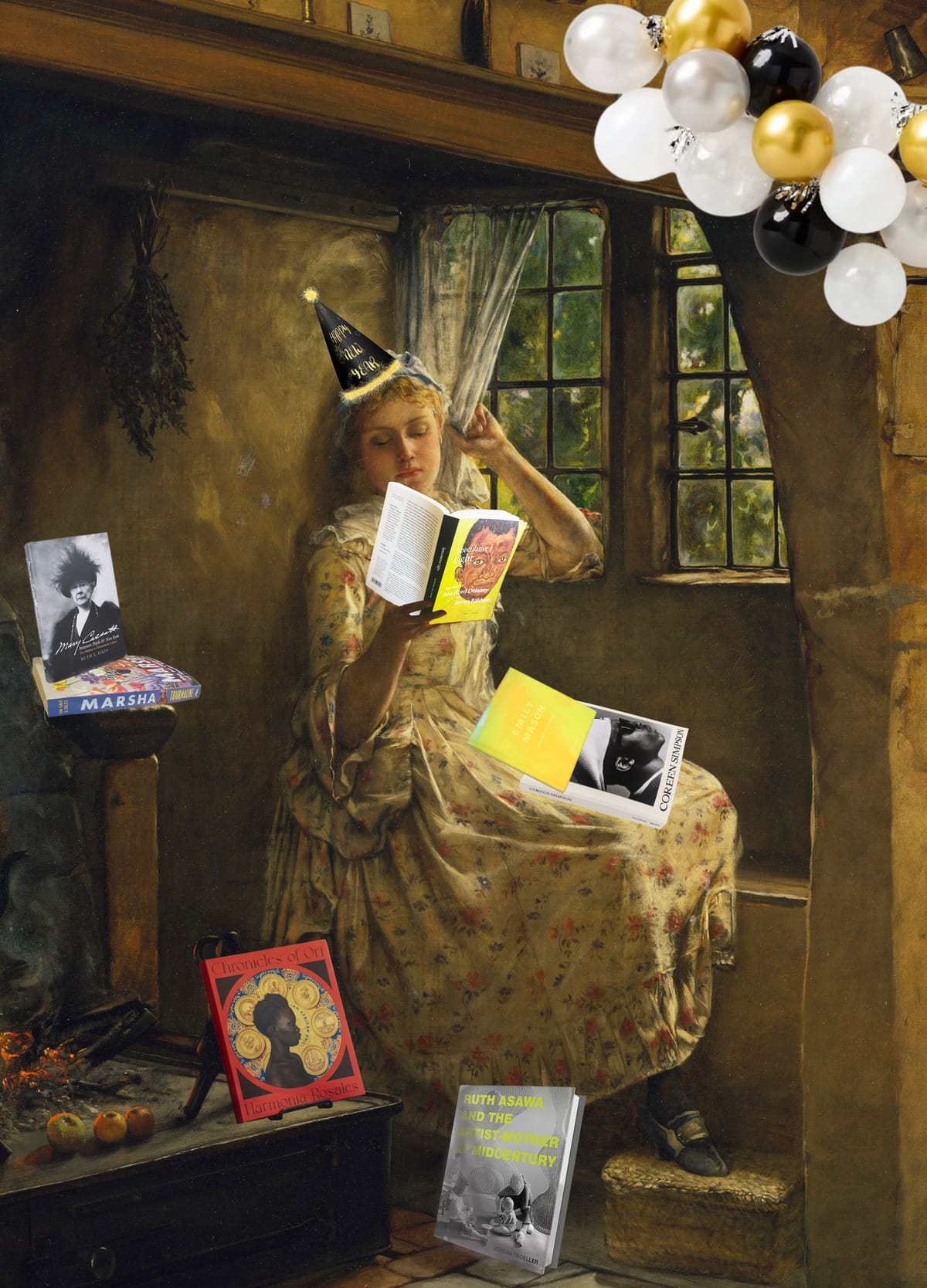
While 2025 might be drawing to a close, the art books we read this year will stay with us for a long time to come. And not just the monographs or catalogs you might be thinking of — we also consumed biographies, academic titles, memoirs, zine re-issues, art novels, and more. My personal favorite was Imani Perry's Black in Blues; it doesn't necessarily fit the mold of an "art book," per se, and that's precisely what makes it such a rich addition to any artist or art-lover's shelves. Editor-in-Chief Hakim Bishara recommends Hew Locke's latest catalog, while Editor-at-Large Hrag Vartanian offers us a spate of books, including Tamara Lanier's moving account of her fight to reclaim the daguerreotypes of her enslaved ancestors, Renty and Delia. We've also got new categories this year to help guide your browsing. Enjoy, and, as ever, let us know what art books made it onto your list! —Lakshmi Rivera Amin, associate editor
Art History
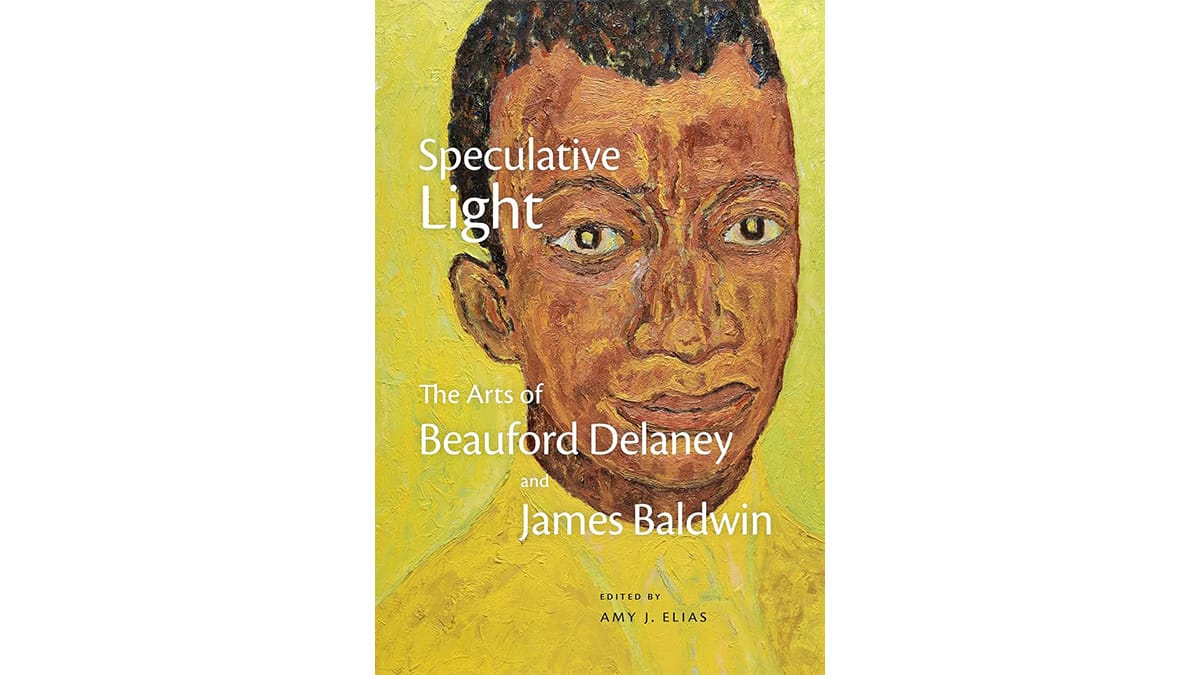
Speculative Light: The Arts of Beauford Delaney and James Baldwin, edited by Amy J. Elias | Duke University Press, February 2025
Under Beauford Delaney’s tutelage, James Baldwin began to see the world through new eyes — those of an artist. “He taught me how to see, and how to trust what I saw,” said Baldwin. This collection of scholarly essays illuminates one of Baldwin’s most valuable relationships, tracking the deep impact Delaney’s artistry had on his literary life. Their connection as queer, Black men was meaningful and lifelong, and Speculative Light tackled the topic with tenderness and rigor in equal measure. —Jasmine Weber
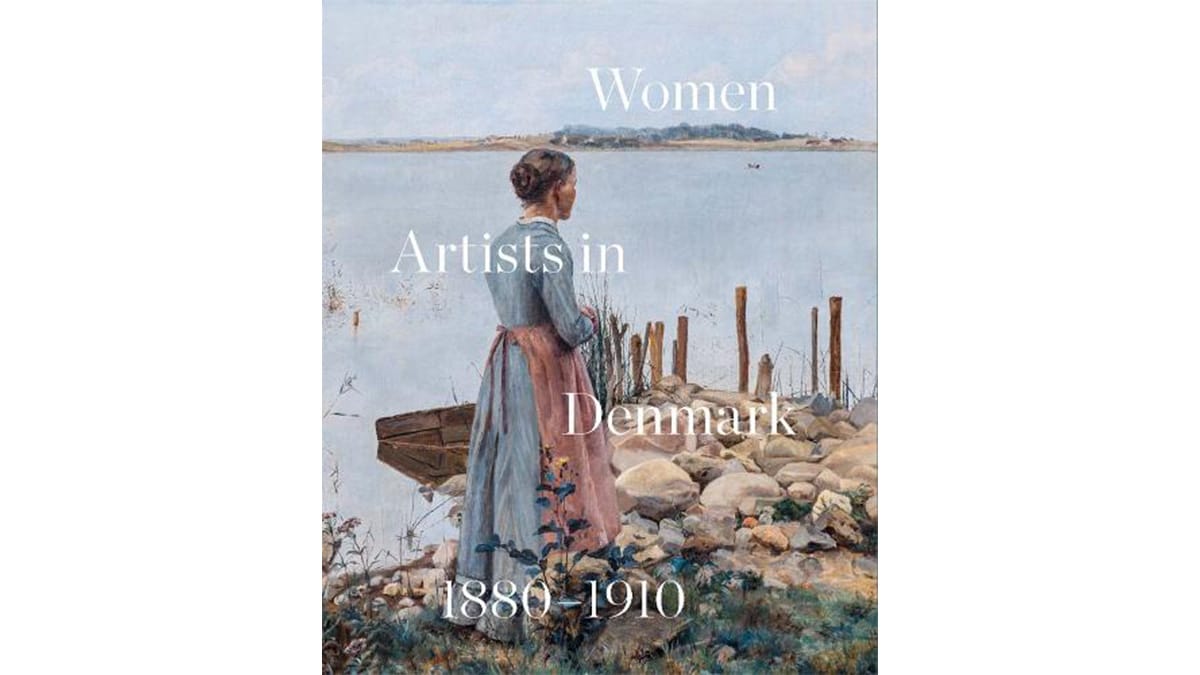
Women Artists in Denmark 1880-1910: In Search of the Modern, edited by Inge Lise Mogensen Bech and Lene Bøgh Rønberg | Aarhus University Press, April 2025
Nordic women artists are having a moment; take Seeing Silence: The Paintings of Helene Schjerfbeck, which just opened at the Metropolitan Museum of Art. One of my favorite reads this year was Women Artists in Denmark 1880-1910, edited by Inge Lise Mogensen Bech and Lene Bøgh Rønberg. If the title sounds bland, the content is anything but. I now look at 19th-century naturalism — a style I understood to be already outdated in its own time — with new eyes, and appreciate what makes these artists’ work slyly transgressive, even revolutionary. —Bridget Quinn
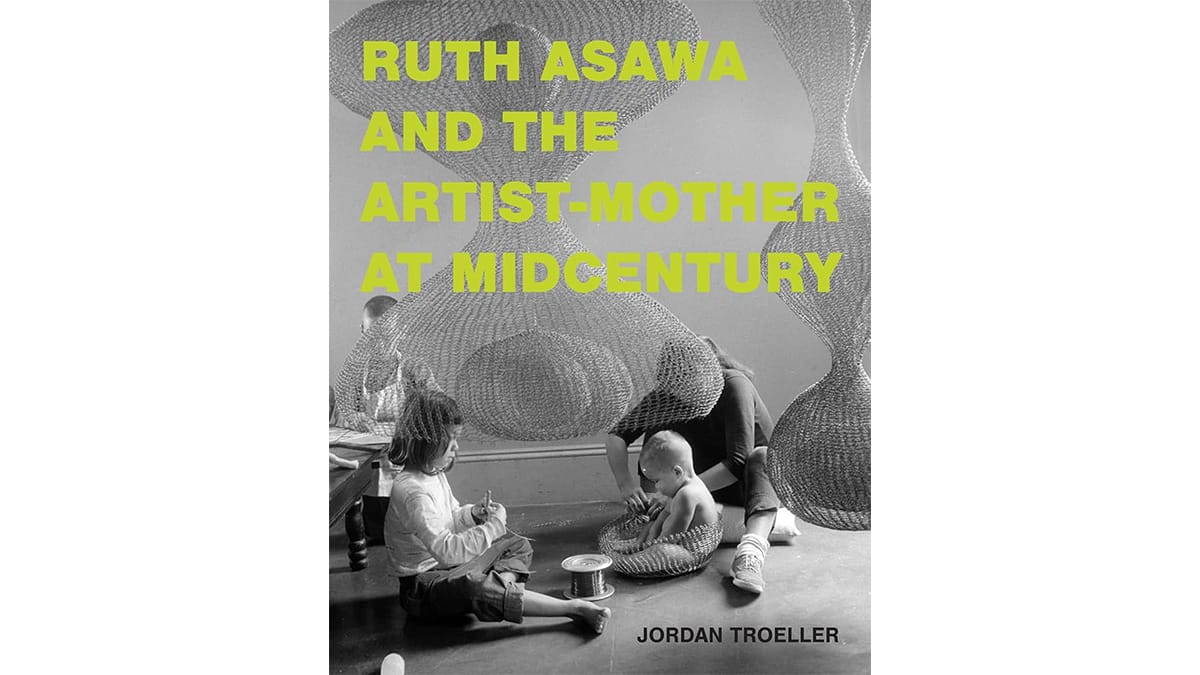
Ruth Asawa and the Artist-Mother at Midcentury by Jordan Troeller | MIT Press, May 2025
Jordan Troeller’s book offers the possibility — and asserts the mid-century San Francisco Bay Area existence of — a new vision of the art idol. Not the tortured solo genius alone in his studio, but the community-minded mother in art, working alongside artist neighbors, with kids all around. Troeller’s stirring thesis is bolstered by impeccable research and fabulous archival photos of Asawa and her circle. —Bridget Quinn
Read the review by Christen Clifford
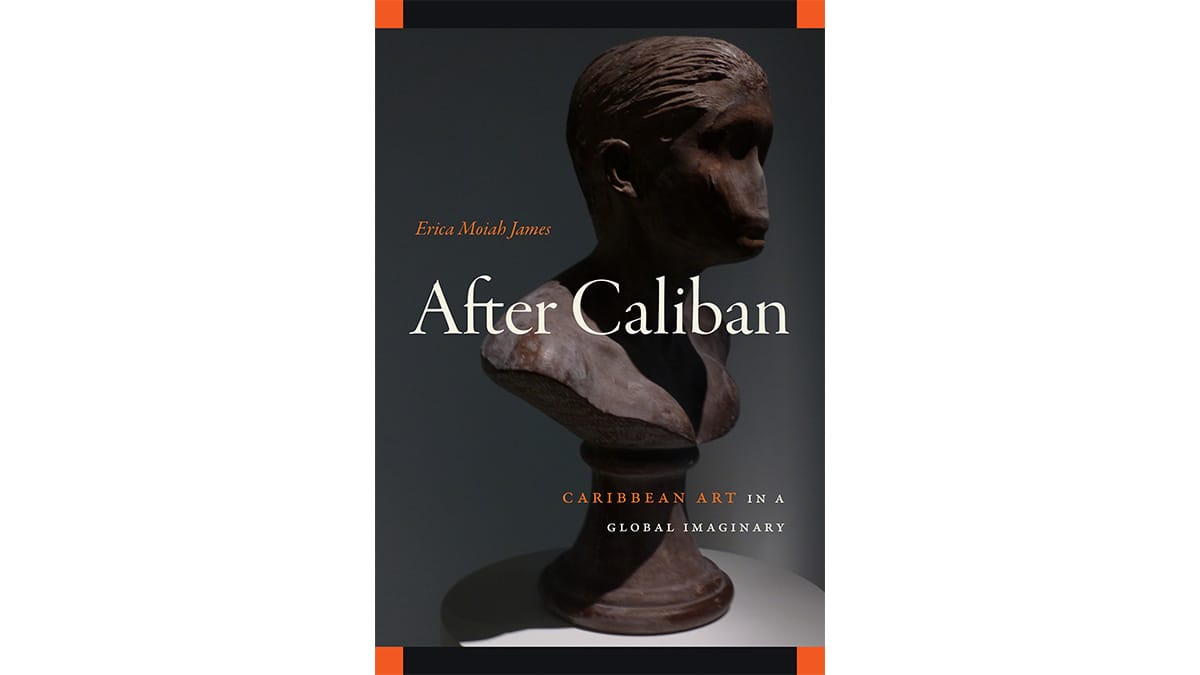
After Caliban: Caribbean Art in a Global Imaginary by Erica Moiah James | Duke University Press, September 2025
Erica Moiah James challenges the routine scholarly use of Caliban — the pivotal figure from Shakespeare’s The Tempest and Aimé Césaire’s postcolonial rewriting — as a flattened emblem of the colonized. In the 1990s, artists such as Belkis Ayón, Edouard Duval-Carrié, and Marc Latamie refused interpretive shortcuts that turned Caliban into a universal stand-in, instead creating a decolonial aesthetics that centers Caribbean knowledge and innovation within global art history. After Caliban proposes a way of interpreting these artistic interventions according to knowledge systems rooted in the Caribbean and its diaspora. —Alexandra M. Thomas
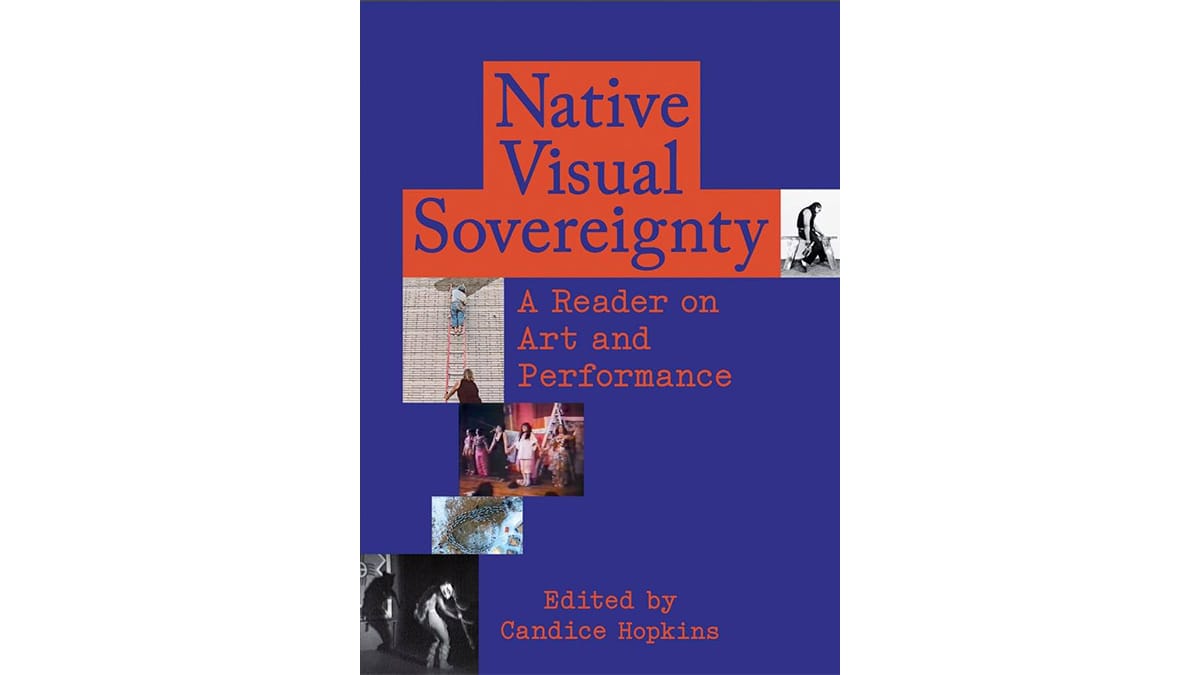
Native Visual Sovereignty: A Reader on Art and Performance, edited by Candice Hopkins | Dancing Foxes Press, December 2025
If you saw the excellent Indian Theater: Native Performance, Art, and Self-Determination since 1969 exhibition in 2023, you'll know how layered and diverse the history of Native performance art is, and even if you didn't see it, this may help get you up to speed. Starting with the well-known occupation of Alcatraz by Native activists in 1969, this reader makes the case that that important event kick-started an era of actions and performances that claimed public space for many groups who were facing erasure just a few decades before. This book centers Native agency, and that's exactly the story we should all be reading. —Hrag Vartanian, editor-at-large
Biography and Memoir
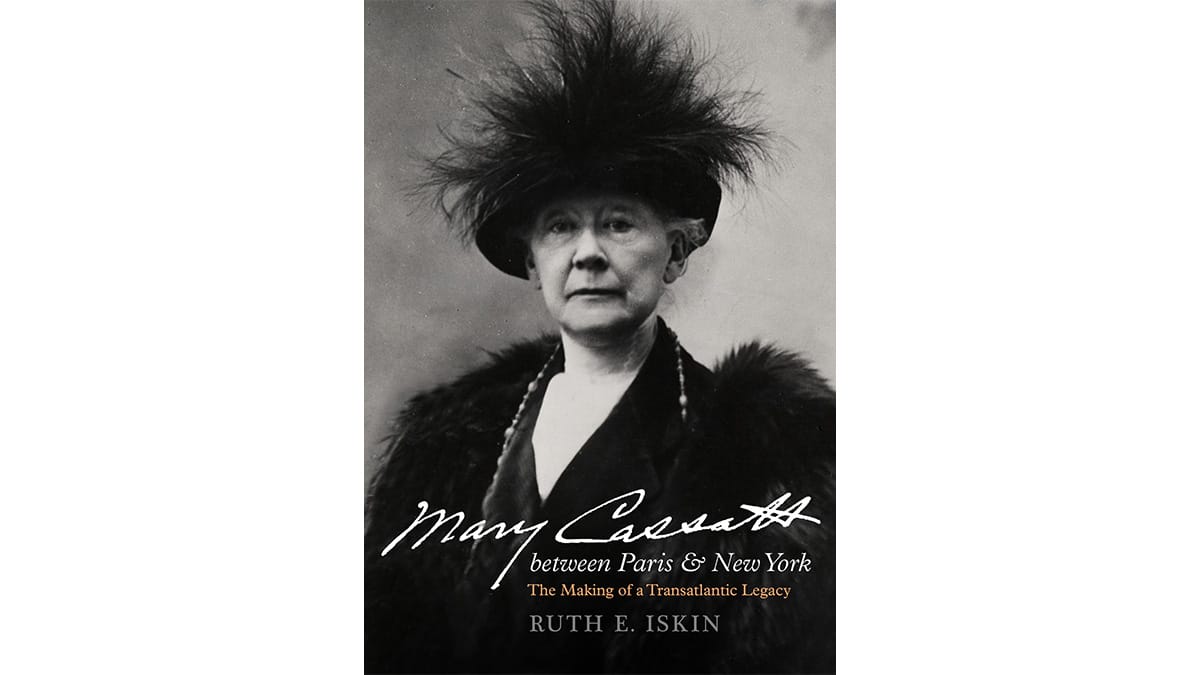
Mary Cassatt Between Paris and New York: The Making of a Transatlantic Legacy by Ruth E. Iskin | University of California Press, January 2025
I devoured Ruth E. Iskin's Mary Cassatt between Paris and New York. A voluminously illustrated new book about the artist by an important scholar would always be interesting to me. But what Iskin’s research reveals about the international push for women's suffrage, and Cassatt's involvement at home and abroad, was especially fascinating in light of attacks on women’s rights today. After Iskin, you’ll never look at Cassatt the same way again — less Madonna and Child and more Revolution Girl Style Now. —Bridget Quinn
Read the review by Sophia Stewart
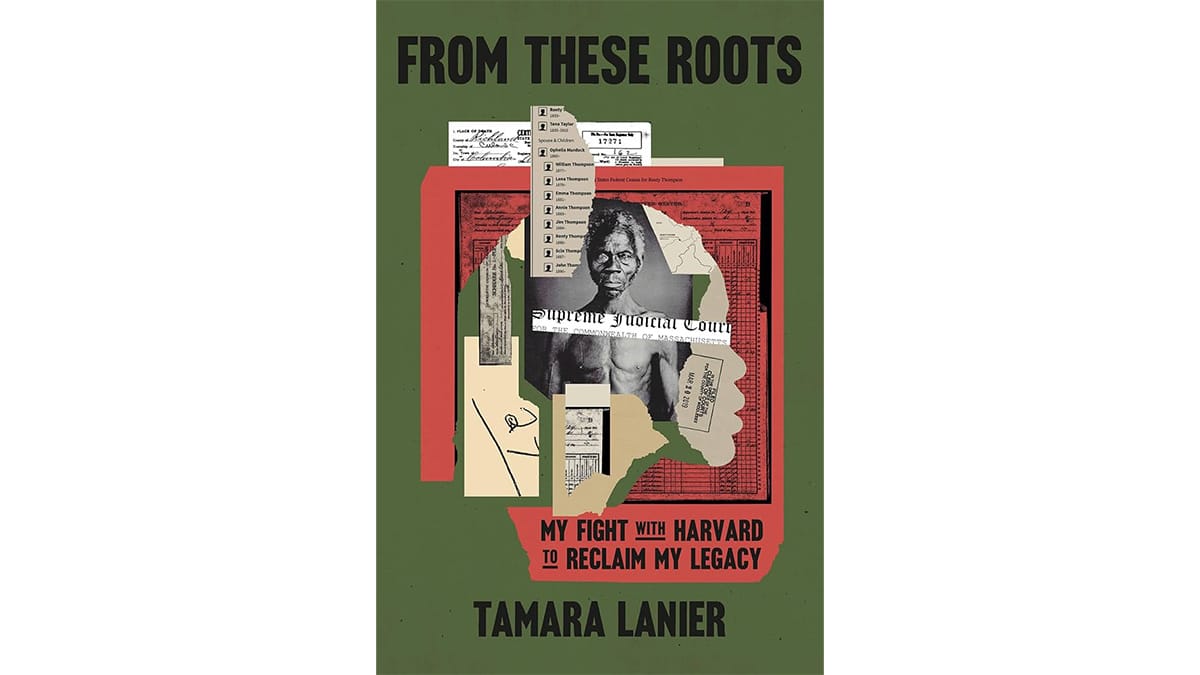
From These Roots: My Fight with Harvard to Reclaim My Legacy by Tamara Lanier | Crown, January 2025
This is the story of how one woman took on what may be the most powerful academic institution in the world … and won. The absolute victory is an addendum to this book, which appeared at a time when people were wondering if the Lanier family would ever be allowed to claim ownership over the 19th-century photographs of their enslaved ancestors, images that were taken without their permission and to justify the scientific racism of the period. An emotional read, Lanier's words lead you through an amazing tale of resilience and justice. —Hrag Vartanian
Read Tamara Lanier's interview with News Editor Valentina Di Liscia
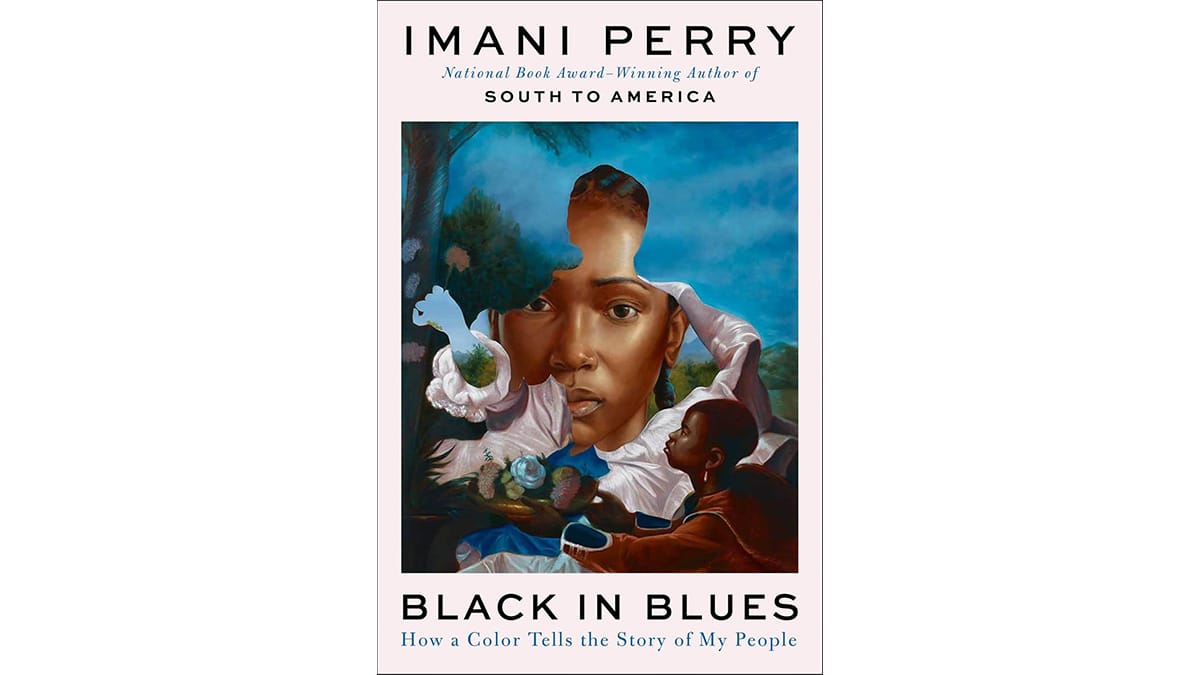
Black in Blues: How a Color Tells the Story of My People by Imani Perry | Ecco, January 2025
I’ve never read anything quite like Black in Blues, which blends history, visual studies, and memoir to lead us through intertwined narratives of Blackness and the color blue. Imani Perry’s South to America (2023) was one of my favorite reads of last year, and she brings her same precision of language to unravel the history of blue here. She writes that it’s a musical genre, a pigment, a commodity, a deep ocean carrying the history of the Middle Passage, a clear sky, a feeling. Perry’s mosaic of a book shows us that the color is more than we could’ve imagined. —Lakshmi Rivera Amin
Read the excerpt and the review by Chloë Bass
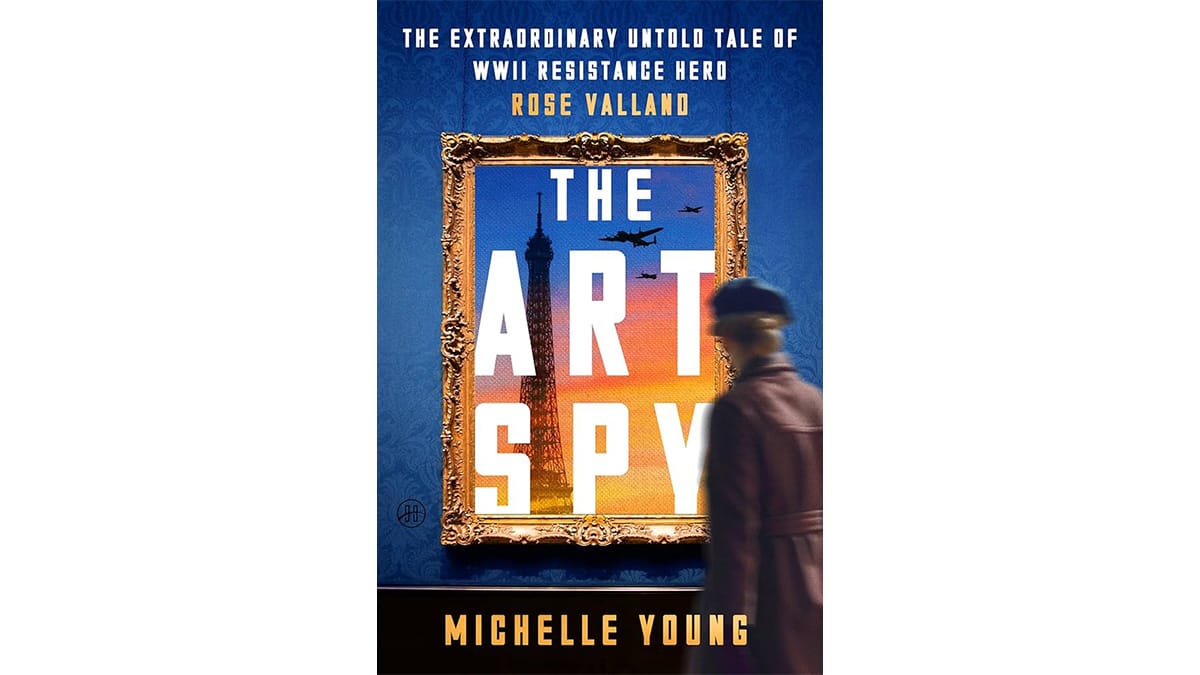
The Art Spy: The Extraordinary Untold Tale of WWII Resistance Hero Rose Valland by Michelle Young | HarperOne, May 2025
In a thrilling story about a French lesbian art historian and curator who helped safeguard hundreds of renowned paintings from destruction or looting by the Nazis, Michelle Young digs into the archives to tell a tense tale of intrigue and cultural heritage. Her prose is fun, the stories are wild, and we all need a good slice of queer history right about now, so take a look. —Hrag Vartanian
Listen to the episode of the Hyperallergic Podcast
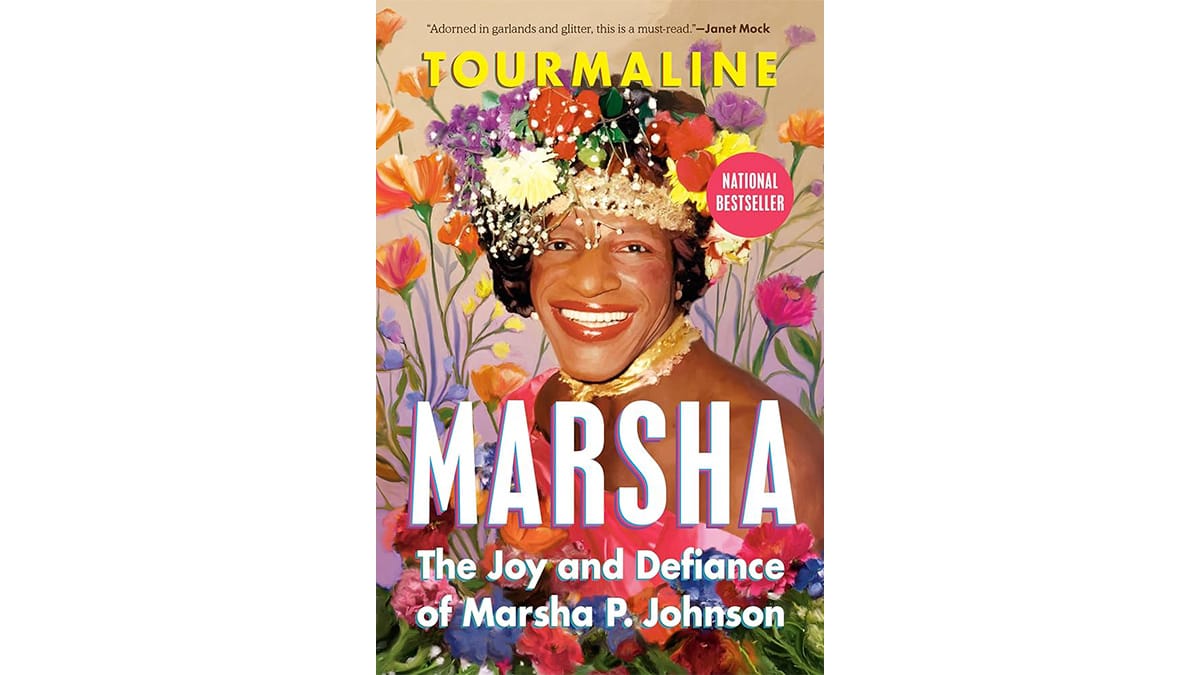
Marsha: The Joy and Defiance of Marsha P. Johnson by Tourmaline | Tiny Reparations Books, May 2025
Celebratory and reverent, this biography traces the life of Marsha “Pay It No Mind” Johnson, from her childhood in New Jersey to her activism in New York City. It honors her experiences as an activist, sex worker, artist, performer, mother, wife, and much more. Artist Tourmaline’s beautiful writing and rigorous research yield a captivating homage to one of the greatest icons of LGBTQ+ history. —Jasmine Weber
Art-World Fiction
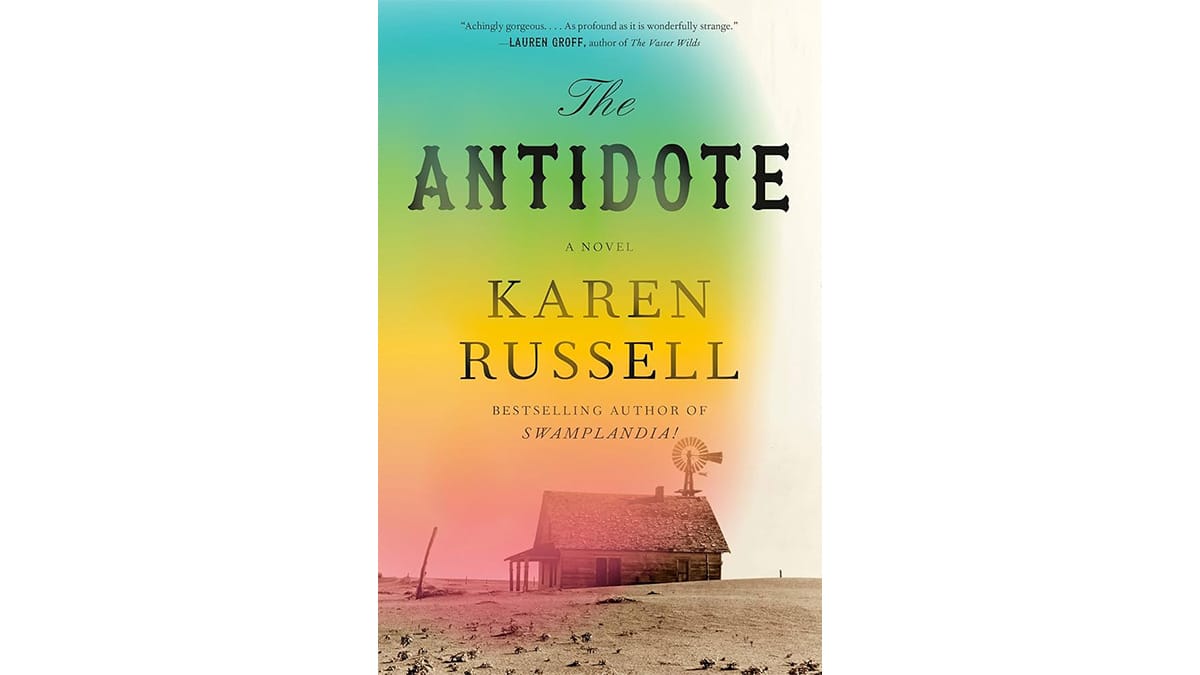
The Antidote by Karen Russell | Knopf, March 2025
Set in the dust-choked Plains during the Great Depression, this haunting yet hopeful epic follows a New Deal photographer and her enchanted camera, a farmer and his orphaned niece, a scarecrow, and the titular prairie witch, who serves as a “vault” where locals “deposit” secrets. Illuminating a willfully moth-eaten cultural memory at a generational scale, this tale kept me under its spell as it unfurled visions for a collective future, even in the bleakest of landscapes. —Julie Schneider
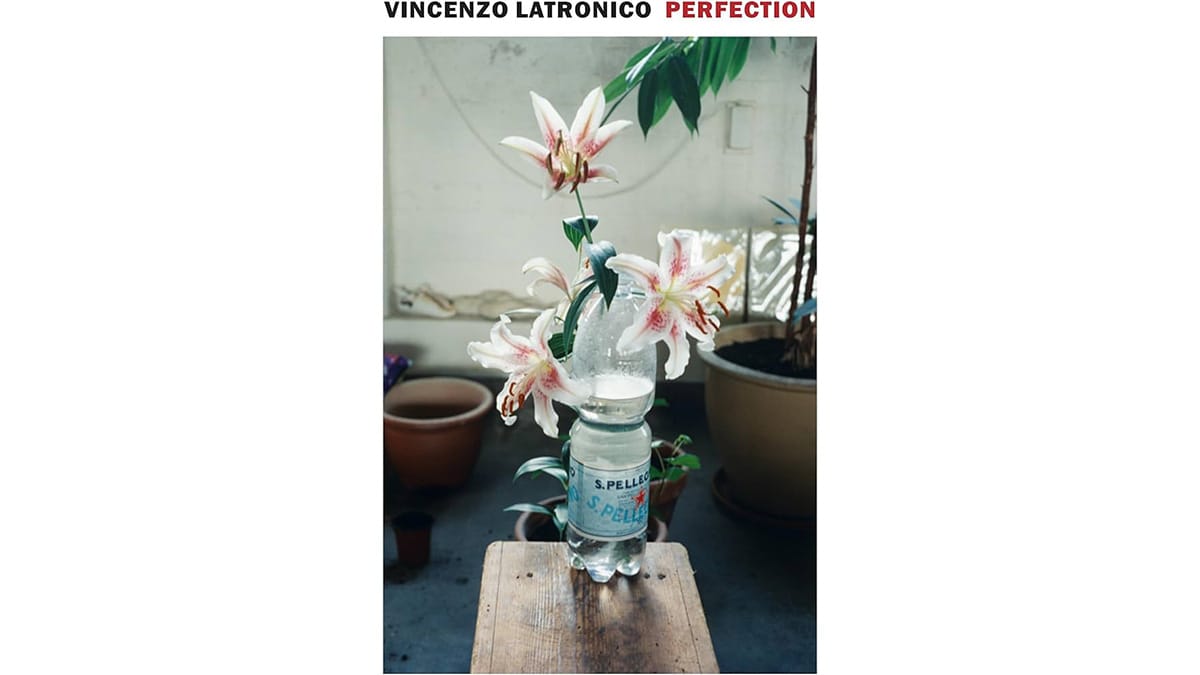
Perfection by Vincenzo Latronico, translated by Sophie Hughes | New York Review Books, March 2025
Perfection made me supremely uncomfortable; I loved it. Set in Berlin, or at least a version of it where a gallery is just another stage or social hub, this novel follows a vaguely artistic couple as they do, well, not much. It’s a vision of the world lived out via “aesthetics” disseminated on screens, which is to say it’s like looking in a damn mirror. —Lisa Yin Zhang, associate editor
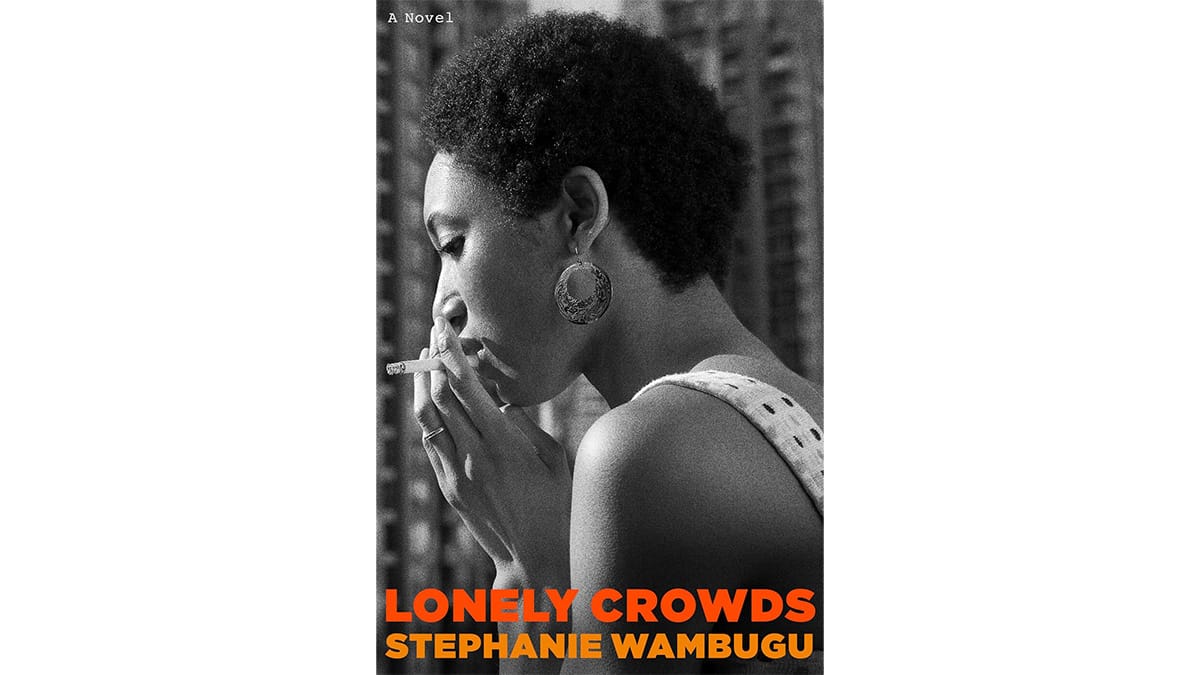
Lonely Crowds by Stephanie Wambugu | Little Brown and Company, July 2025
The all-consuming obsession of artmaking is an apt vehicle for Wambugu’s approach to the mania of interpersonal devotion. Protagonist Ruth’s fixation and near deification of her sometimes-friend Maria, from their schooldays in New England to the alienation and underhandedness of the 1990s New York City arts scene, felt desperately relatable. Lonely Crowds complicates the idea of the “muse,” exposing all the anguish it entails. —Jasmine Weber
Read the review by Sophia Stewart
Monographs and Catalogs
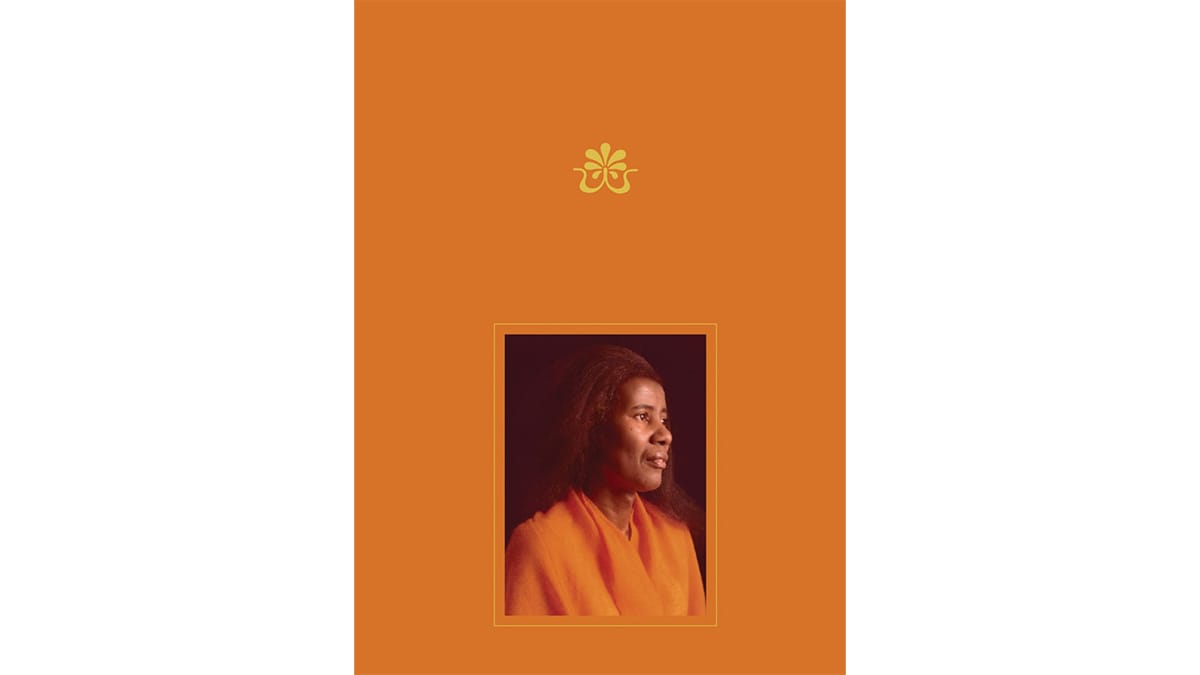
Alice Coltrane, Monument Eternal, edited by Erin Christovale | Delmonico Books, February 2025
Beautifully cloth-bound in the late Alice Coltrane’s signature orange hue, this collection of words and images carries the essence of a cultural juggernaut. Part-biography, part-interview, and part-roll call of the most exciting contemporary artists today, Monument Eternal continues and deepens the legacy of the musical and spiritual guru. Be careful, it just might heal you. —Nereya Otieno
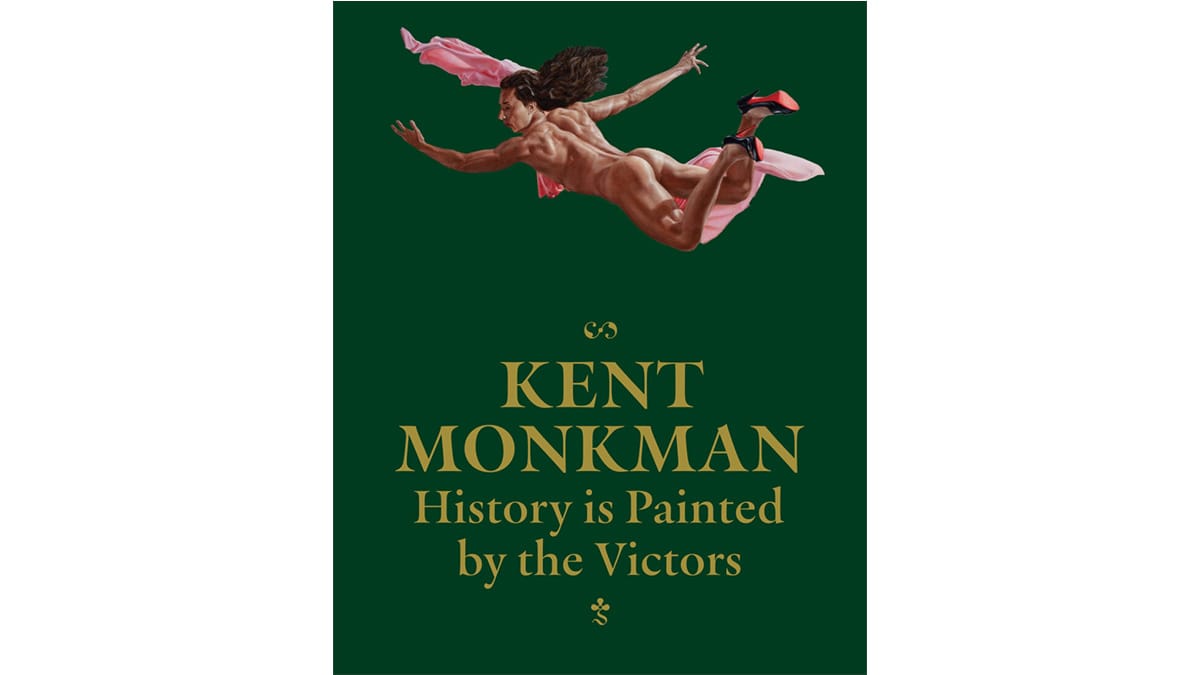
Kent Monkman: History Is Painted by the Victors, edited by John P. Lukavic and Léuli Eshrāghi | Delmonico Books, March 2025
A trickster of imagery, Monkman has famously inserted new narratives into museums the world over, spaces that long excluded First Nations stories and imagery. His paintings play with the European Old Master tradition and insert humor and sexuality in ways that make you reconsider the dynamics of the source imagery. —Hrag Vartanian
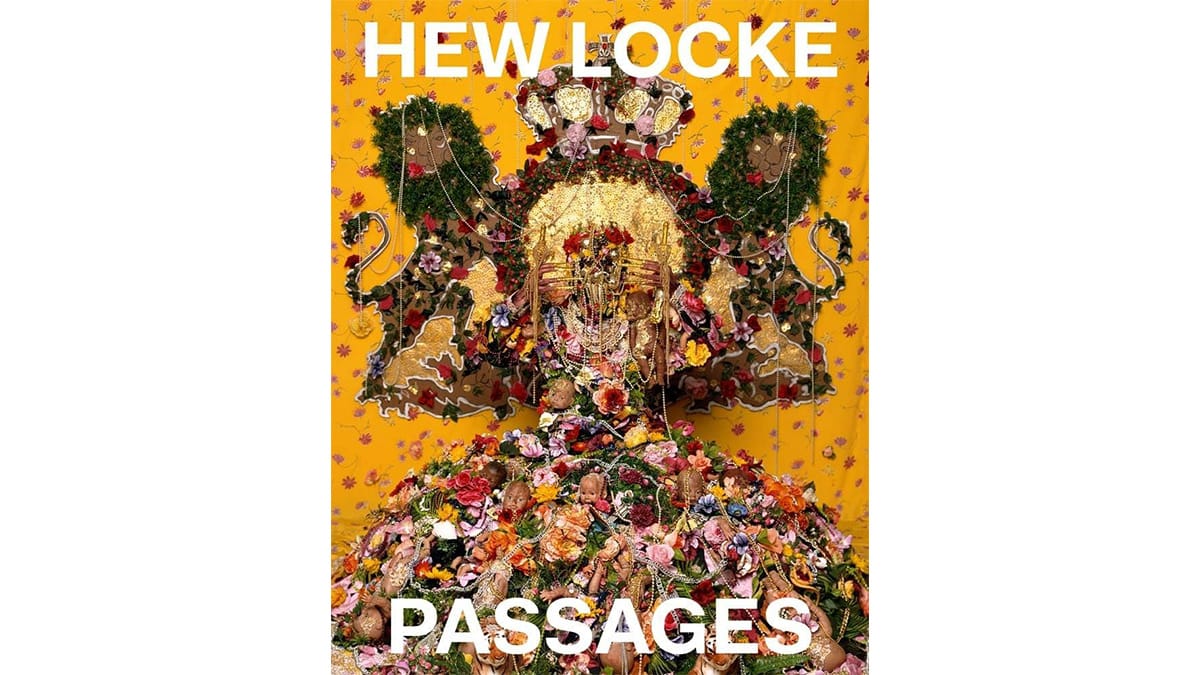
Hew Locke: Passages, edited by Martina Droth and Allie Biswas | Yale Center for British Art, September 2025
Some histories are best learned through an artist’s imagination. With true liberation still far off for billions on this earth, dismantling empire means also intervening in the objects and symbols that entrench its legacies. This, in a nutshell, is the work of Guyanese-British artist Hew Locke, whose practice is a masterclass in artistic truth-seeking. This valuable book pays dues to his illustrious, ever-growing repertoire. —Hakim Bishara
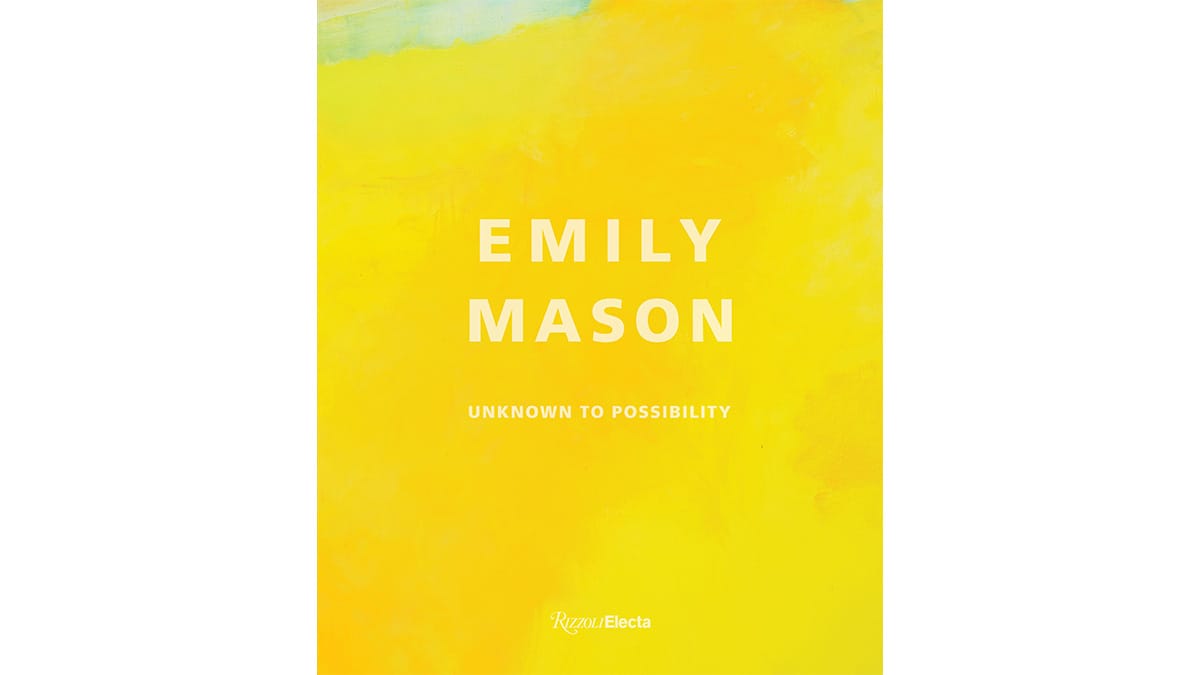
Emily Mason: Unknown to Possibility, edited by Elisa Wouk Almino |Rizzoli Electa, September 2025
This monograph on the late abstract painter Emily Mason interrogates and beautifies the conceptualization of artistic merit. Essays by those who knew her and were impacted by her, including a series of intimate letters from curator and writer Naz Cuguoğlu, coalesce to offer a poignant picture of why we’re drawn to Mason’s art and, more importantly, how we should honor artists who believe they will change us — because they do. —Nereya Otieno
Read the excerpt by Barbara Stehle
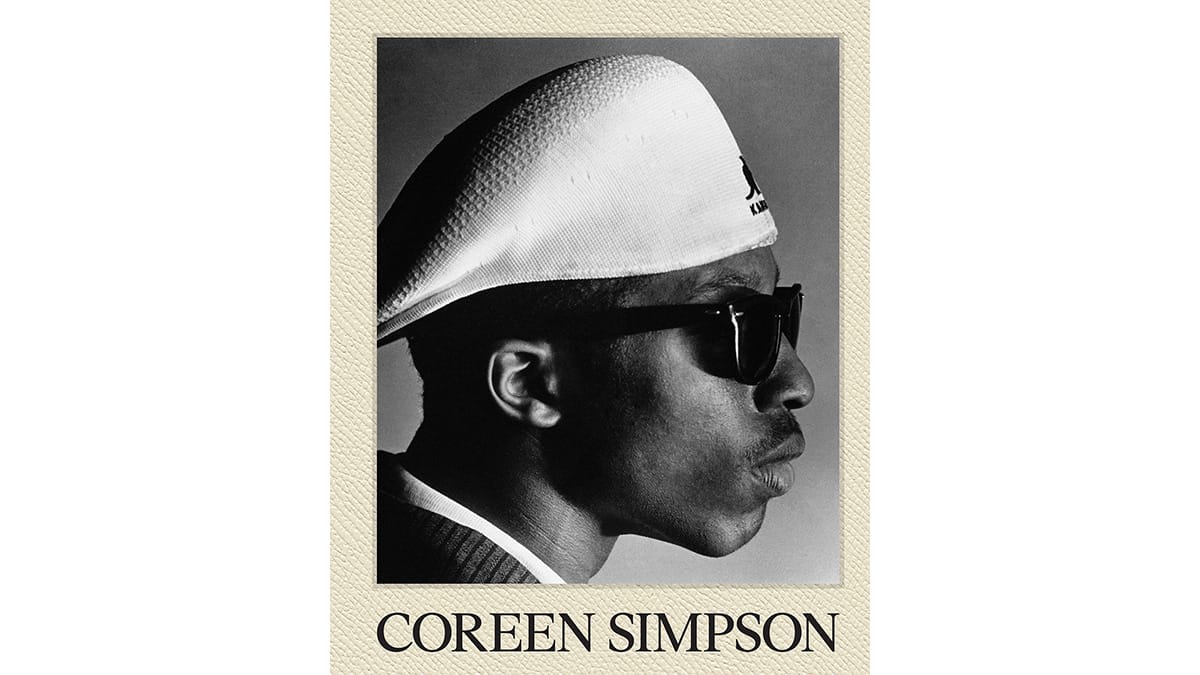
Coreen Simpson: A Monograph, edited by Sarah Lewis, Deborah Willis, and Leigh Raiford | Aperture, October 2025
Coreen Simpson’s photographs commemorate all facets of Black life — from nightlife to the everyday, the mundane to the surreal — in her portraits and collages. This monograph is a standout for not only its renderings of her beautiful oeuvre, but for engaging essays that ruminate on her place in imagining and solidifying Black stylistic, artistic, and cultural history. —Jasmine Weber
Artist Book and Archival Edition
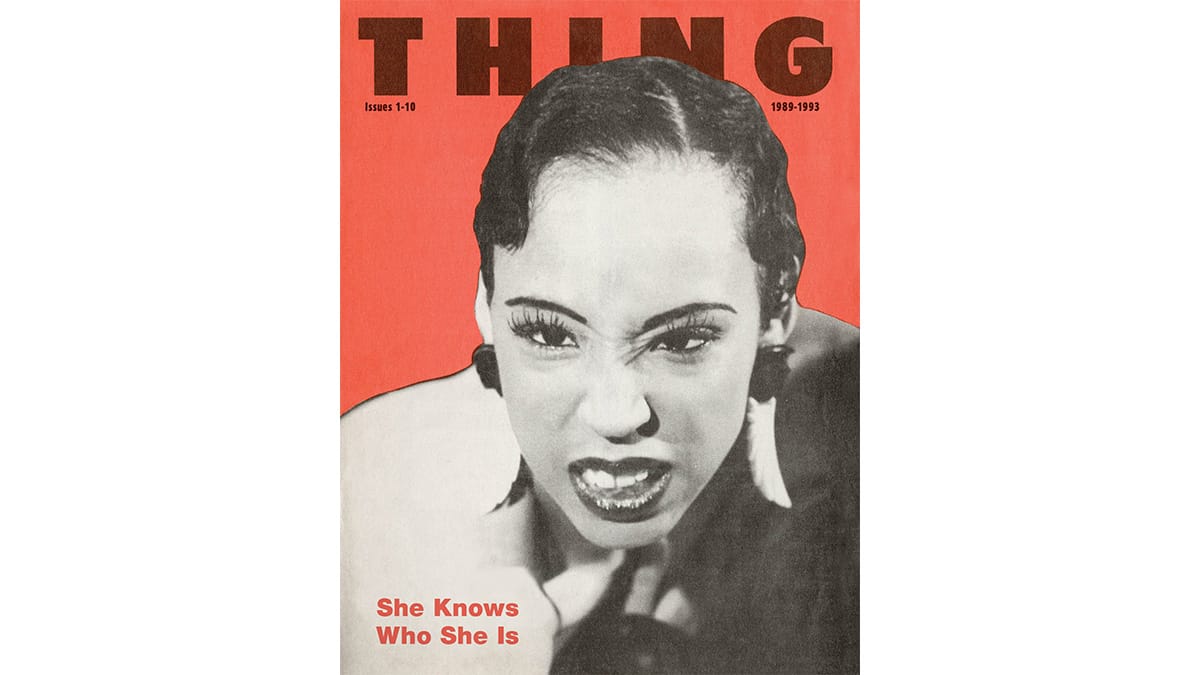
THING, edited by Robert Ford, Trent Adkins, and Lawrence Warren | Primary Information, February 2025
This book introduced me to the beauty of THING magazine and all its Black, queer glory. Inked on newsprint, its democratic medium allowed for a wide reach, and its writers expansively explored topics like ballroom, house music, visual art, fashion, religion, HIV/AIDS, and political activism. The magazine published just 10 issues between 1989 and 1993, but this collection by Primary Information presents it as the crucial beating heart of the underground Black music and art scenes of its generation. —Jasmine Weber
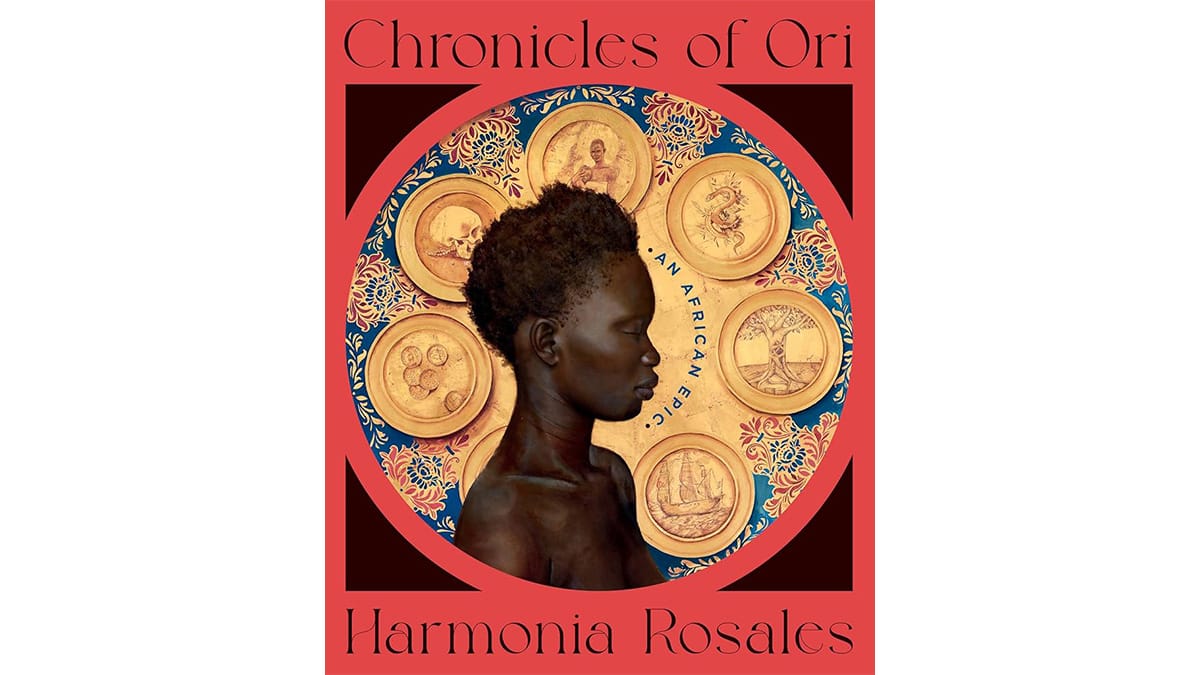
Chronicles of Ori: An African Epic by Harmonia Rosales | W. W. Norton & Company, October 2025
If you’re in search of a book with a narrative arc deep in primordial history and vibrant images that stir the hearts of every ancestor in your lineage, look no further. Artist Harmonia Rosales’s new book binds readers to the fantastical nature of our world and introduces an Afro-diasporic pantheon, weaving history and oral tradition. It is as natural perched on a child’s bedtime story pile as it is on your carefully curated coffee table. —Nereya Otieno
Honorable Mentions
In Open Contempt: Confronting White Supremacy in Art and Public Space by Irvin Weathersby Jr. (Viking, January 2025)
Celia Paul: Works 1975–2025 (MACK, March 2025)
Spent: A Comic Novel by Alison Bechdel (Mariner Books, May 2025)
William Blake and the Sea Monsters of Love: Art, Poetry, and the Imagining of a New World by Philip Hoare (Pegasus Books, May 2025)
Lessons in Drag: A Queern Manual for Academics, Artists, and Aunties by Kareem Khubchandani, with LaWhore Vagistan (Brandeis University Press, October 2025)