Procrastination Secrets? Find an Artist Buddy
LOS ANGELES — I'd been meaning to write a post like this for a while now. I've been thinking about the concept of "procrastiworking", i.e., how we can make productive use of our instinct to procrastinate.

LOS ANGELES — I’d been meaning to write a post like this for a while now. I’ve been thinking about the concept of “procrastiworking“, i.e., how we can make productive use of our instinct to procrastinate. But what else can we do? How can maximize our time as creatives, especially if our time for creative production is limited?
A new essay from Leo Babauta posted on Design Taxi offered some helpful advice:
Enjoy the process. When we dread something, we put it off — but instead, if we can learn to enjoy it, it won’t be as hard or dreadful. Put yourself in the moment, and enjoy every action. For example, if you want to go out to run, don’t think about the hard run ahead, but about putting on your shoes — enjoy the simplicity of that action. Then focus on getting out the door — that’s not hard.
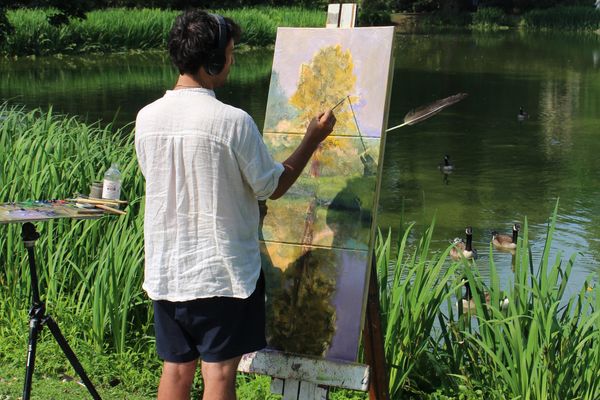
But there’s more. Babauta notes that sometimes we have to hold ourselves accountable. It’s often easy to set aside creative work, because the rewards aren’t so immediate. If we don’t paint for a few hours on the weekend, no one’s going to yell at us. And yet most of us are perfectly capable of meeting deadlines — when the consequences are obvious.
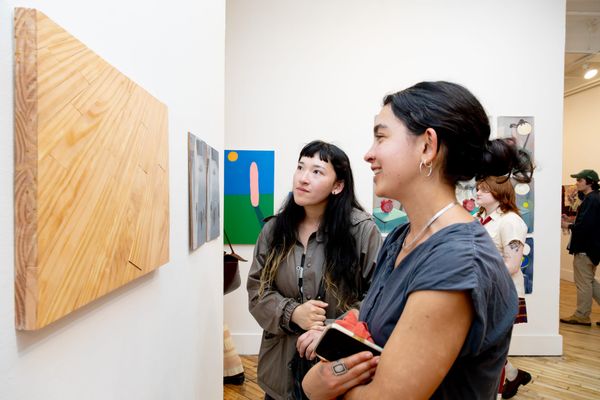
He has a point, I think: “If no one is looking over our shoulder, we tend to let ourselves slack off. So set up a procrastination-proof environment — find people to hold you accountable.” That could mean joining an arts group, find artist friends in your area and plan to get together to create work.
Or you could do my favorite thing: use social media. Commit to your followers that you’ll post regularly about your work. Post regularly and often, and start looking forward to the likes and comments as your work develops. It’s not a magic bullet but it helps.
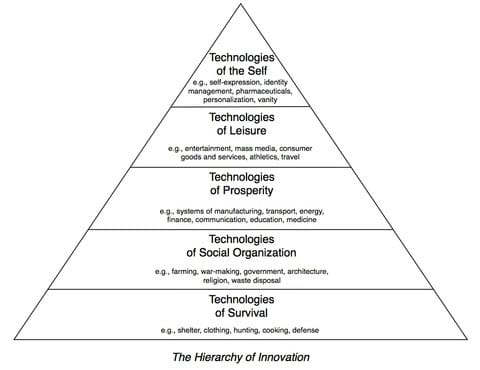
And it gets me thinking about Nicholas Carr’s notion of a hierarchy of innovation, similar to Maslow’s Hierarchy of Needs. It’s a useful construct to think of how we use technology to support our needs as people who need to work and eat and communicate, but also as people who want to express ourselves. Sometimes we need to leverage all these technology tools designed for socializing if we want to start innovating with our creative expression.