Remembering David Hockney, Duane Michals, and Danny Simmons
This week, we honor a painter who made the everyday otherworldly, a poet-photographer, and a champion of Black artists.

In Memoriam is published every Wednesday afternoon and honors those we recently lost in the art world.
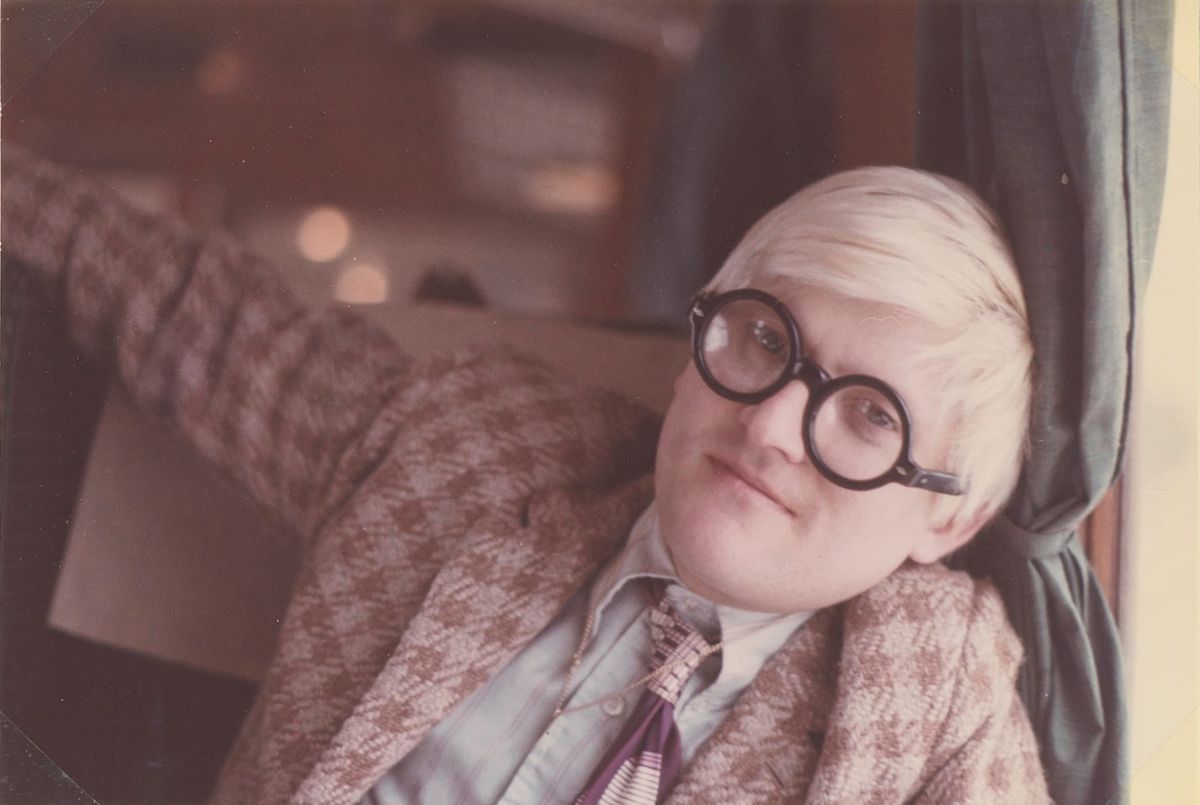
David Hockney (1937–2026)
British painter who made the everyday otherworldly
Best known for paintings that imbued the everyday with an otherworldly stillness, psychologically precise portraits, and crystalline pool scenes, Hockney also explored printmaking, photography — even stage design for ballet and opera — across his prolific career of more than half a century. He was also a pioneer of LGBTQ+ rights — one of the first popular artists to create work depicting gay relationships, and one of the few to publicly denounce censorship of queer imagery.
Robert Kuzovkov aka "Semyon Skrepetsky" (1981–2026)
Russian political dissident
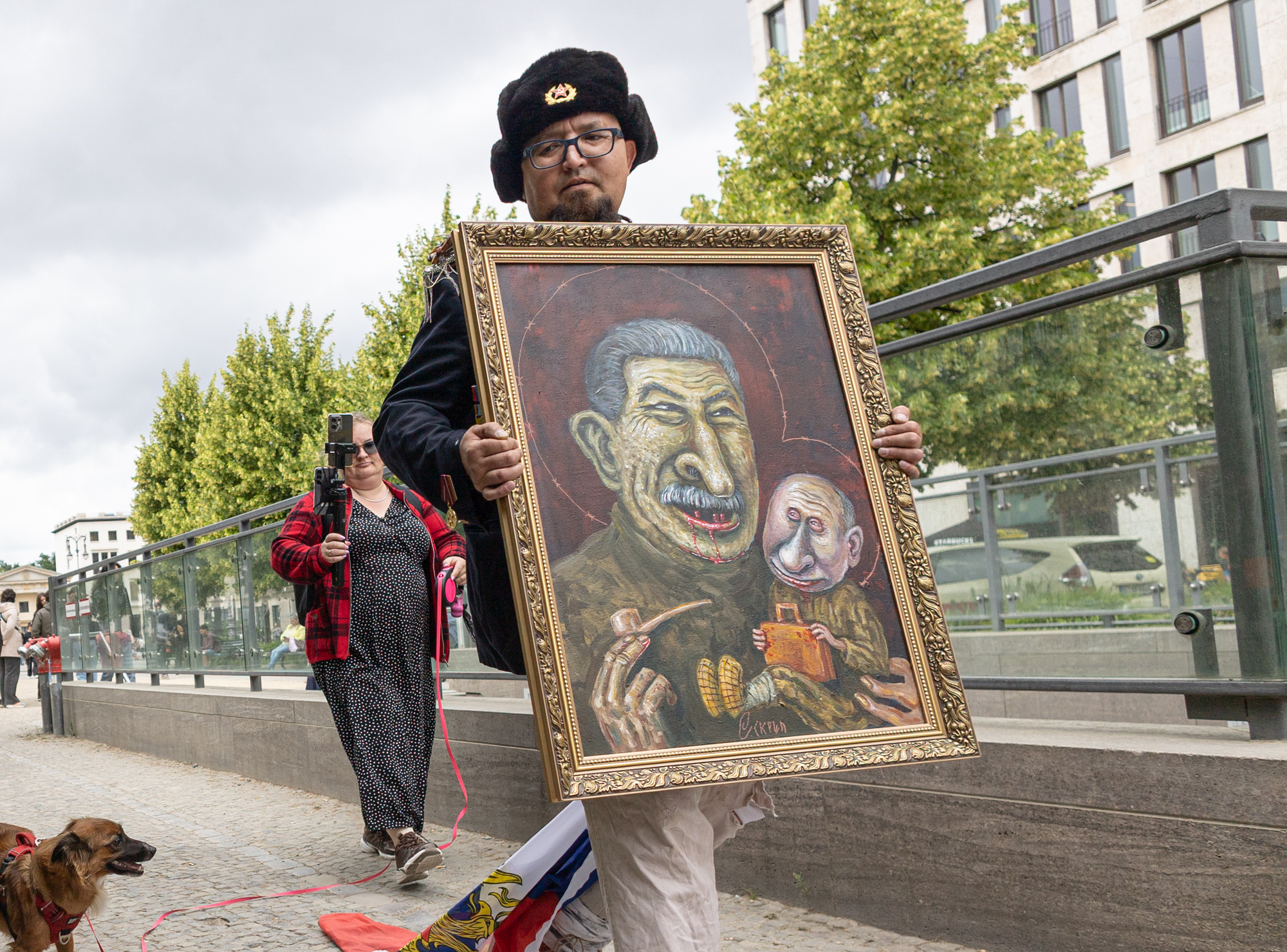
The Russian political dissident made artworks critical of the government, including oil paintings of President Vladimir Putin in compromising positions. He was killed in Biala, Poland, on June 13, a day after he protested outside the Russian Embassy in Berlin.
William Coupon (1952–2026)
Portrait photographer
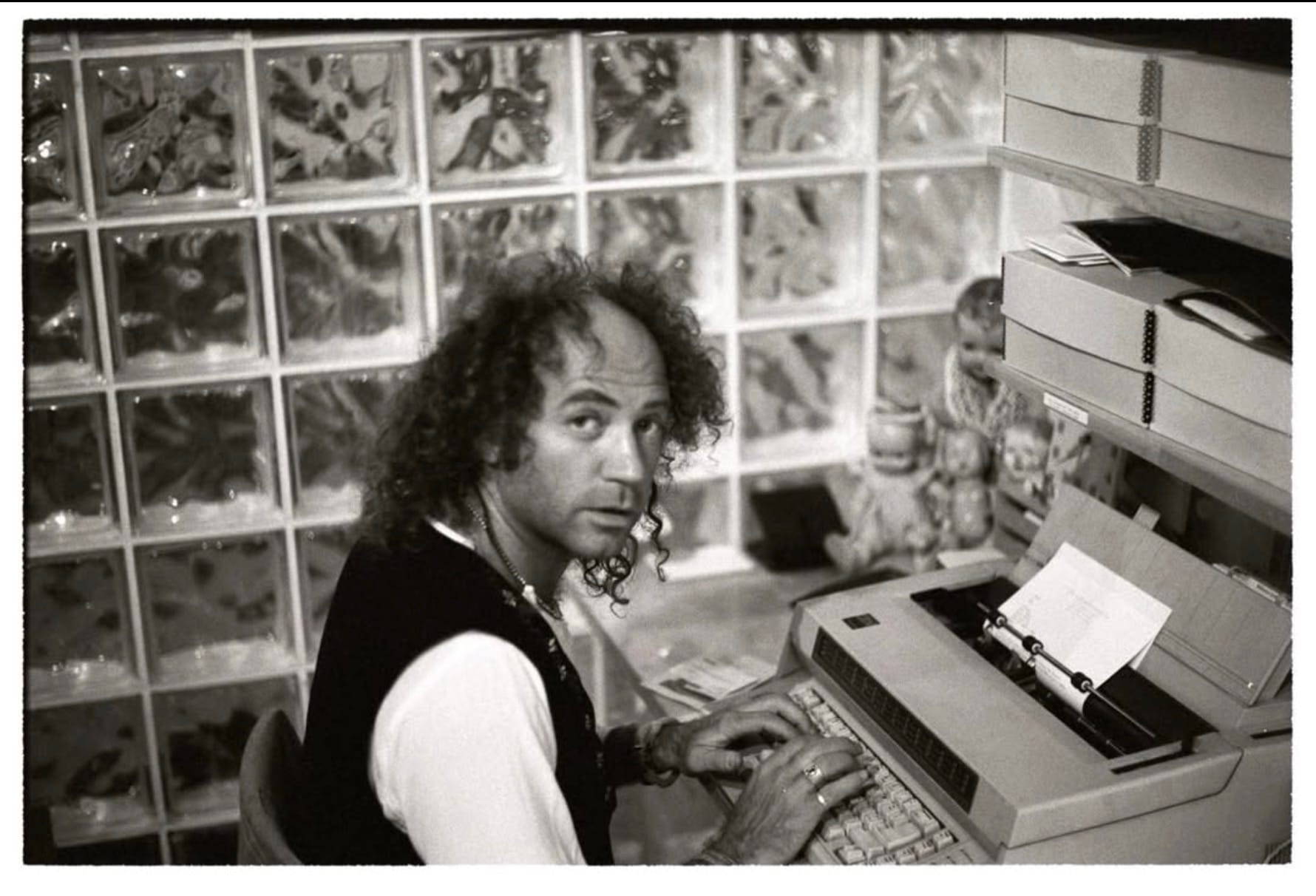
The self-taught artist photographed other artists, politicians, musicians, and many, many others in his quest to "photograph everyone in the world," as he put it. Some of his most famous assignments were documenting Andy Warhol's Studio 54, the punks of 1970s–'80s New York, and portraits of Jean-Michel Basquiat, Miles Davis, and Truman Capote.
Charles Dennis (1949–2026)
Performance artist and founder of PS 122
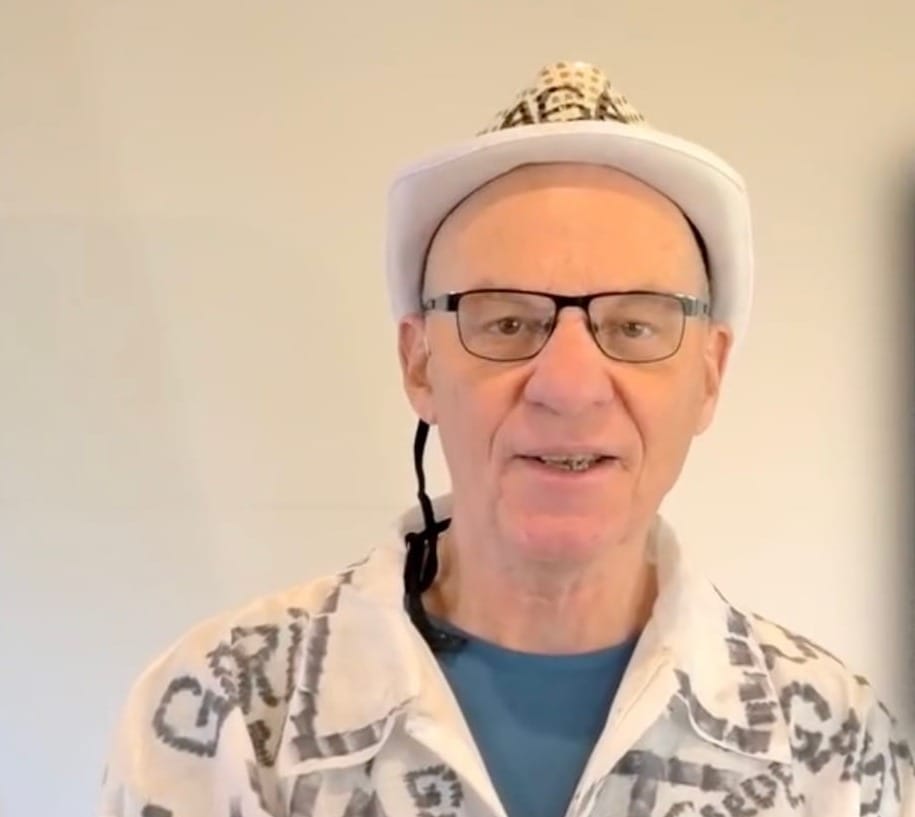
The experimental performance artist was part of Byrd Hoffman School of Byrds, serving as an ensemble dancer for productions led by the likes of Robert Wilson and Philip Glass, before pursuing a solo career in what he dubbed "physical theater." He co-founded the downtown Manhattan performance center PS 122, a mainstay of a then-gritty, subversive East Village.
Duane Michals (1932–2026)
Poet-photographer
He combined enigmatic texts with cinematic, multi-frame photographs to create moral parables and poetic meditations. He held solo exhibitions and retrospectives at the Museum of Modern Art, the Morgan Library, the Carnegie Museum of Art, and more. He was also a commercial photographer, shooting album covers and ad campaigns for stars such as Tilda Swinton, Robin Williams, and Jacob Elordi.
"The only regret I will have when I die is that I will miss all the work I haven’t done," Michals said in an interview in June. "But also ... I have done everything — not everyone — but everything I've always wanted to do."
Hiromitsu Morimoto (1942–2026)
Japanese photographer of the sensuous and surreal
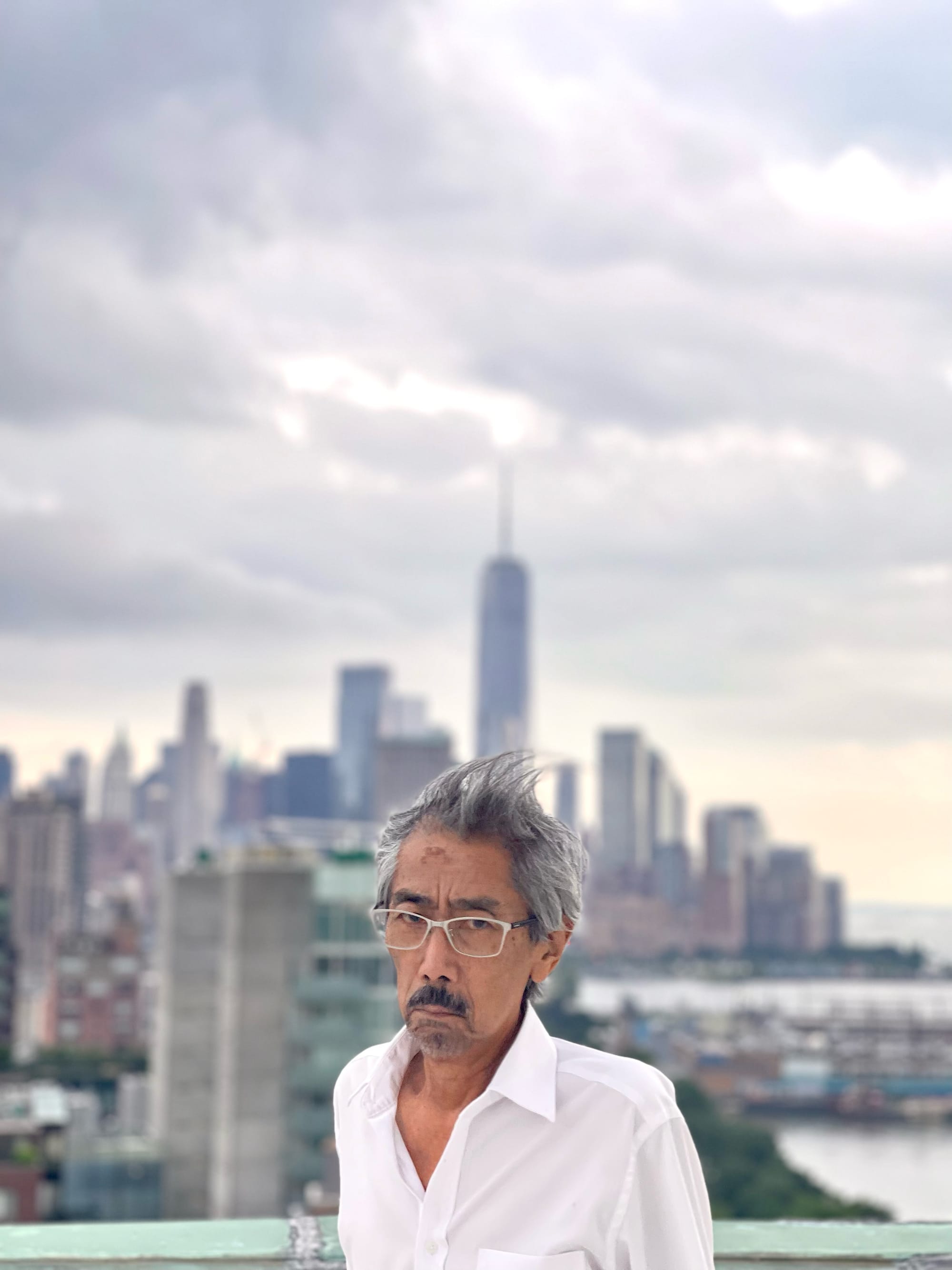
His black-and-white photographs were stark, sensuous, and occasionally surreal. He showed at venues and institutions such as the Massachusetts Institute of Technology and the São Paulo Biennial, and his works are held in the collections of the Museum of Modern Art, the Philadelphia Museum of Art, the National Museum of Modern Art, Tokyo, and more.
David Plowden (1932–2026)
Chronicler of a disappearing industry
His photographs captured railroad locomotives and other aspects of vanishing American life. He published more than 20 photography books, and his works are held in the collections of the Art Institute of Chicago, the Amon Carter Museum of American Art, the National Gallery of Art, and more.
Danny Simmons (1953–2026)
Abstract expressionist and champion of Black artists
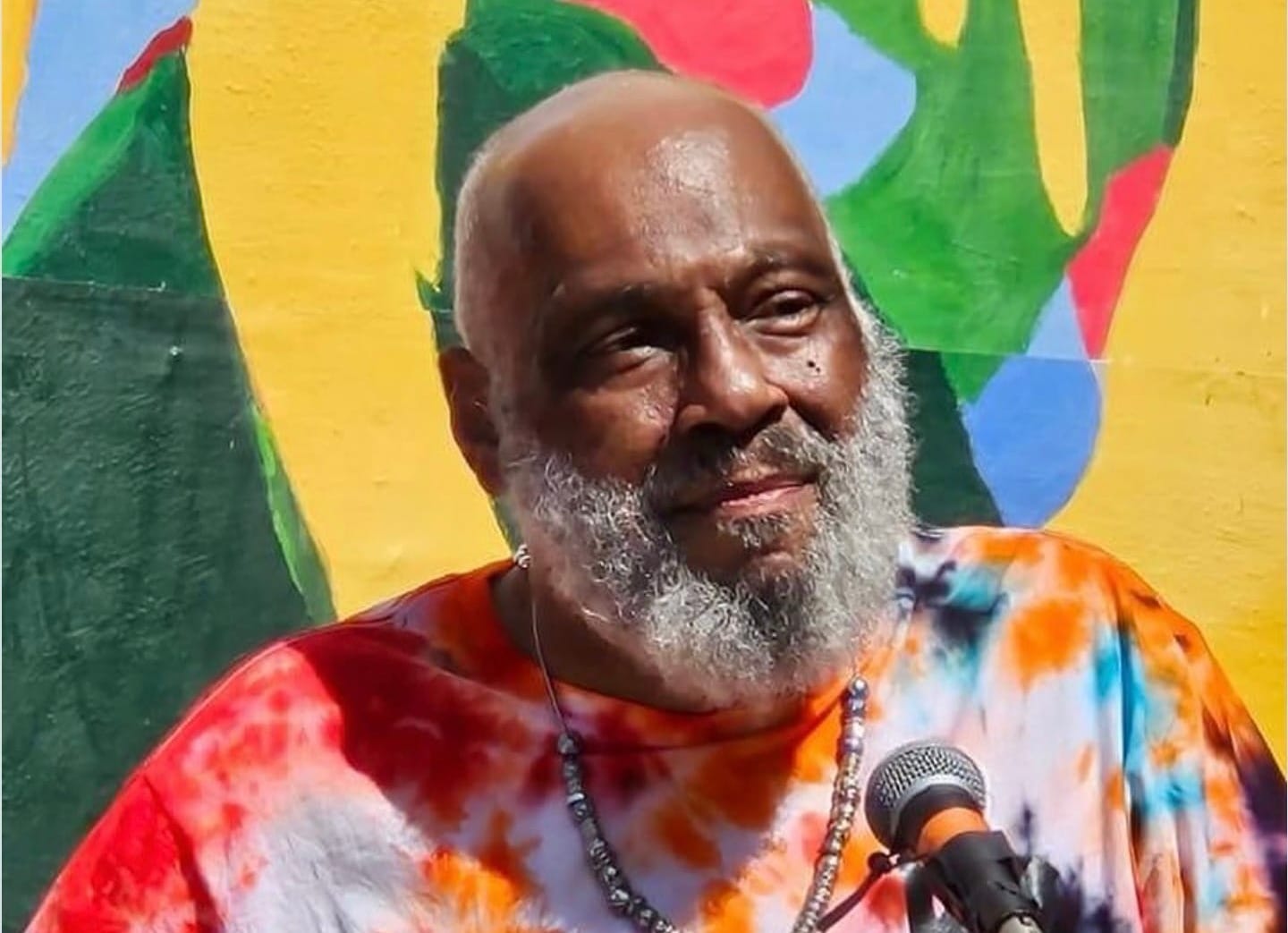
The abstract expressionist's paintings are in the collections of the Brooklyn Museum, the Schomburg Center for Black Culture, the Smithsonian, and more. With his brothers, the rapper Joseph "Rev Run" Simmons and hip-hop artist Russell Simmons, he founded the arts nonprofit Rush Philanthropic Arts Foundation in Philadelphia, which showed notable Black artists like Simone Leigh, Kehinde Wiley, and Sanford Biggers.
Joan Witek (1943–2026)
Curator and painter who plumbed the color black
Across a more than half-century painting career, she landed on a visual language of abstraction centered exclusively on the color black. In the 1960s, she worked in curatorial roles at the Brooklyn Museum, Queens Museum, and Metropolitan Museum of Art, and she was a key presence in the downtown 1970s art world.