RIP Vermeer, You Would’ve Hated AI
A biography of the Dutch painter misses the mark, Ed Simon reacts to Anthropic’s book-pulping, and more.

Every book is a record of the life of the people who thumbed through it, the binder who secured its pages in place, the designers who chose its cover and typeset. So, when news emerged that Anthropic scanned and destroyed out-of-print titles to train Claude, it felt like a gut-punch to the very spirit of storytelling and artmaking that has always sustained our humanity.
This week, author Ed Simon articulates the fascist logic behind this destruction, and reminds us why we must keep reading, writing, and critiquing in the face of it. Writer Natasha Seaman, for one, had mixed feelings about a new book on Vermeer, who has amassed a devoted following in part because his personal history still largely remains a mystery. Read her sharp review of the biography below, plus the latest in art book news.
As for me, I’m counteracting the technocracy’s affront on books by revisiting old favorites (Pride & Prejudice, yes, I am an Austenphile) and discovering new ones (Valeria Luiselli’s Beginning Middle End and Jennifer Higgie’s Bedlam). Put that in your algo and smoke it, Anthropic.
—Lakshmi Rivera Amin, associate editor
AI Companies Are Pulping Our Humanity
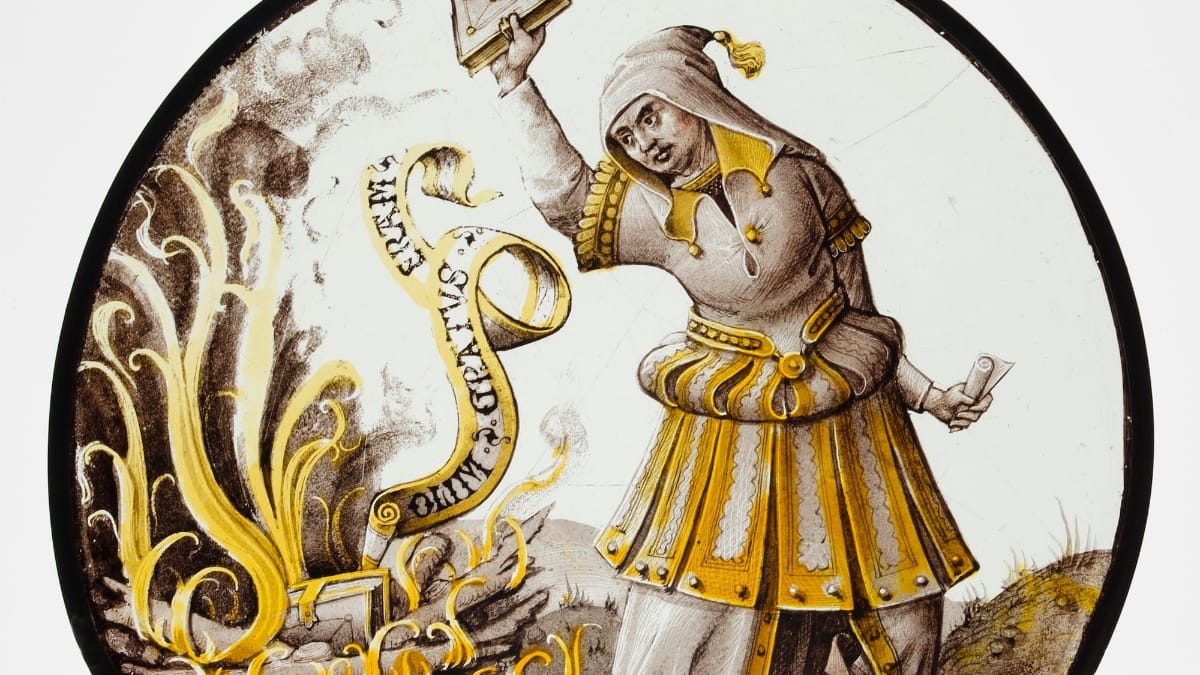
After Spanish physician and theologian Michael Servetus was burnt at the stake in 1553 for religious heresy, only three surviving copies of his The Restoration of Christianity would be spared from the bonfire. One particular copy, now held by the University of Edinburgh library, is ironically believed to have been personally saved by the Protestant leader John Calvin, who was responsible for Servetus’s execution in Geneva. Anyone familiar with Calvin, who bragged in a letter that he had “purged the Church of so pernicious a monster,” knows that the book wasn’t preserved due to affection for Servetus, but rather a bibliophile’s sentiment — even a doctrinaire, zealous, tyrannical bibliophile.
And yet, as bizarre as Calvin’s motivations might have been, he’s still not as noxious as the artificial intelligence companies, including Anthropic, that have been involved in bulk purchasing, digitizing, and then pulping out-of-print books to train their large language models. Calvin at least had the excuse of his God; AI companies don’t even have that. | Ed Simon
Read MoreFrom Our Critics
The Fruitless Search for Vermeer’s Personal God
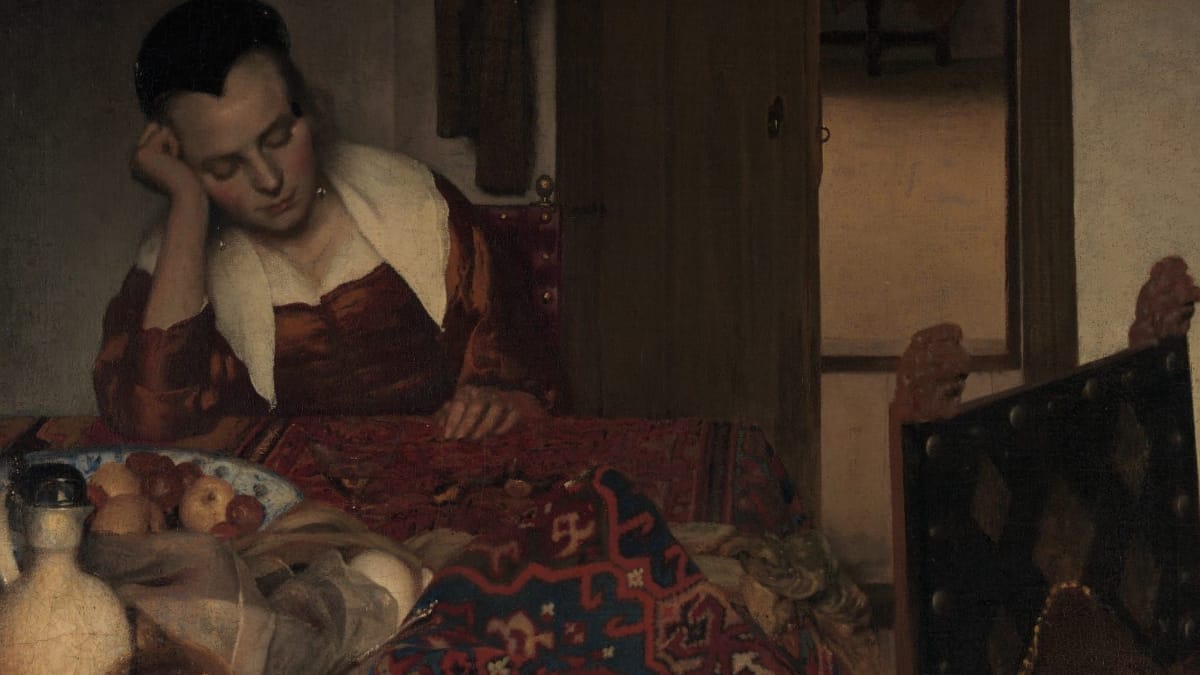
A recent biography spends too much time speculating about the Dutch artist’s religious beliefs and not enough exploring other mysteries, including his possible use of a camera obscura. | Natasha Seaman
Read MoreNews From the Book World

- The German publishing giant Steidl Verlag, known for photobooks by leading artists including Nan Goldin, Gordon Parks, Walker Evans, and Joseph Beuys, is facing an uncertain future after coming close to bankruptcy.
Member Comment
As someone tasked with the liquidation of an artist’s estate, I can tell you that many, many beautiful books are going to go into the trash this year, without the help of the marauding industries of AI. Library simply do not want book donations, as a rule.
—Sally Eckhoff on "AI Companies Are Pulping Our Humanity"
From the Archive
The History of Blackness Is Entwined With Blue
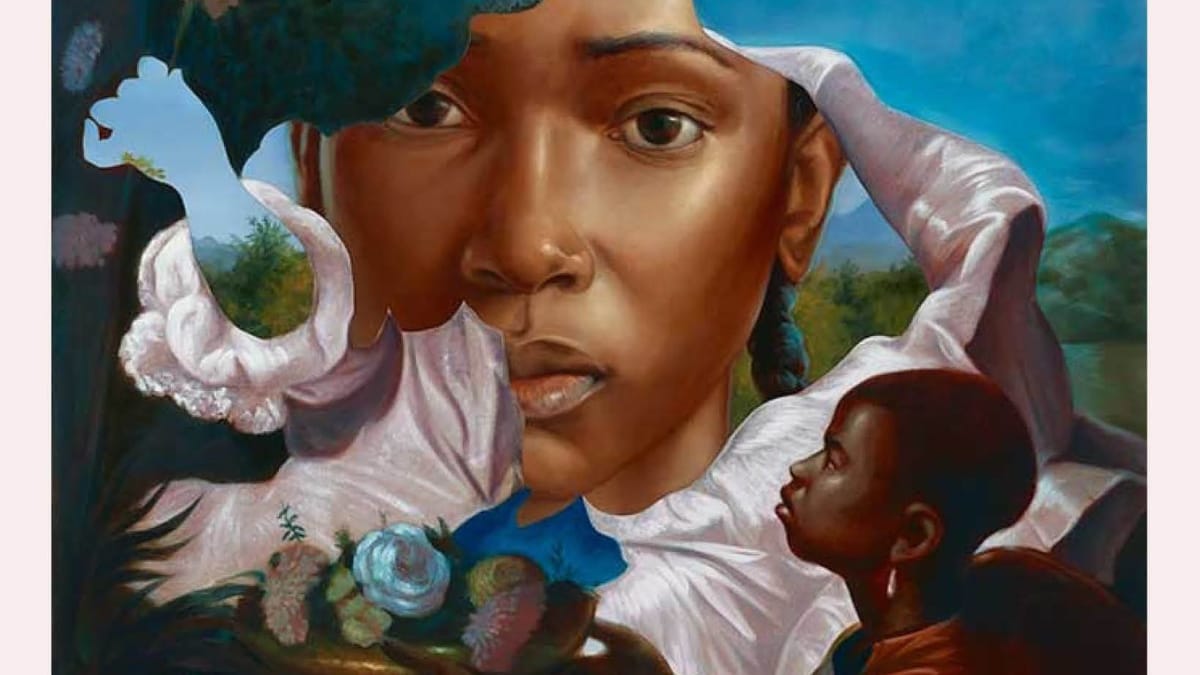
Manet’s portrait of Jeanne Duval reveals how racism trains us to see colors in particular and sometimes contradictory ways. | Imani Perry
Read More