South Africa Pulls Out of Venice Biennale
Turns out Gaza broke the country's art world, too.

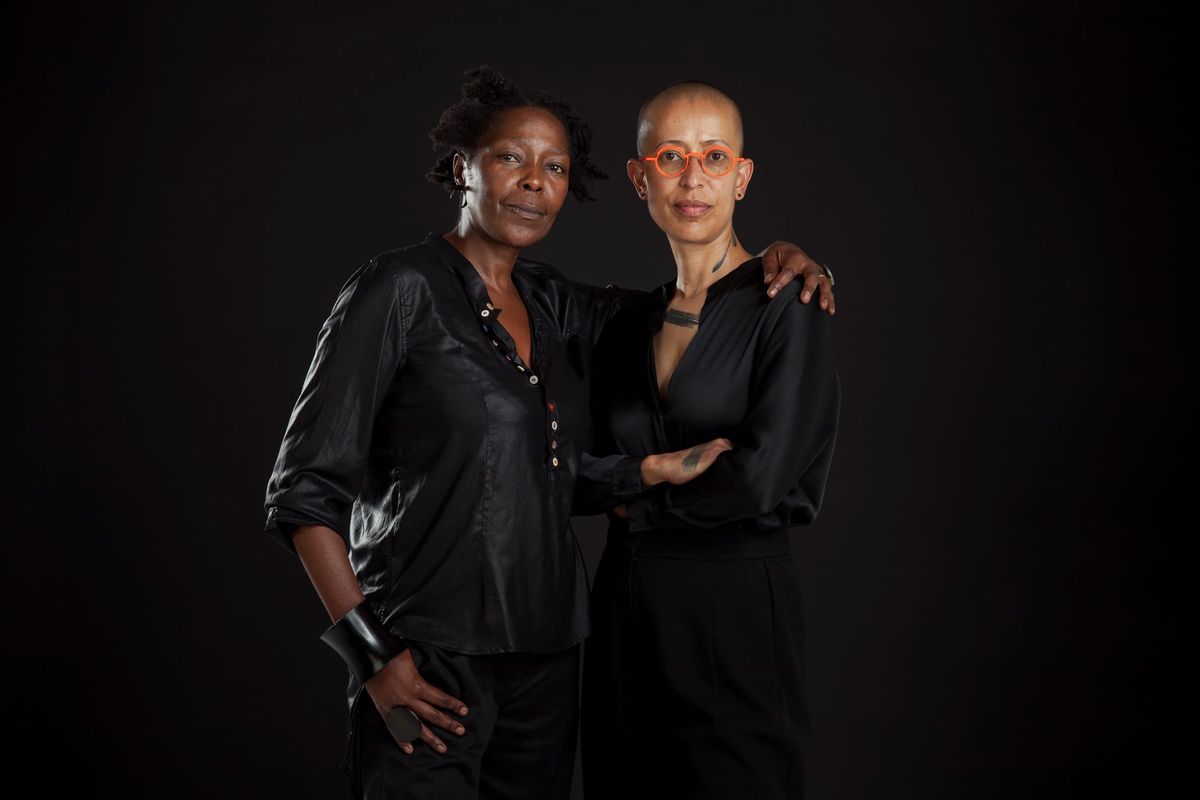
South Africa has withdrawn its participation from the 2026 Venice Biennale following a months-long dispute over an artwork addressing Palestinian grief in Gaza.
The move comes after the country's right-wing culture minister Gayton McKenzie scrapped a pavilion proposal by artist Gabrielle Goliath and curator Ingrid Masondo. An independent committee had selected the artist and curator in December to represent the country at the international art event. The two had proposed including a performance centering Gaza.
Goliath and Masondo had planned to memorialize the lives of Gazans killed by the Israeli military, including the poet Hiba Abu Nada, as part of the ongoing performance series Elegy. The duo also planned to reference femicide in South Africa and the German-perpetuated Herero and Nama genocide in Namibia during the early 20th century.
But in January, McKenzie halted Goliath and Masondo’s participation, arguing that the national pavilion “should not be used to amplify similarly divisive global disputes that do not center South Africa’s own story.” Goliath and Masondo’s dismissal was immediately met with opposition and accusations of censorship.
“It is nothing short of shameful for the Department of Sport, Arts and Culture to have announced that South Africa will not be presenting a national pavilion at the Venice Biennale this year,” Goliath and Mosado said in a statement shared with Hyperallergic. “The space will remain empty: a space of erasure, cancellation, censure.”
McKenzie's office has not yet responded to Hyperallergic’s requests for comment on the withdrawal.
Shortly after McKenzie pulled Goliath and Mosado’s pavilion in January, the duo sued the cultural minister in a South African court for making “unlawful attempt” to “censor and silence” their work. Earlier this week, however, a judge dismissed their case in a two-sentence ruling, according to a statement shared with Hyperallergic by a spokesperson for the duo. The judge also ordered Goliath and Mosado to pay the government’s lawyers' fees.
Goliath and Mosado told Hyperallergic that they intended to appeal the decision, arguing that the ruling “jeopardise[s] the rights of artists, curators and creatives in South Africa to freedom of expression.”
McKenzie’s actions to dismantle the Gaza-inclusive pavilion appear to represent an uncommon position within the South African government. Three decades after the official end of Apartheid, the South African government brought Israel in front of the International Court of Justice in 2024 for perpetuating the crime of genocide in Gaza in an ongoing landmark human rights case.
The final deadline for countries to submit their pavilion proposals was January 19, days before Goliath and Mosado filed their lawsuit.
“Elegy sounds a call to mourn, to refuse conditions of disregard and to assert black, brown, indigenous, femme, queer, and trans lives as lovable and grievable,” Goliath and Mosado wrote in their statement. “That call will not be silenced.”