Testicle Art Is So Back
A recent history of “disco balls” and its precursors; plus, Ed Simon on why we should be alarmed about Lonnie Bunch’s resignation.


When country singer Kacey Musgraves appeared onstage atop a pair of sparkly testicles during her Middle of Nowhere Tour, we immediately conjured Alexandra Rubinstein’s gonad-shaped “disco balls,” which our own co-founder Hrag Vartanian admired at the 2024 Spring Break Art Show. It turns out that many artists walked so that Musgraves could, you know, sing on top of deez nuts. Today, Associate Editor Phillip Pyle traces the exquisitely subversive, irreverent history of testicle art, from Phillip Guston to Pippa Garner.
Also today, Ed Simon sounds the alarm about Smithsonian Secretary Lonnie Bunch's resignation. The museum leader dedicated his career to education and public engagement with Black history, Simon writes, while conservative “scholars” like the Heritage Foundation president studied it only to ensure its erasure.
—Valentina Di Liscia, senior editor

Lonnie Bunch’s Resignation Is a Wake-Up Call
In 2003, a PhD candidate at the University of Texas at Austin successfully defended a dissertation based on meticulous research across French, Spanish, and English. Kevin D. Roberts’s Slaves and slavery in Louisiana: the evolution of Atlantic world identities, 1791-1831 articulated an argument about how enslaved people resisted bondage by forming alternative social and cultural structures, contending that Black Americans “employed a variety of tools — cultural traditions, secret and overt resistance, and a distinctive ideology of politics ‘from the ground up’ — to tweak, alter, and challenge” white supremacy. | Ed Simon
Read More
Announcing the 2026 Rabkin Prize Winners
The Rabkin Foundation celebrates the creative and intellectual contributions of today’s art writers, with eight unrestricted awards of $50,000 each.
News

- Workers carry out a massive strike at the Victoria and Albert Museum in London, citing “Amazon-style” labor conditions at its V&A East Storehouse.
- A new study finds that trust in museums is rising across partisan lines.
Features
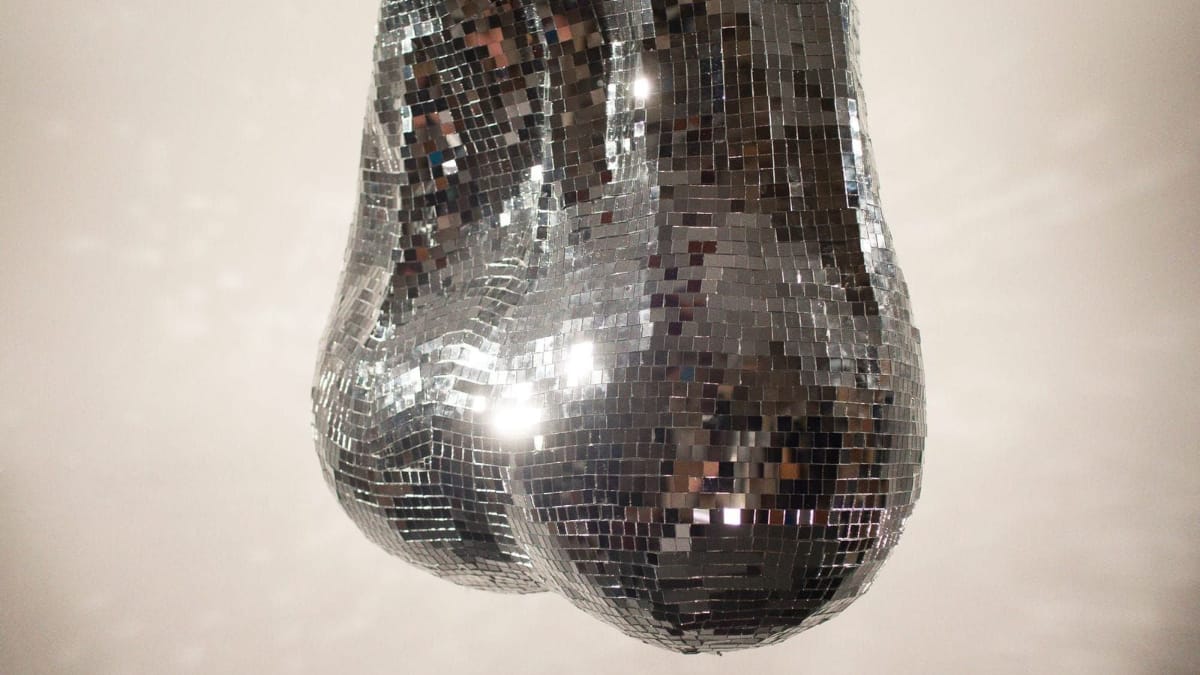
A Brief History of Testicle Art
Kacey Musgraves’s viral disco balls moment points to a lineage of artists whose use of the genital form is camp-as-critique. | Phillip Pyle
Read MoreWomen Painters Lead Brazil’s New Wave of Figuration
Panmela Castro, Agrade Camíz, Márcia Falcão, Maya Weishof, and Gokula Stoffel are five artists at the helm of the revival. | Ela Bittencourt
Read More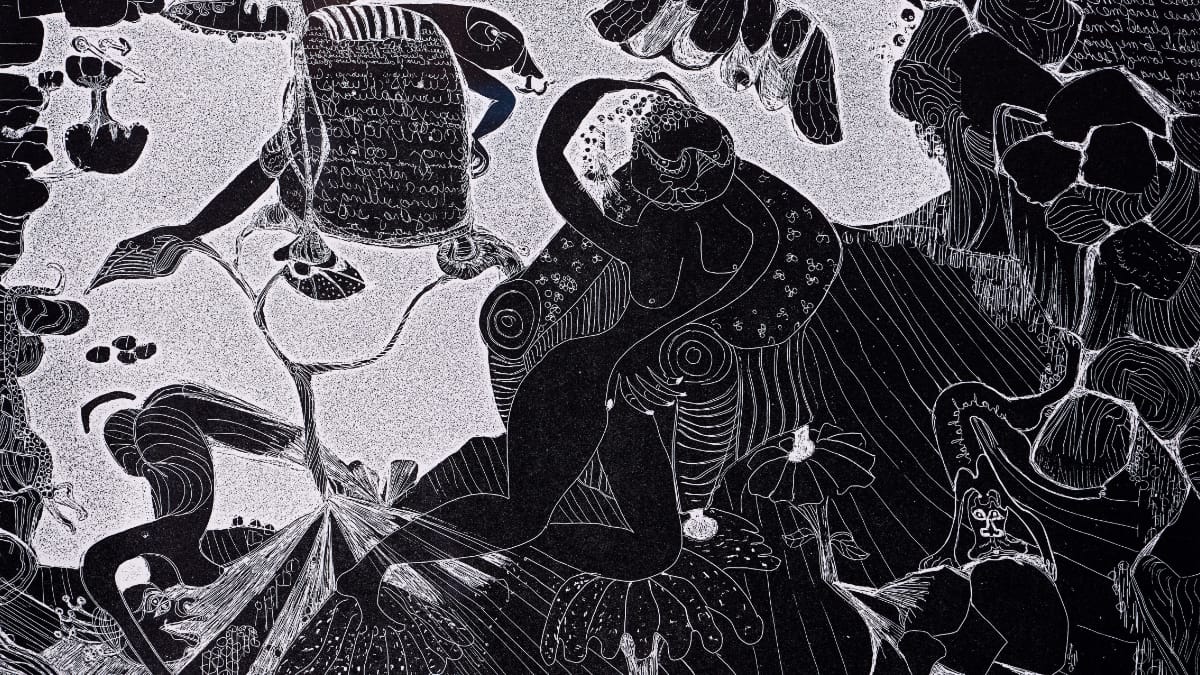
Voices in Print: New Jersey Black Women Printmakers Shaping the American Narrative
The exhibition at Morven Museum & Garden in Princeton focuses on the contributions of Black women artists across generations.
Interview

The Counterpublic Triennial’s New Kind of Public Space
“We think of our work as an invitation to do more, to take action, and to operate differently,” co-founder James McAnally told Hyperallergic. | Sara Reisman
Read More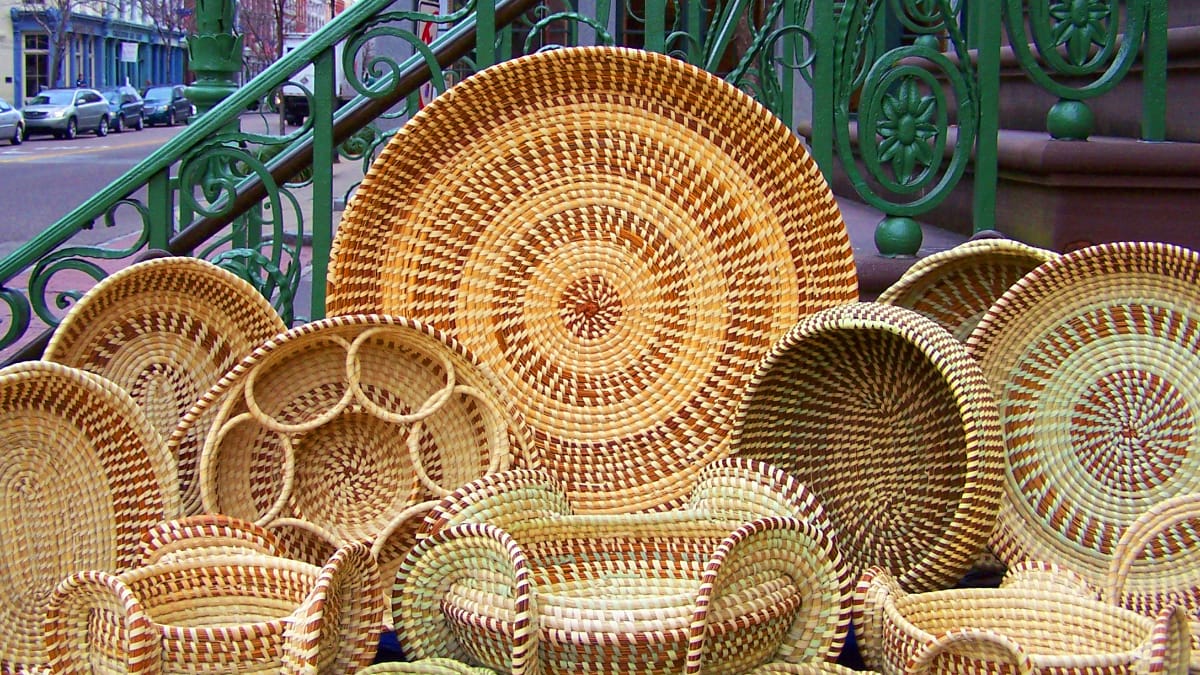
Grounded in Grain, Washed in the Water
Black Southern traditions are not relics to be preserved behind glass, but dynamic systems of knowledge that continue to evolve.
In Memoriam
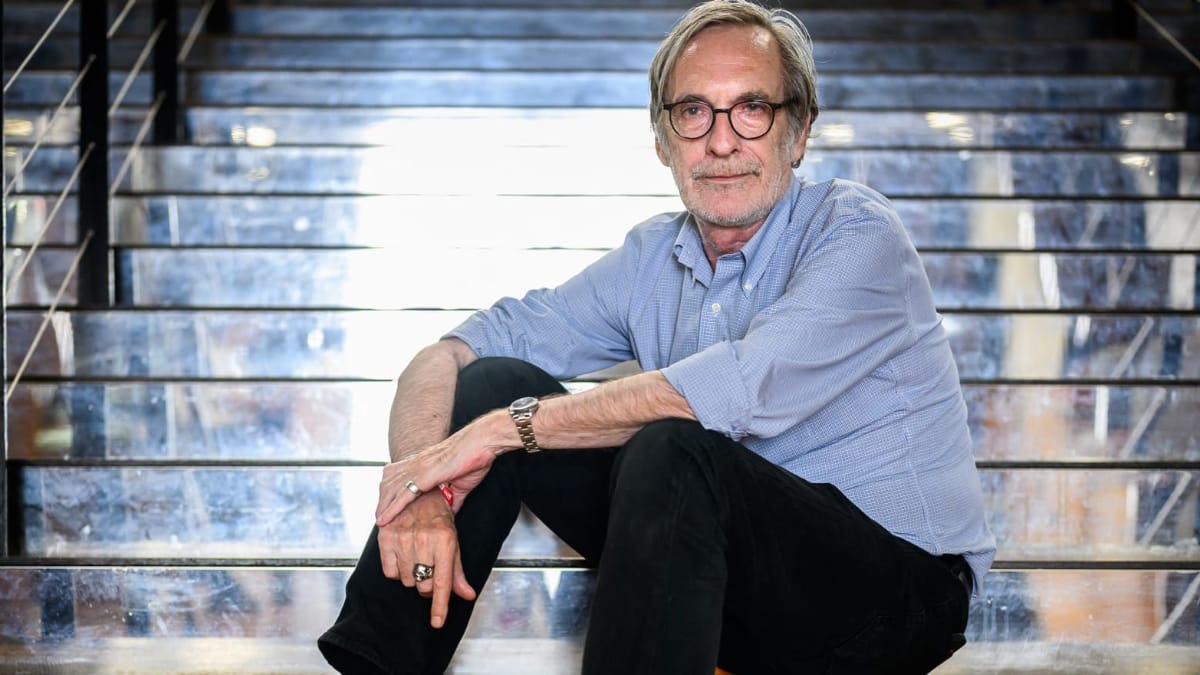
Remembering Jean-François Leroy, Lucien Smith, and Jibby Beane
This week, we honor the founder of an influential photojournalism festival, a fixture of NYC’s downtown art scene, and a fashionista and gallerist.
Read MoreMember Comment
—Diane Burko on "What I Got Wrong About Krasner and Pollock"
From the Archive

Sally Mann’s Polarizing Life in Art
The photographer, who has been the subject of controversy at times in her career, discusses her approach to life in her book, Art Work. | Natalie Weis
Read More