The Black American Artists Who Dazzled Post-War Paris
An exhibition in Chicago celebrates the painters, writers, and performers who sought freedom in the city of light and left an indelible mark on its history.

CHICAGO — When I first learned of the exhibition Paris in Black: Internationalism and the Black Renaissance at the DuSable Black History Museum and Education Center, my initial reaction was, “What a dream come true!” As much as I’d like to reflect on my favorite Black artists and writers expatriating to Paris and living their best lives, though, their efforts to escape racism in America were not without troubling experiences, too. I wondered how the show would deal with this tension.
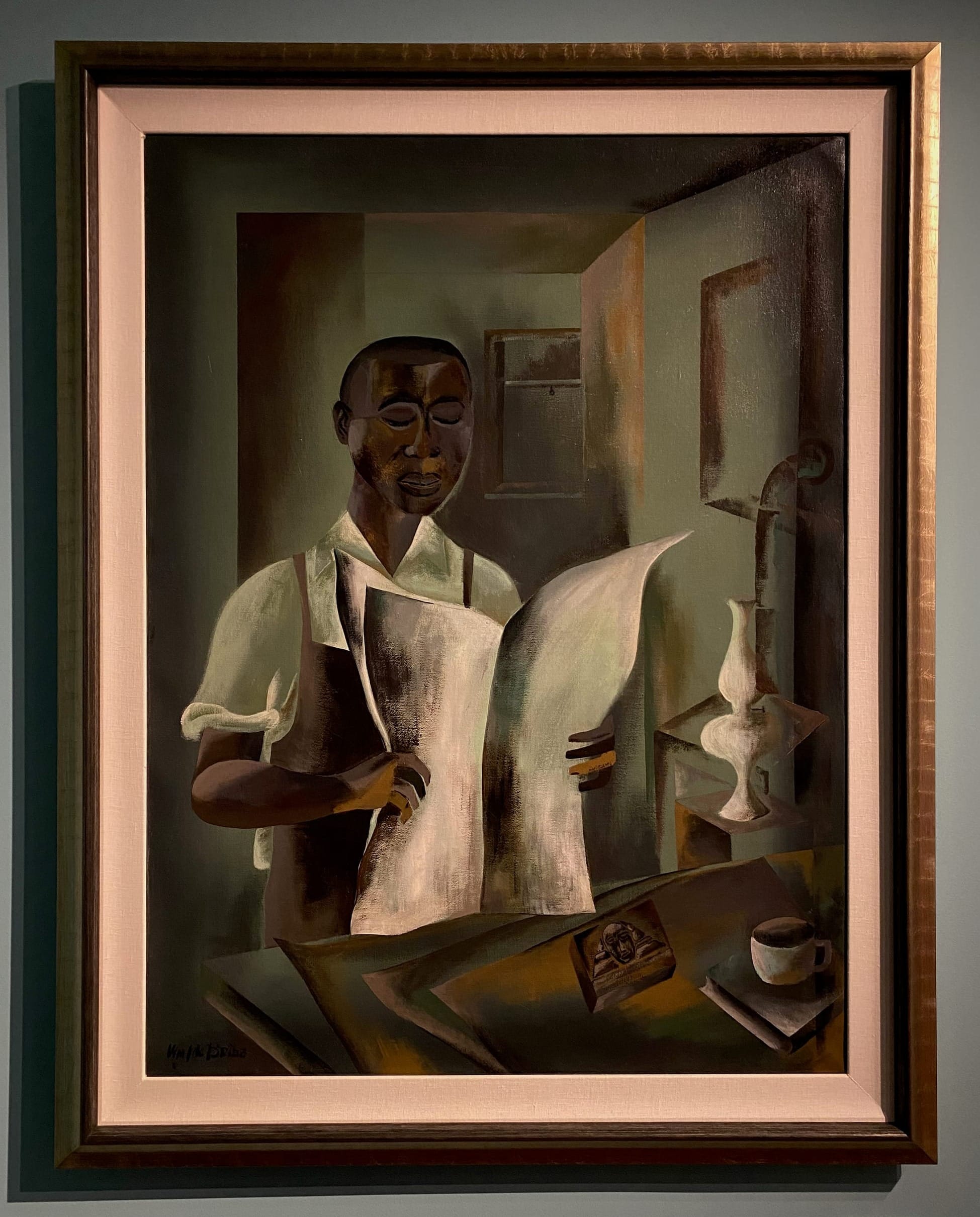
I strolled into the DuSable Museum on a particularly rainy afternoon in Chicago, eager to be enveloped in this sprawling exhibition. Curated by Danny Dunson, director of curatorial affairs and arts education at The DuSable, the exhibition takes place in galleries across two floors of the museum’s substantial structure and presents more than 100 artworks, including major paintings and sculptures from the institution's permanent collection.
My eyes danced around the walls of the initial gallery space, which are painted in hues of deep plum and tranquil sky blue. Complete with a sumptuous red carpet floor, the room evoked a sense of warmth as my sights landed on a remarkable oil painting by Archibald J. Motley Jr., “Sunday in the Park” (1941). At its center, a sharply dressed couple leans slightly to the left, peering intently at a crew of figures enjoying a horseback ride. They stand in the midst of a busy, turquoise-colored park with rows of shrubbery and a canopy of trees above them, joined by a man holding multicolored balloons, a woman pushing a stroller, a couple resting in an embrace, and other passersby. The work looks and feels like jazz. For all its fervor, it maintains a cool, calm undercurrent.
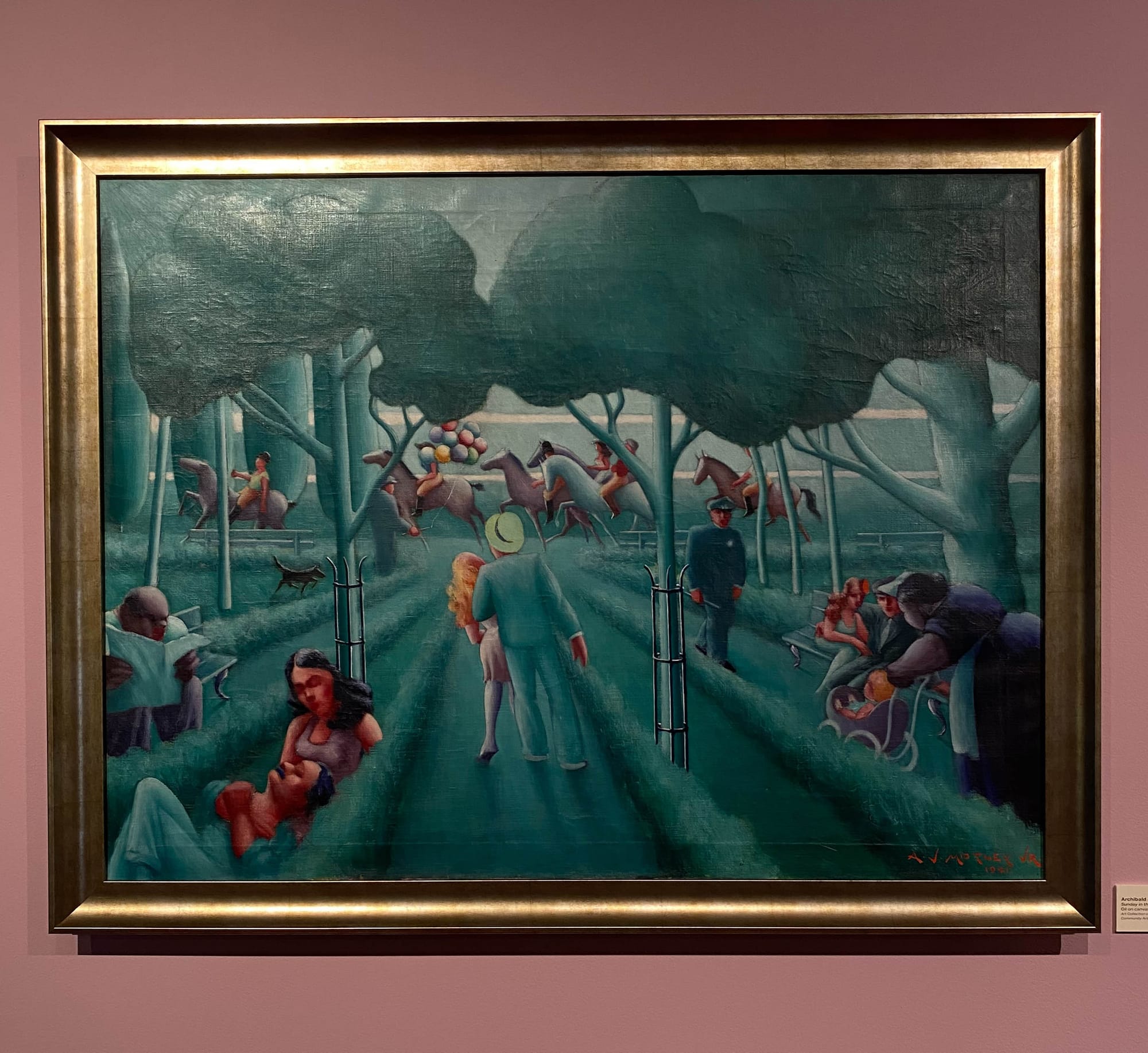
From its beginning, Paris in Black maps the intricate web of sociopolitical and economic factors that contributed to the swell of Black American artists, writers, musicians, and performers who fled from American racism and systemic oppression and sought refuge in Paris following World War II. It traces how the Harlem Renaissance, which took place against the national backdrop of the Great Depression, exceeded geographical bounds and fostered an era of Black artistic and cultural production that was globally influential. The show also includes important context on Alain Locke, the architect and “dean” of the Harlem Renaissance, and author of the famed essay Enter the New Negro. The exhibition features the work of several notable Chicago-born or based artists, including Archibald Motley, speaking further to the broader cross-pollination that took place between Paris and other major US cities — not just Harlem.
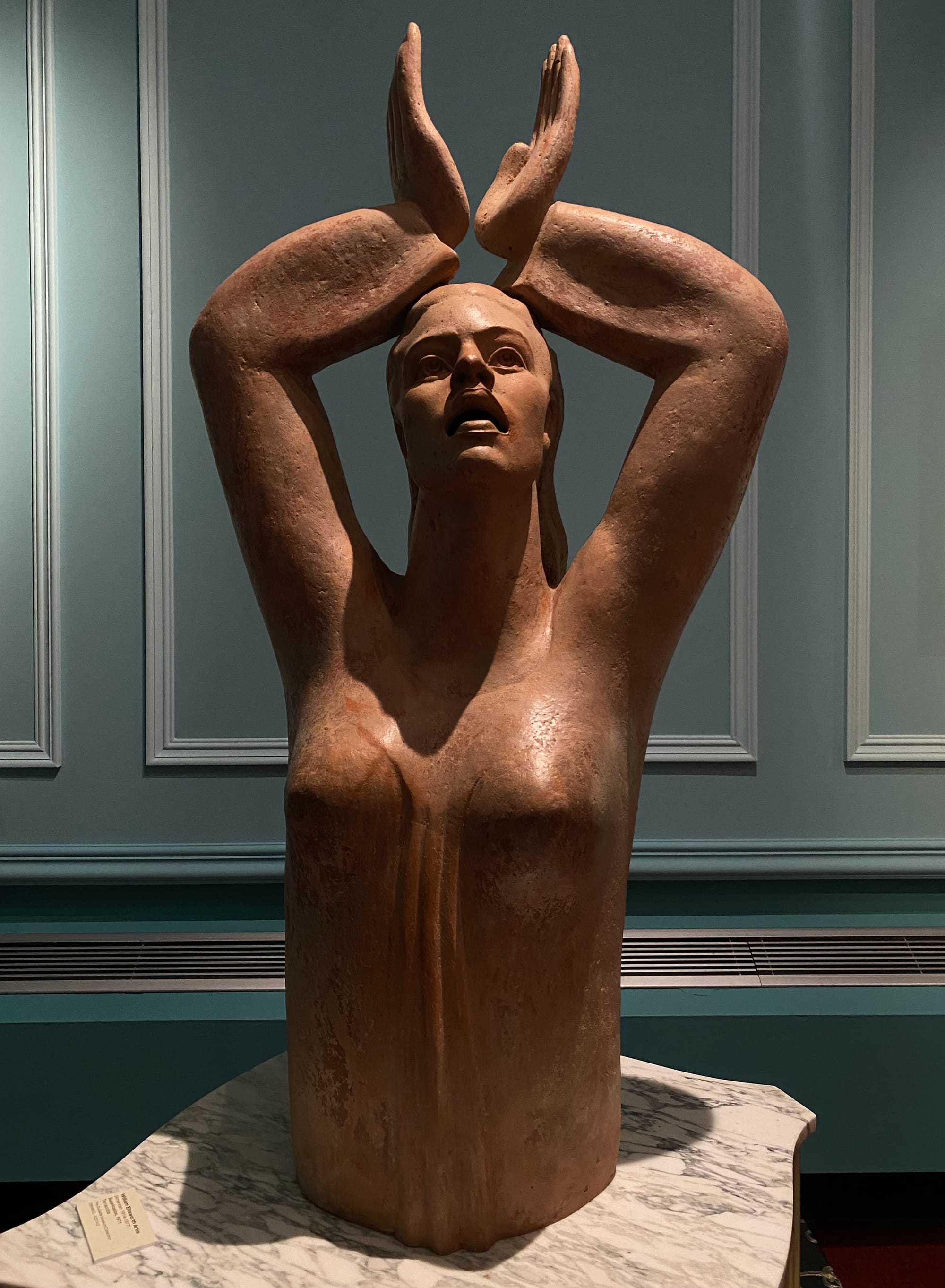
The exhibition’s selection of sculptures was a focal point of the presentation, highlighting works by Richmond Barthé and Augusta Savage. I was thrust into a particular state of reverence upon encountering a striking terracotta figure titled “Supplication" (1971). Sculpted by William Artis, the work displays a figure with their hands outstretched above their head and their gaze cast upward. The figure’s seemingly pleading stance conjures a reflective and somber tone.
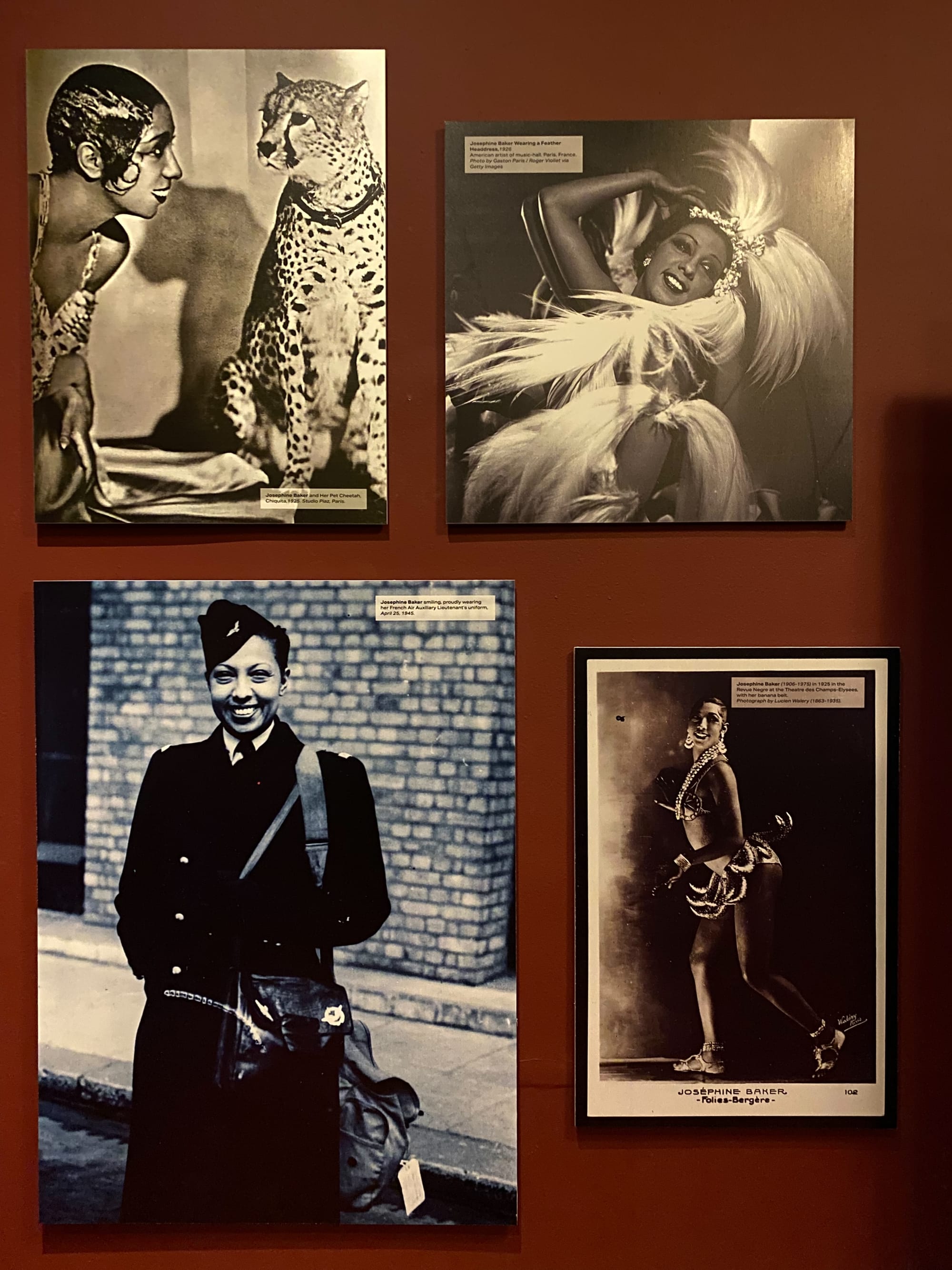
I was delighted to see a portion of the show dedicated to the iconic performer Josephine Baker. An impressive grouping of ephemera and imagery of the American-born French artist adorned the walls, including a photo of her posed in her iconic banana belt in 1925 at the Théâtre des Champs-Élysées and a later portrait of her enjoying her 15th-century castle in Dordogne, France. Simultaneously, an archival black-and-white video looped in the center of the room.
But whereas Baker gets her just due, the legacies of some other Black American performers were not given the same room to breathe. Figures like Grace Bumbry and Aida Overton Walker were mentioned noticeably briefly in comparison to Baker’s tribute. While visual art and performance were foregrounded in the exhibition, the landscapes of sonic and literary work were covered less thoroughly. The role of the writer figures into the presentation largely through a close look at James Baldwin’s work from his time in Paris and his friendship with visual artist Beauford Delaney. The show featured “Black sound in the city of light,” as the wall text describes, by way of dazzling portraits of musicians Miles Davis, Duke Ellington, and Billy Strayhorn, rather than their music itself.
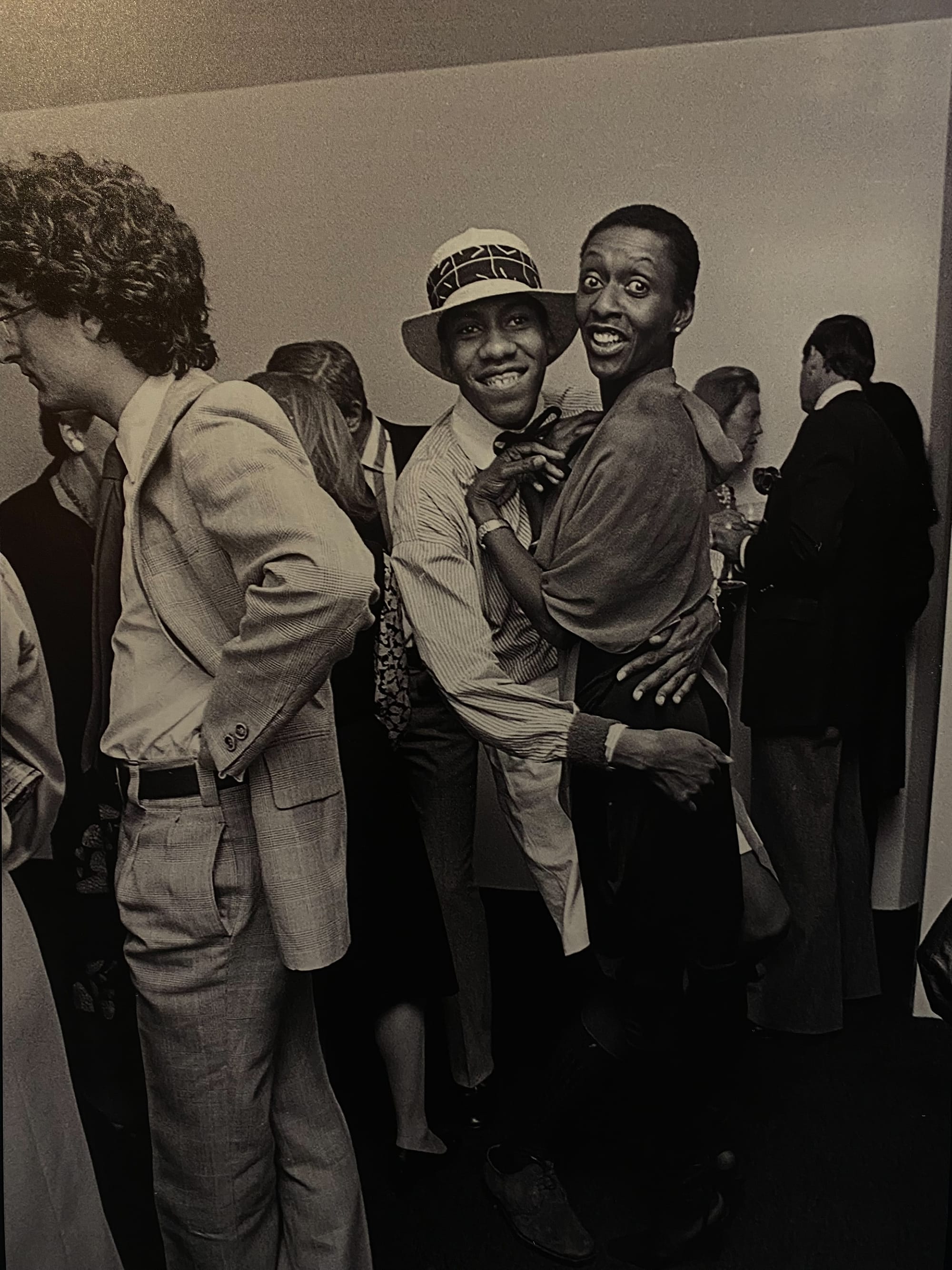
Paris in Black also highlighted the crucial role of sartorial tastemakers in Paris, from designers like Patrick Kelly to the rise of Black models like Pat Cleveland and Billie Blair in Paris fashion. One black-and-white photograph of the late fashion writer, editor, and creative director André Leon Talley and his dear friend, the model and activist Bethann Hardison, is seared into my memory. Hardison is wrapped in Talley’s tender embrace as they both gaze directly at the camera, their eyes glistening. Clinging to one another, their body language and expressions seem to hold worlds of complex truth about beauty, about connection, and perhaps also, about the myth of freedom that Black American people sought in Paris and beyond.
Paris in Black: Internationalism and the Black Renaissance continues at The DuSable Black History Museum and Education Center (740 East 56th Place, Chicago, IL) through February 2027. The exhibition is curated by Danny Dunson.