The Jazz Pictures the FBI Silenced
Fearing for her safety, Lisette Model buried her photos of artists like Billie Holiday and Louis Armstrong, but a new book reveals them to the world.

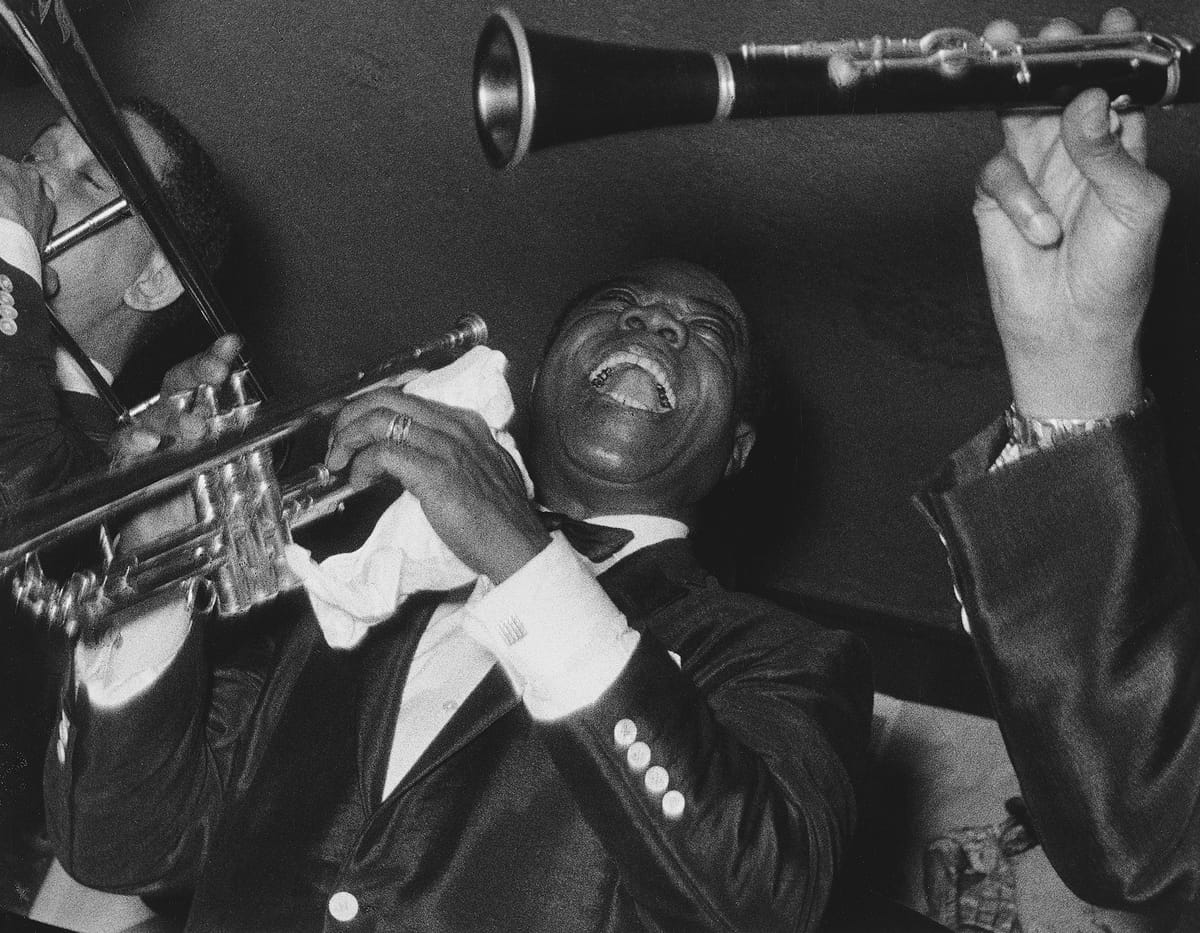
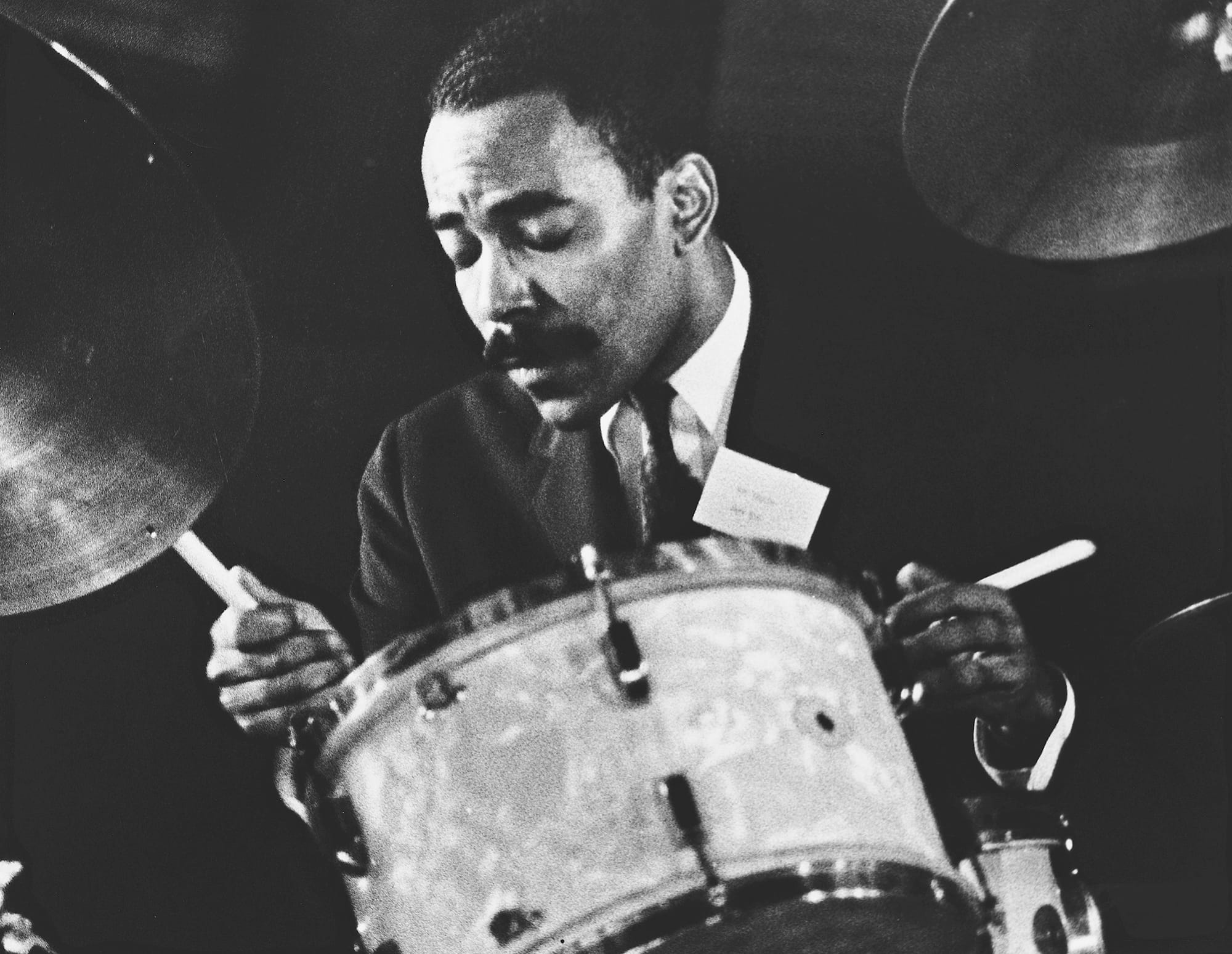
Despite the many books and exhibitions on photographer Lisette Model, her largest body of work was a well-kept secret: more than a thousand photographs of the East Coast jazz scene taken between the early 1940s and 1959. Model didn’t just dabble in jazz — she dove into it, capturing greats like Billie Holiday, Louis Armstrong, Ella Fitzgerald, Duke Ellington, Miles Davis, and Dizzy Gillespie as they lit up a sparkling musical universe. How and why, then, did these images from such an esteemed photographer remain hidden until today? Audrey Sands, associate curator of Photography at the Harvard Art Museums, uncovers this grim tale of government repression in Lisette Model: The Jazz Pictures (2025), a brilliant and unfortunately timely new photo book.
Born to a Jewish family in Vienna in 1901, Model started off as a musician herself. As Sands recounts in her wonderfully thorough introductory essay, Model studied with the Jewish avant-garde composer Arnold Schoenberg — whom she later described as her “one great influence” in life — but her musical career came to an end in 1933, owing to both vocal difficulties and the Nazis’ rise to power that same year. She took up photography (then a more marketable trade) in part as a means of survival. In 1938, Schoenberg’s work was denounced in the Nazi Degenerate Music exhibition, the lesser-known sibling of the Degenerate Art exhibition, which conflated Blackness and Judaism in a grotesquely racist dual condemnation of jazz and the avant-garde. Model fled to the United States that same year.
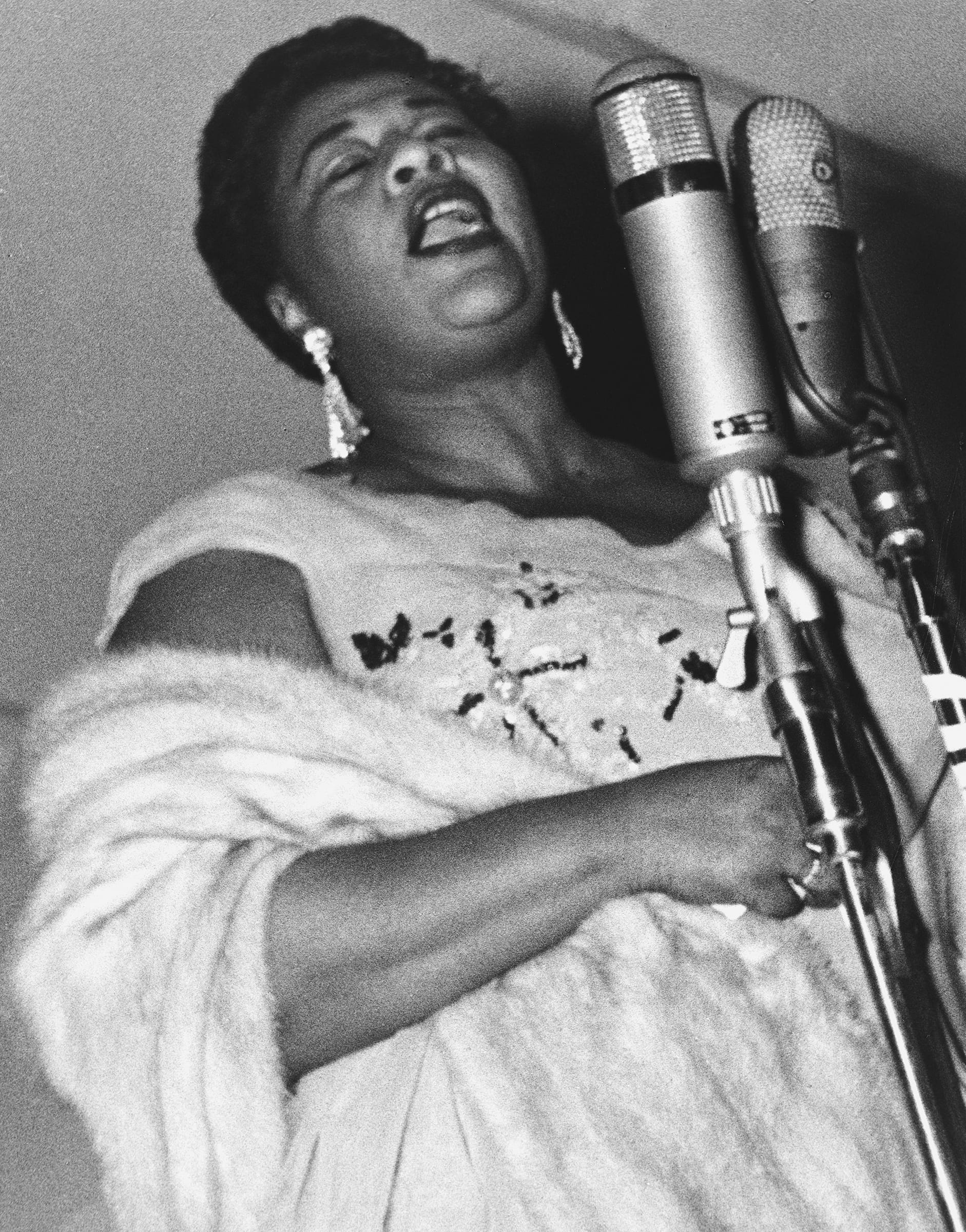
She arrived in New York City just as jazz was exploding in popularity; “I was absolutely overwhelmed by jazz because I knew that was America,” she recalled. Unlike her sardonic and sometimes cruel street photographs of wealthy French vacationers or everyday people on the Lower East Side, which use unflattering angles and harsh lighting to alienate the viewer from a monstrous-looking humanity, the jazz photographs radiate a joyous vitality. Here, the photographer embraces her subjects with a warmth that’s notably absent from the rest of her oeuvre, bringing into view their contagious laughter, musical expressivity, and occasional fist-pumping. The pleasure is heightened by Model’s dynamic camera angles and affinity for diagonal lines in the upper halves of nearly all her compositions, making these historical records into compelling works of art.
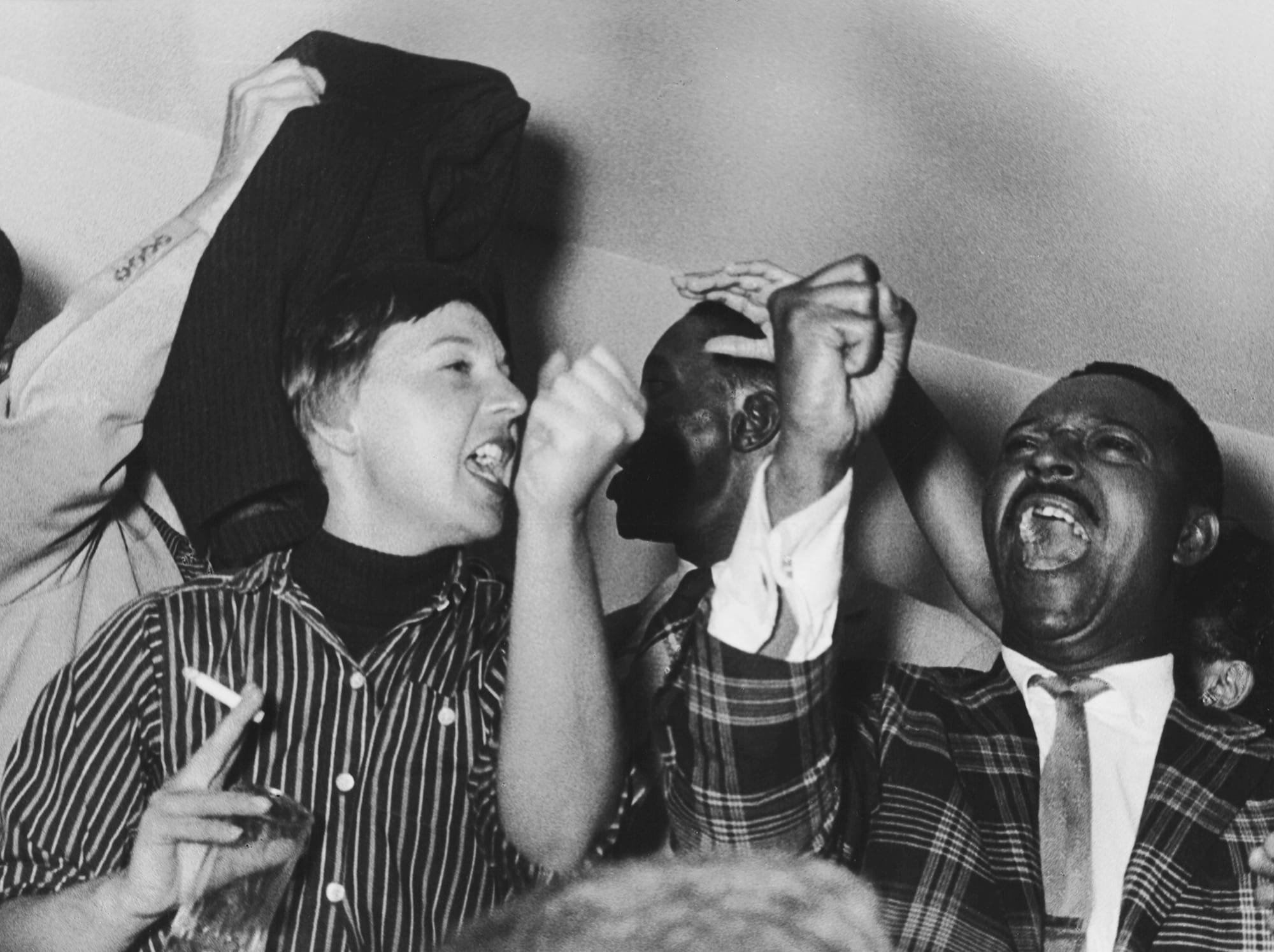
Model was eager to publish these images as a book, a relatively unusual move at the time, given that the fine art photo book didn’t become a mainstream practice until the 1970s. In 1952, she commissioned Langston Hughes to write an essay for it, though this was never completed — her project came to an abrupt halt as the 1950s Red Scare reached a fever pitch. As Sands explains, she, like many fellow Jewish refugees in the New York City jazz scene (including the founders of Blue Note Records), was an outspoken leftist. Furthermore, jazz was the site of radical integration, as Model’s images of a jubilant, racially mixed 1956 party, for example, demonstrate. Laying out the “racialized dynamics” of McCarthy’s attacks, Sands explains “how deeply McCarthyist red-baiting was intertwined with anti-Black racism” as he persecuted civil rights champions under the guise of fighting Communism.
As a result, the FBI shut down the Photo League, to which Model belonged, and placed her on its national security watchlist. Sands depicts what followed in some of the book’s most compelling passages: Informants spied on her as a suspected Communist and compiled a 28-page file containing dubious interpretations of her activities. Funding for the book was pulled. Magazines stopped commissioning her work. Langston Hughes was under even more intense investigation, which prevented him from writing the essay. When Holiday, whose music Model adored, passed away suddenly in 1959 at the age of 44, the photographer felt her untimely death was a direct result of the governmental persecution she had been subjected to. Model tried to photograph the singer in her casket, but was so overcome with grief that she believed that she couldn’t see. “It was really ghastly what they did with her,” the photographer later stated. These were the last jazz pictures she ever took.
Out of fear for her own safety, Model wrote the jazz pictures out of her biography and maintained a vice-like grip on her narrative for the rest of her life. It’s hard not to feel the tragedy of this “collapse of a vision of American possibility,” as Sands calls it, in light of our own contemporary collapse, which the book itself acknowledges. Though it’s a bleak comfort, The Jazz Pictures is a healthy reminder that today’s round of state repression is not unprecedented, but rather regressive. The existence of this publication reflects a triumph over this ugly period in United States history, however delayed. As Langston Hughes writes in one of the book’s concluding essays, “To me, jazz is a montage of a dream deferred.”
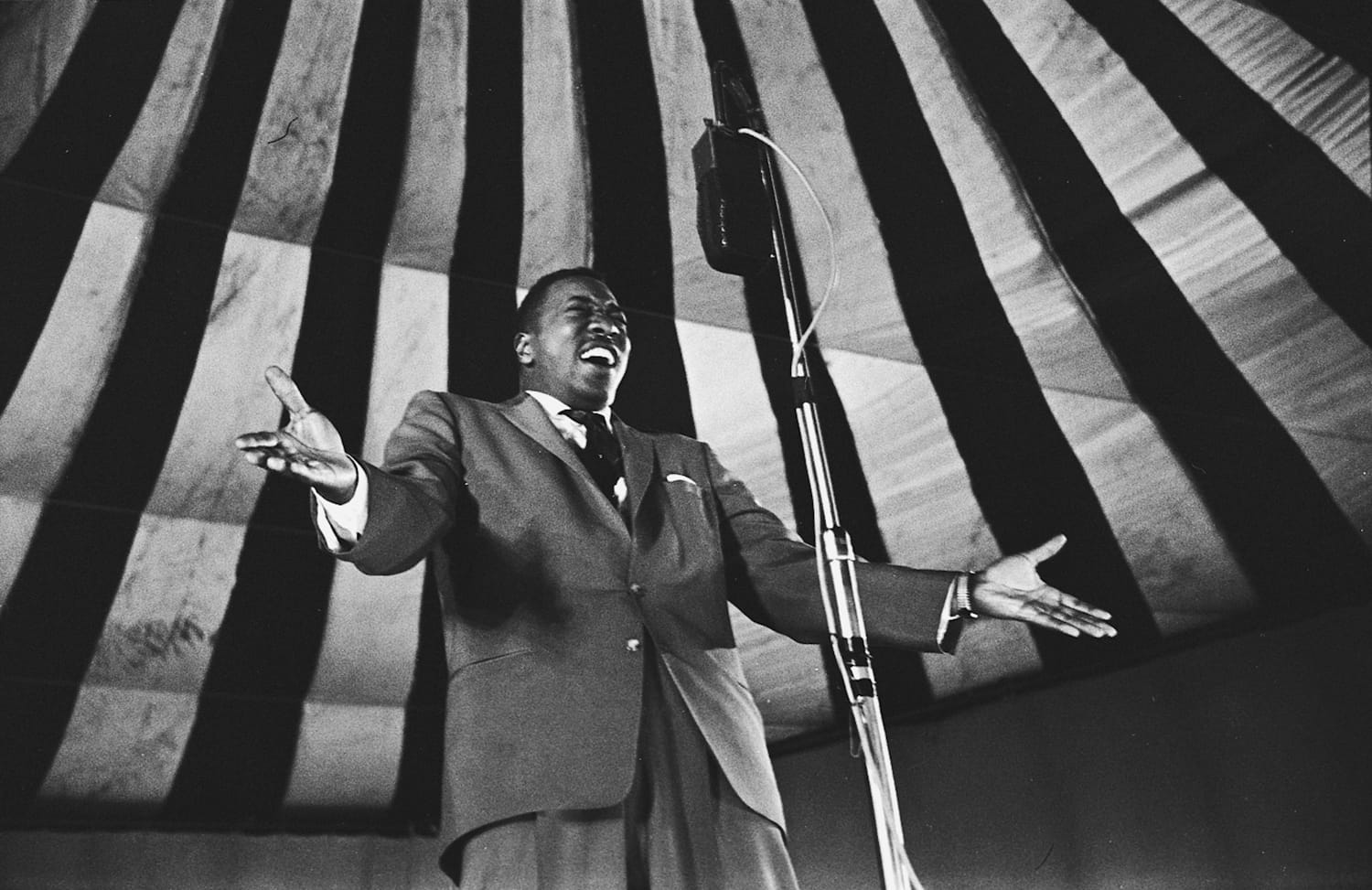
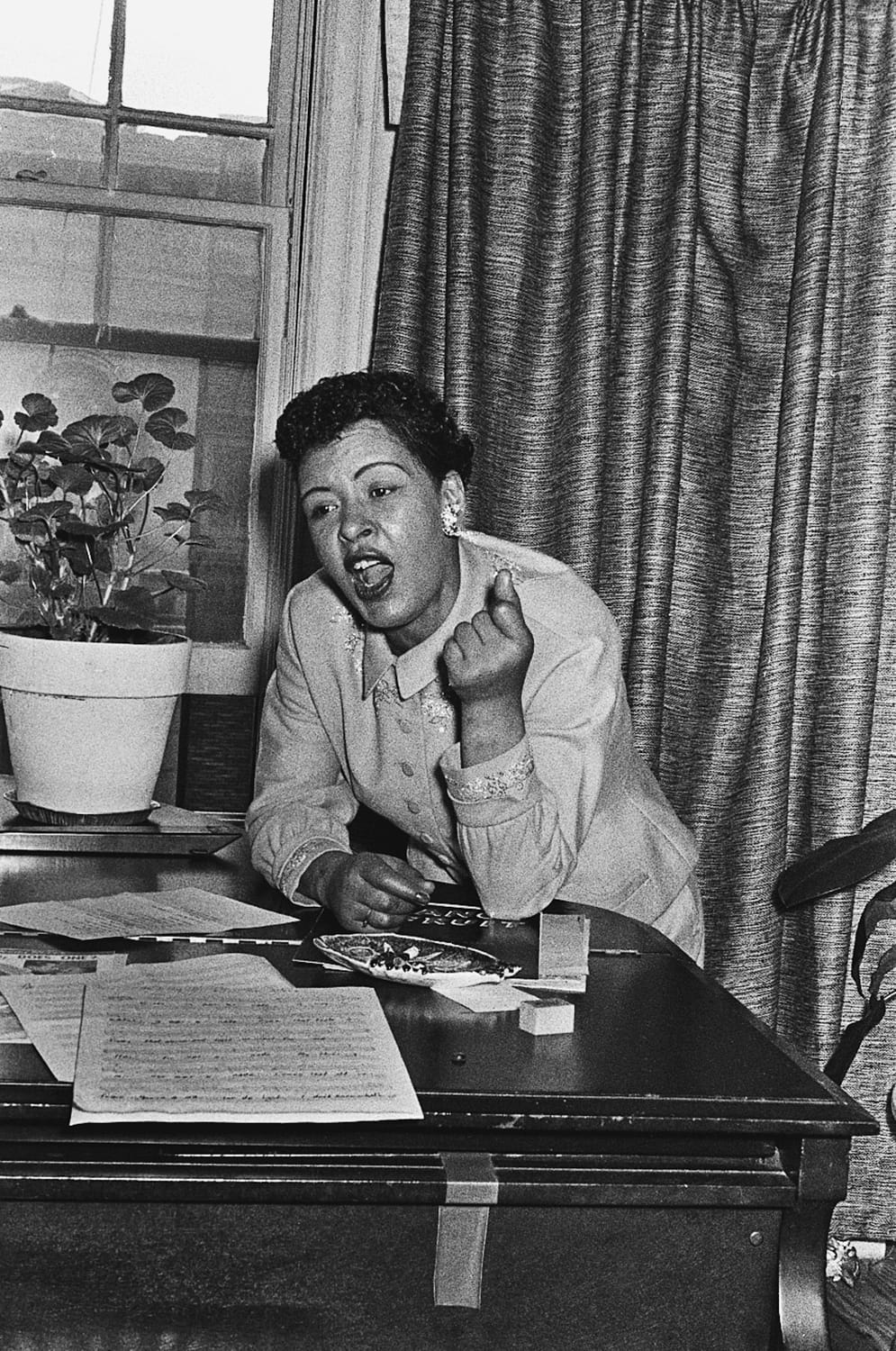
Lisette Model: The Jazz Pictures (2025), published by Eakins Press Foundation with photographs by Model and essays by Langston Hughes, Audrey Sands, and others, is available for purchase online and in bookstores.