The Overlooked Black Architect Who Shaped a Landmark Smithsonian Museum
Max Bond Jr., who lobbied for and co-designed the National Museum of African American History and Culture in DC, deserves a larger place in history.

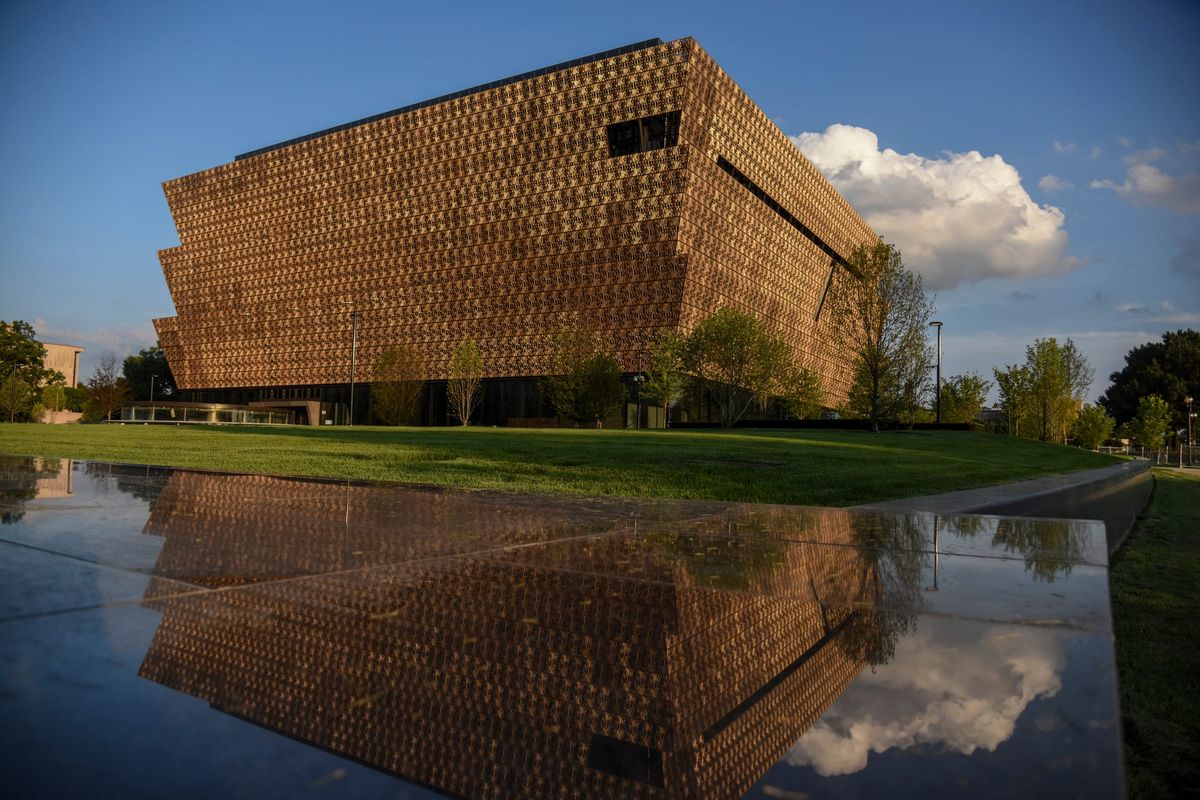
On the concourse level of the Smithsonian Institution’s National Museum of African American History and Culture is a small exhibition, easily missed if you are focused on the elevator that takes you down to begin this site’s profound historical journey. Titled A Century in the Making, the display details the long development of a building that at last made a permanent home for Black history on the National Mall in Washington, DC. One panel, headlined “An Architectural Marvel,” describes the competition that culminated in this bronze-colored icon. A photograph shows the winning team: architects Philip Freelon, J. Max Bond Jr., and David Adjaye.
As Freelon Adjaye Bond/SmithGroup, they shaped this building together. Yet in the decade since the museum opened in September 2016, the spotlight has shone most brightly on the Ghanaian-British Adjaye. With a growing reputation as a globetrotting starchitect, his fame quickly eclipsed that of his teammates. The museum was “Adjaye’s stunning building,” a Guardian review explained; “Adjaye’s radically inventive design” (Vogue); and “Adjaye’s structure” (the New Yorker). When the full team name was invoked, it was often only in passing.
Architecture has long been told as a story of heroic individuals acting alone. For those seeking an auteur to celebrate, Adjaye’s talent and growing fame fit the bill, but much has changed over the last few years. In July of 2023, the Financial Times reported the stories of three female former employees who accused Adjaye of serious sexual misconduct. As he withdrew from the limelight in the aftermath, he revealed in stark relief the danger of upholding the trope of the long genius.
In September, the National Museum of African American History and Culture celebrated its 10th anniversary. Coming at a moment of jubilation but also existential threat — as the Trump administration seeks to narrow, if not erase, the history told in Smithsonian landmarks like this one — the birthday offers an occasion to consider the team that designed this building and, in particular, the unsung member who first pushed for it: J. Max Bond Jr. To understand the importance of the so-called “Blacksonian,” we must look beyond its filigreed façade to the tale of collective struggle and resistance chronicled within its galleries. Likewise, to understand the long-germinating ideas that made this museum a profound interruption of the monumental status quo, we must look to Bond, the subject of a biography I have just published, Max Bond: The Life and Work of the People’s Architect.
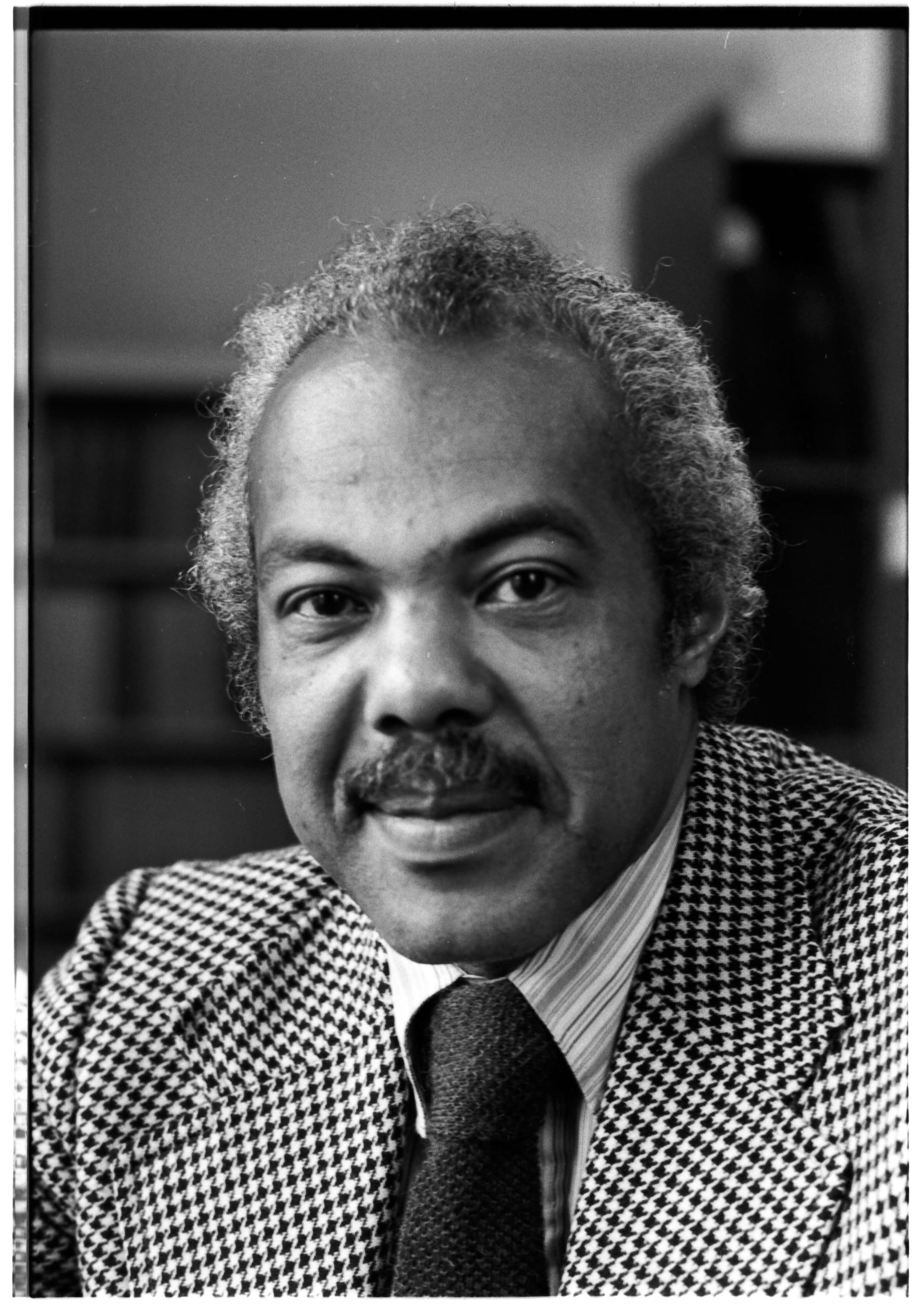
Bond, who died of cancer in 2009, just before his teammates won the museum’s design competition, was exceptionally successful as a Black American architect in an often hostile field, but never a “star.” In fact, he was deeply skeptical of his profession’s obsession with stardom. “We as architects should question whether or not the ‘Star System’ serves our interests as a group,” he wrote in an unpublished 1993 essay. For him, architecture was a process of slow collaboration and incubation, not a flash-of-brilliance napkin sketch; and the architect, by extension, was only one of myriad participants in the decades-long shaping of a building. In Bond’s view, architecture required not simply virtuosic form but virtuosic function, especially for the benefit of its inhabitants. Like the social movements for racial equality that spanned his decades-long career, buildings and city plans succeeded when they were democratic, shaped collectively, and celebratory of people — especially Black people — who had been disenfranchised.