Truman Lowe Listens to the Water
In his first major retrospective, the Hoocąk artist transforms natural materials into fluid sculptures that carry the memory of place, ancestry, and cultural survival.

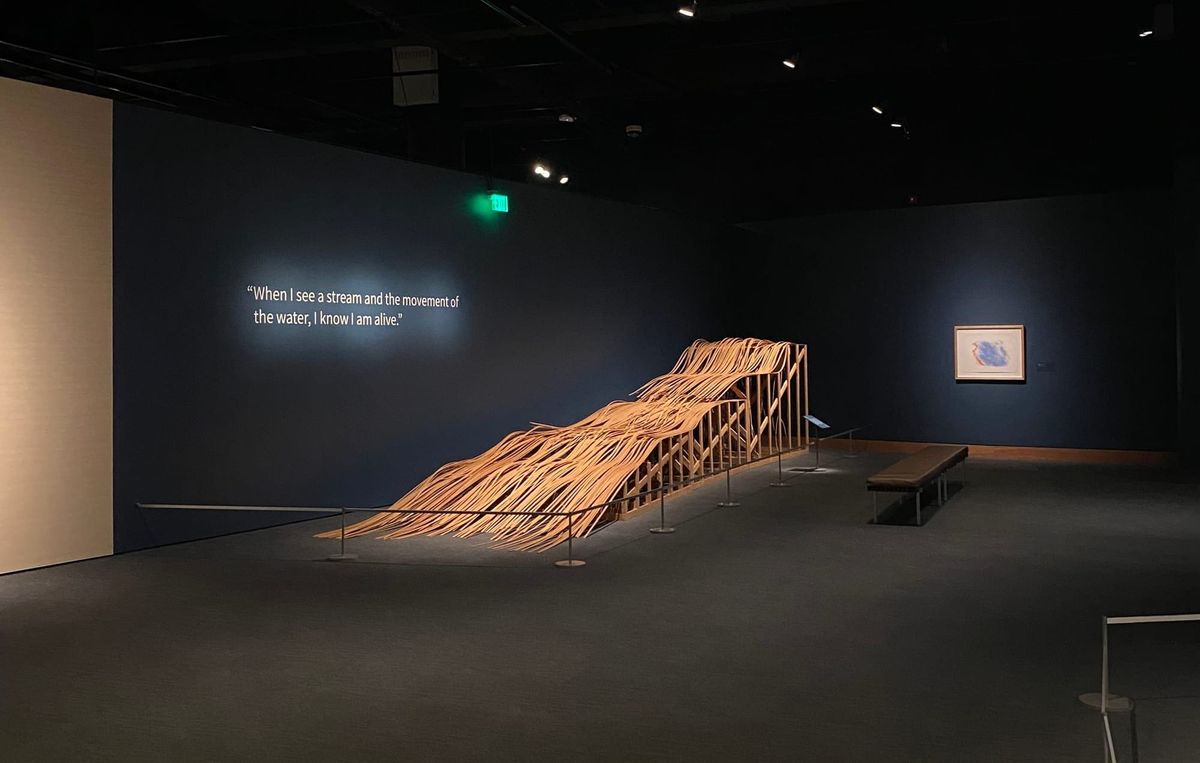
WASHINGTON, DC — Hoocąk (Ho-Chunk) artist Truman Lowe’s first major retrospective opens with “Ottawa” (1992), a billowing sculpture of pine and peeled willow saplings that brings together the tributary currents of the rivers that marked the aquatic realms of his childhood. The form undulates with an audacious disregard for the material’s inherent fixed state; each bend, movement, and ripple echoes Lowe’s unwavering ethos that wood is water.
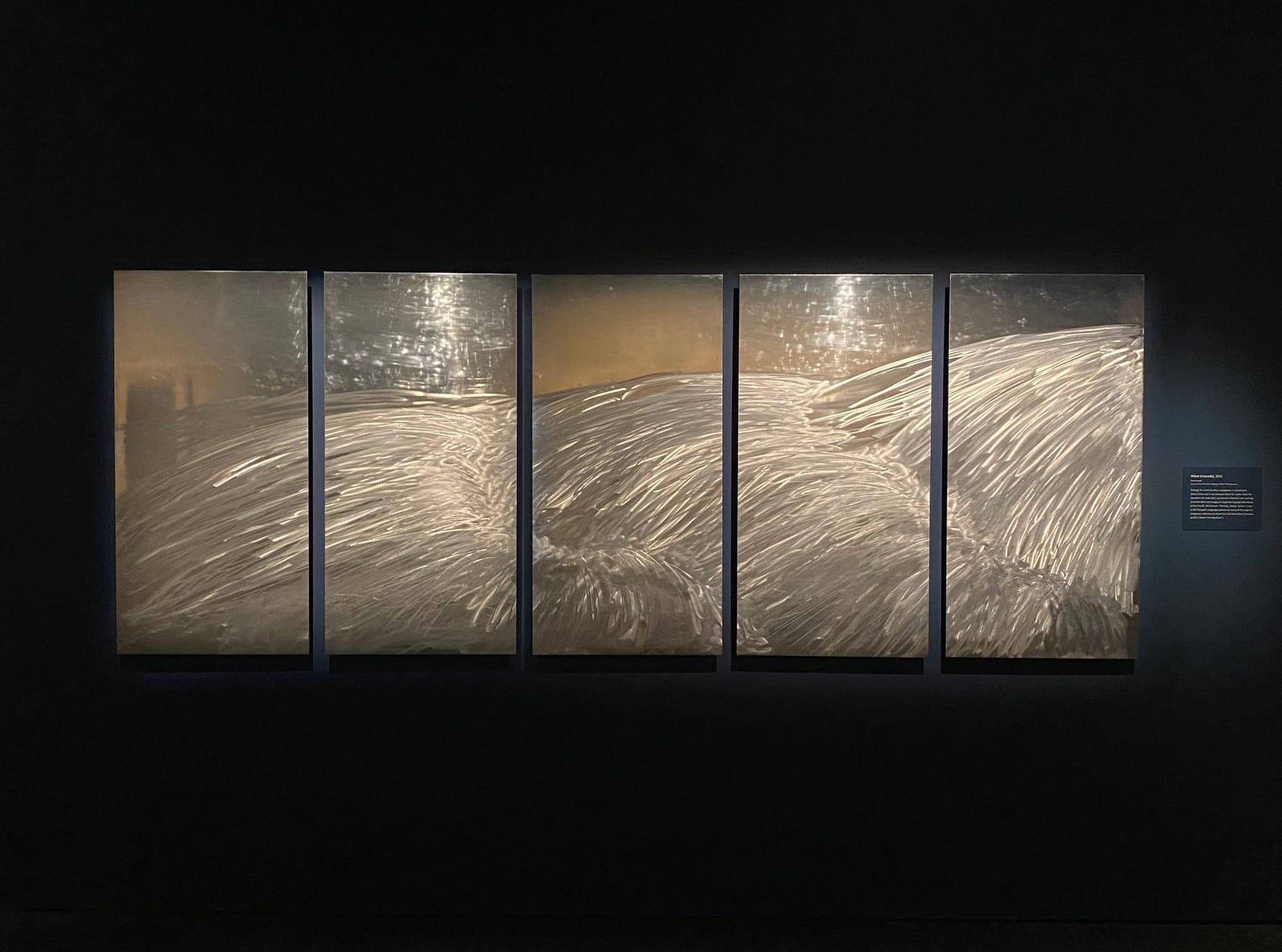
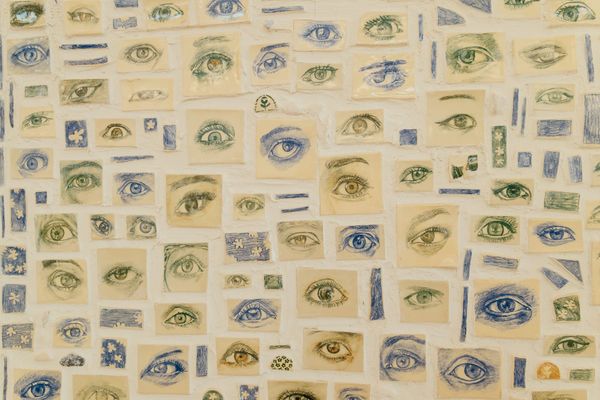
Throughout Water’s Edge: The Art of Truman Lowe at the National Museum of the American Indian, Lowe resonates with Toni Morrison’s sentiment that “all water has a perfect memory and is forever trying to get back to where it was.” The works are arranged around four themes of moving water: Landscape and Place, Woodland Structures, Memory, and Shared Knowledge.
In Hoocąk culture, the number four holds reverence, history, and the recognition that repetition signifies permanence. This durability appears in multiple works by Lowe, such as “Mimi” (1979), a sculpture composed of four peeled willow branches, four groupings of blue jay feathers, and collections of red beads in sequences of four that cocoon the four strips of leather.