What Can Photographs Say in a World Full of Images?
An exhibition at the Wellin Museum of Art at Hamilton College examines how artists utilize serial configurations of pictures and text to prompt questions about seeing.

In the early 1970s, the optometrist and photographer Milton Rogovin made a series of portraits of residents in the Lower West Side, a working-class neighborhood in Buffalo, New York. He then photographed them twice more, a decade apart each time. Families grow. Some endure losses. The surrounding architecture changes. Rogovin created a time capsule, an ode to a community in transition. We know the adage about how much one picture is worth — a photograph encapsulates a moment; the narrowing of the aperture works inversely to the imagination, which is given space to speculate. But a series of photographs, especially accompanied by text, fills in the blanks.
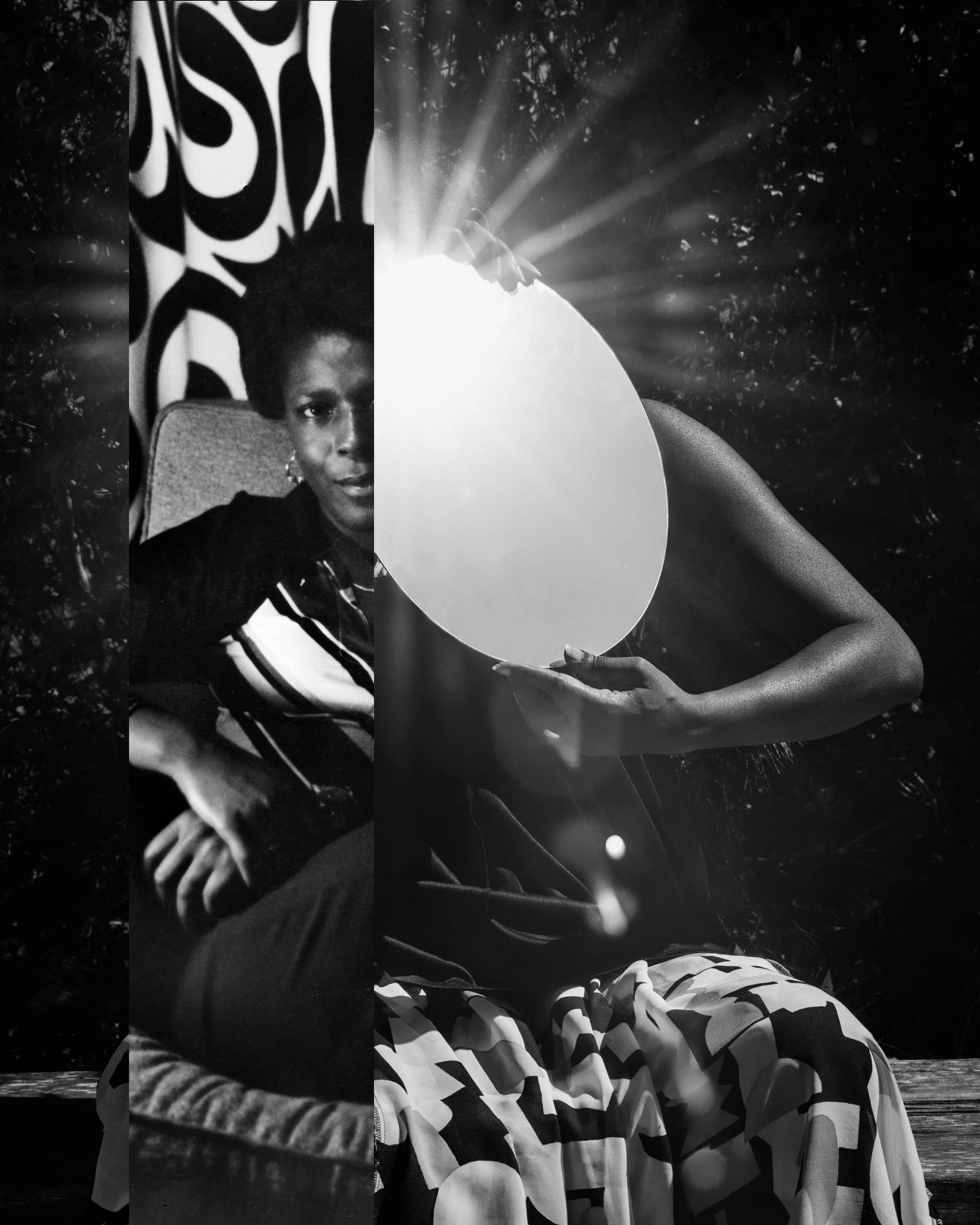
Storytelling: Photographers Making Meaning | Works from the Wellin Museum’s Collection, a new exhibition at the Ruth and Elmer Wellin Museum of Art at Hamilton College, examines how photographers utilize series of images, sometimes with text, to create new narratives. Rogovin’s Lower West Side Revisited is included alongside nine other series and a site-specific installation by photographer Keisha Scarville.
“We are bombarded with a barrage of imagery on a near-constant basis,” Tracy L. Adler, the Museum’s Johnson-Pote Director, told Hyperallergic. “This exhibition encourages us to bring a new criticality to the imagery we are exposed to in our everyday lives … It’s in our nature to make mental connections to visual stimuli, to tell stories.”
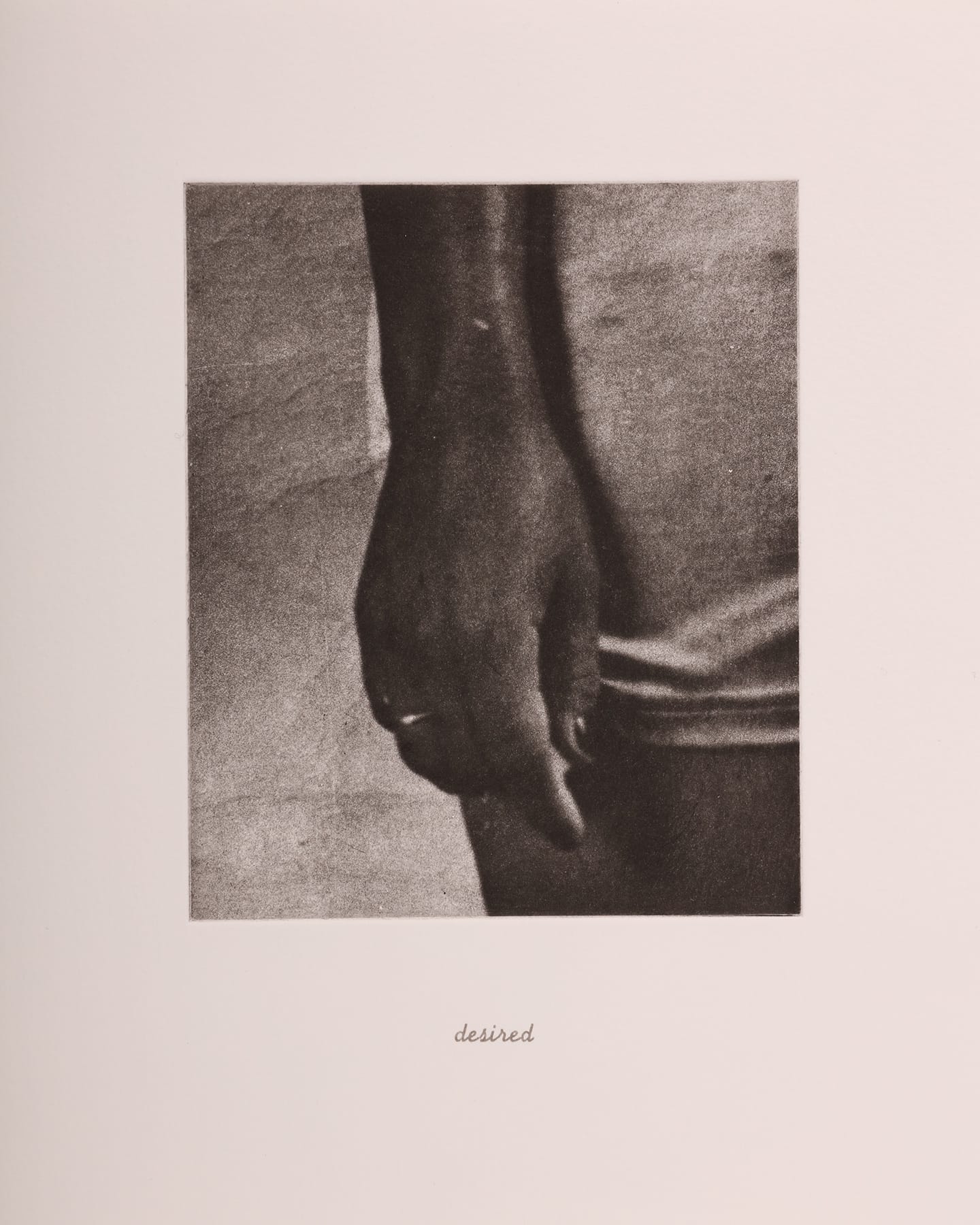
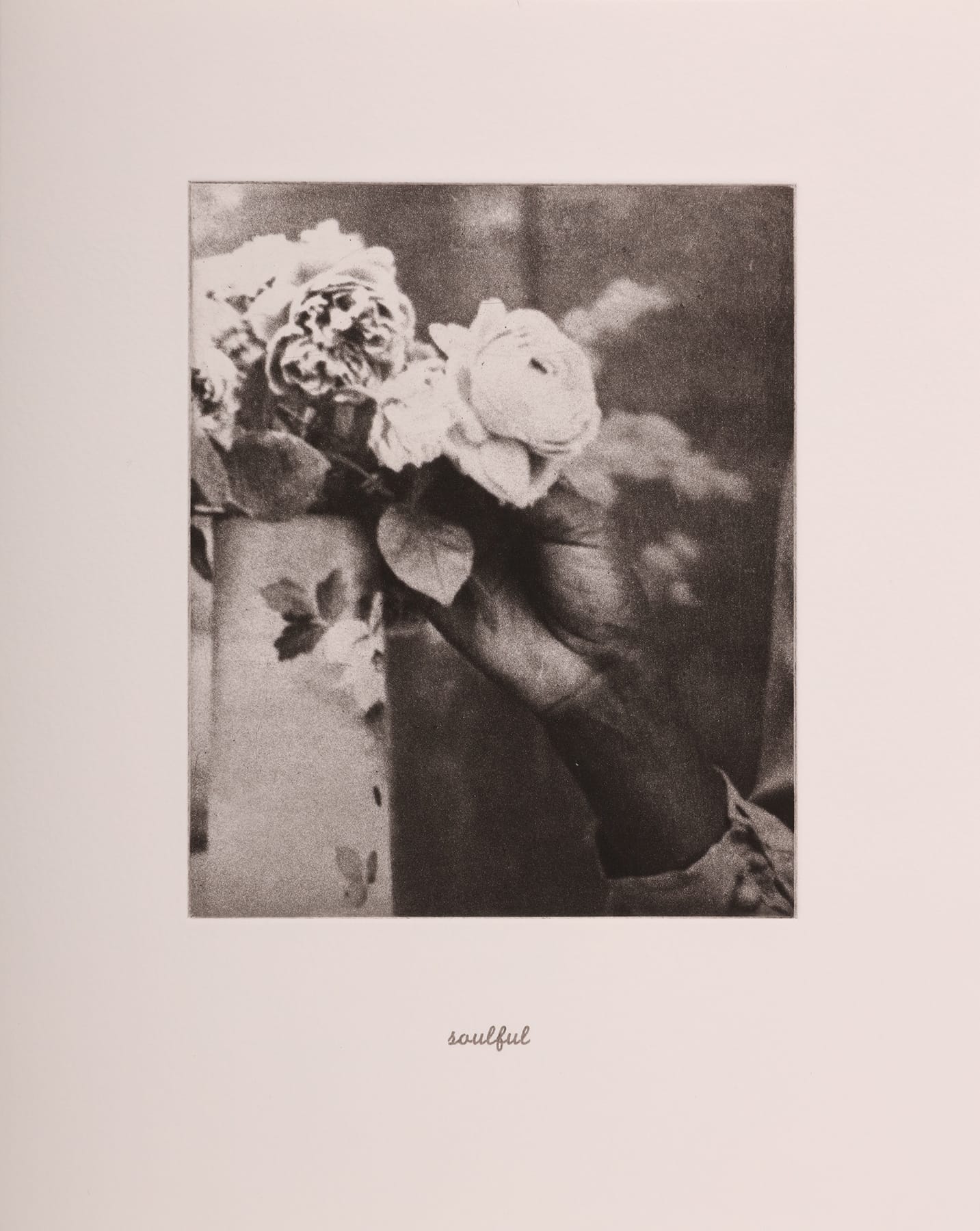
Lorna Simpson, from Details (1996) (© Lorna Simpson, images courtesy the Wellin Museum of Art)
Collections Curator Elizabeth Shannon, who described Rogovin’s series as “endlessly moving,” has “long been fascinated with how different photographers have used the building blocks of image and text to create very different projects.” For Storytelling, she looked at works by 20th- and 21st-century American artists; the exhibition, she explains, is also highlighting work that Hamilton College students and faculty might not have known belonged to the collection, potentially prompting further study.