10 Art Books for Your Spring Reading List
Theresa Hak Kyung Cha’s first catalog in 25 years, Molly Crabapple chronicles the Jewish Bund, a photographer captures a Black Southern waterway, and more
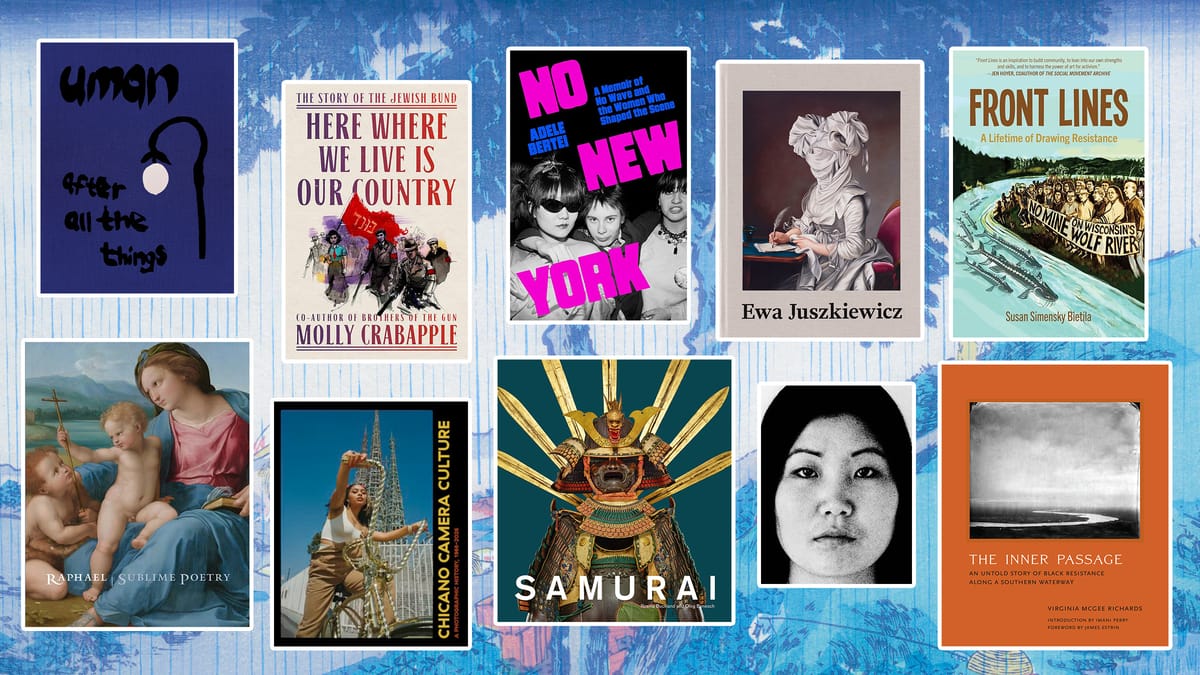
April showers bring unread book towers ... and we're here to add a few more to your list! With a focus on retelling history through an artist's lens, here are our recommendations for books to read this spring. New York-based Molly Crabapple brings her background as a painter and organizer to bear on a book about the Jewish Bund, while Susan Simensky Bietila narrates her decades-long career as an environmental activist and feminist artist. In catalogs, the first comprehensive tome on Theresa Hak Kyung Cha fleshes out the artist's inner life and experimentation, long overshadowed by her creative legacy, as a 50-year survey of Chicano camera culture and photography contextualizes the evolving art form. More food for the imagination below. —Lakshmi Rivera Amin
Front Lines: A Lifetime of Drawing Resistance by Susan Simensky Bietila | PM Press, February
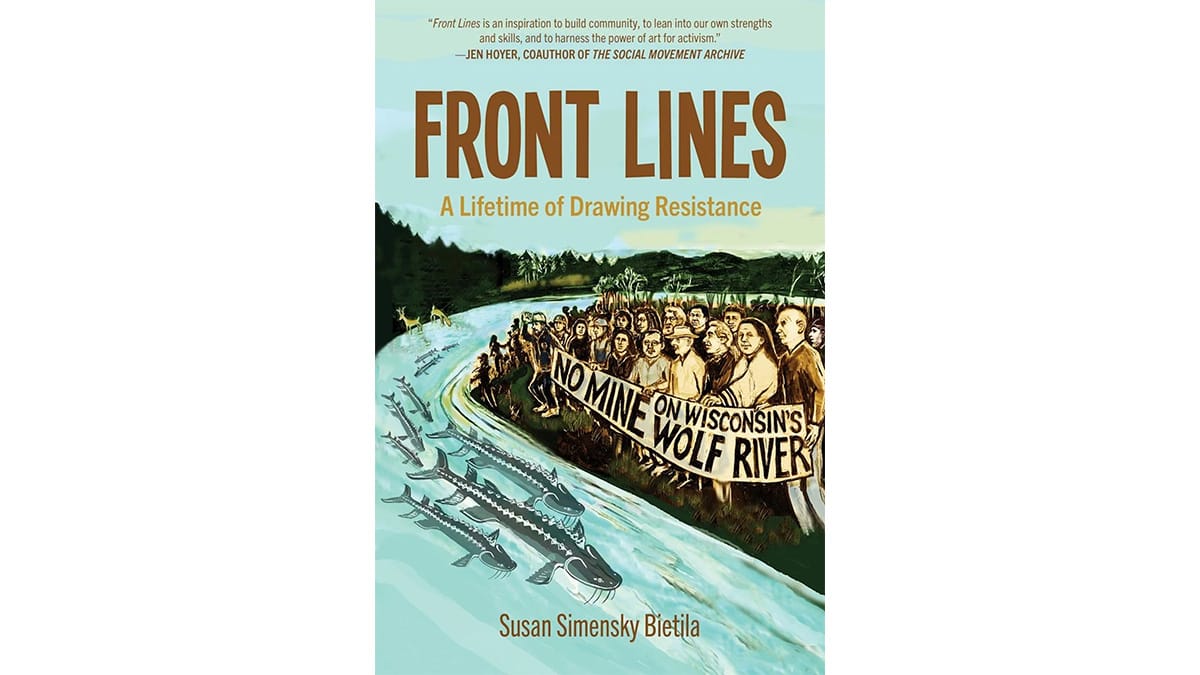
Susan Simensky Bietila proudly makes art on the front lines of activist movements. She starts this impressive memoir by sharing her own family's history, from fleeing the pogroms of Russia to living in government housing in Brooklyn's East New York neighborhood. The book is full of funny and human moments, like when she admits that her "first political jolt" occurred during the 1962 Cuban missile crisis, when she was in high school. "We were all terrified," she writes. "Some of the girls had sex with their boyfriends because they wanted to have that experience before the bomb fell."
She has also included a wide range of her editorial and activist graphics, such as her collage covers from the radical leftist publication The Guardian. The book provides ample evidence of her role in various Wisconsin environmental and labor movements, not to mention her history with early feminist activism in New York City and elsewhere. Essays, comics, graphics, and commentary convey the fascinating life she has lived as an embodied activist and artist, committed to change and leaving the planet better than she found it. —Hrag Vartanian
Chicano Camera Culture: A Photographic History, 1966 to 2026, edited by Elizabeth Ferrer | Riverside Art Museum and the University of Washington Press, March
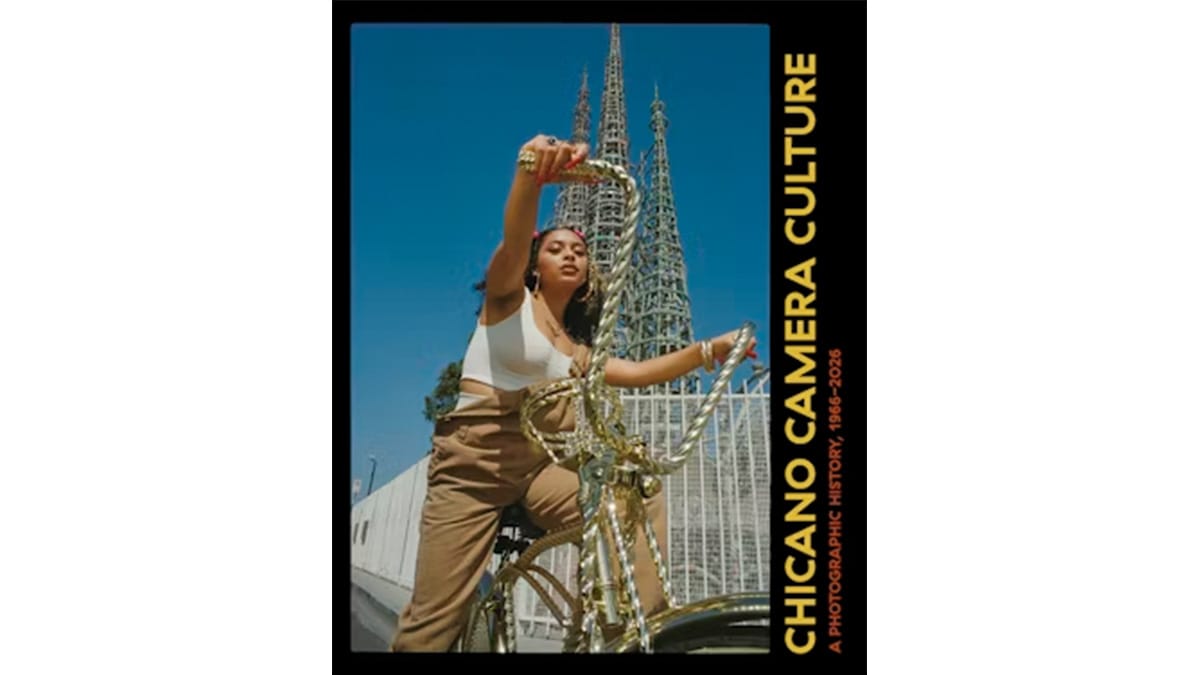
Countless images in this catalog are seared into my mind, leaving behind a layered indentation of five decades of Chicano photography in all its complexity. Coinciding with a two-venue exhibition of the same name at The Cheech and the Riverside Art Museum in California, Chicano Camera Culture is a palimpsestic ode to the photographers who documented Mexican-American diasporic identity and political movements, shaping them in turn. The late Rudy Rodriguez’s snapshot of Dolores Huerta speaking at a rally in 1974, in particular, stands as a testament to the women who molded Chicano political consciousness and to the artists who expanded its visual language. —Lakshmi Rivera Amin
Ewa Juszkiewicz: Recent Paintings by Katy Hessel, Lisa Small, Ewa Juszkiewicz, and Jennifer Higgie | Gagosian and Rizzoli, March
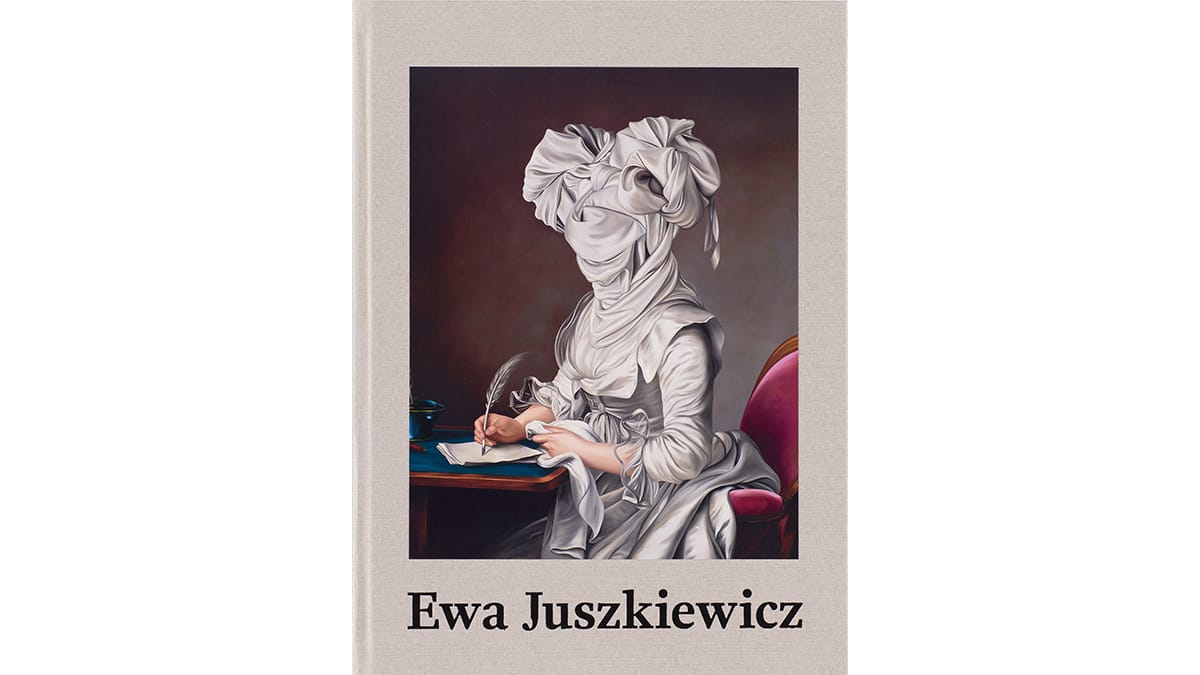
I first became obsessed with Polish surrealist painter Ewa Juszkiewicz when I encountered one of her oil portraits aptly applied to the cover of Regan Penaluna's 2023 book on forgotten women philosophers, How to Think Like a Woman. Like many of Juszkiewicz's works, it's painted in a classic 19th-century European style, depicting an anonymous woman posing poshly. But something is off: Her face is obscured, illegible — in this case, improbably wrapped in an assortment of fabrics. Other paintings see women's faces supplanted with fruit and fungi, cloth and hair, upending both the laws of biology and the traditions of female portraiture. The first-ever monograph on Juszkiewicz collects more than 30 of her works, made between 2019 and 2024, which are accompanied by wonderful essays by art historians Katy Hessel and Lisa Small, as well as a conversation between writer Jennifer Higgie and the artist. Juszkiewicz's works are all the more striking up close, rendered in the kind of detail that the monograph allows — yet no less enigmatic. —Sophia Stewart
Samurai, edited by Rosina Buckland and Oleg Benesch | The British Museum and the University of Washington Press, March
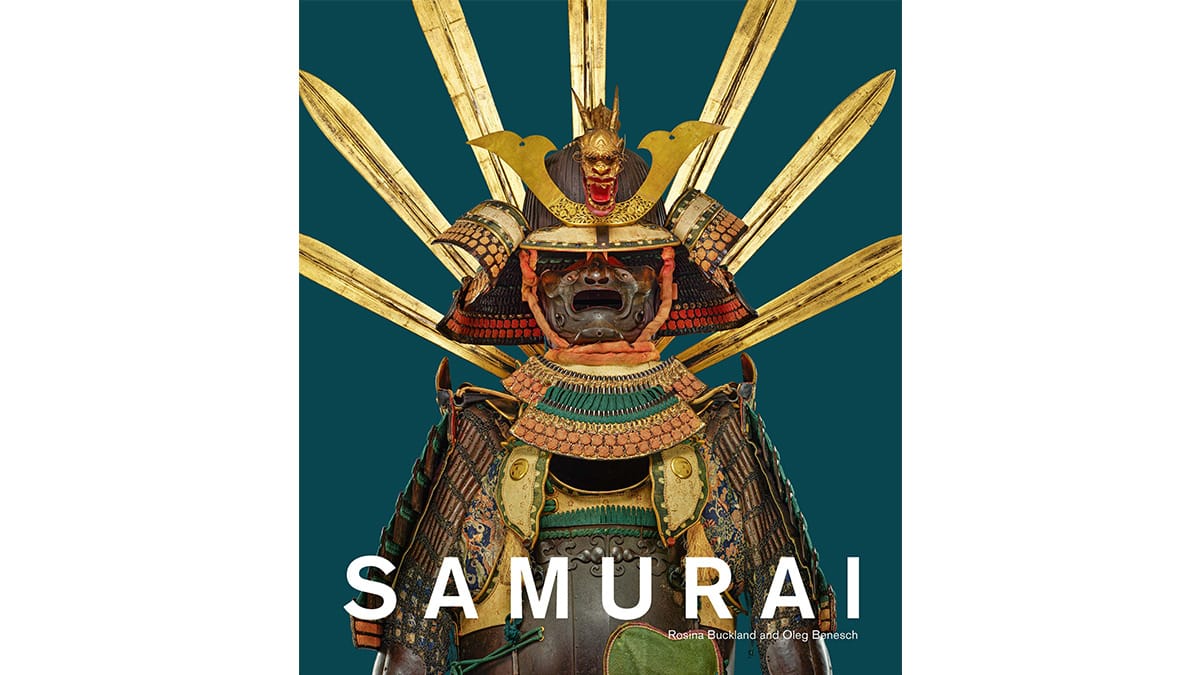
If you’re like me and will gobble up any TV about Japanese politics and warriors (Shogun or Last Samurai Standing, anyone?), then pick up this book. Stupendously illustrated, Samurai excavates the purpose, history, and even tourist stereotypes behind the historically admired yet vilified warrior class through prized Japanese artifacts and artworks. The final section is particularly rewarding, albeit concise, and considers global modern culture, fashion, media, and games that continue to popularize the cult of the samurai. I learned that some 2,000 pieces of documentation were provided to the Shogun series producers to portray the warriors as accurately as possible, one of the several intriguing nuggets in this timely book. —Nageen Shaikh
No New York: A Memoir of No Wave and the Women Who Shaped the Scene by Adele Bertei | Beacon Press, March
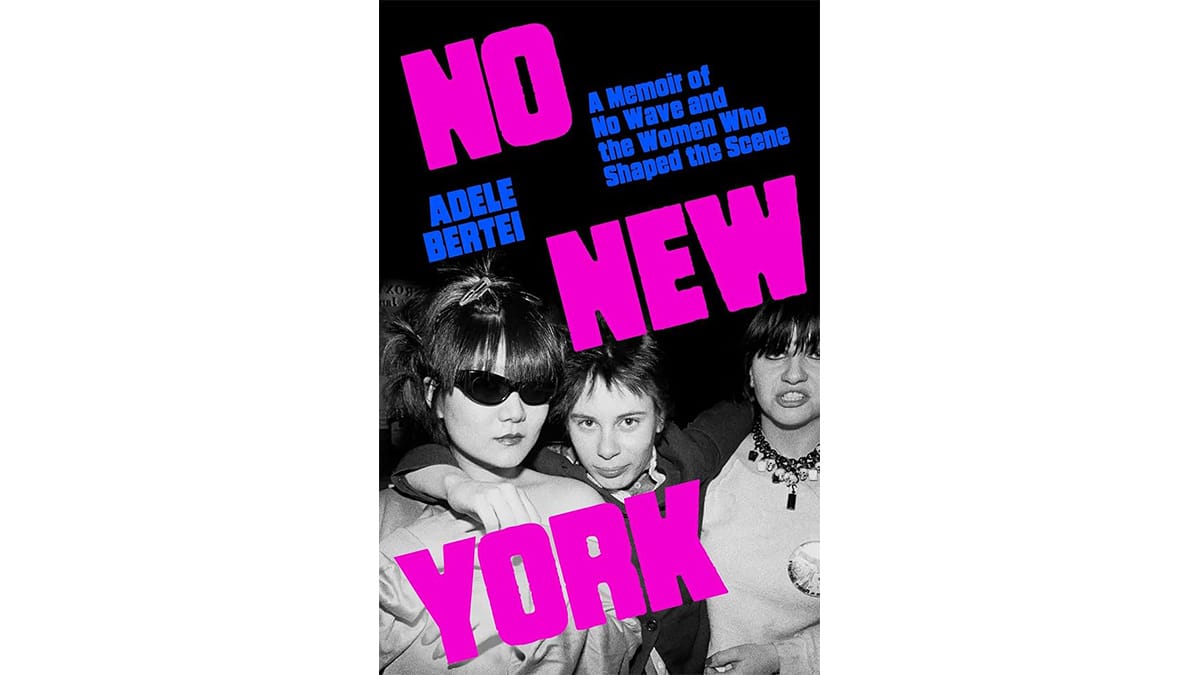
The story of No Wave — a countercultural avant-garde music and visual art movement born in downtown New York in the 1970s — has been told, but not like this. No New York focuses on the overlooked women of the movement, and purports to be diaristic rather than academic. It delivers. I knew almost immediately that writer Adele Bertei — who was also Brian Eno’s assistant — was my kind of girl. With chapter headings like “Heaven and Hell,” “Surreal Vertebrates,” and “Lock Up Your Daughters,” her voice is so alive that you’re just tided along until you look up and find yourself, sadly, back in the 2020s. —Lisa Yin Zhang
Uman: After all the things... by Amy Smith-Stewart, Ilka Scobie, and Cybele Maylone | The Aldrich Contemporary Art Museum and Gregory R. Miller & Co., March
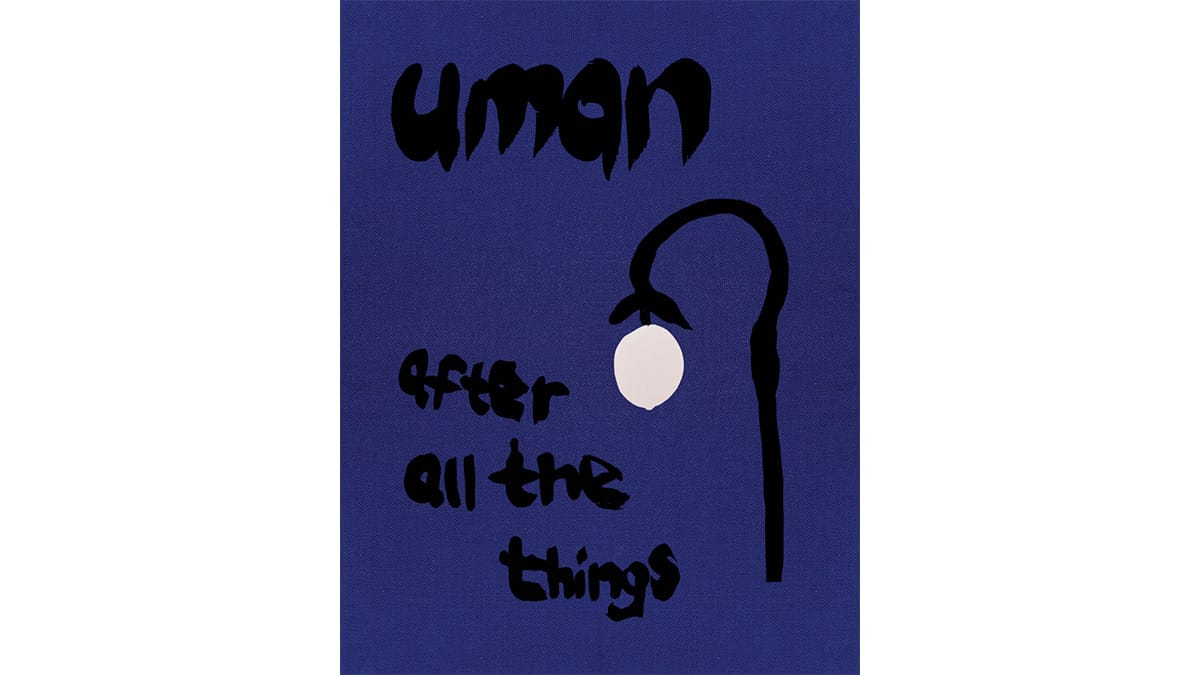
The Somali-born, Upstate New York-based painter Uman’s calligraphic line just makes me happy, man. So this catalog accompanying her solo show at the Aldrich Art Museum, starting with its handwritten-and-illustrated cover, made me happy, too. The text itself is pretty straightforward — just a foreword by Executive Director Cybele Maylone, a short poem by Ilka Scobie, and an essay by curator Amy Smith-Stewart. The real draw to me is those reproductions, which are tough to beat — dancing, cantering, meandering lines; blooming, bleeding, bursting colors; a whole universe that is curious, alive, and pleased to see you. —Lisa Yin Zhang
Theresa Hak Kyung Cha: Multiple Offerings, edited by Victoria Sung | Berkeley Art Museum and Pacific Film Archive and Delmonico Books, March
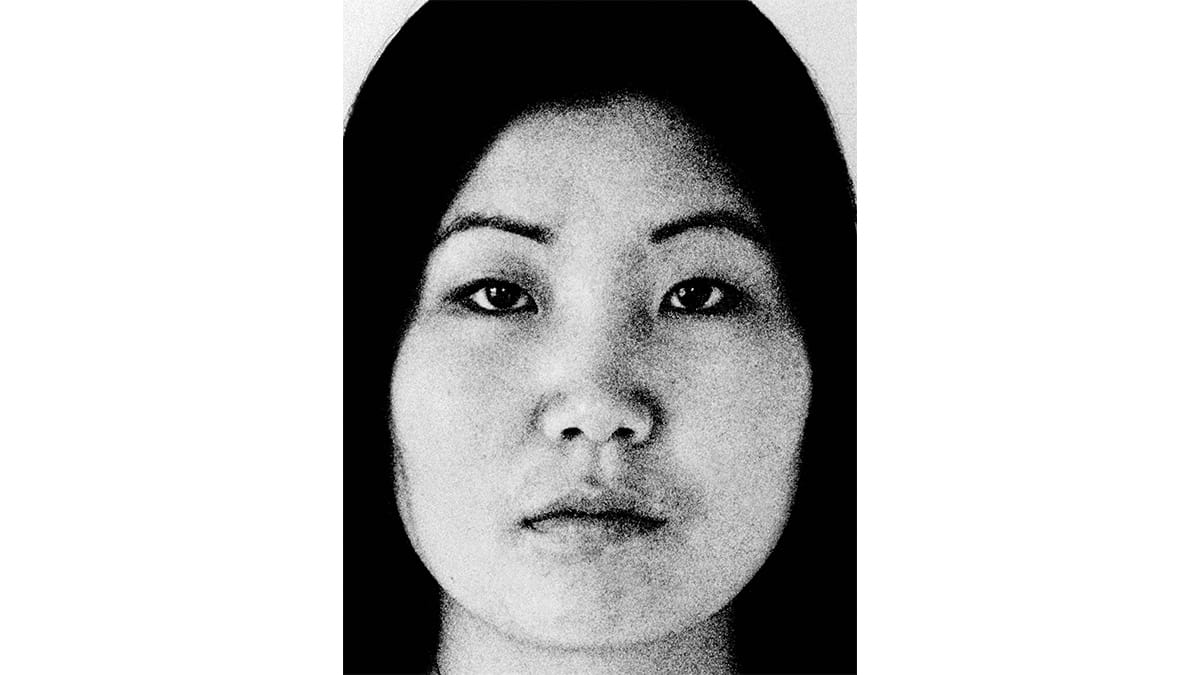
Theresa Hak Kyung Cha — an artist who worked across performance, text, and film, always foregrounding the artist-audience relation, before dying in 1982 at age 31 — is one of the major ghosts of Asian-American art. And yet she is so oft invoked that she runs the risk of being overwritten. This catalog and the exhibition it accompanies return us to first principles: the personal, political, and art historical contexts that informed her making. It includes reproductions of her early ephemeral works, previously unseen documentation, and incisive essays. I’m so pleased to see it — we finally get a clearer sense of her not just as an inspiration but as a person. —Lisa Yin Zhang
Here Where We Live Is Our Country: The Story of the Jewish Bund by Molly Crabapple | One World, April
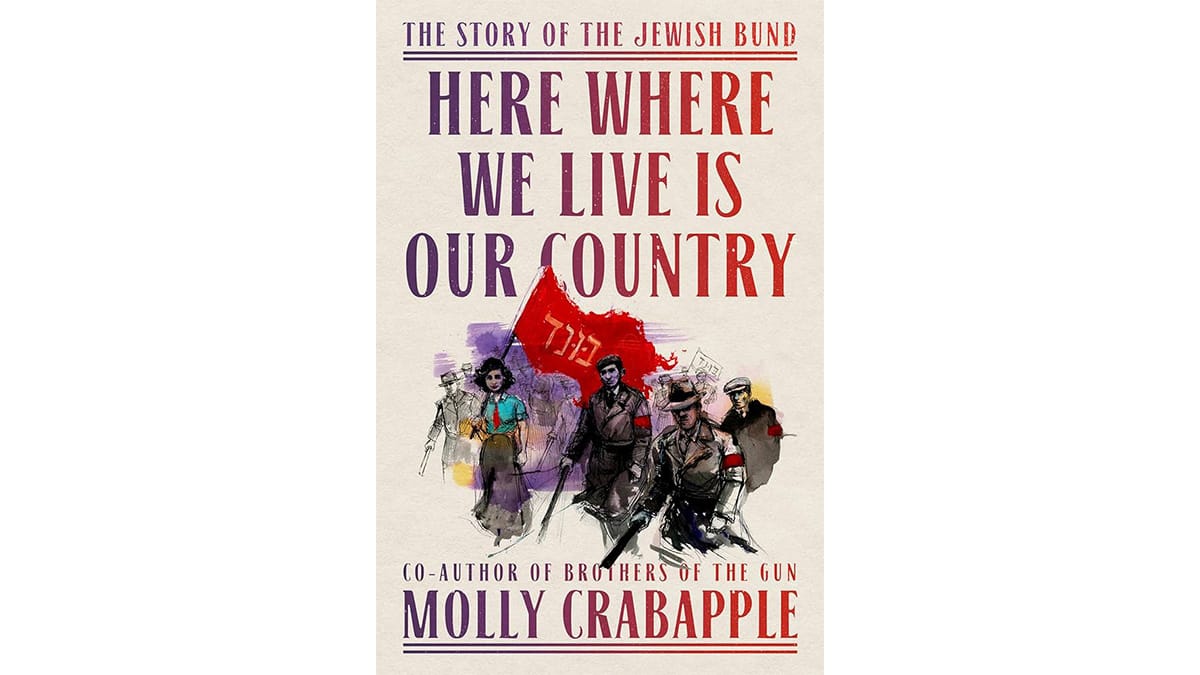
Molly Crabapple, who has adorned buildings across New York City with her murals, embodies the political spirit of artmaking. She writes just as she paints: with conviction, elegance, and lucidity. Here Where We Live Is Our Country narrates the story of the socialist Jewish Labor Bund, which formed in the Russian Empire in 1897 to cultivate networks of working-class solidarity among Polish Jewish communities, all interspersed with her singular portraits. She grounds it in a single painting that opened the door to this movement, which she spent years combing through archives to chronicle: a painting titled “Itka the Bundist, Breaking Windows” by her own great-grandfather, Sam Rothbort. —Lakshmi Rivera Amin
The Inner Passage: An Untold Story of Black Resistance Along a Southern Waterway by Virginia Mcgee Richards | The MIT Press, April
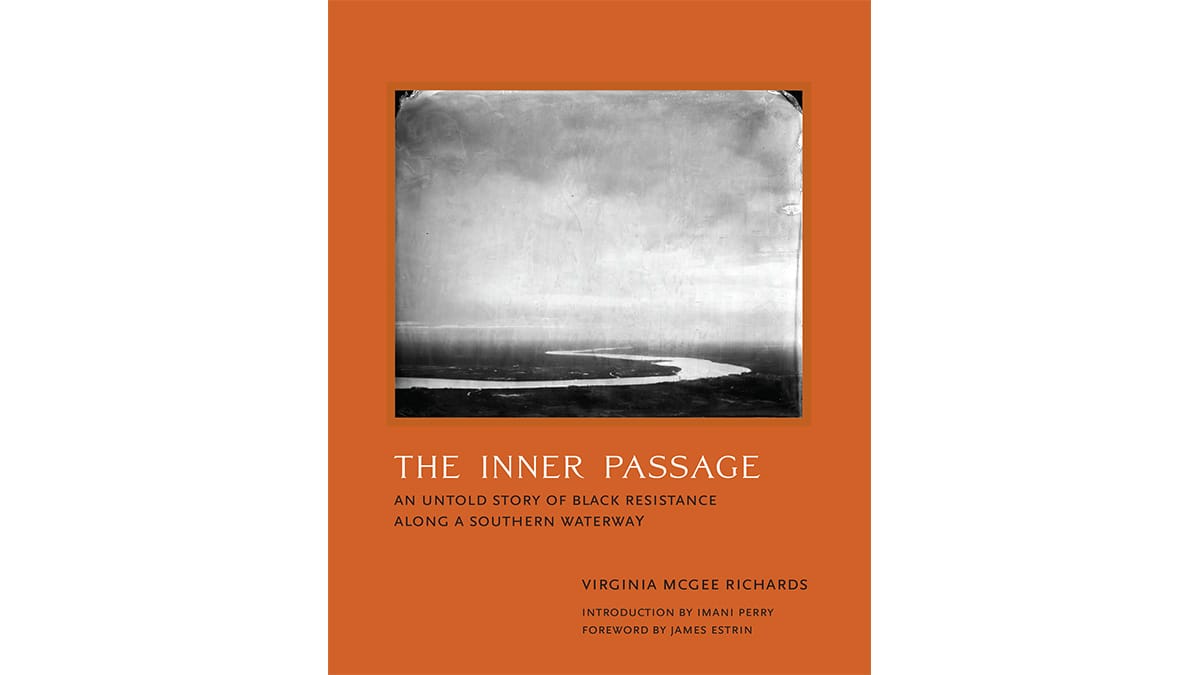
There is a waterway in the South Carolina Lowcountry that swells with centuries-old untold stories. Called the Inner Passage, it was dug by enslaved people to serve plantations, but by the grace of history’s irony, it also helped them escape to their freedom in the Spanish Florida. Photographer Virginia Richards swam in these haunted canals, spoke with descendants of the communities around them, and came back with a body of work composed of fragments of personal histories alongside 60 remarkable photos. They're the kind of photographs and stories that stay with you for a while. —Hakim Bishara
Raphael: Sublime Poetry by Carmen C. Bambach | The Metropolitan Museum of Art, April
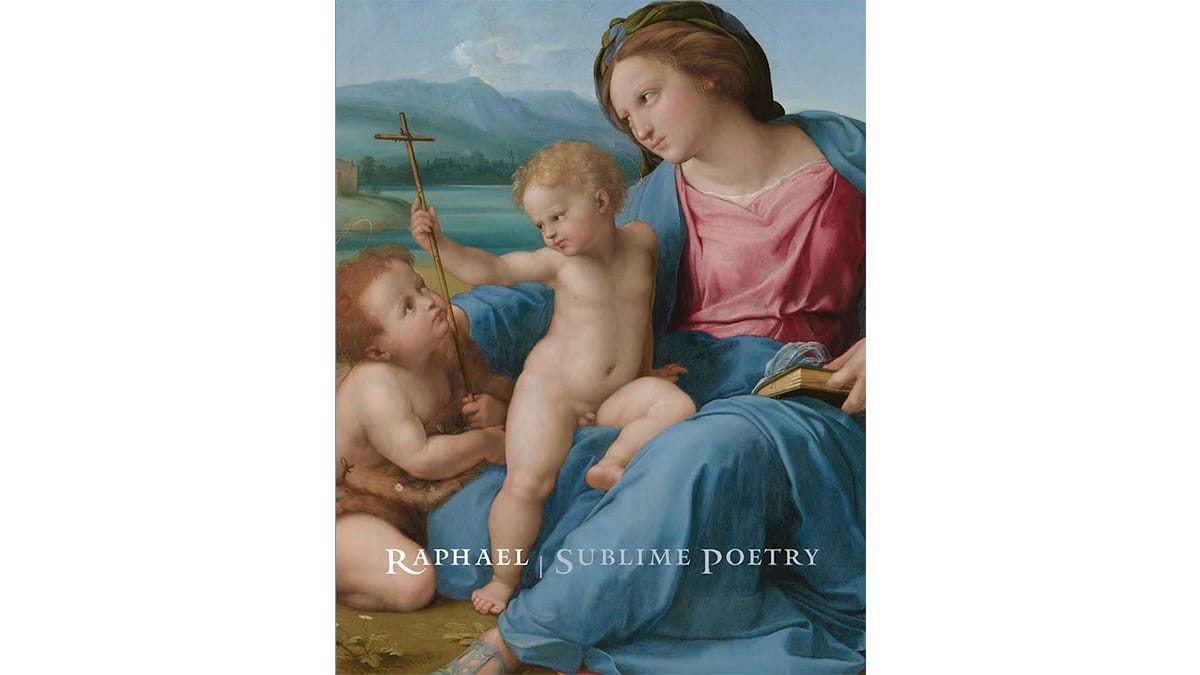
The Met’s Raphael exhibition, which opened to the public mere days ago, is a feat — more than 170 of the artist’s works, arranged on ultramarine-blue walls that funnel you toward his masterpieces like the nave of a cathedral. So, too, is the catalog. There’s more than a full spread’s worth of acknowledgements of the art workers at various institutions that helped make this happen, which I love to see, and 400 pages of (mostly) chronological overview of this prince among painters. I came away with a new appreciation for his hometown pride, his hustler attitude, and the life story that underpins his unparalleled depictions of mother and child. —Lisa Yin Zhang