A New Richard Avedon Documentary Lets Him Down
Director Ron Howard is a gun for hire, and it shows in this conventional documentary about the famed photographer.

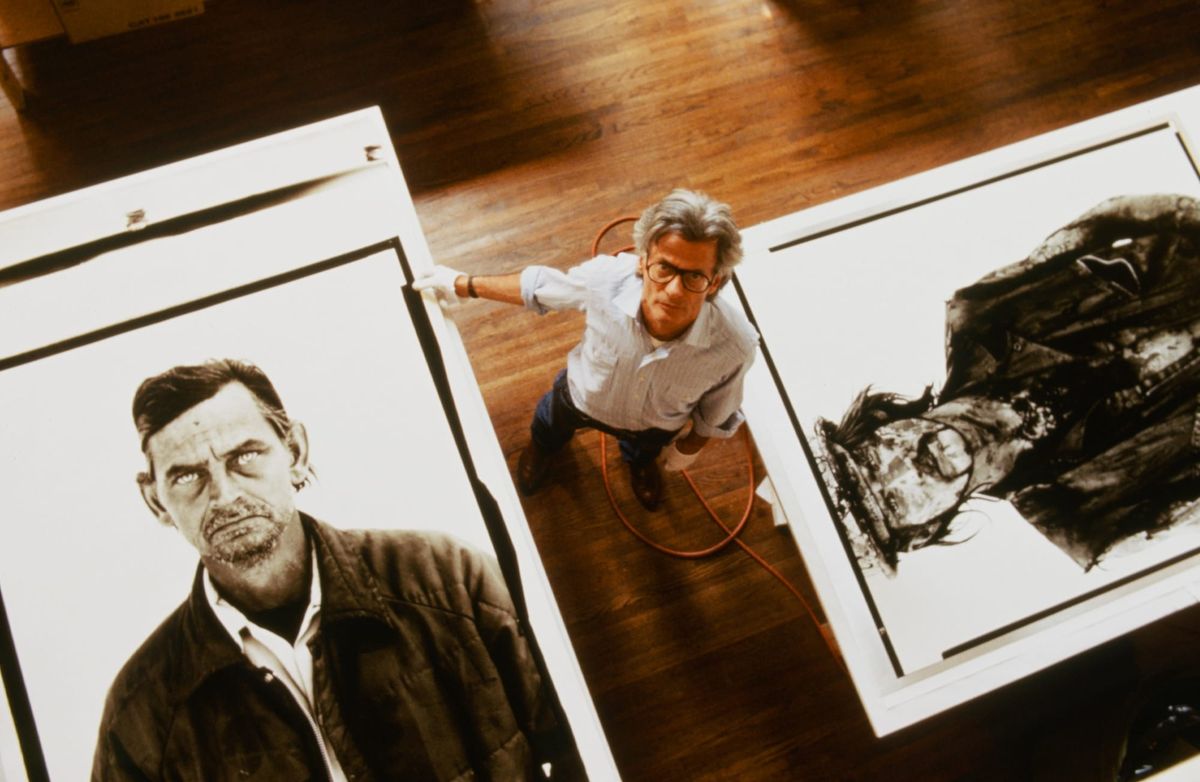
CANNES, France — By his reckoning, Richard Avedon’s memoir was his work. Early in the new documentary Avedon, which recently premiered at this year’s Cannes Film Festival, the famed lensman says in an archival interview that he was “writing an autobiography with the faces of the people I photograph.” It would be fascinating to take this idea seriously and compare the ideas and emotions Avedon’s photos express with his circumstances and feelings when he took them. Instead, the film is a conventional tour of his life; the stories about his well-known pictures are related as straightforward behind-the-scenes peeks, interlaced with simple attestations from talking heads.
“Convention” is the name of director Ron Howard’s game. He’s previously directed documentaries about Luciano Pavarotti, the Beatles, and Jim Henson, and produced one about French street photographer JR, but the only authorial hallmark they share is a general disinterest in the artistic process. (He also directed a non-documentary adaptation of JD Vance’s memoir, which he’s probably glad people tend to forget.) The variety of fields represented by these subjects does not seem to link with omnivorous cultural affections. An easy barometer for identifying hackwork in these kinds of documentaries is gauging the creativity of their needle drops. This one starts with “I Turn My Camera On” by Spoon.
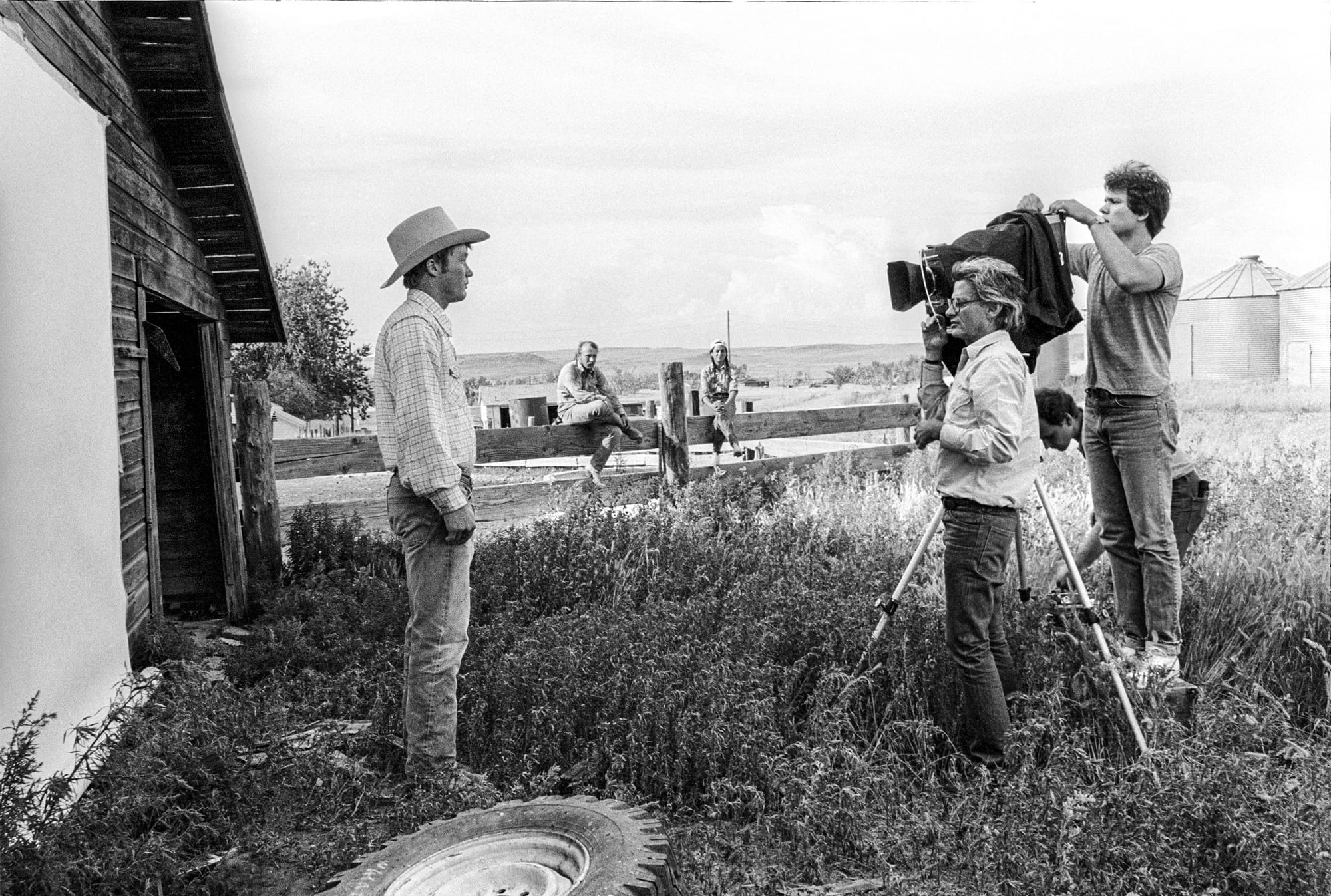
One scene explains that Avedon switched from using a Rolleiflex (which he’d have to hold up to his face) to a large-format 8x10 camera (which he could control remotely) so he could stand beside rather than behind his equipment, letting him interface more easily with his models. This is where technique meets aesthetics, and it’s one of the few tangible technical explanations in Avedon, which is otherwise mostly fixated on how he made the people he photographed feel, how he got them to open up and be more authentic for his camera. While that side of his work is relevant, it also feels like an excuse for Howard to pull out famous people like Isabella Rossellini to maintain audience engagement.
There are glimpses of the more interesting investigation that could have been. Artist and interviewee Yolanda Cuomo describes books and magazines as “paper cinema,” which may scan as a silly oversimplification, but could yield productive insights if realized by the film. Avedon says he formed his distinctive, eventually quite influential style of photography — emphasizing kinetic gesture rather than stillness in his subjects — by adopting the mindset of a choreographer, consciously emulating what he saw in Fred Astaire movies. Years later, he was an inspiration for Astaire’s character in the 1957 musical Funny Face; he made designs for the film, and Astaire consulted him on his craft. This is a terrific example of a cultural feedback loop: Cinema begets Avedon’s sensibility, which in turn shifts the cinematic gaze. But the documentary understands this as little more than a cute aside, rather than as artistically illuminative.
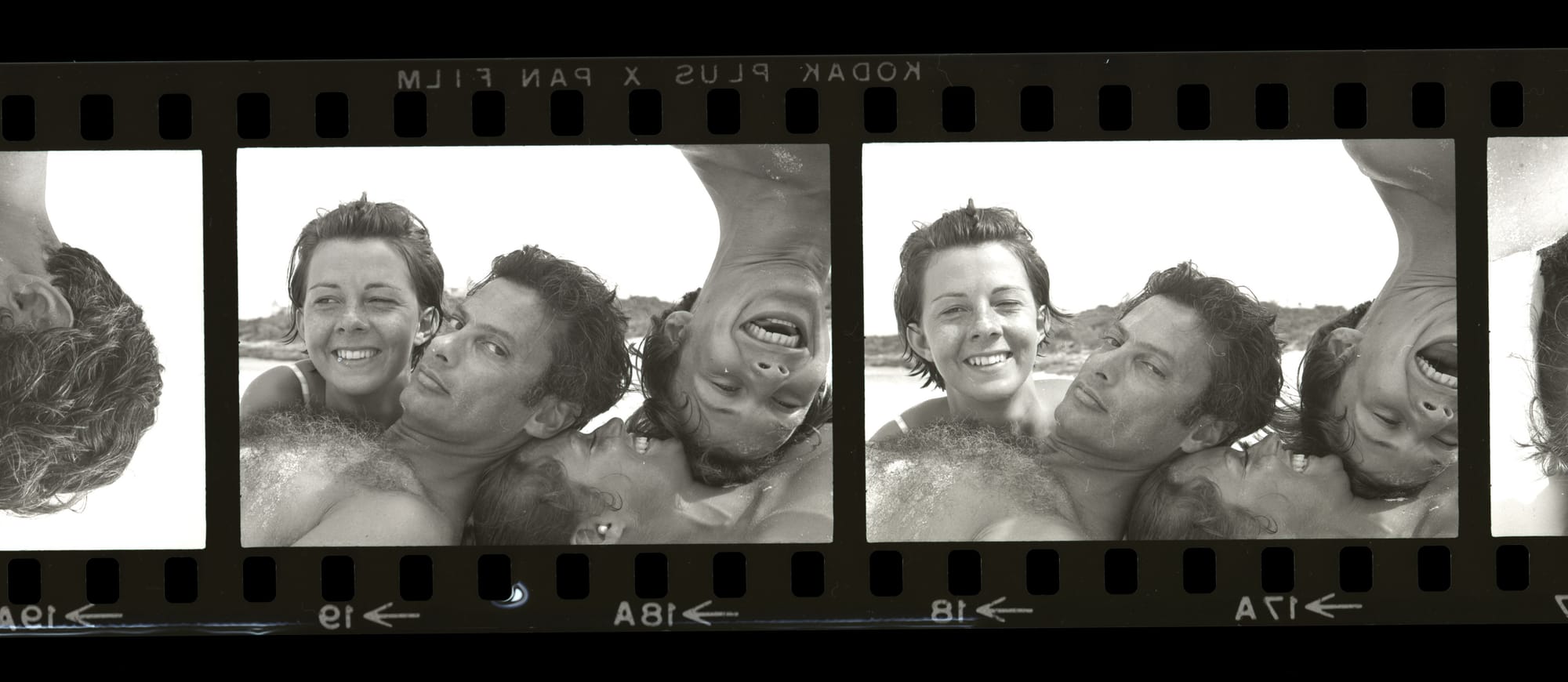
Most frustrating is that this documentary frames Avedon as simply a nebulously talented guy, rather than someone who intuitively grasped how image culture works. He called photography “the marriage of imagination and the reality of a situation,” asserting that “every photograph is accurate and none of them is the truth.” Toward the end of his life, that philosophy let him correctly forecast how changing technology would affect photography and image sharing: “I don’t think there will be photographers in the future …. I think there will only be machines, information funneled into the information place.” A cannier biography would find more ways to explore that genius.
Ultimately, Avedon is fatally safe for the same reason so many other contemporary biopics and biographical documentaries are: a closeness with the subject or their estate. It is presumably for this reason that the film does not so much as mention questions about Avedon’s sexuality, for example. The Richard Avedon Foundation seems most invested in a reverent, non-controversial trophy it can put on display. Ironic, since one of Avedon’s most celebrated qualities was his refusal to idealize his subjects.
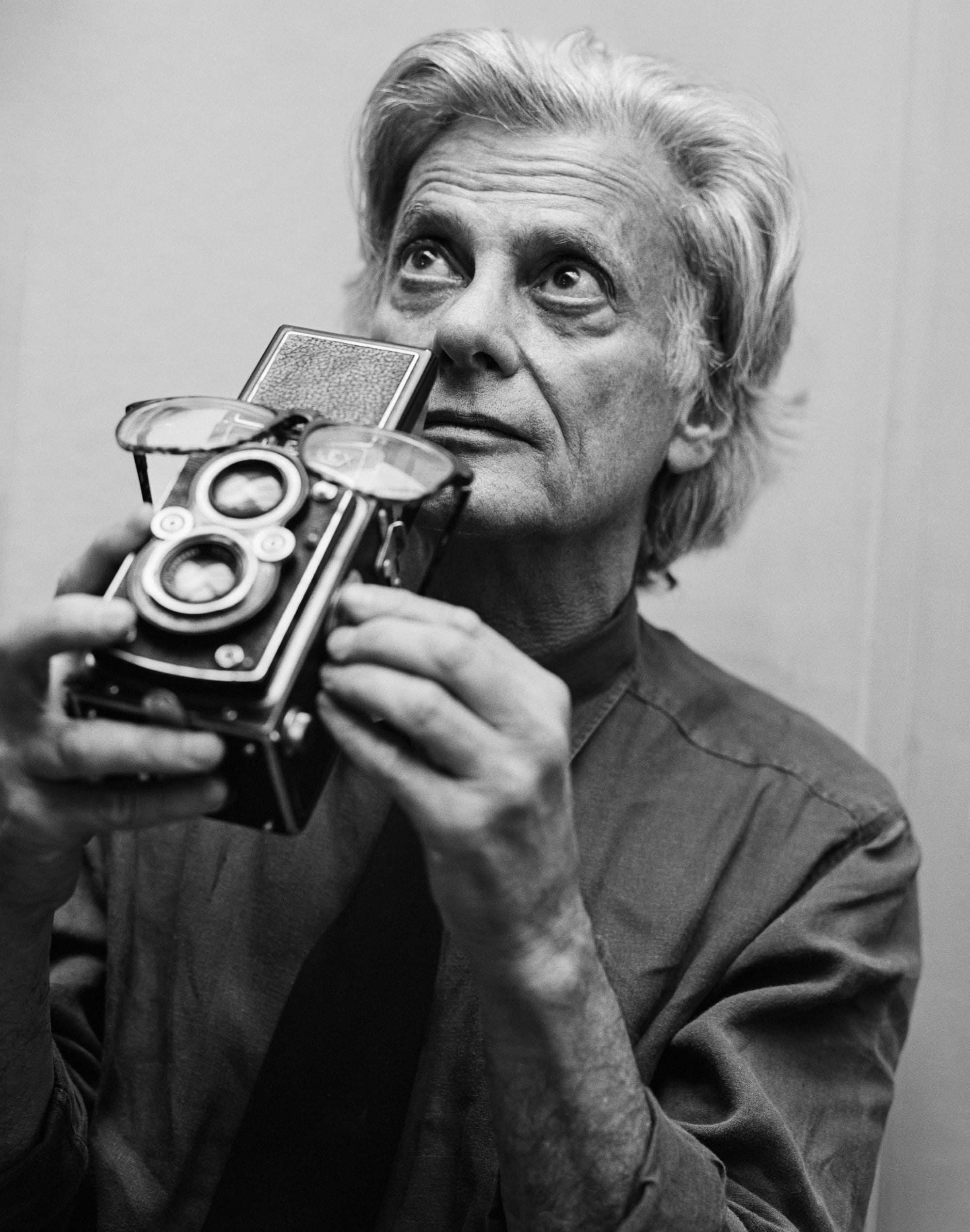
Avedon (2026), directed by Ron Howard, is playing at Cannes Film Festival at various venues around Cannes, France, through May 23.