A Somali-American Artist Speaks Out
Minnesota art orgs take a stand against ICE, Senate rescues arts funding, and what exactly is the "2016 trend"?

Amid the savagery of the Trump administration's crackdown on immigration — culminating in the killing of Renee Nicole Macklin Good — everyday Americans have shown incredible courage in pushing back against ICE's takeover of their cities. Joining them today are several Minnesota art institutions that will close their doors to protest against the cruel treatment of their neighbors.
You can read all about that today, plus a moving personal essay by Ifrah Mansour, a Somali-American artist based in Minnesota. She writes about the pain of enduring such unprecedented levels of violence and racism in the place she calls home. And yet, she believes that kindness and generosity will ultimately win.
—Hakim Bishara, editor-in-chief
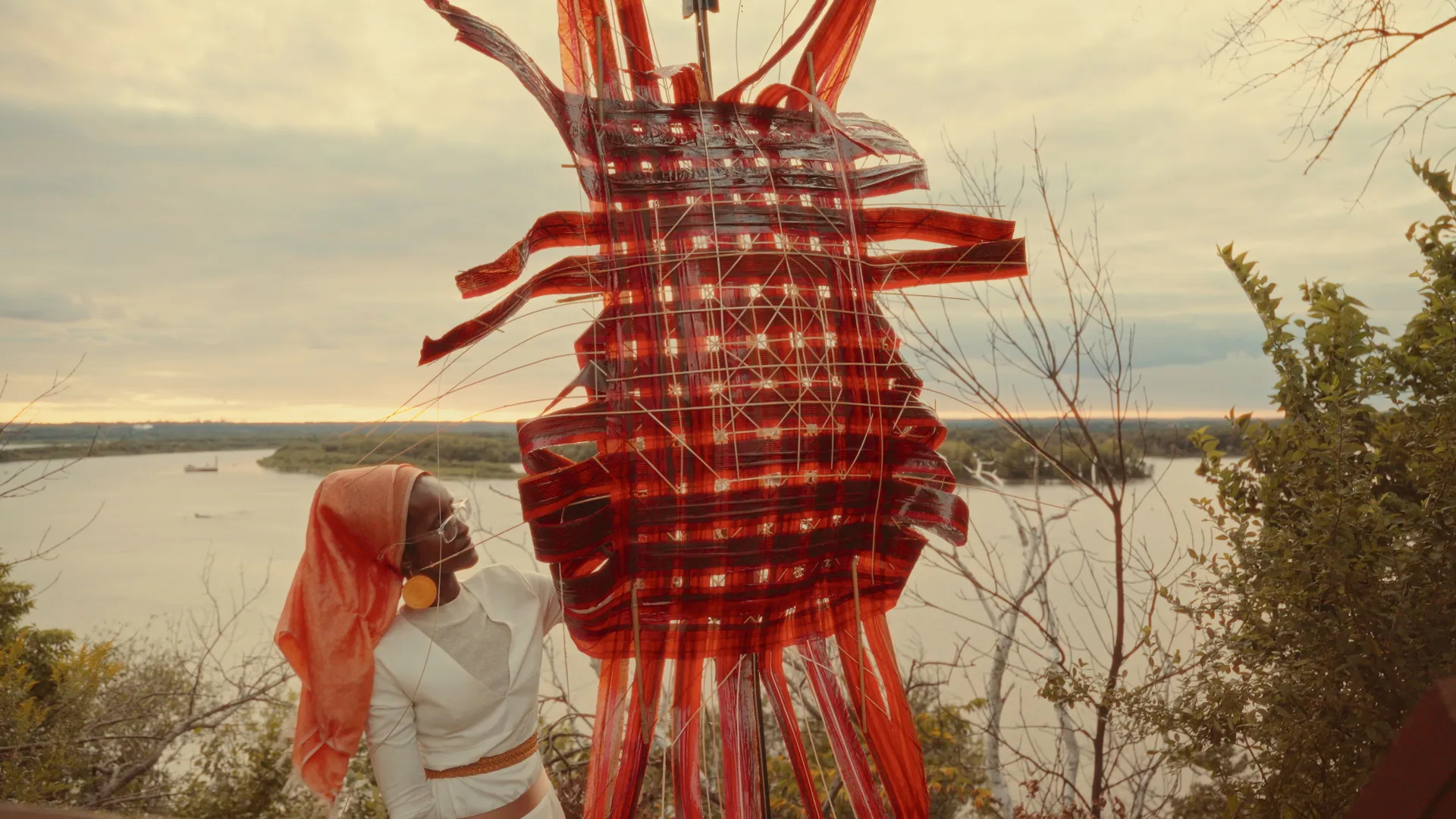
On Being a Somali Artist in Minnesota
"To live in Minnesota as Somalis at this moment can feel like being skinned bit by bit," writes Mansour, whose public artworks can be found across Minneapolis. "The pain of an entire community being bullied by a government is unimaginable — and, unfortunately, unoriginal. This has happened to so many other communities before us."
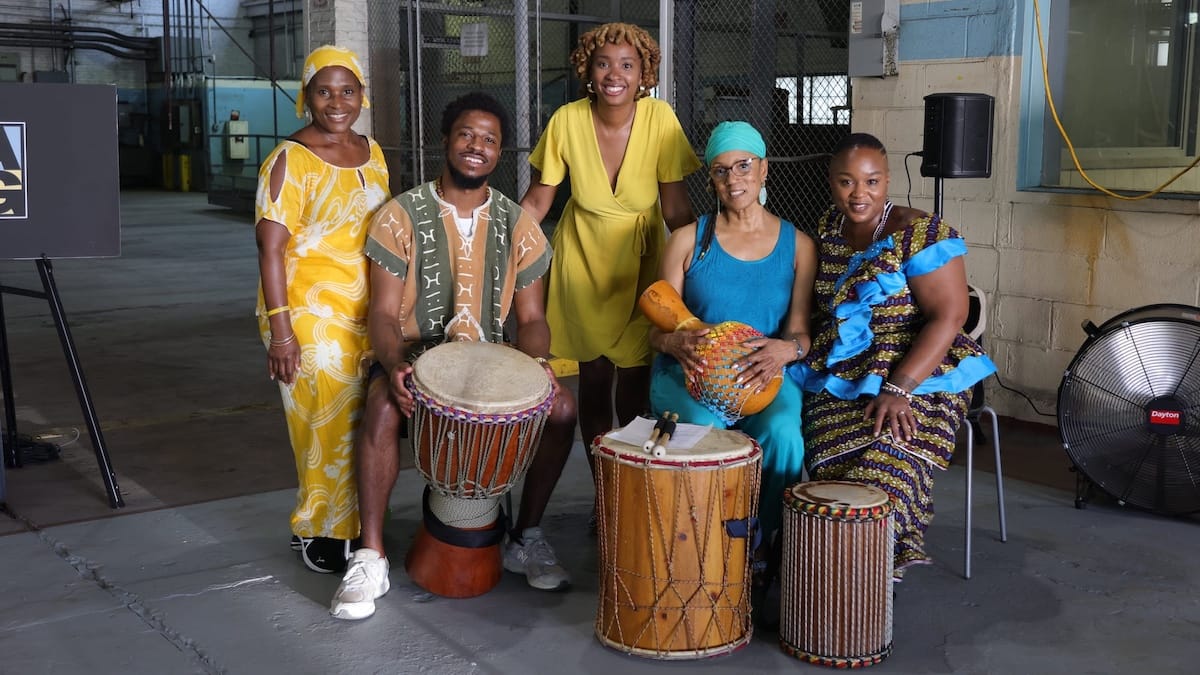
Request for Proposals: Operator for the Harlem African Burial Ground Cultural Education Center
Learn about this opportunity to develop a cultural education center at the historic East Harlem site during informational sessions in January and February.
News
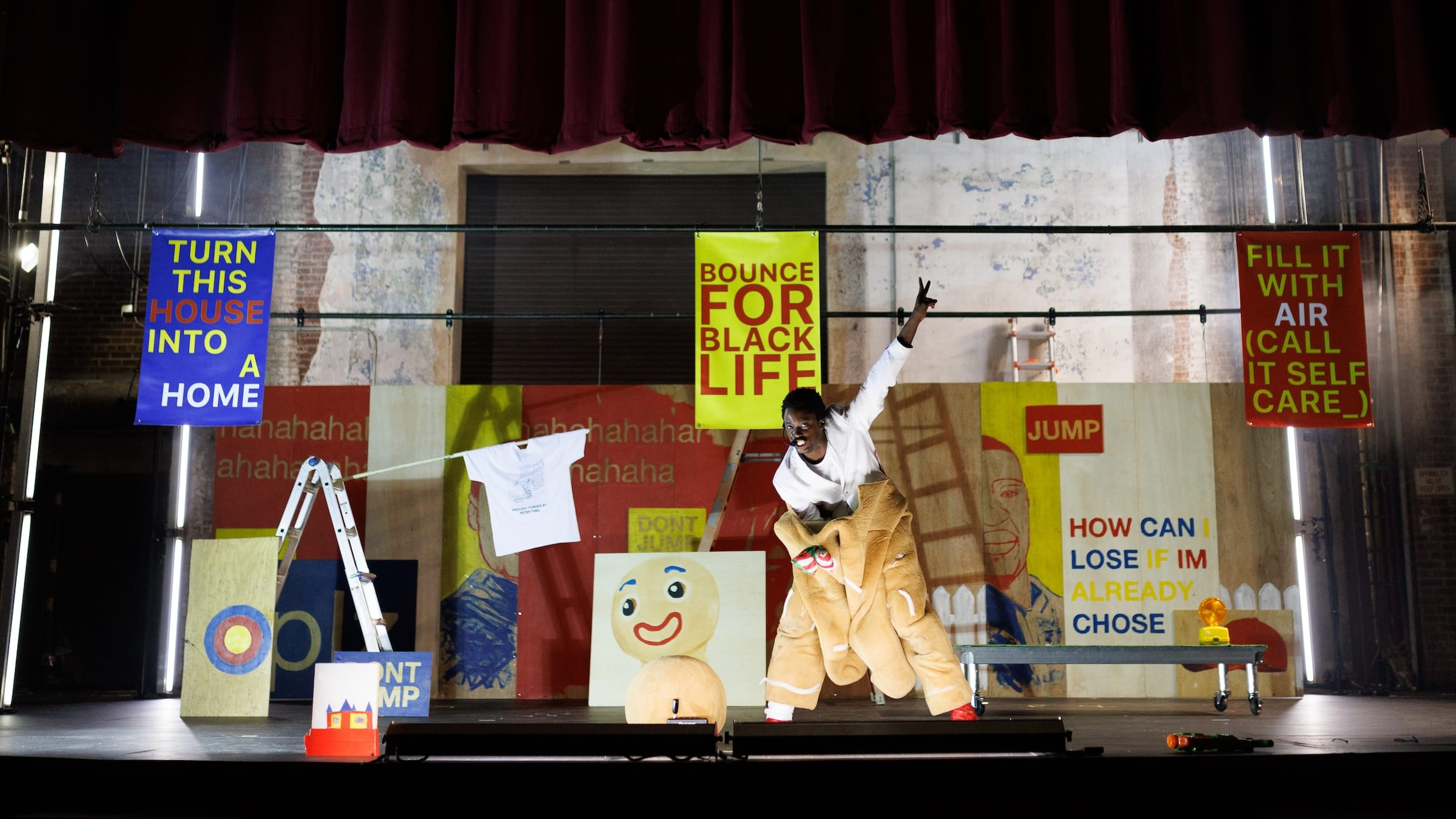
- The Walker Art Center, Minneapolis Institute of Art, and other Twin Cities art institutions are closed today to protest against ICE operations in the area.
- After months of uncertainty, the Senate has confirmed full or near-full funding for cultural organizations, including the Institute of American Indian Arts, the world’s only university dedicated to the study of contemporary Native American and Alaska Native art.
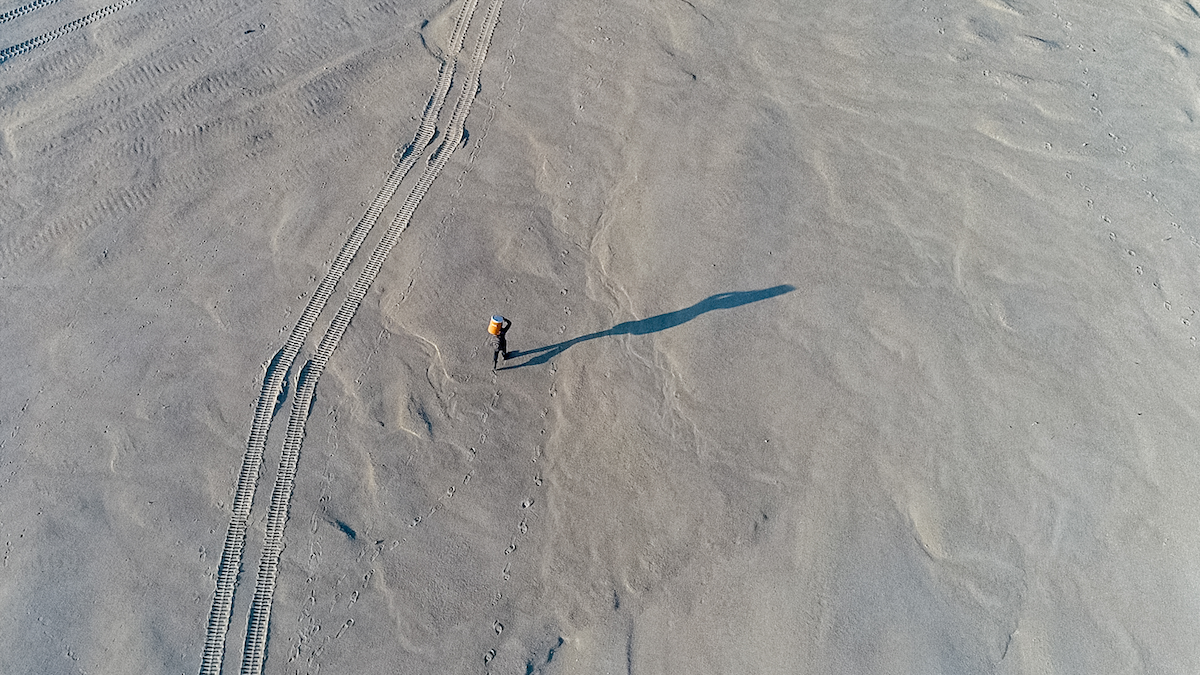
Sandcastles Tells the Tale of Two Singapores
The new short from documentary filmmaker and multimedia journalist Carin Leong explores the transient nature of humankind’s existence through sand.
From Our Critics
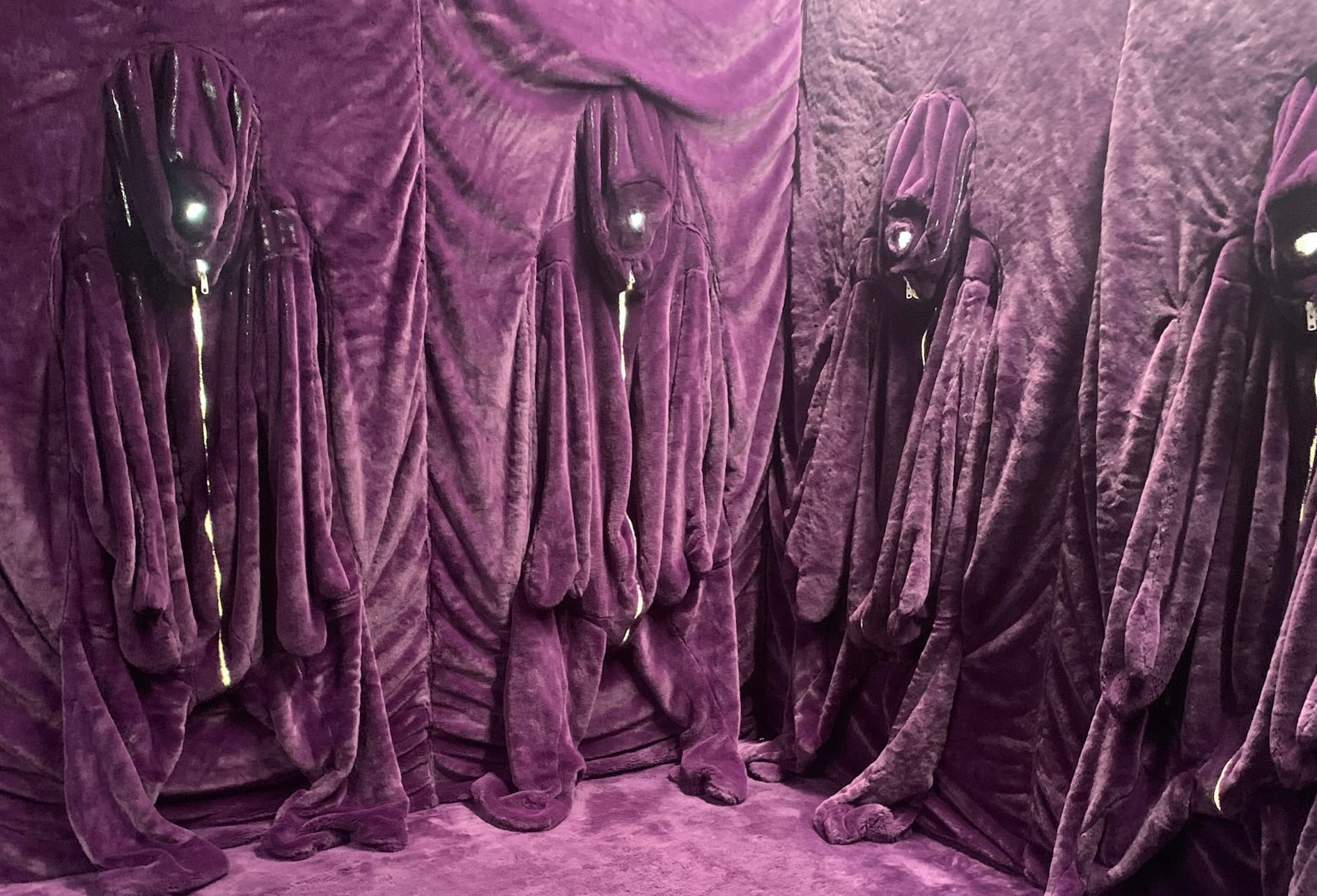
Nicola L.’s Soft Power
The late artist’s playful “functional sculptures” nod to second-wave feminism, but make a broader statement about resistance through collaboration. | Kimberly Bradley
Community
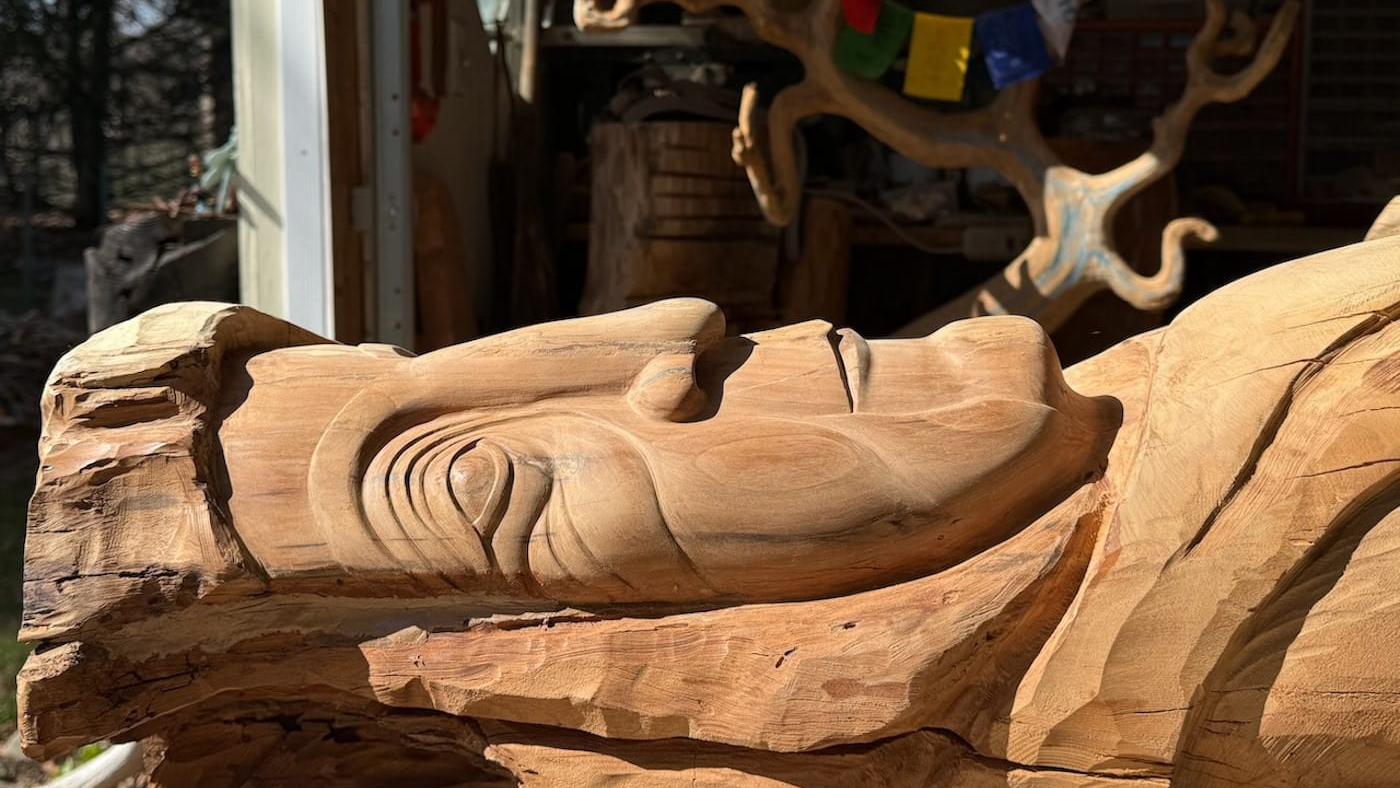
A View From the Easel
This week, Clara Cohan from Cape Elizabeth, Maine, carves faces into tree trunks, and Maria Schechter from Bloomington, Indiana, forages for color in the natural world. Your studio, in your own words, could be next!
Art Movements: New Leaders Everywhere
In this week's roundup of industry news: Creative Time, the Pennsylvania Academy of the Fine Arts, and the New Mexico Museum of Art get new leaders, plus the Whitney Museum’s head-scratching “cosmic look” at its 2026 Biennial artists.
Required Reading
Rose B. Simpson at SFMOMA, historical writers with day jobs, anti-surveillance clothing, a day in the life of an art conservator, and what is the "2016 trend"?
Member Comment
Michael Cammer on Paddy Johnson's "Art Problems: How Do I Get Into the Whitney Biennial?":
From the Archive
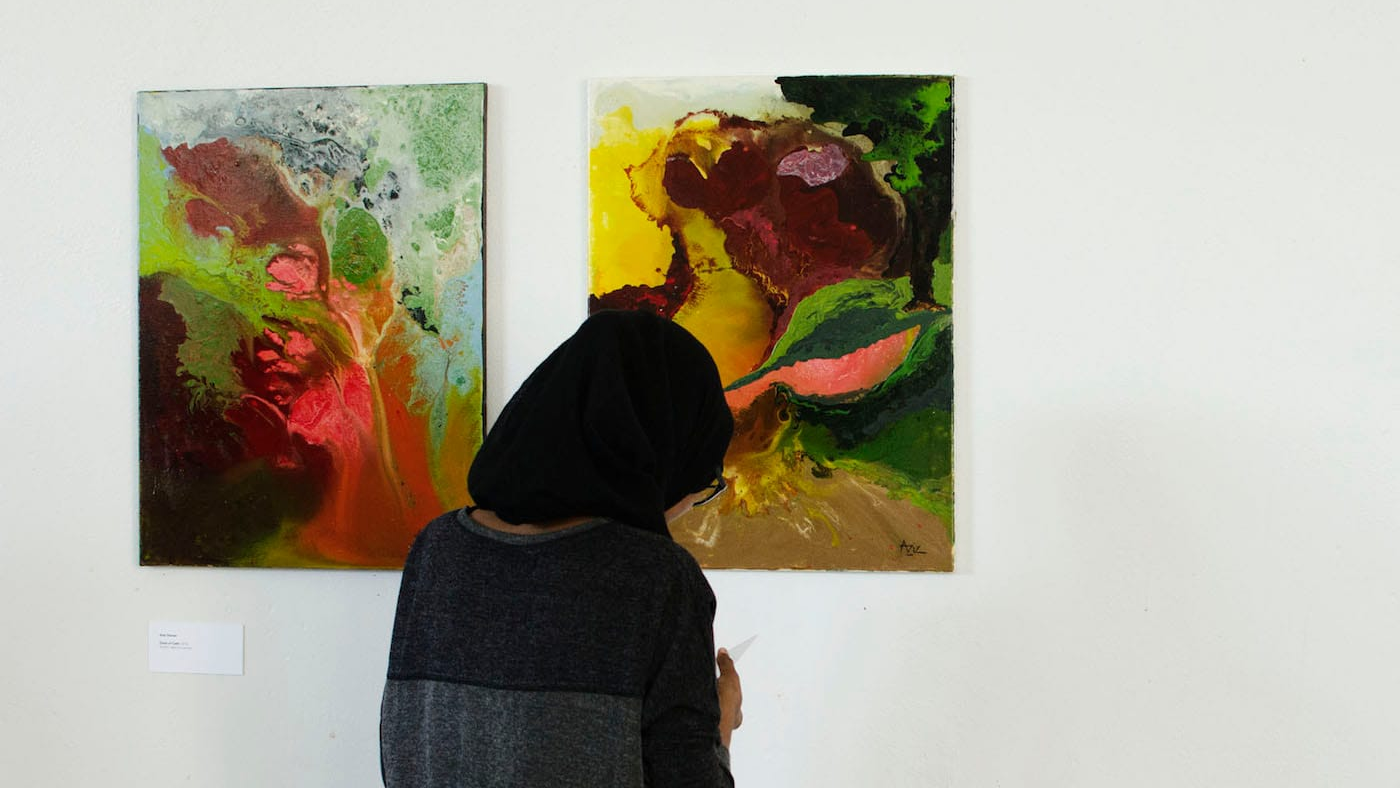
Somali American Artists Create a Space All Their Own
St. John’s Catholic Church was built in 1922 to serve the growing Irish immigrant parish that was founded in 1887 on the city’s east side. | Sheila Dickinson