A View From the Easel
“We love that we’re able to make art as queer artists inside a church.”

Welcome to the 323rd installment of A View From the Easel, a series in which artists reflect on their workspace. This week, artists carve worlds into soapstone and create alongside church community members.
Want to take part? Check out our submission guidelines and share a bit about your studio with us through this form! All mediums and workspaces are welcome, including your home studio.
Pitseolak Qimirpik, Kinngait, Canada
How long have you been working in this space?
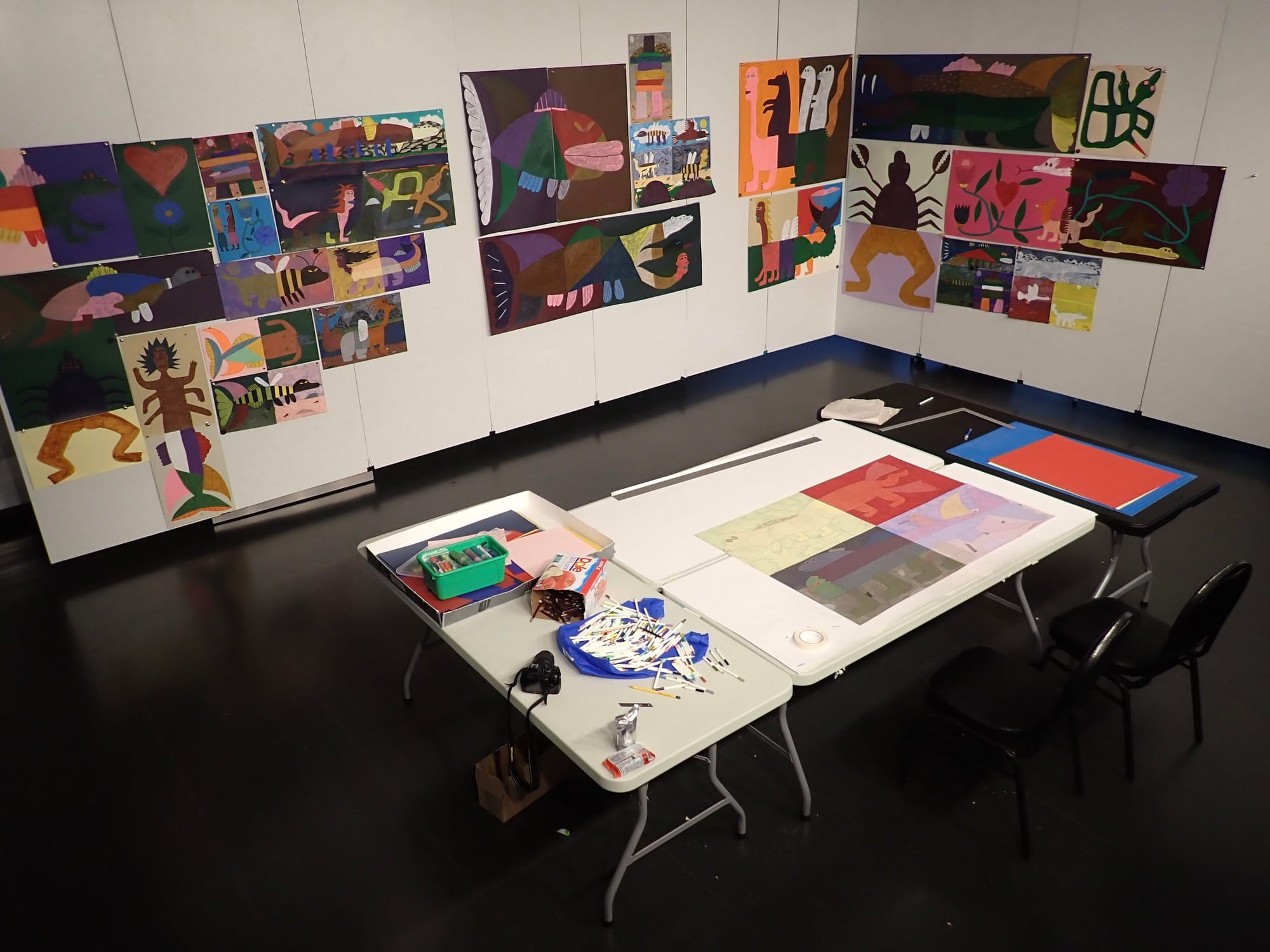
Five years ago, I started making graphic art at Kinngait Studios and now make drawings, prints, and carvings. I started carving stone sculptures when I was 14 years old (in 2000), a skill I learned from observing my father, the carver Kellypalik Qimirpik.
Describe an average day in your studio.
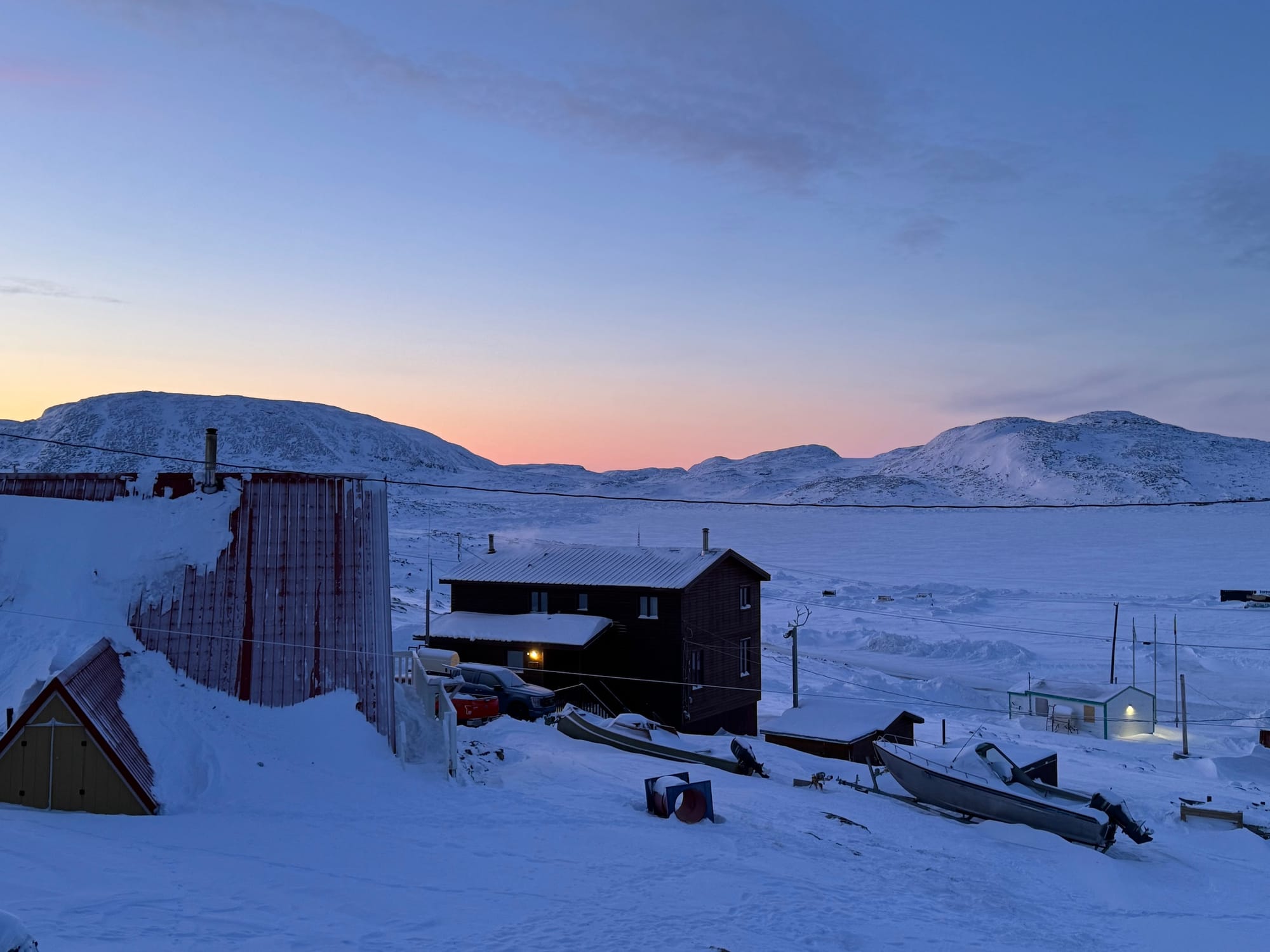
I work outside, carving and shaping the stone. Outside my house, I have a table, an extension cord, and tools. It's very cold and I have to wear all my winter clothes. When it's too cold, I do the filing and finishing work inside after I shape it outside. I listen to all kinds of music. I listen to Eminem all the time; his albums are all my favorites. For drawings, I work at Kinngait Studios or at home on my kitchen table.
How does the space affect your work?
I am influenced by the landscape, Arctic animals, and Inuit culture where I live. I am also influenced by cartoons like The Simpsons, Nintendo, DC comics, and movies. I like mixing both influences together in my work. Last year, I had a bigger space to work in at the studio, and I started making big mosaic drawings made of many sheets of paper that I arranged on the walls. These works will be in my solo exhibition at Fort Gansevoort in New York this month.
How do you interact with the environment outside your studio?
Kinngait has a very strong artist community. I am always surrounded by other artists, young and old, who work in Kinngait Studios and are part of the cooperative. There are third- and fourth-generation Inuit artists who are now working in the studios. There is a lot of artistic production and exchange happening. The younger artists learn from older generations, like I learned carving from my father, but we also make art our own way.
What do you love about your studio?
I like that it makes good money. It buys extra food.
What do you wish were different?
I like it all!
What is your favorite art material to work with?
Soft stones are my favorite. I like serpentinite, soapstone, and stone from Quebec because they are soft and easy to work with.
I also like to work with mixed media and experiment with different combinations of materials. For my sculptures, I add materials like carved caribou antler, plastic wire, and faux sinew for the details of the carved stone figures. I use a lot of colored pencils and acrylic markers in my drawings, and I am also now using acrylic on my stone sculptures, too. My drawings and carvings are the same: same shapes, same animals, same world.
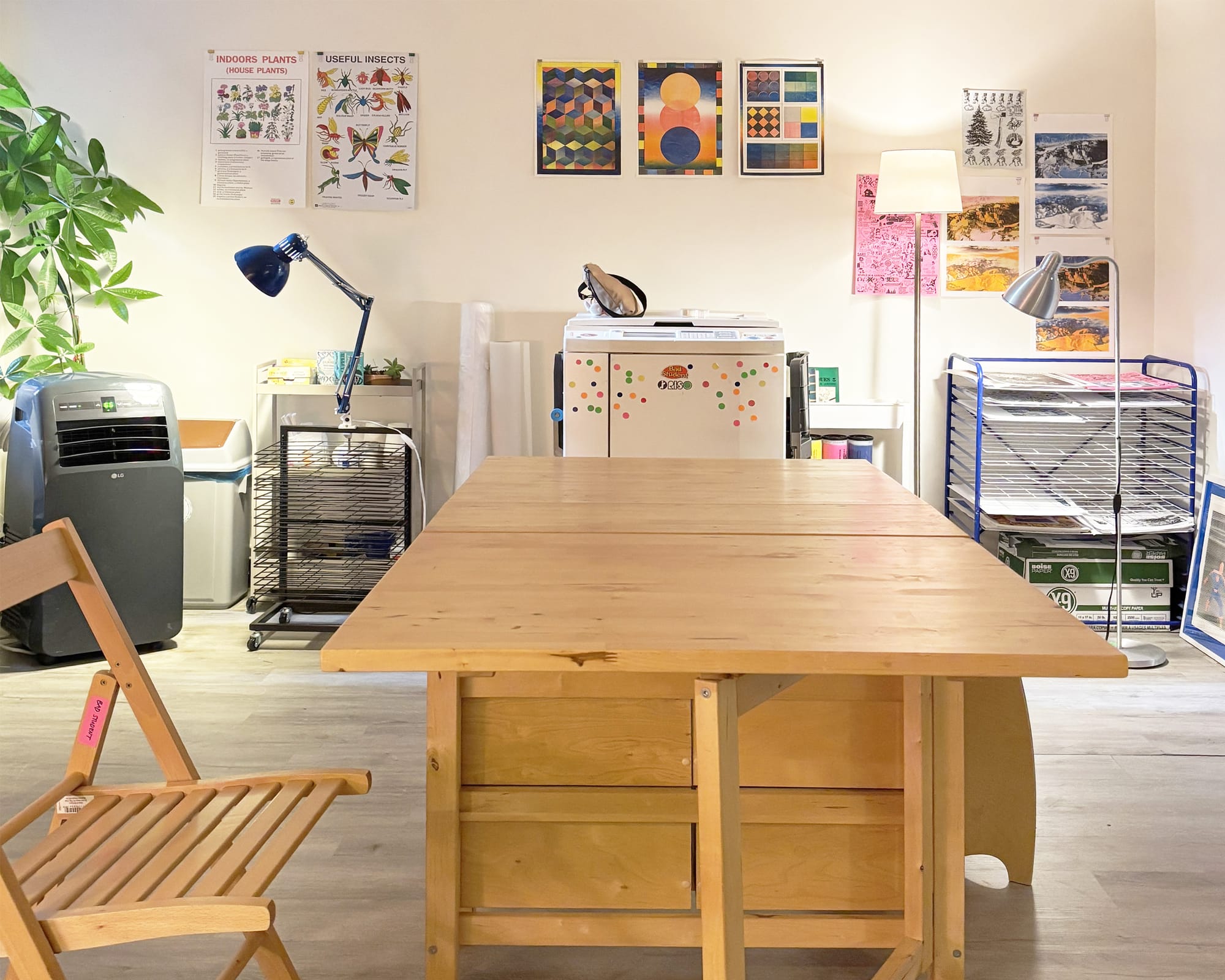
Pau Tiu and Felize Camille Tolentino-Tiu (Bad Student), Sunnyside, Queens
How long have you been working in this space?
Almost eight months.
Describe an average day in your studio.
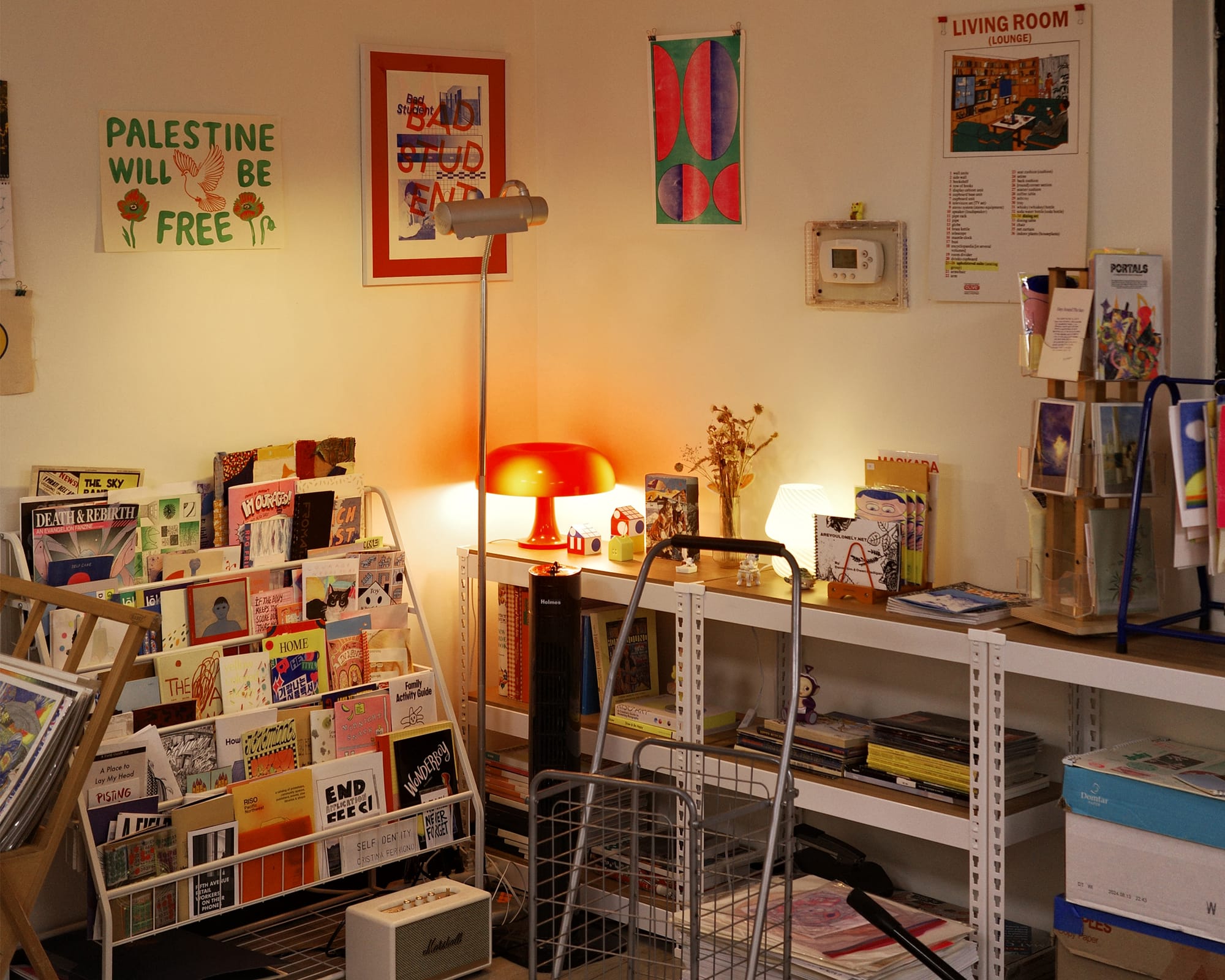
Our routine begins with walking around the neighborhood before we head to the studio. We live six blocks away from it, so we make it count by checking in with our neighbors or getting coffee from our favorite local coffee shops in the area.
We usually start our day around 2:30pm or 3pm since we share our space with a daycare center inside a church on weekdays. By 3pm, the kids are out and we can take in meetings with visitors and start our print jobs lined up.
We share one YouTube Premium account across our studios, both in New York and Rizal, Philippines. We get to listen to what our studio members are listening to in the Philippines, and they get to hear or watch what we’re up to as well. It is sort of a radio, where we enjoy everyone’s interest — be it a music playlist or a video watch list.
How does the space affect your work?
Living here in New York, especially in Queens, our studio has always been a sacred space for us. Having our studio inside a church that openly welcomes its sanctuary for queer immigrant artists like us, we feel a sense of refuge with the community we share this space with.
How do you interact with the environment outside your studio?
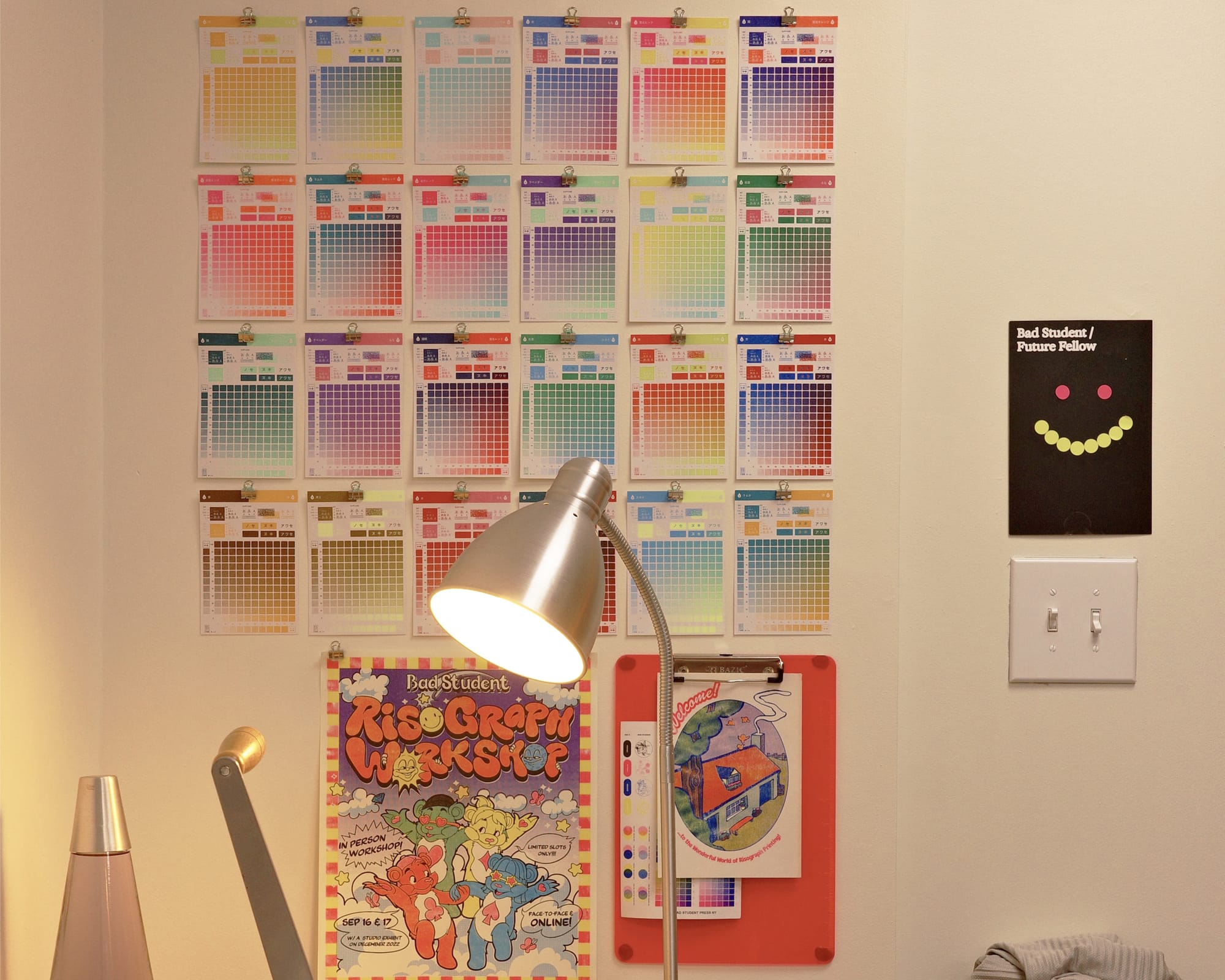
Before we called it a DIY print studio, the name of the space was "community room," where local community organizers would hold film viewings, Queer Iced Coffee hours, activities that nurture and educate our neighbors to care and protect one another — and this space still offers that, with added art from our side.
What do you love about your studio?
Our studio is located inside a church, where the space is being repurposed for more community-centered programs in Sunnyside. We love that we’re able to make art as queer artists inside a church, where we thought (for the most part) we would not be allowed.
What do you wish were different?
We wish we could have more spaces like these for artists in New York. Spaces that can be repurposed and given a new life and meaning to nourish their community.
What is your favorite local museum?
Definitely MoMA PS1 because it's pretty close to our studio and they have exhibited the local creative communities we have here in Queens.
What is your favorite art material to work with?
It will always be paper.