Alfredo Jaar’s America
We interview the Chilean artist as an iconic work returns to NYC, Trump’s attacks against abstract sculptures, James McNeill Whistler’s musical paintings, and more.

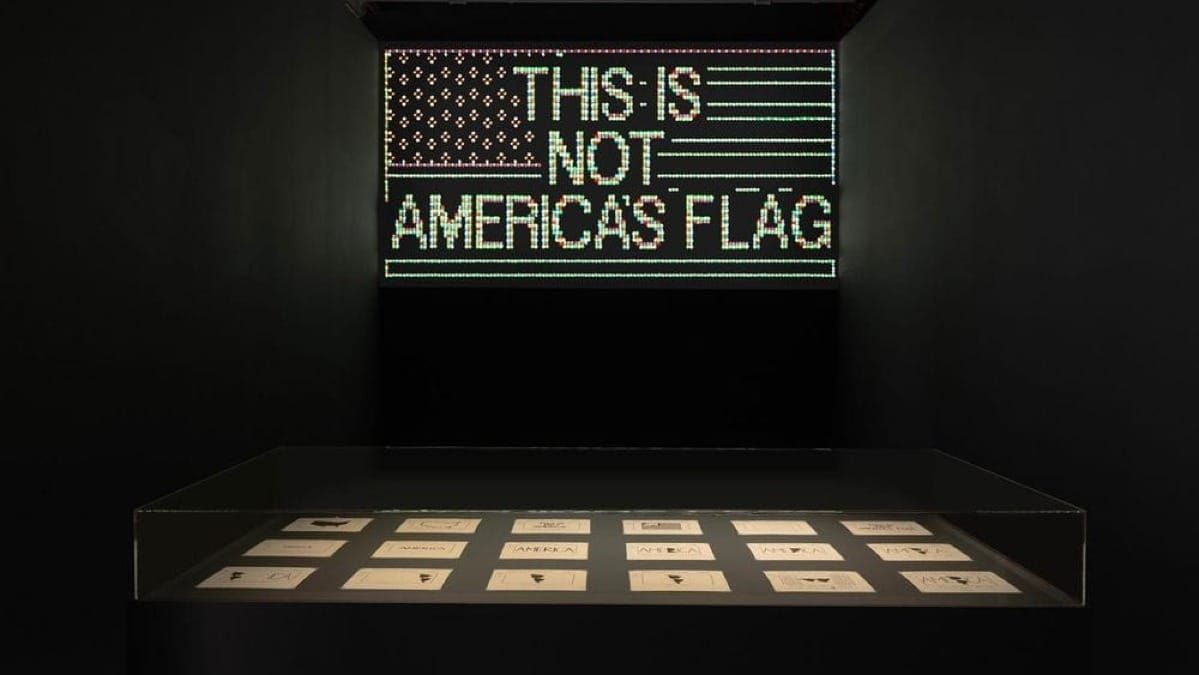
In April 1987, a message flashed across the screens of Times Square: “This Is Not America.” Chilean artist Alfredo Jaar’s A Logo for America has one very clear message at its center: “America” consists of many countries, not just the United States. Almost 40 years later, on the occasion of the work’s return to New York, Editor-in-Chief Hakim Bishara sits down with the artist to talk about “America” and a US that is radically transformed and yet, Jaar says, essentially the same. He’s a pessimist of the intellect — hard not to be, right? — but certainly a warrior at heart.
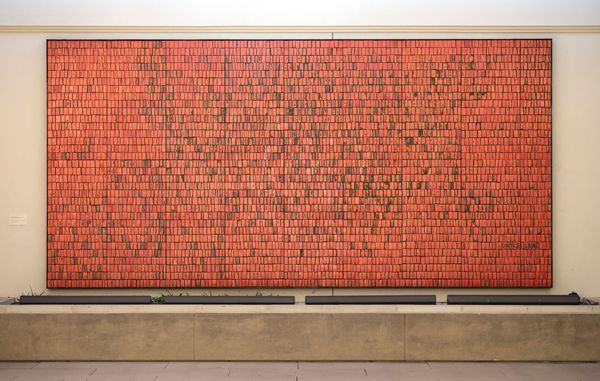
To Jaar’s point, it’s not 1987 anymore, but we’ve got yet another strongman leader waging yet another culture war here in the US. Trump’s latest target: abstract sculpture? He wants to erect a 30-foot-tall statue of George Washington in place of José de Rivera’s rotating stainless steel Möbius strip outside the National Museum of American History in Washington, which, in his words, “tells visitors nothing about America, inspires no one, and honors none of our Great American Heroes.” Tell me you don’t understand art without telling me you don’t understand art, Mr. President.
Much more in today’s issue, including James McNeill Whistler’s mellifluous paintings at Tate Britain, a Keith Haring mural that might make Philadelphia’s Register of Historic Places, and protests over a sponsor of the Bayeux Tapestry’s financing of a community center in an illegal Israeli settlement in the Occupied West Bank.
— Lisa Yin Zhang, associate editor
Alfredo Jaar Is Still Trying to Change the World
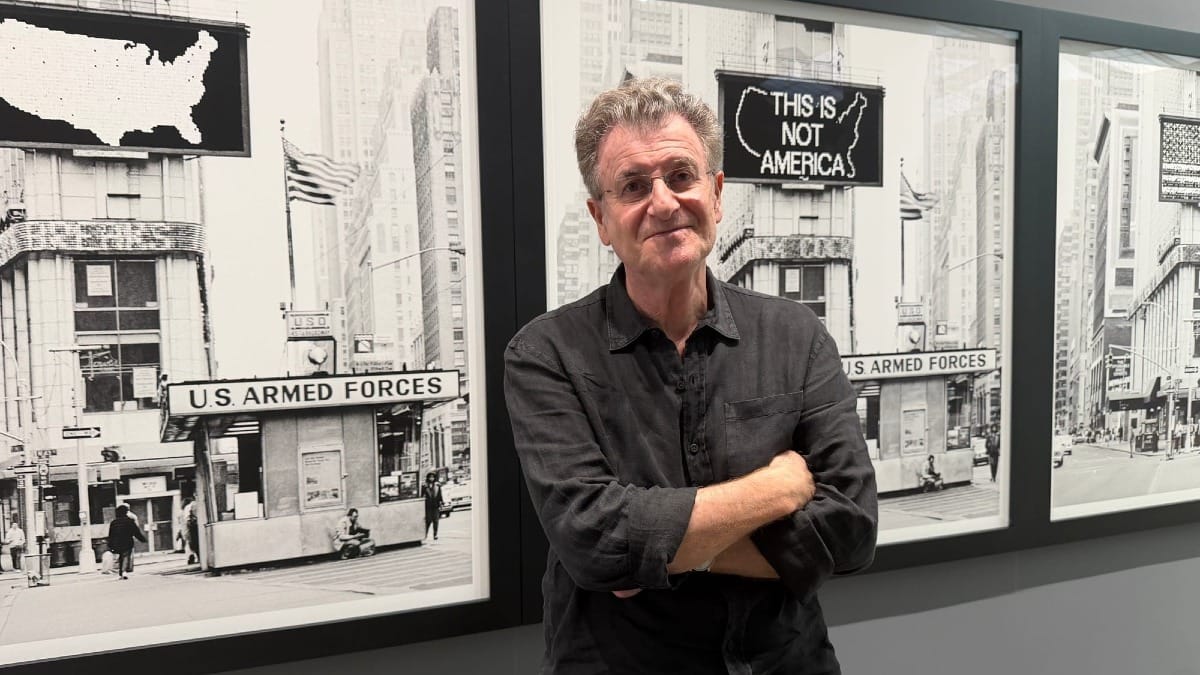
In April of 1987, when Reaganism was running amok and Henry Kissinger was fiddling with world affairs like a puppet master from hell, a relatively unknown 31-year-old Chilean artist named Alfredo Jaar staged his billboard installation A Logo for America smack dab in the heart of Times Square. It instantly became one of the most discussed works of political art in the contemporary canon.
Appearing between ads for tomato sauce and a Mexican restaurant, the 42-second LED animation bewildered New Yorkers with the message “This Is Not America” superimposed on a map of the United States, followed by an image of the US flag with the text, “This Is Not America’s Flag.” Next, the “R” in America shifted into a dancing map of South, Central, and North America. The message to US citizens and their leaders was simple but provocative: Stop hijacking the name “America” while you’re just one of many countries in it.
Almost 40 years later, the basic fact that America is a continent, not a country, still has to be explained to US citizens who see themselves as the only Americans out there. | Hakim Bishara
Read More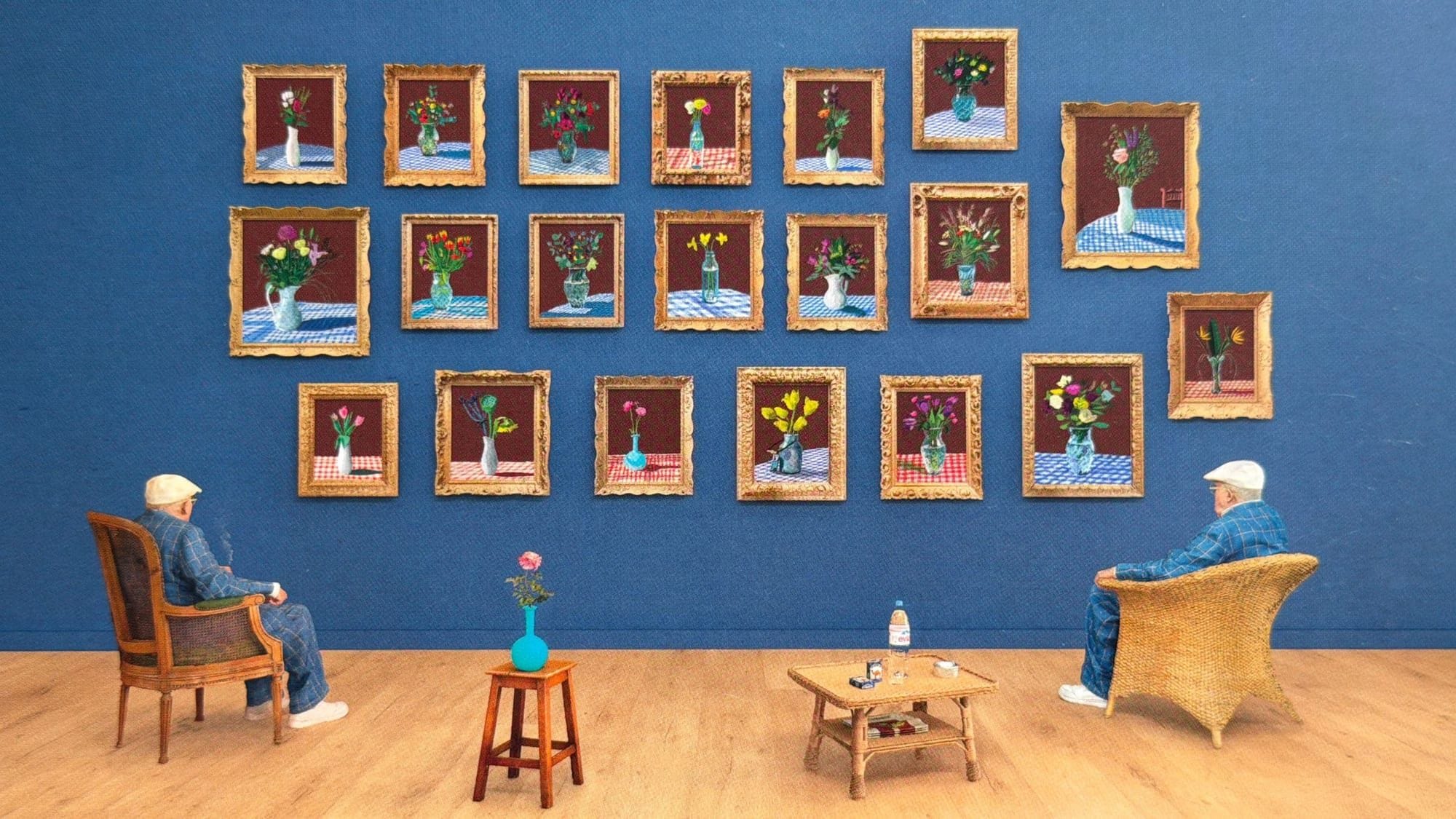
Six Decades of David Hockney on View in Gloucester, MA
“Hockney Reproduction(s)” explores the artist’s innovation through reproductive media at the Manship Artists Residency. Opens September 11, 2026
News

- Pro-Palestine activists protest Igor Tulchinsky’s financial backing of the new Bayeux Tapestry exhibit at the British Museum, following reports that Tulchinsky financed a community center in an illegal Israeli settlement in the Occupied West Bank.
- An inflatable cavatappi-shaped artwork inspired by fashion house Bulgari’s serpent motif appears on the High Line and will remain on view through New York Fashion Week.
- Donald Trump wants to replace José de Rivera’s “Infinity” (1967) outside the National Museum of American History with a statue of George Washington.
- Trump-appointed leaders of the Kennedy Center say the institution is on the brink of bankruptcy and could close imminently if the president’s name is not added to its facade. [Washington Post]
- Israel's culture minister has asked to revoke the citizenship of filmmakers Yuval Abraham and Rachel Szor, directors of NAZA, an award-winning documentary about Israel's genocide in Gaza. [Haaretz]

Member Event: ISCP Ground Floor Studio Visits
Join Hyperallergic on September 30 for an evening of studio visits and conversations with the NYC-based artists selected for the International Studio & Curatorial Program’s Ground Floor Residency.
From Our Critics

James McNeill Whistler’s Music for the Eyes
A long-awaited Whistler retrospective at Tate Britain makes the case that every brushstroke, color, and omission serves the pursuit of harmony. | Olivia McEwan
Read MoreMadelon Vriesendorp’s Subconscious Cities
An exhibition explores the creativity and imagination of an artist whose way of seeing influences architects and artists. | Natalie Weis
Read More
Apply for a 2027–2028 Fellowship at the Smithsonian American Art Museum
Fellowships at SAAM and its Renwick Gallery provide scholars with access to collections, community, and professional advancement.
Features
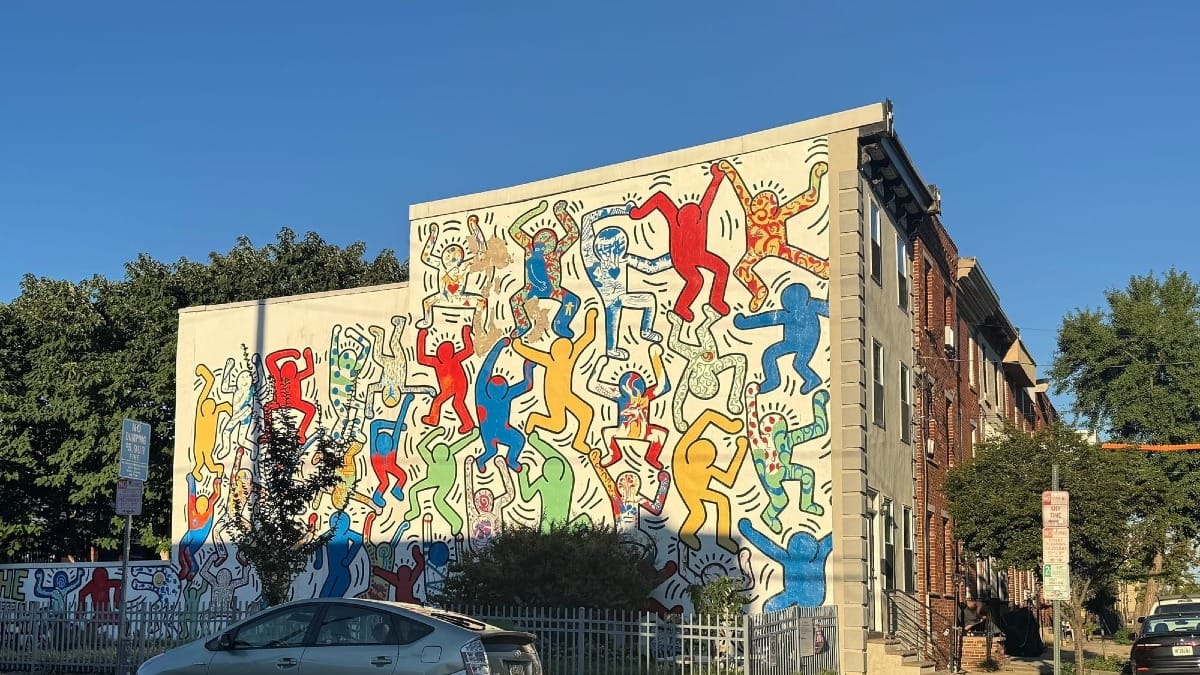
Keith Haring Mural May Decide the Fate of Public Art in Philly
“We The Youth” (1987), painted on a wall co-owned by a real-estate developer in Point Breeze, could become the city’s first outdoor mural on the Philadelphia Register of Historic Places. | Isabella Segalovich
Read MoreEurope’s Art Theft Problem Is Much Bigger Than the Louvre
A wave of museum thefts is exposing the vulnerabilities of institutions struggling to protect irreplaceable collections after years of underfunding. | Emiline Smith
Read More
Mitchell Johnson: “Twenty-One Years in Truro (Selected Paintings 1988–2026)”
The artist’s sixth solo exhibition at Castle Hill will open to the public on September 8, 2026.
ICYMI

What I Got Wrong About Krasner and Pollock
I had assumed that loving an artist meant disappearing a little, and I had assumed that Lee Krasner had been forced to shrink, too. | Lia Strasser
Read More